
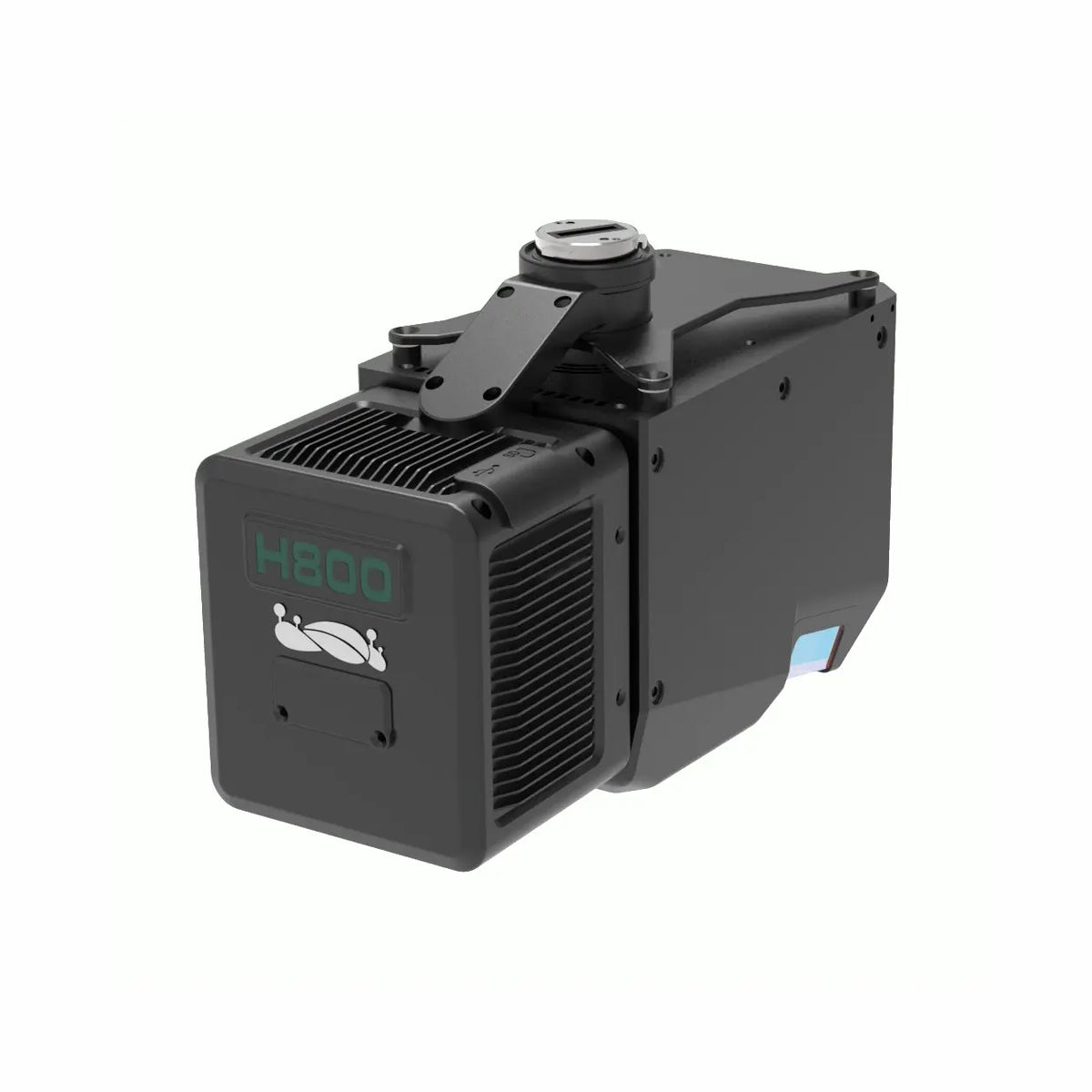
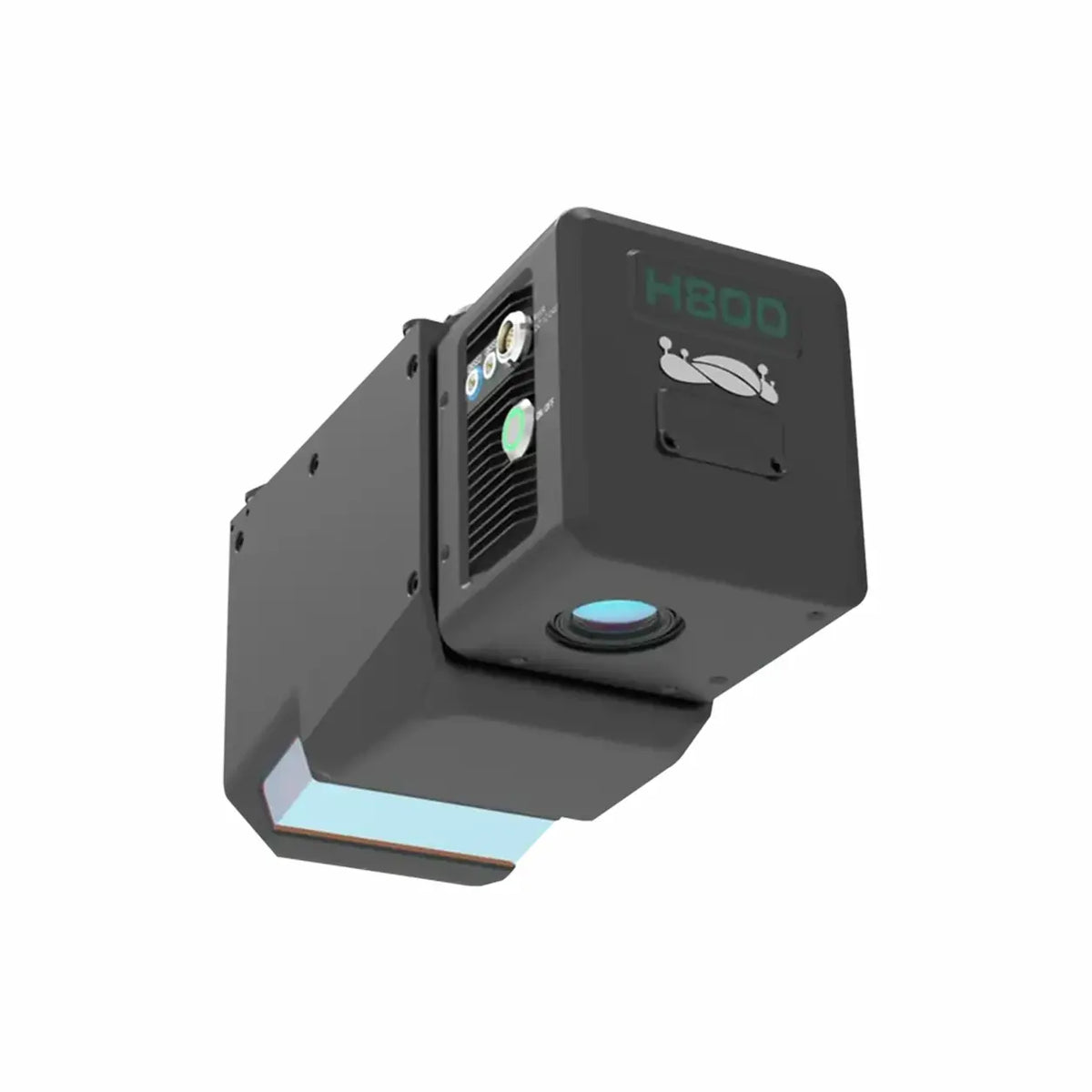

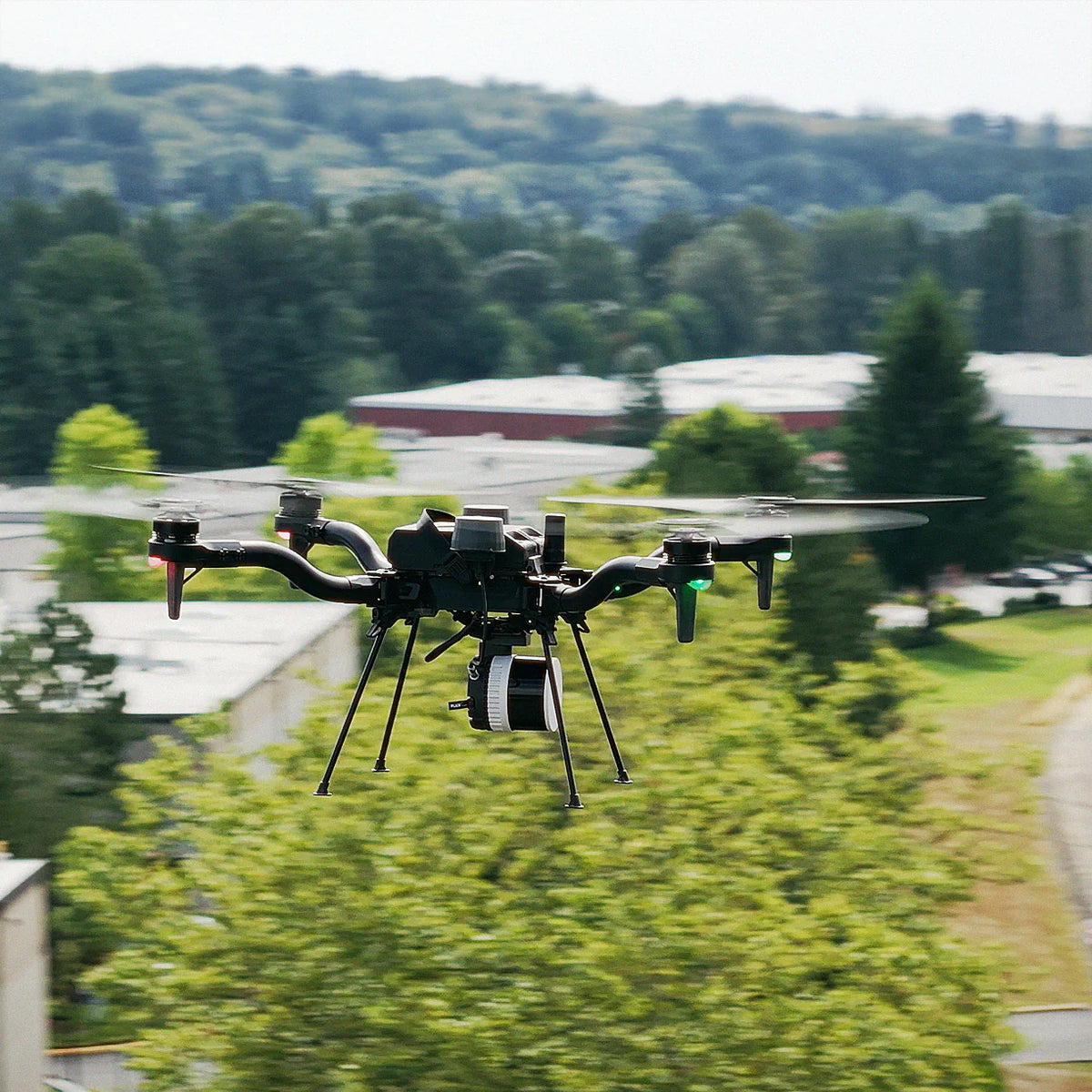
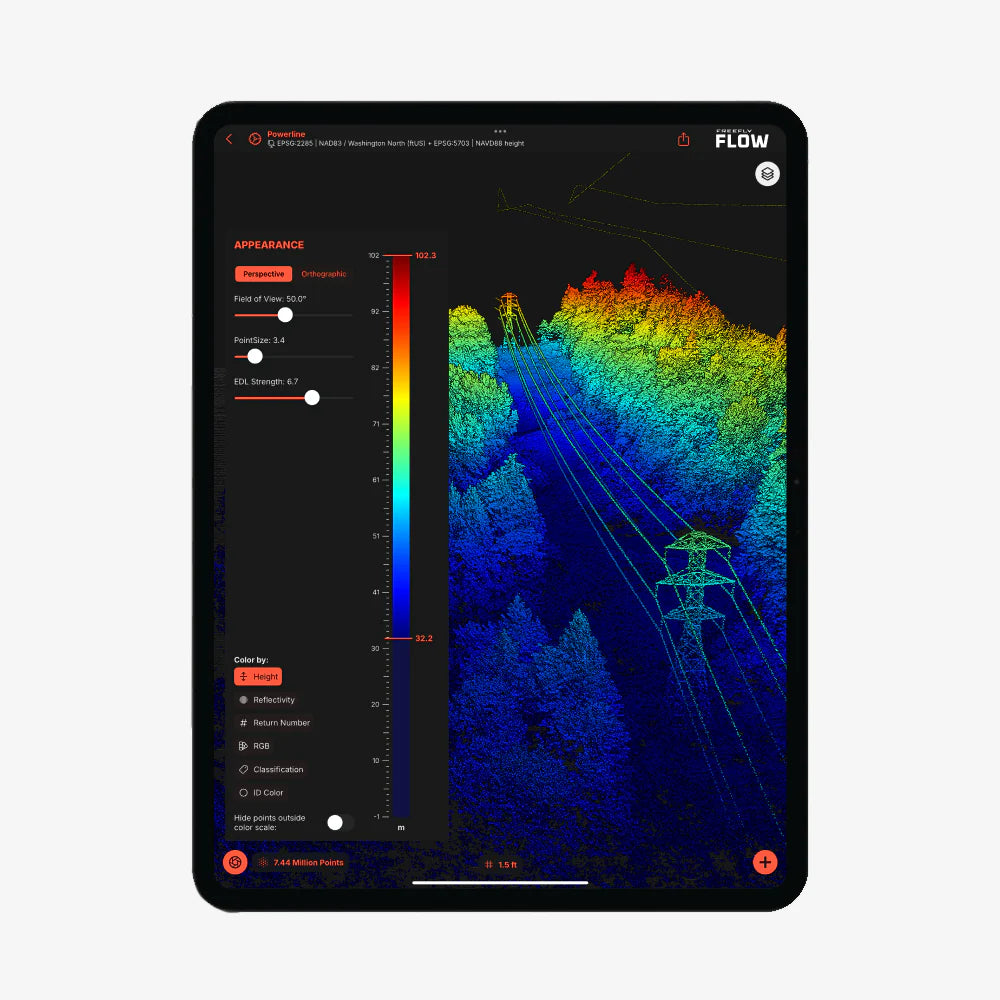
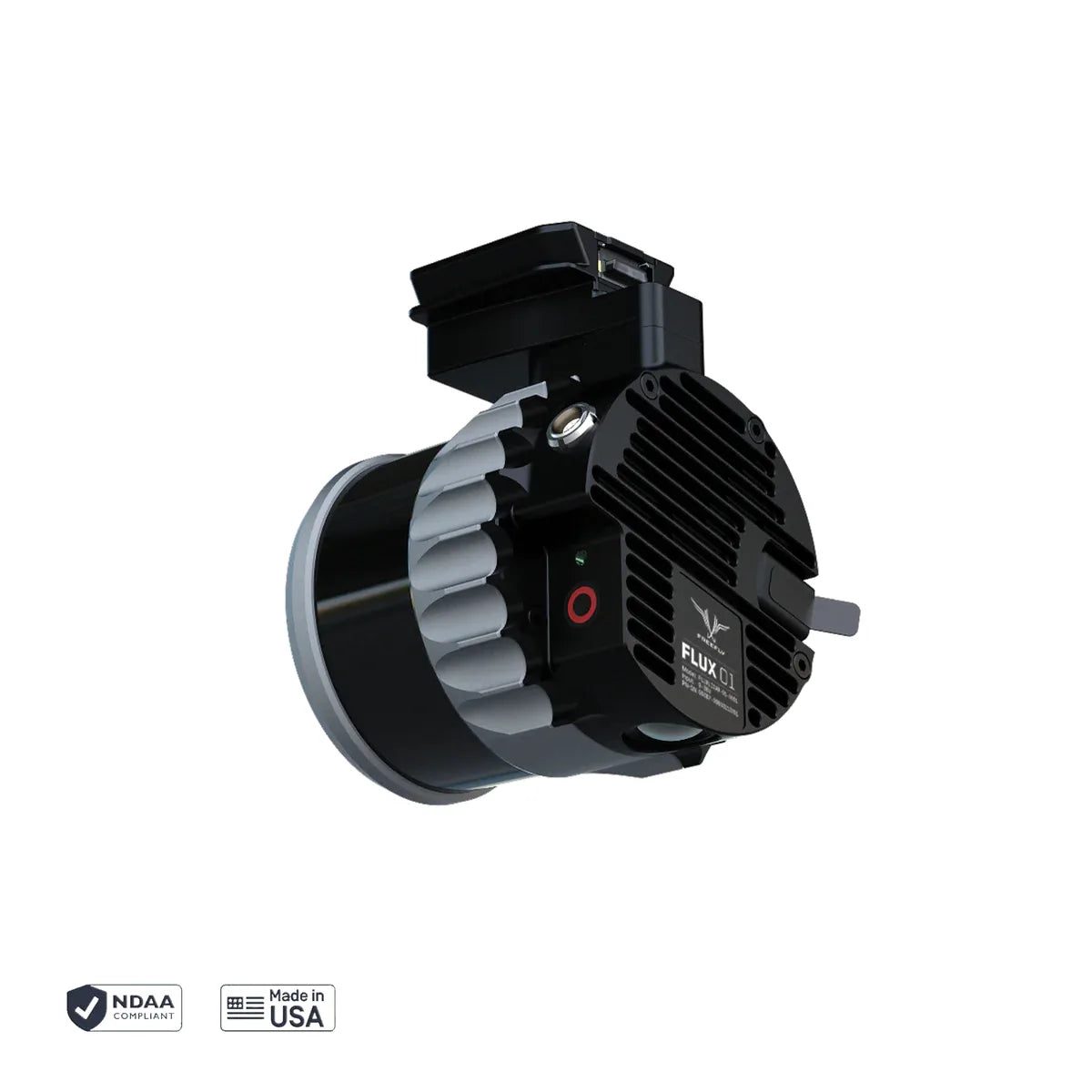
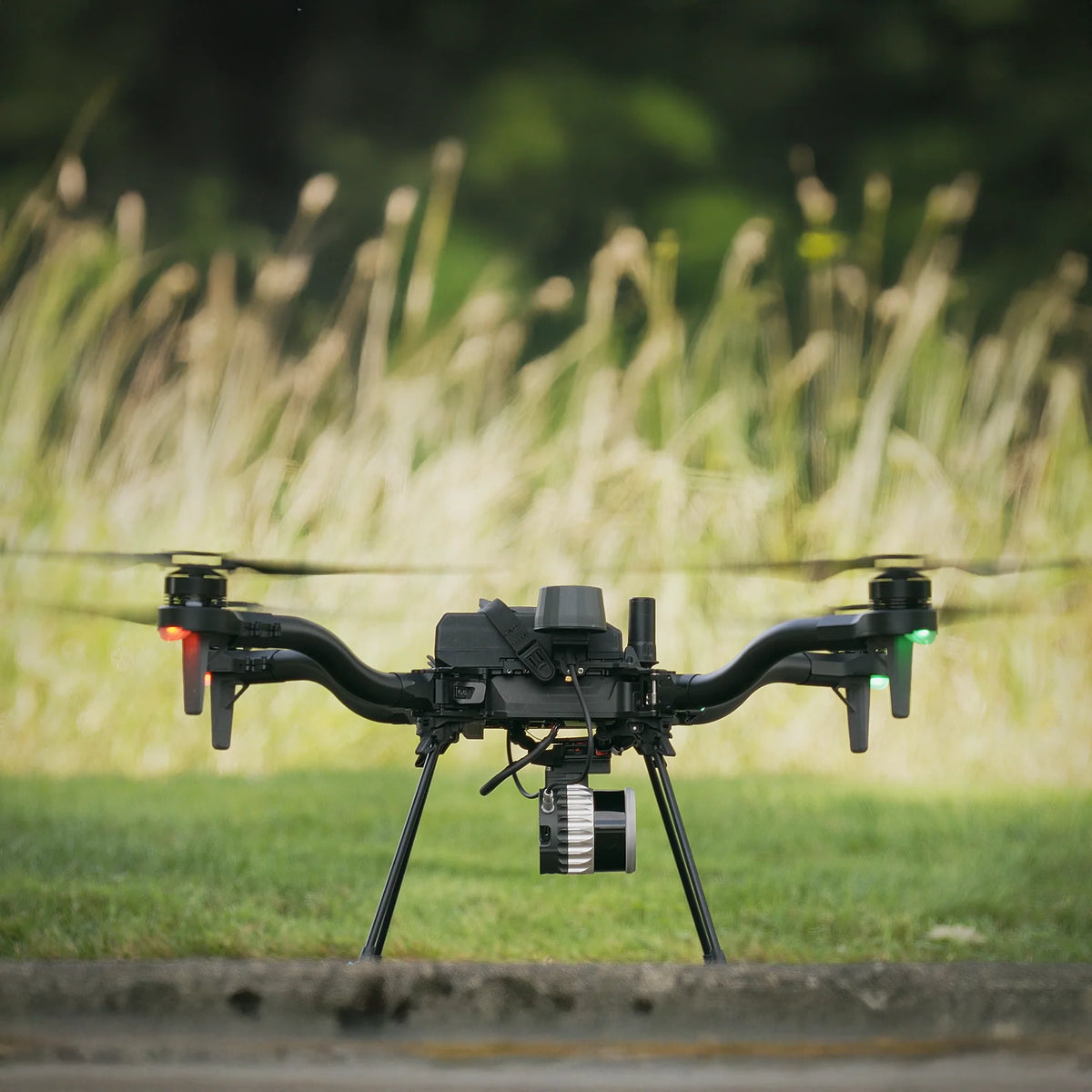



About the Collection
Drone Accessories: Power, Control, Lighting, and Field Gear That Keep Professional Aircraft Mission-Ready
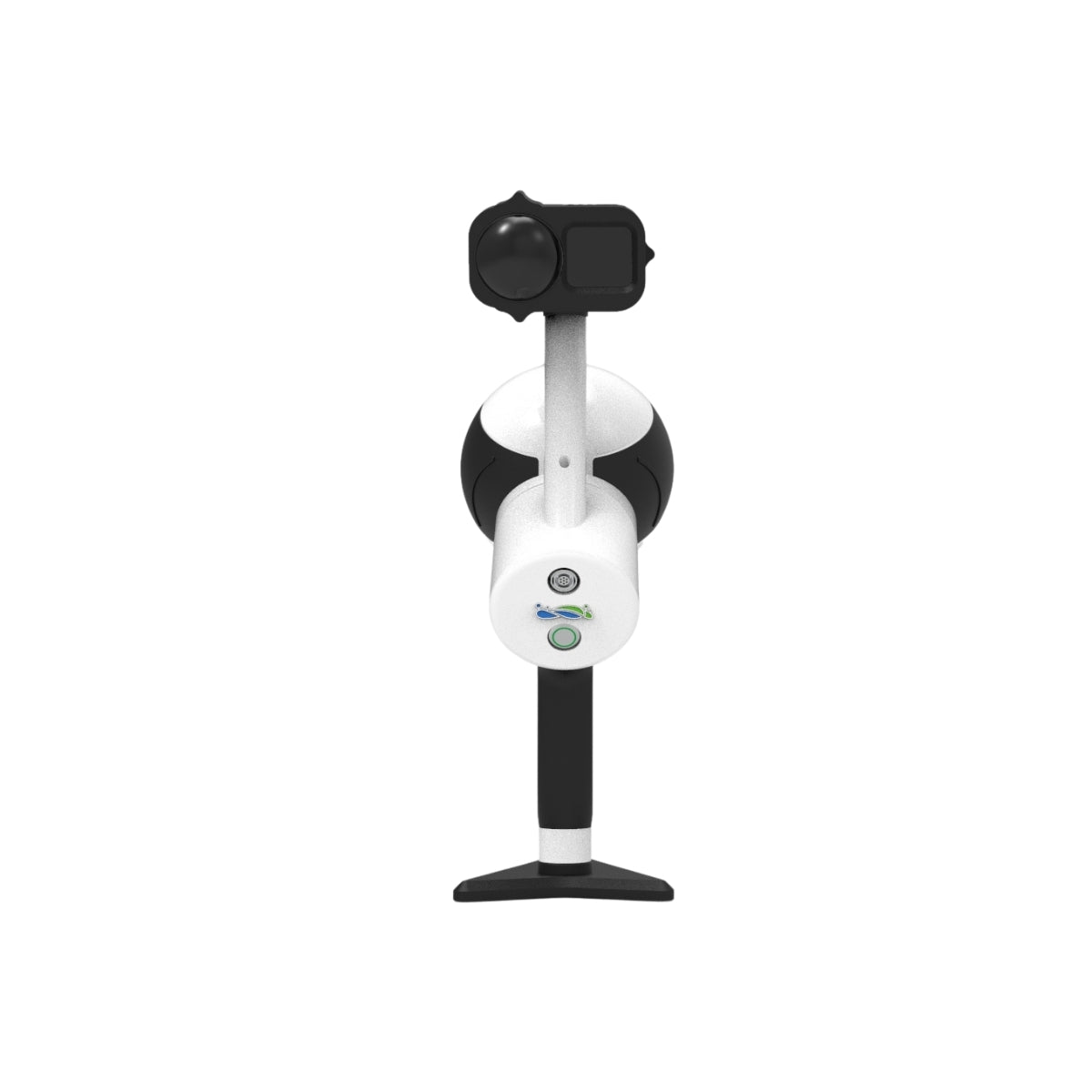
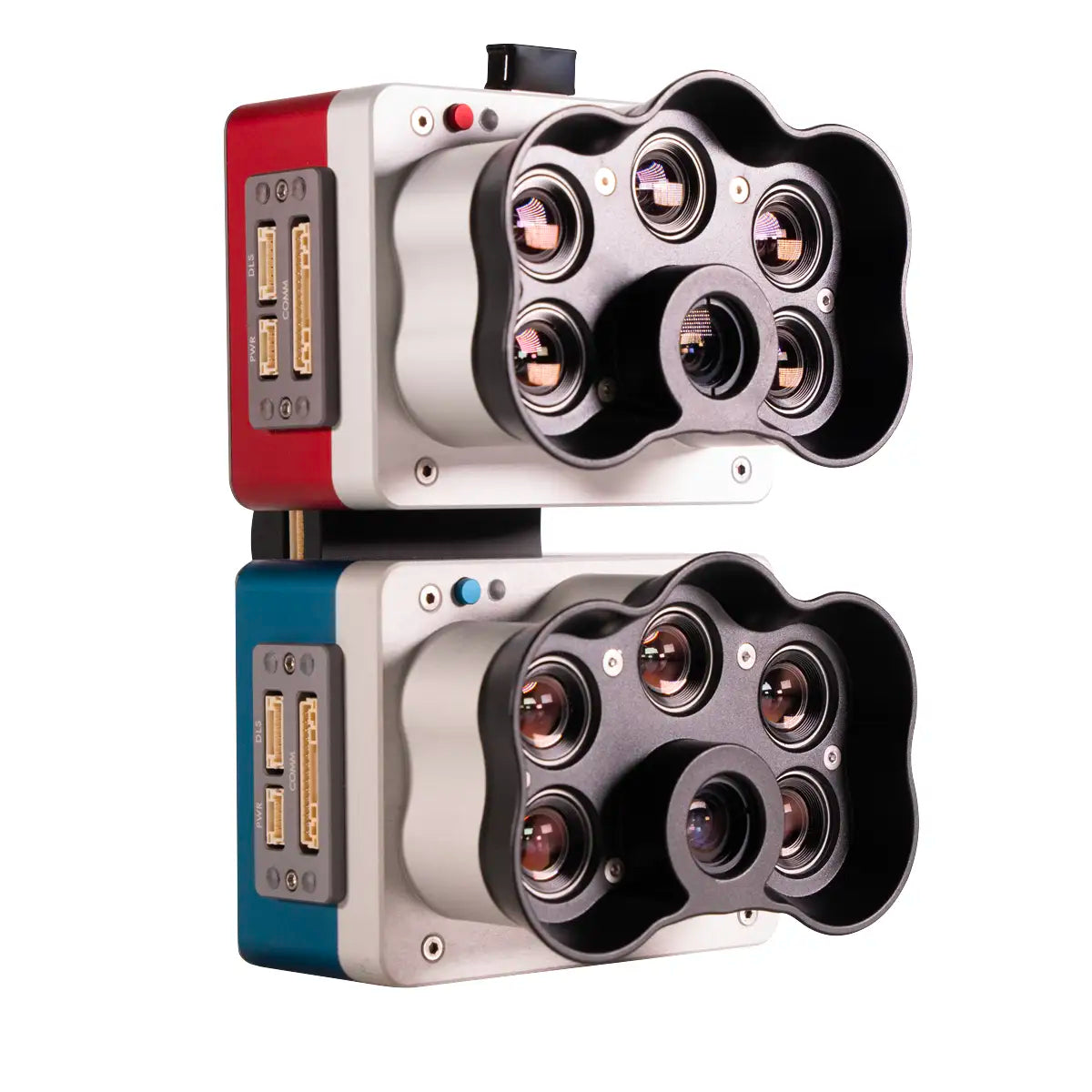
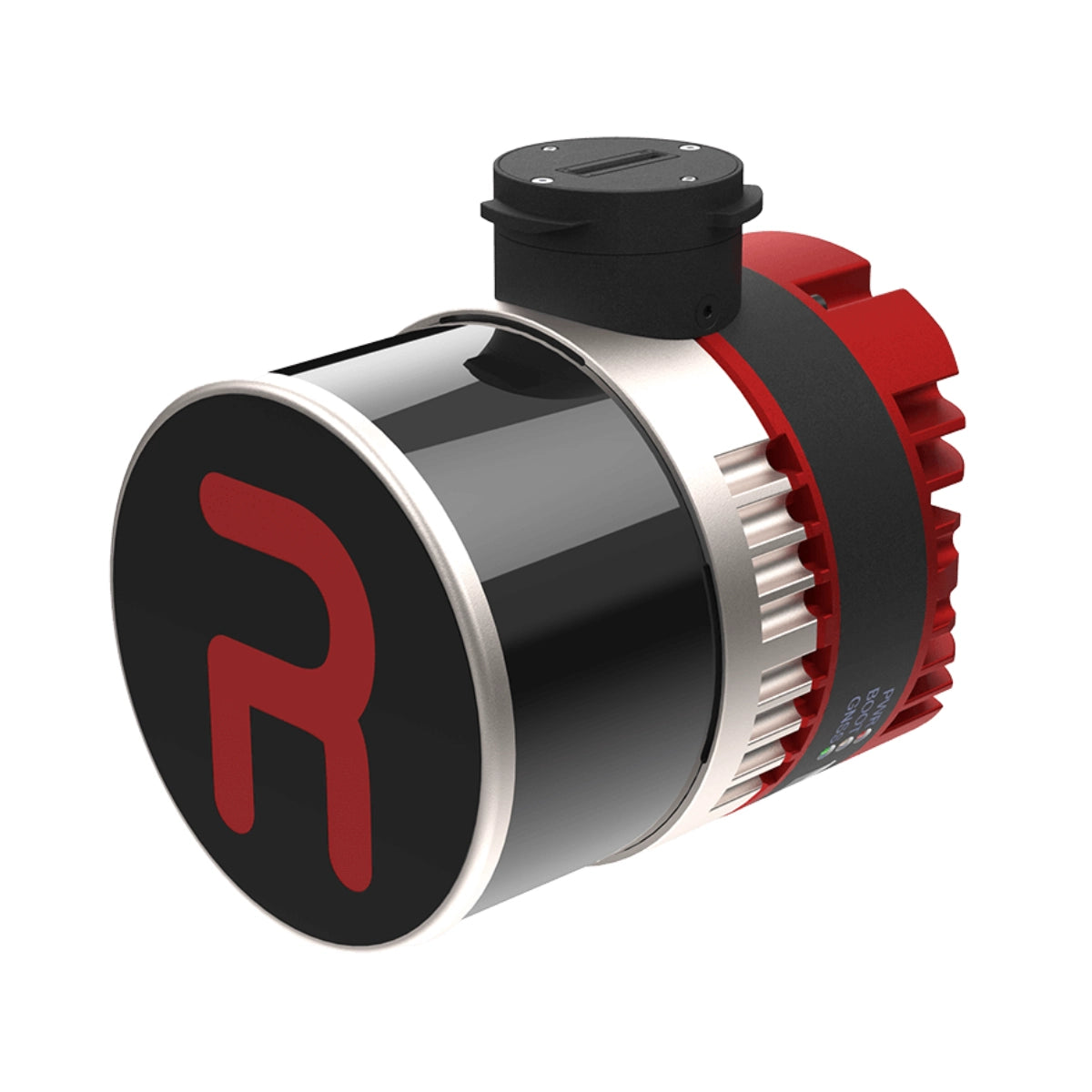
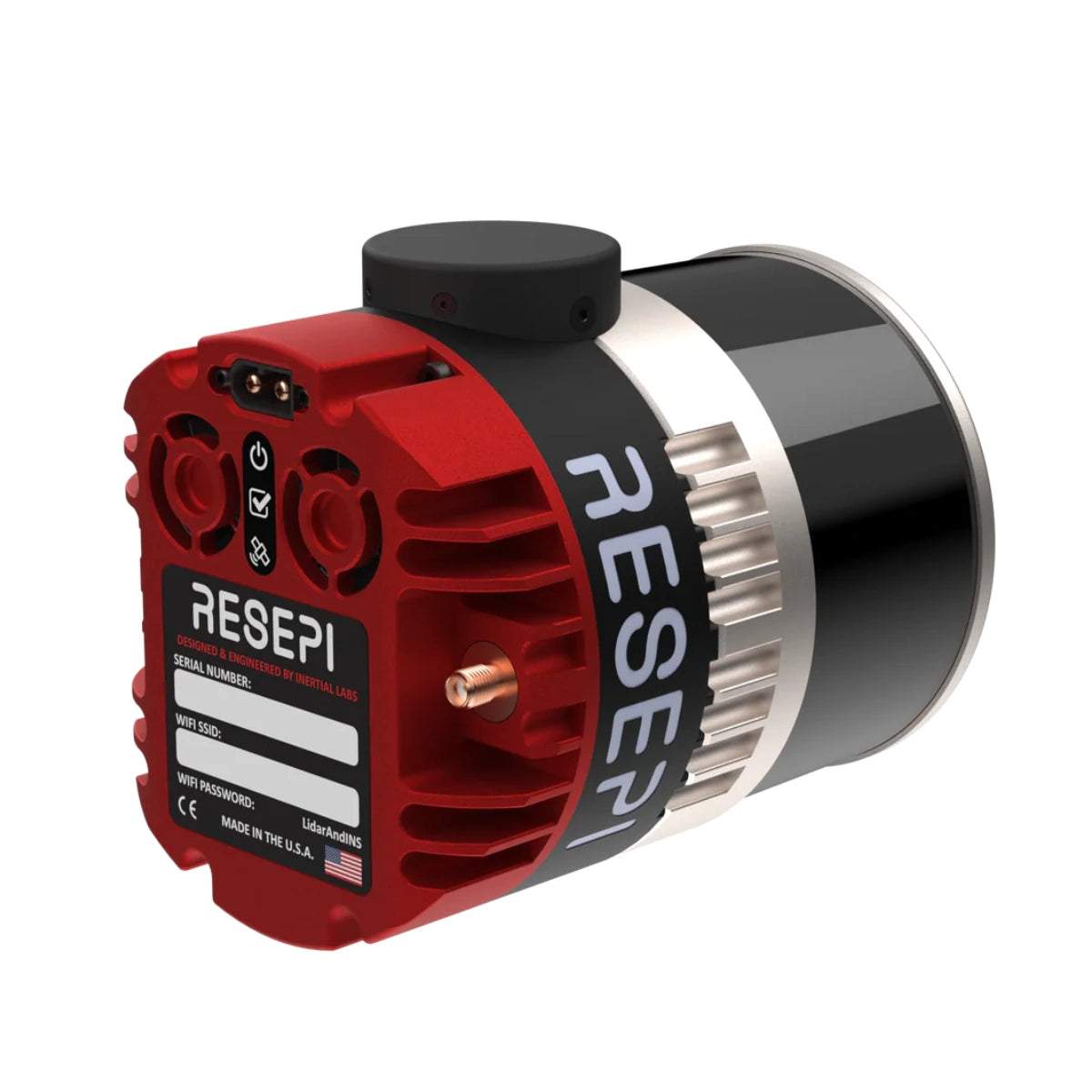
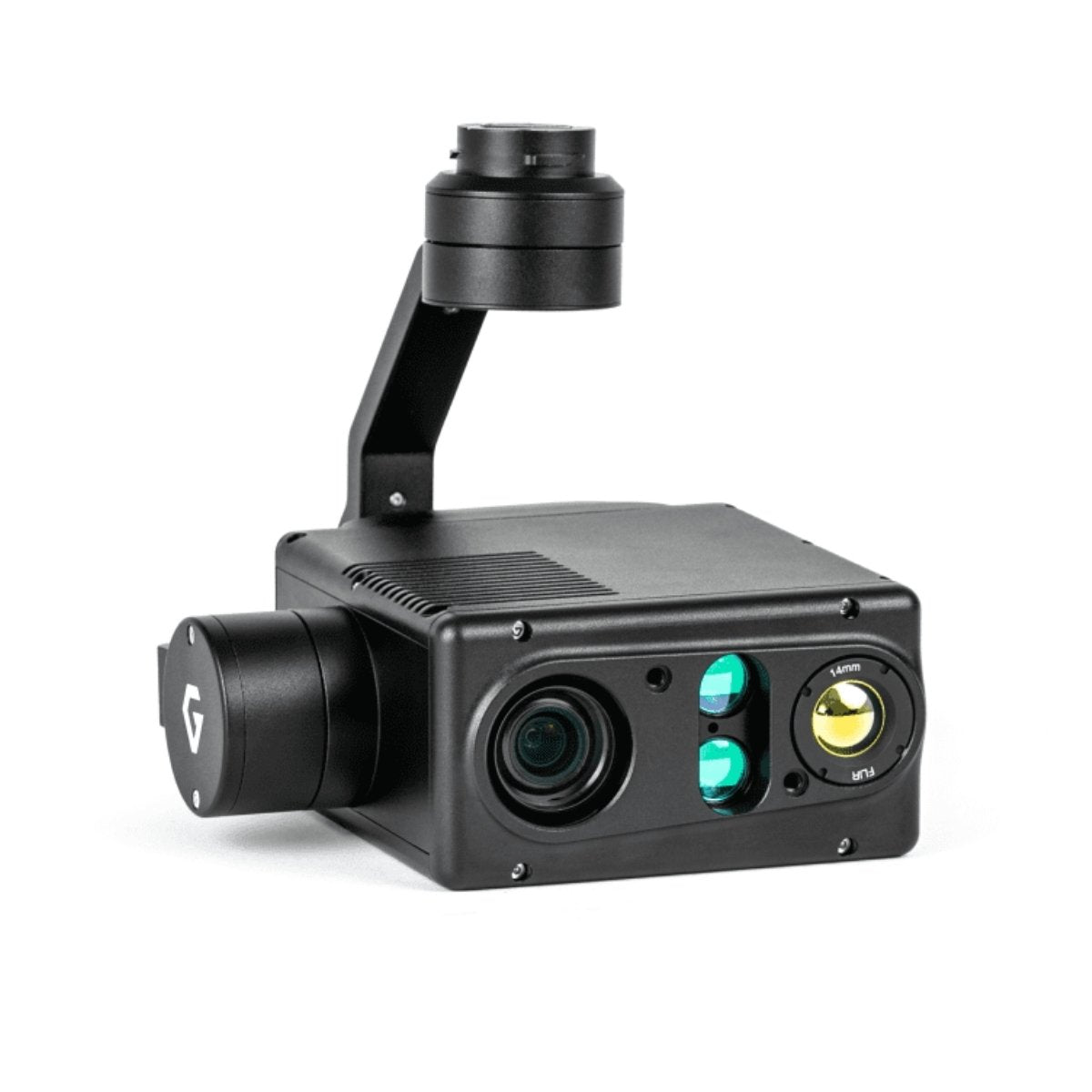
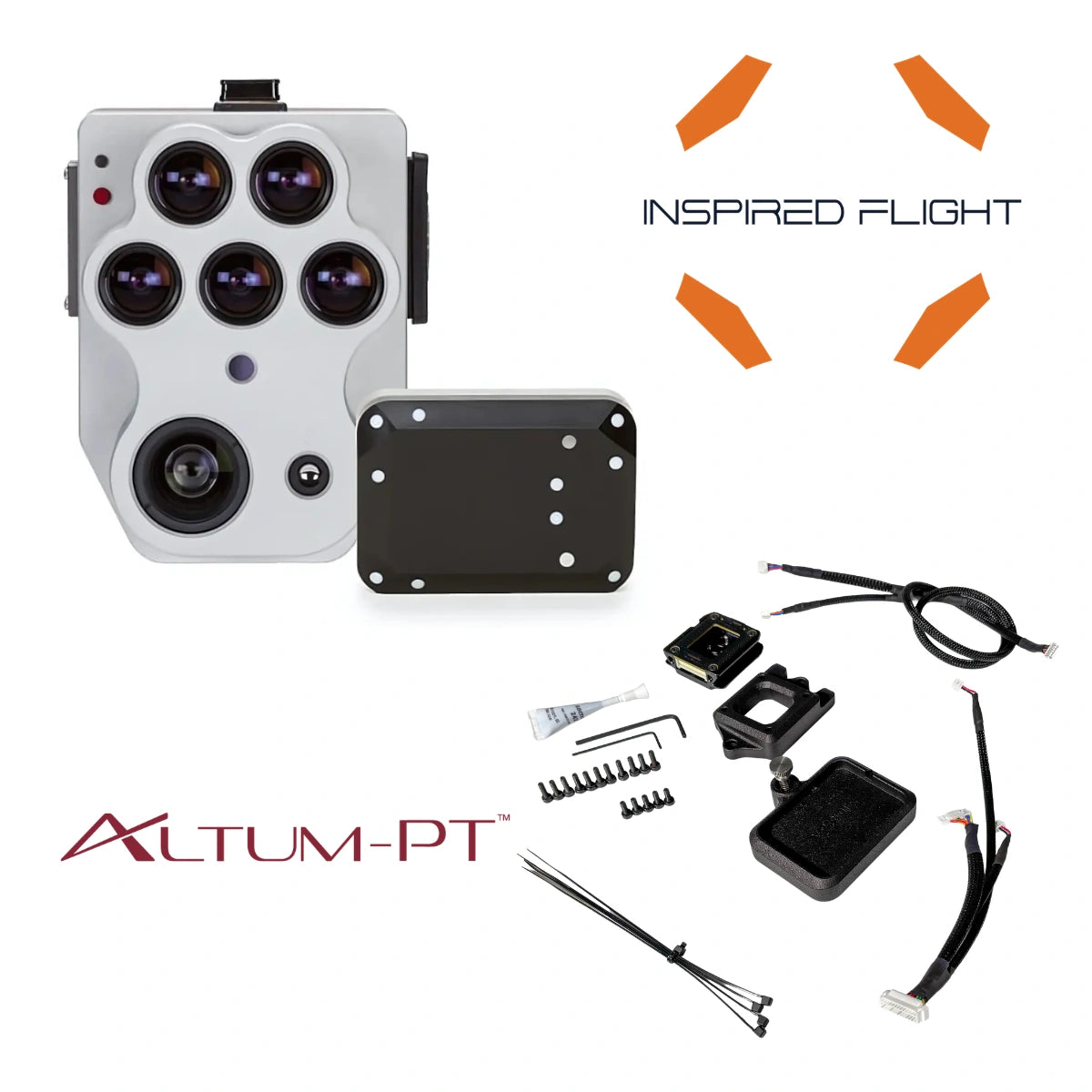
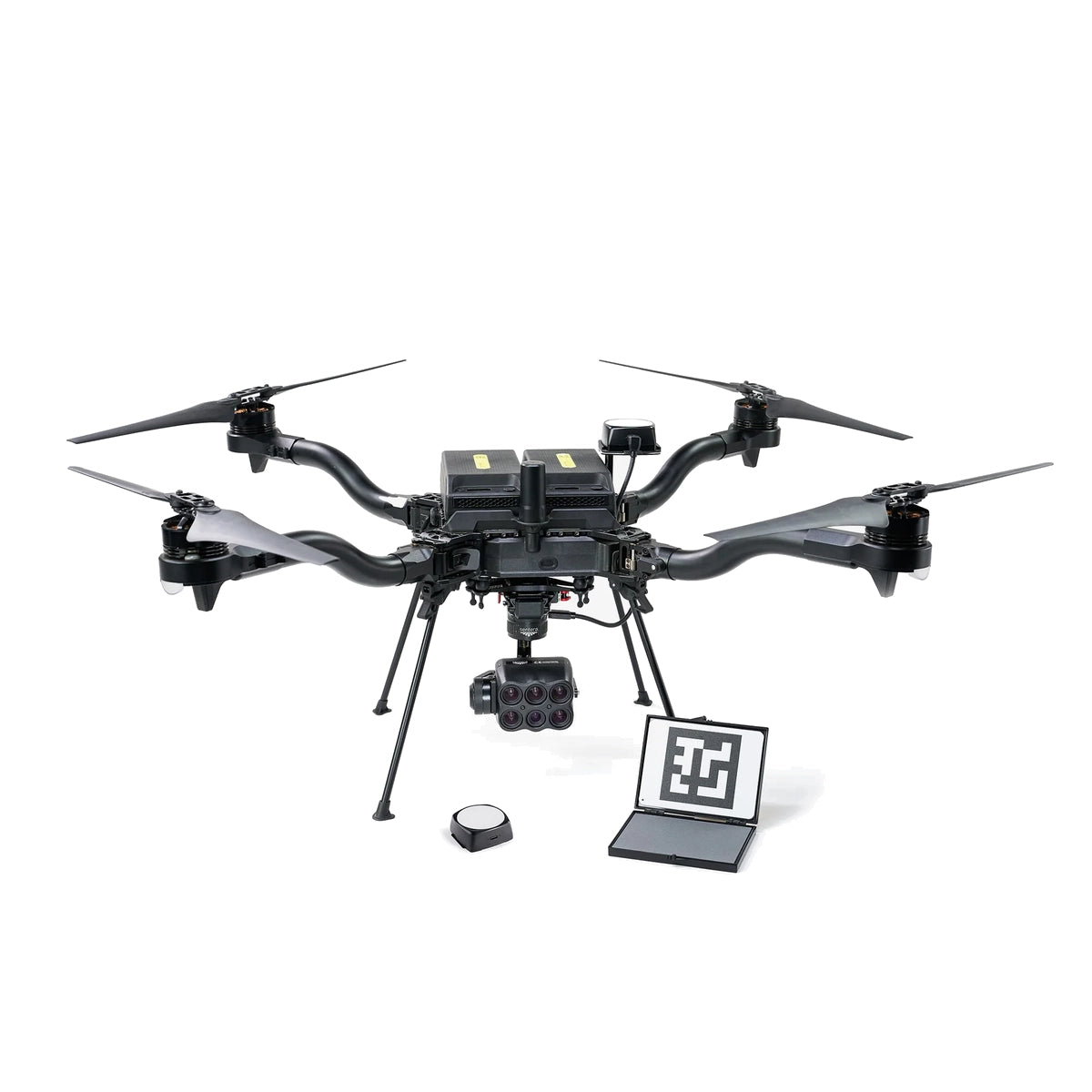
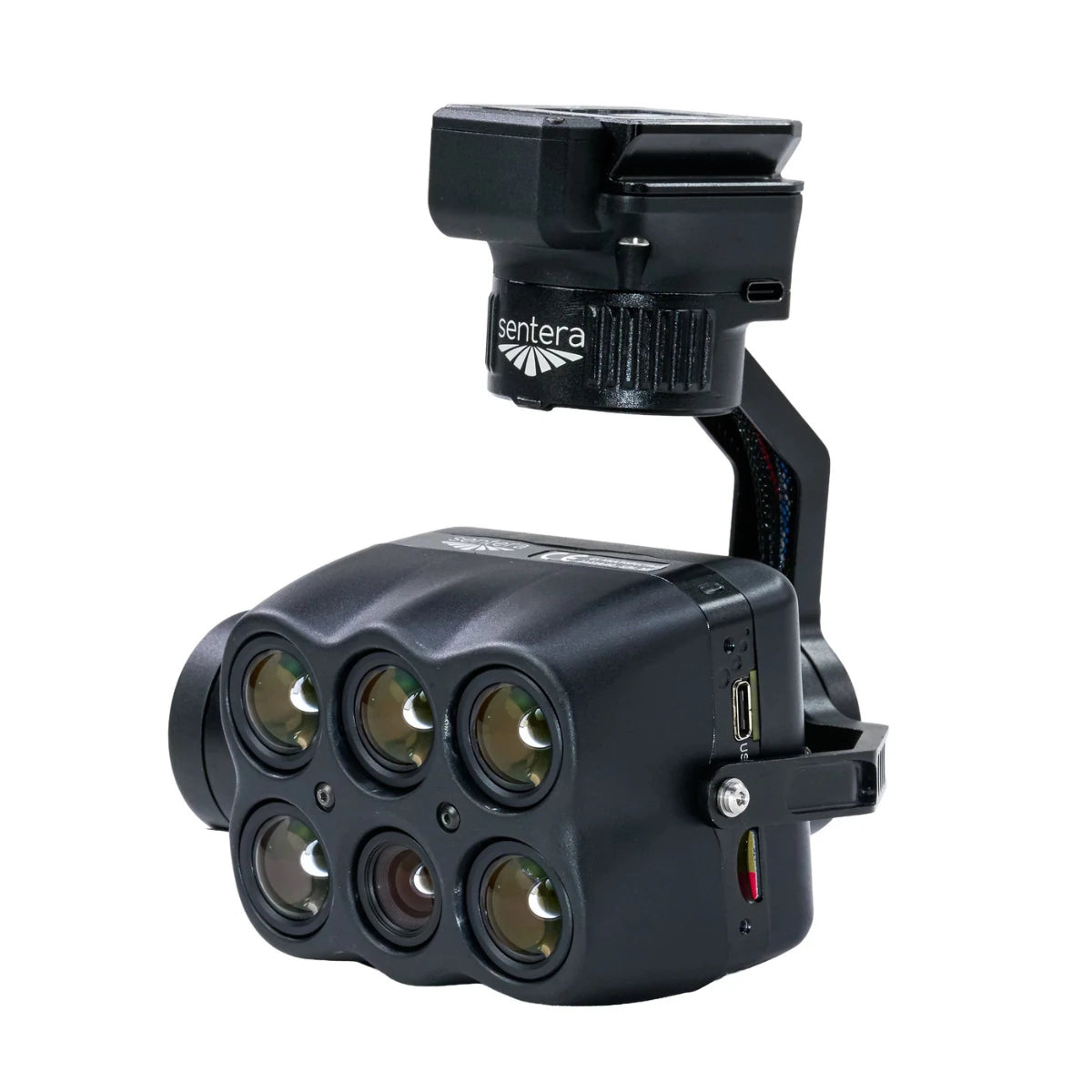
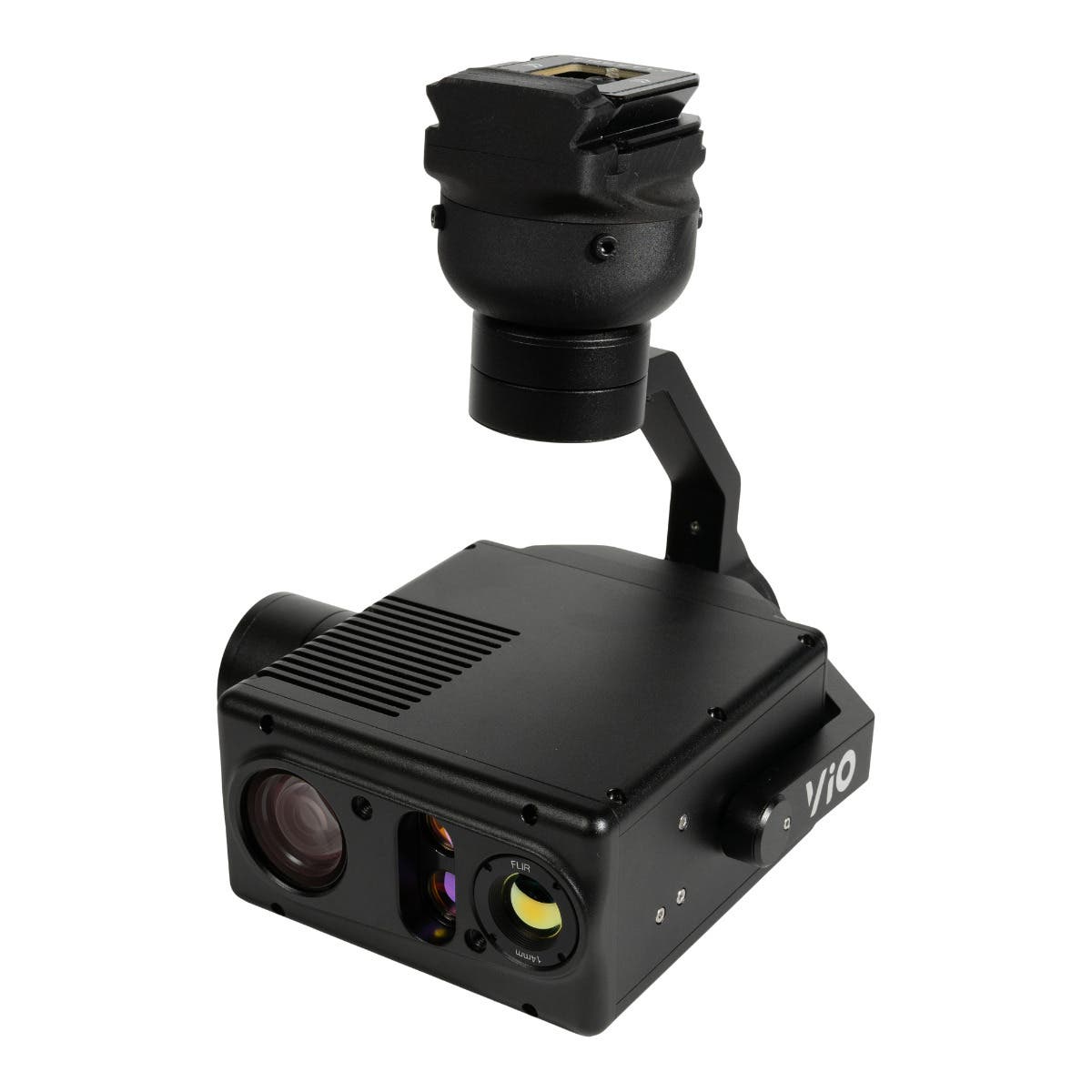
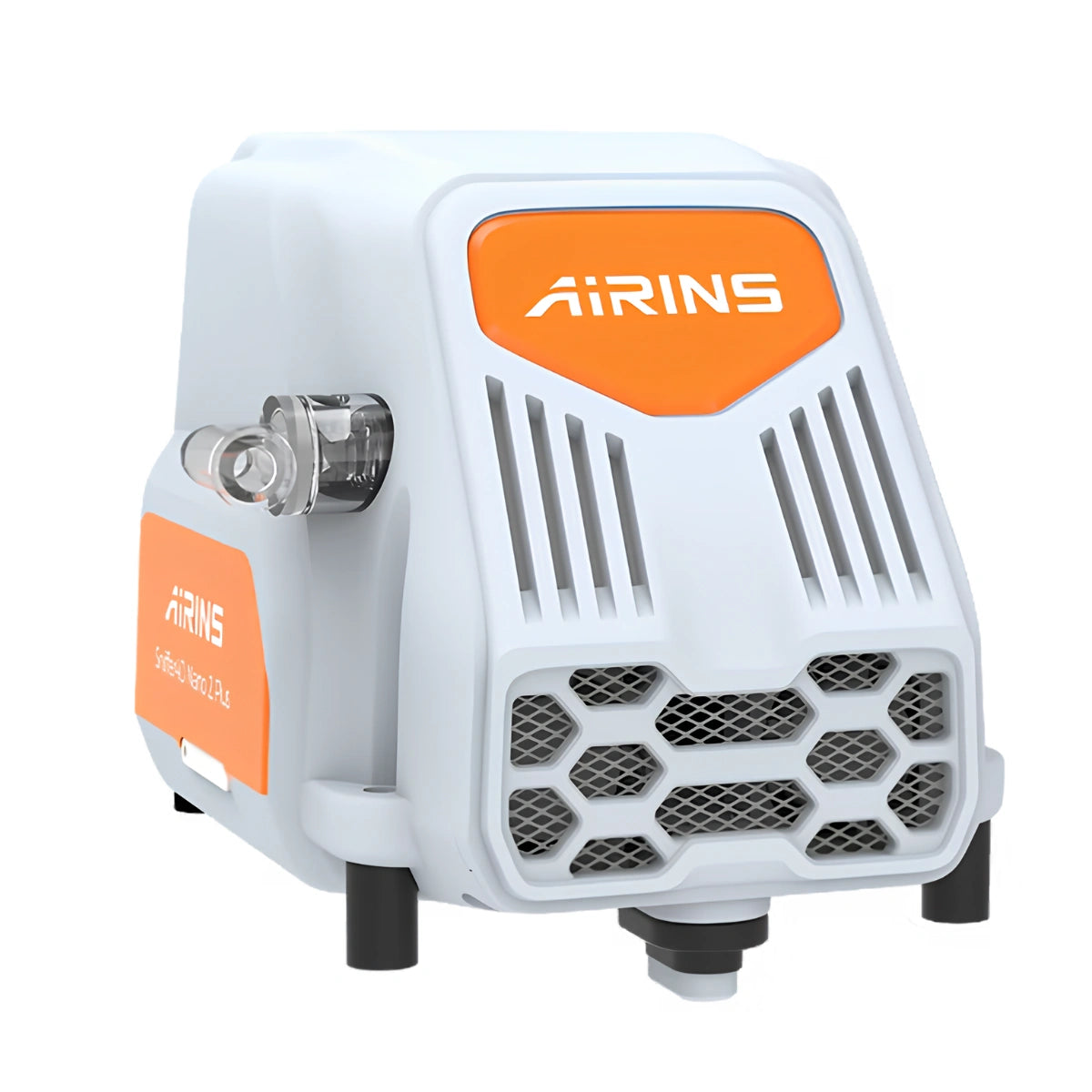
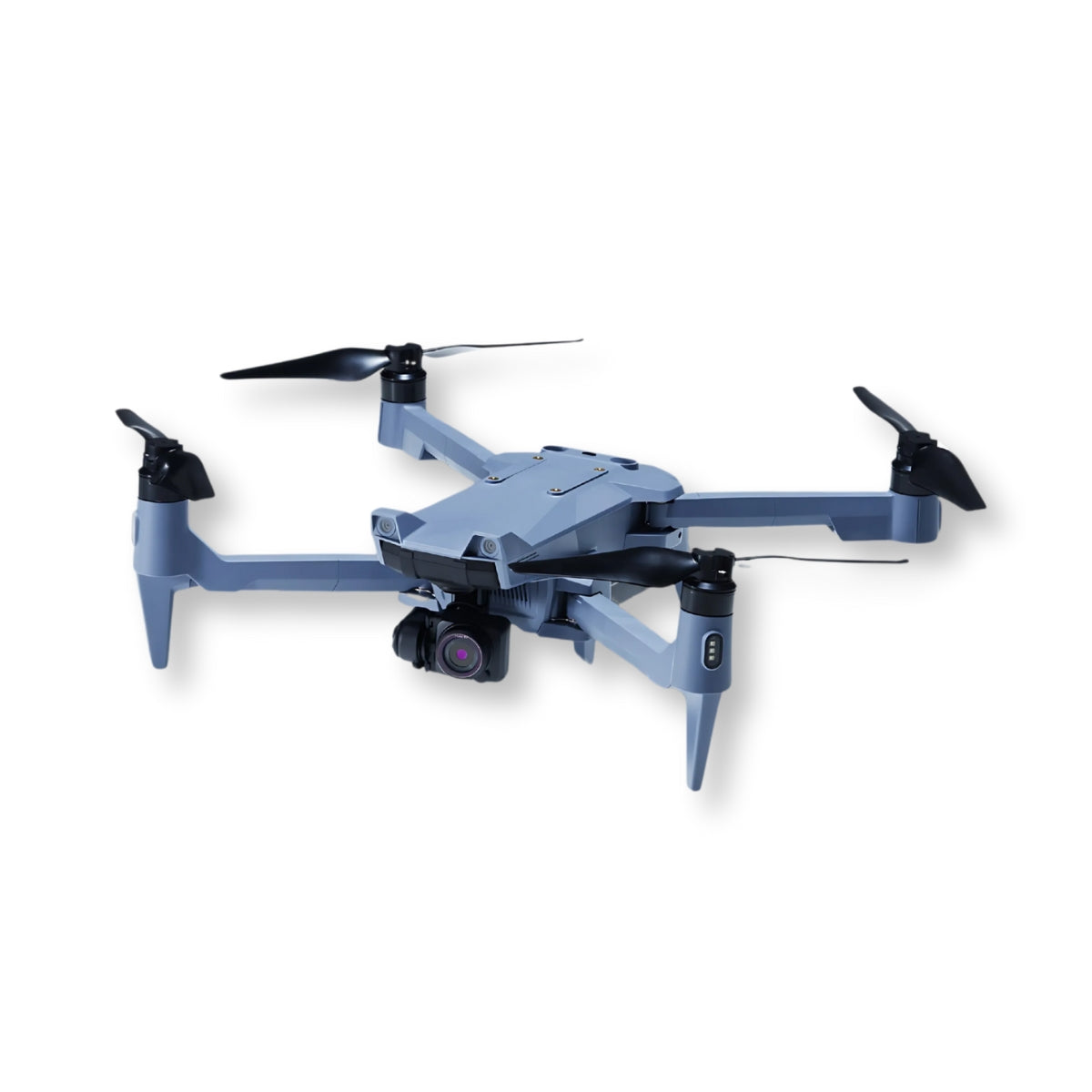
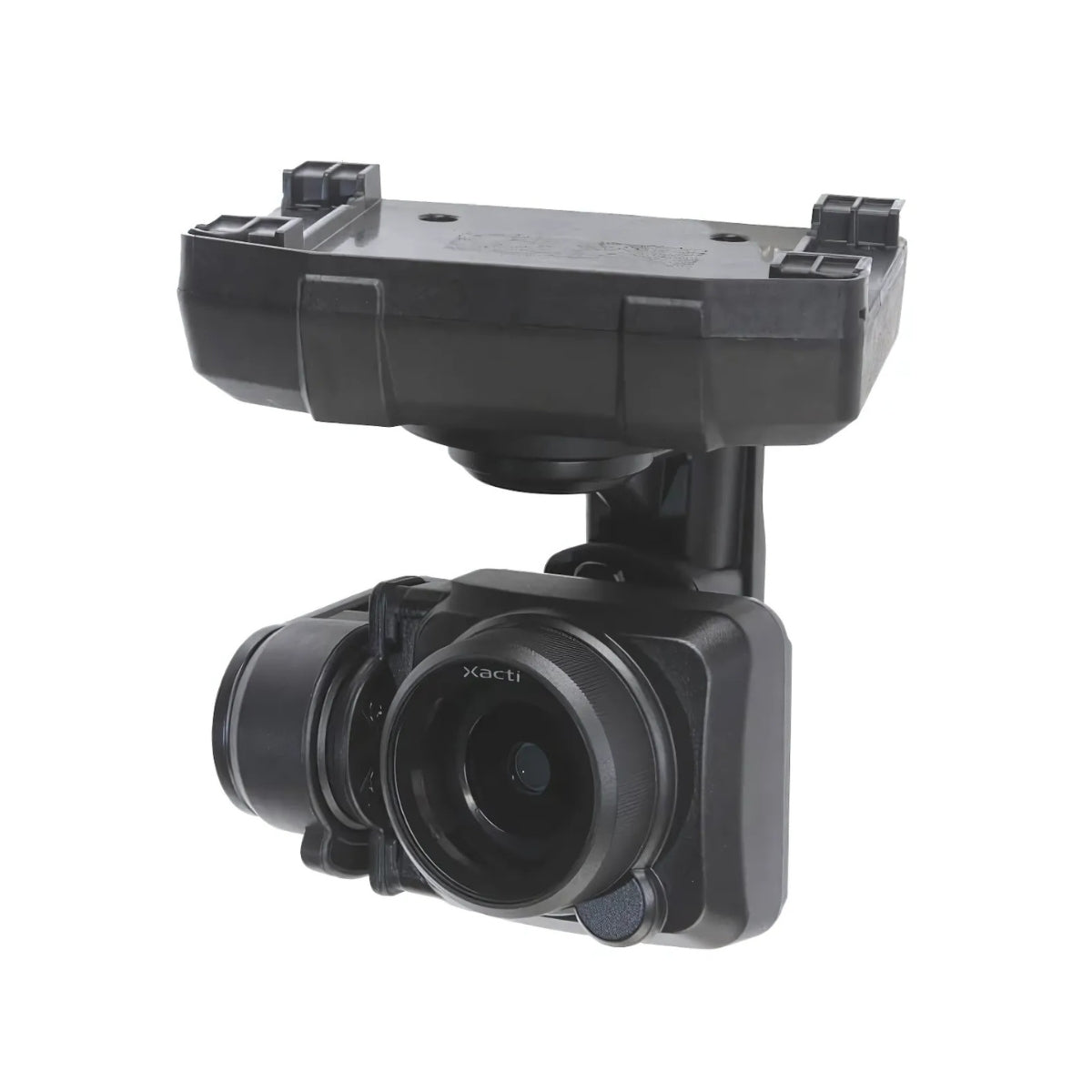
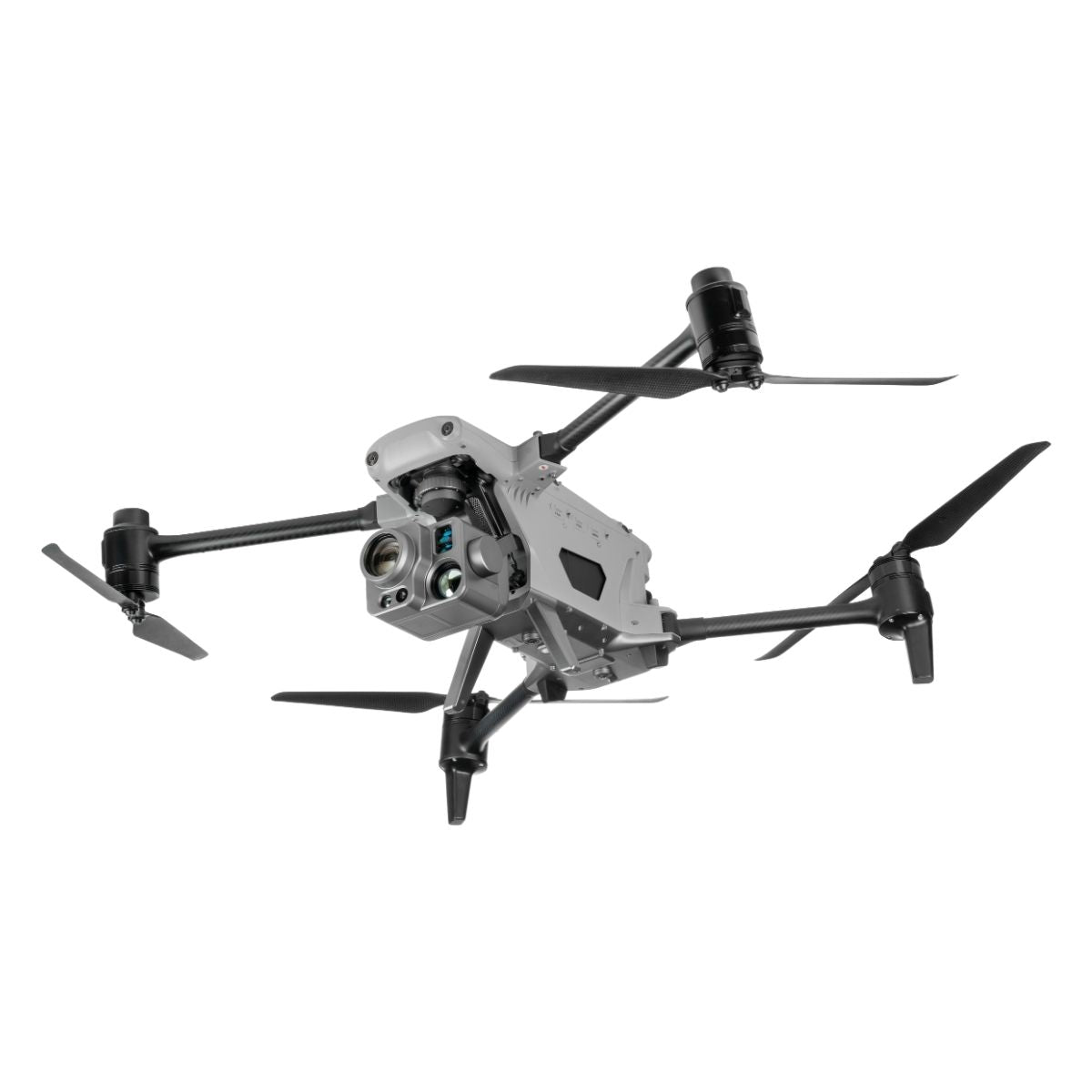
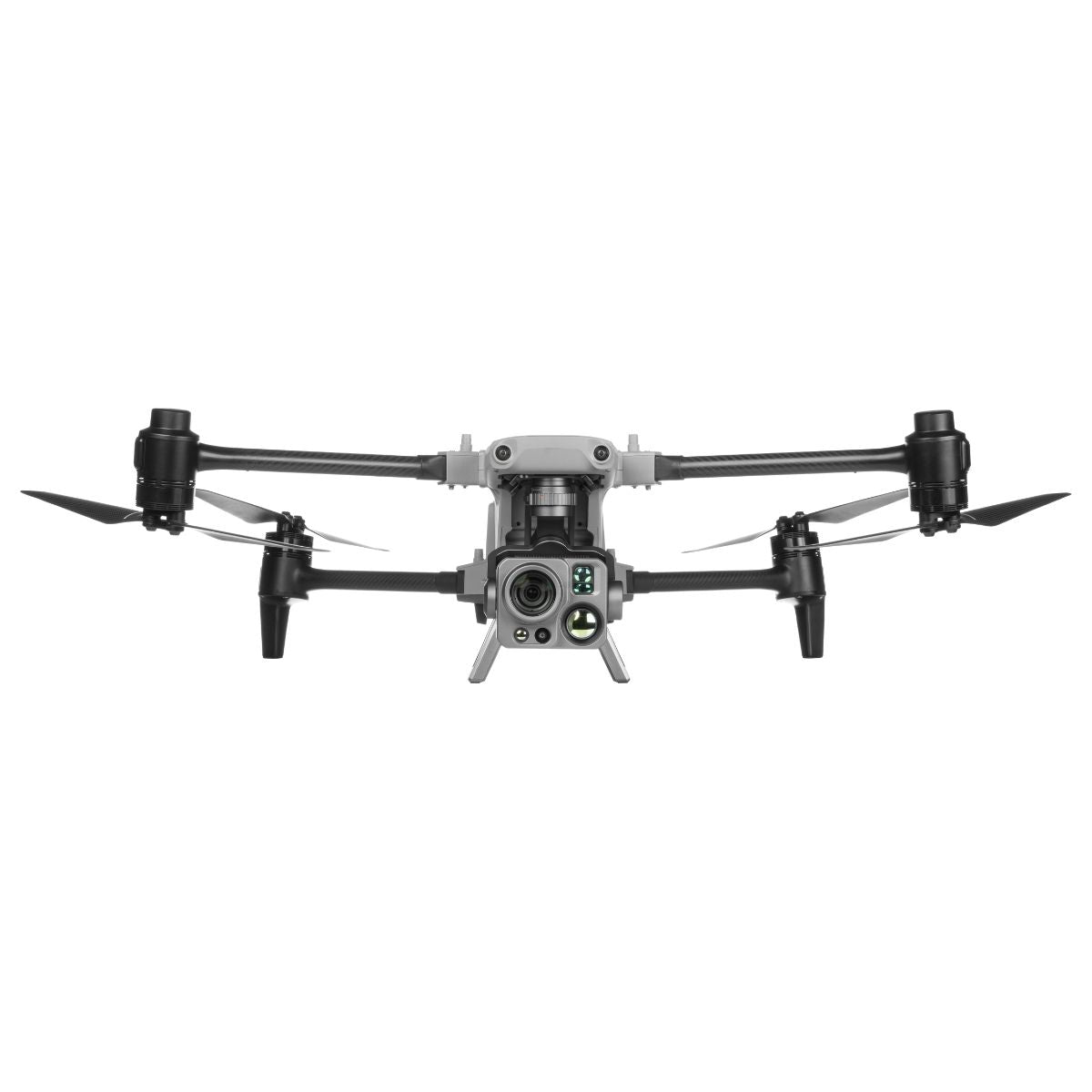
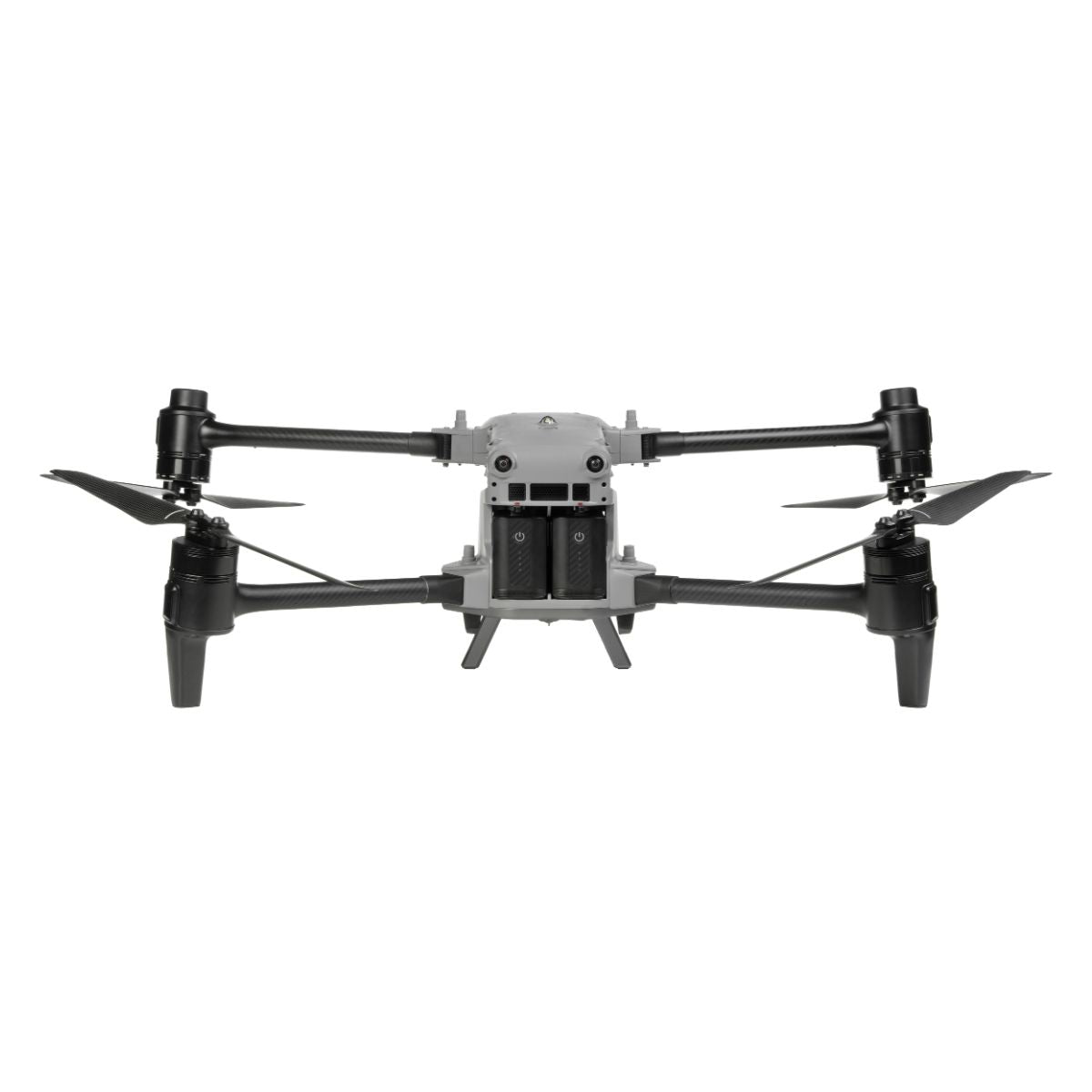
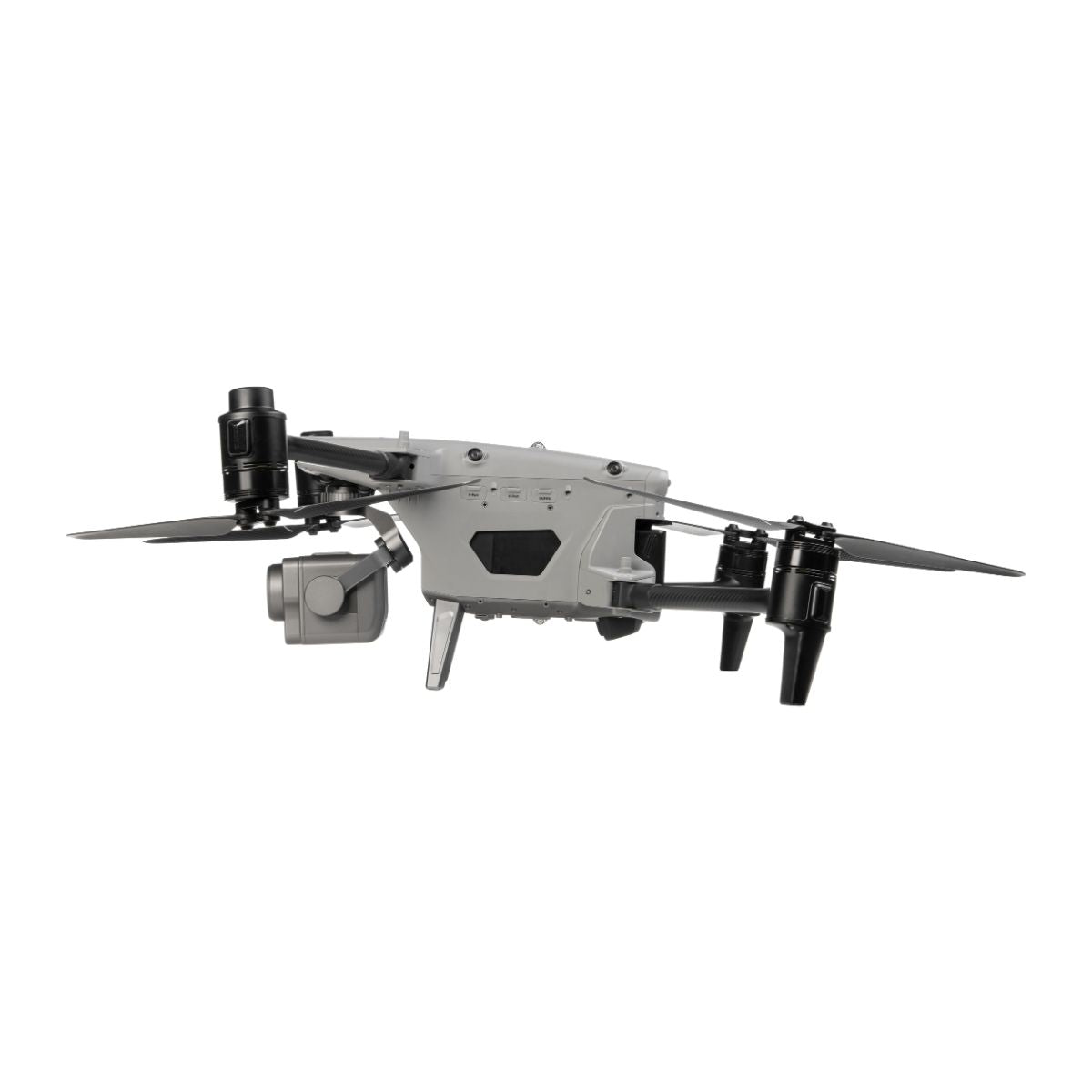
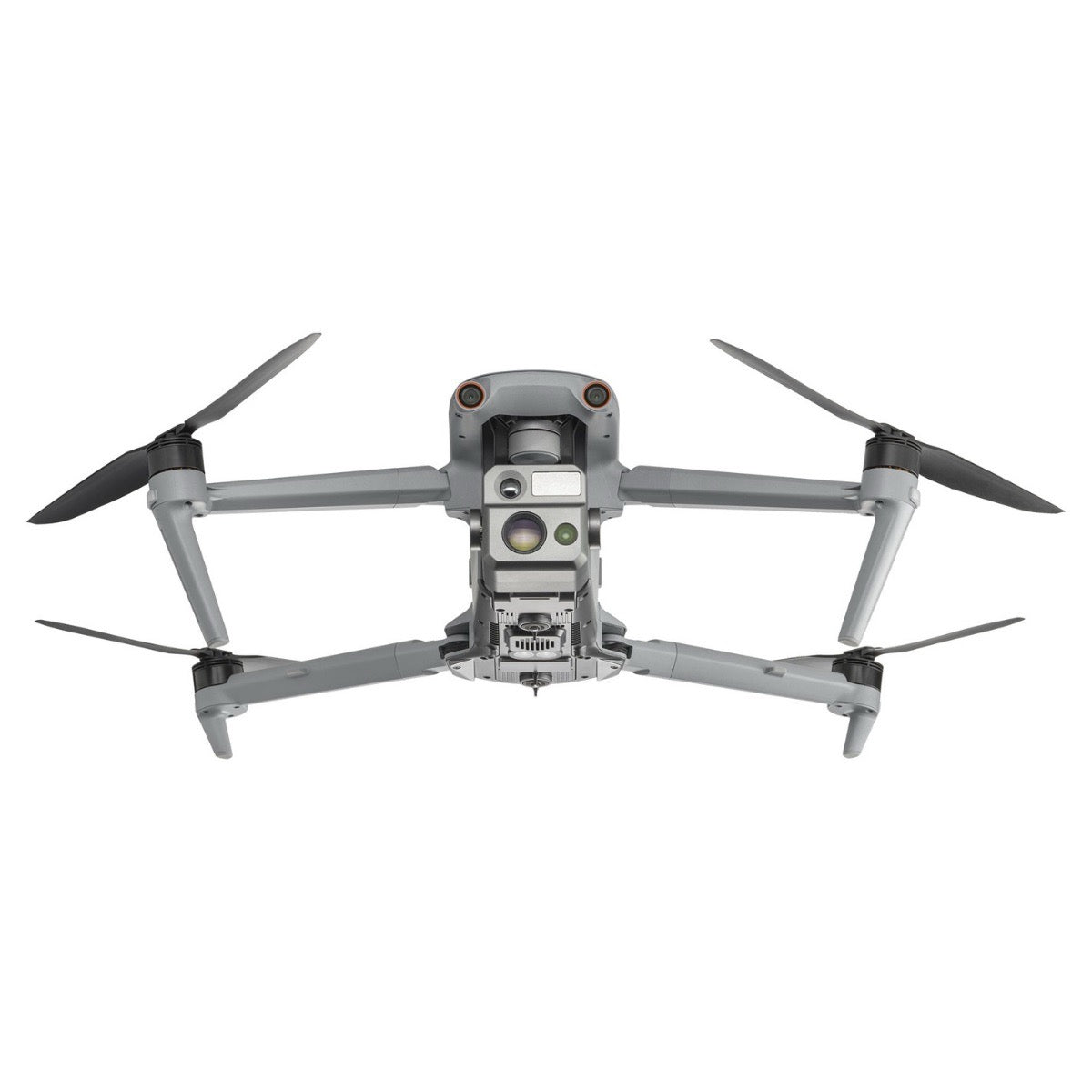
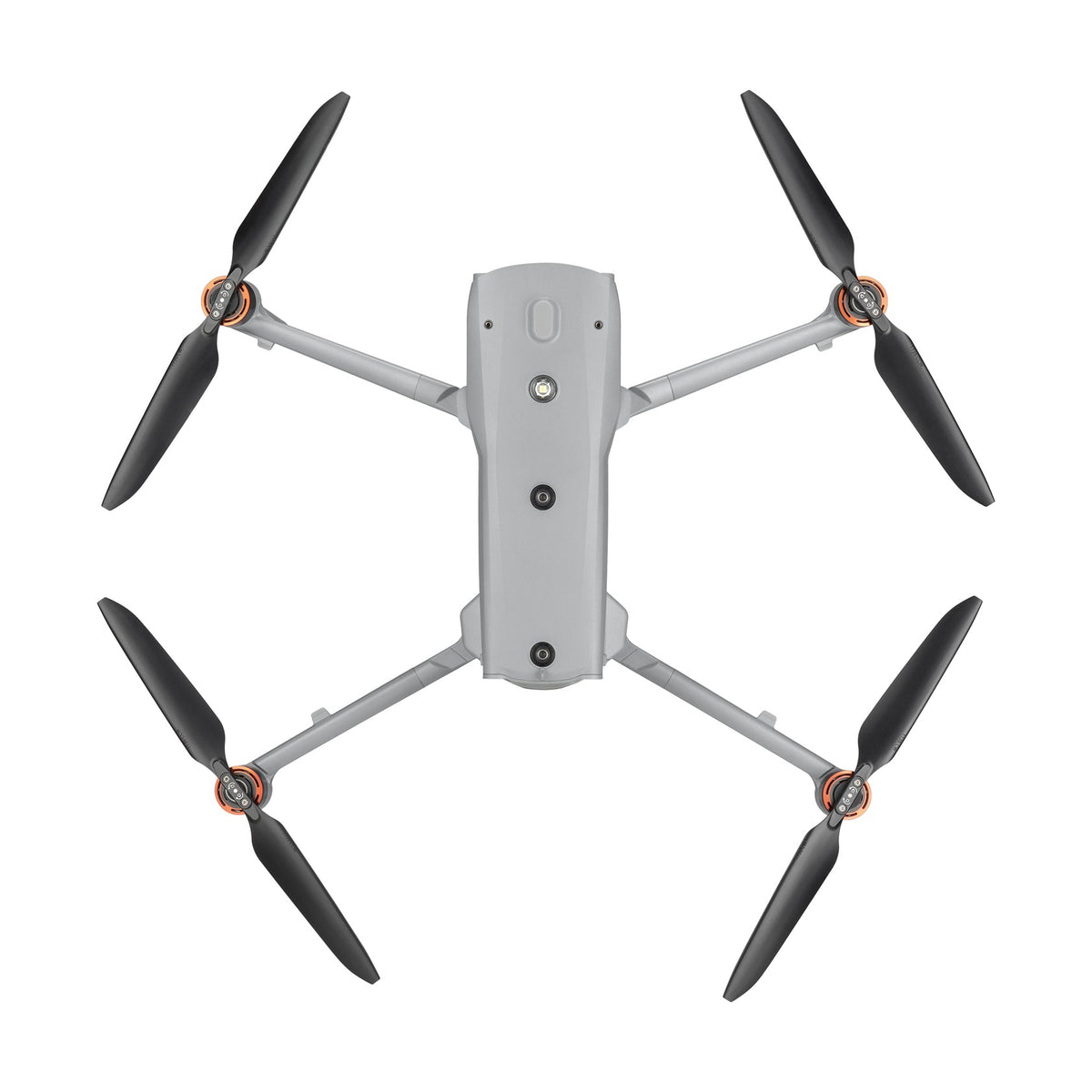
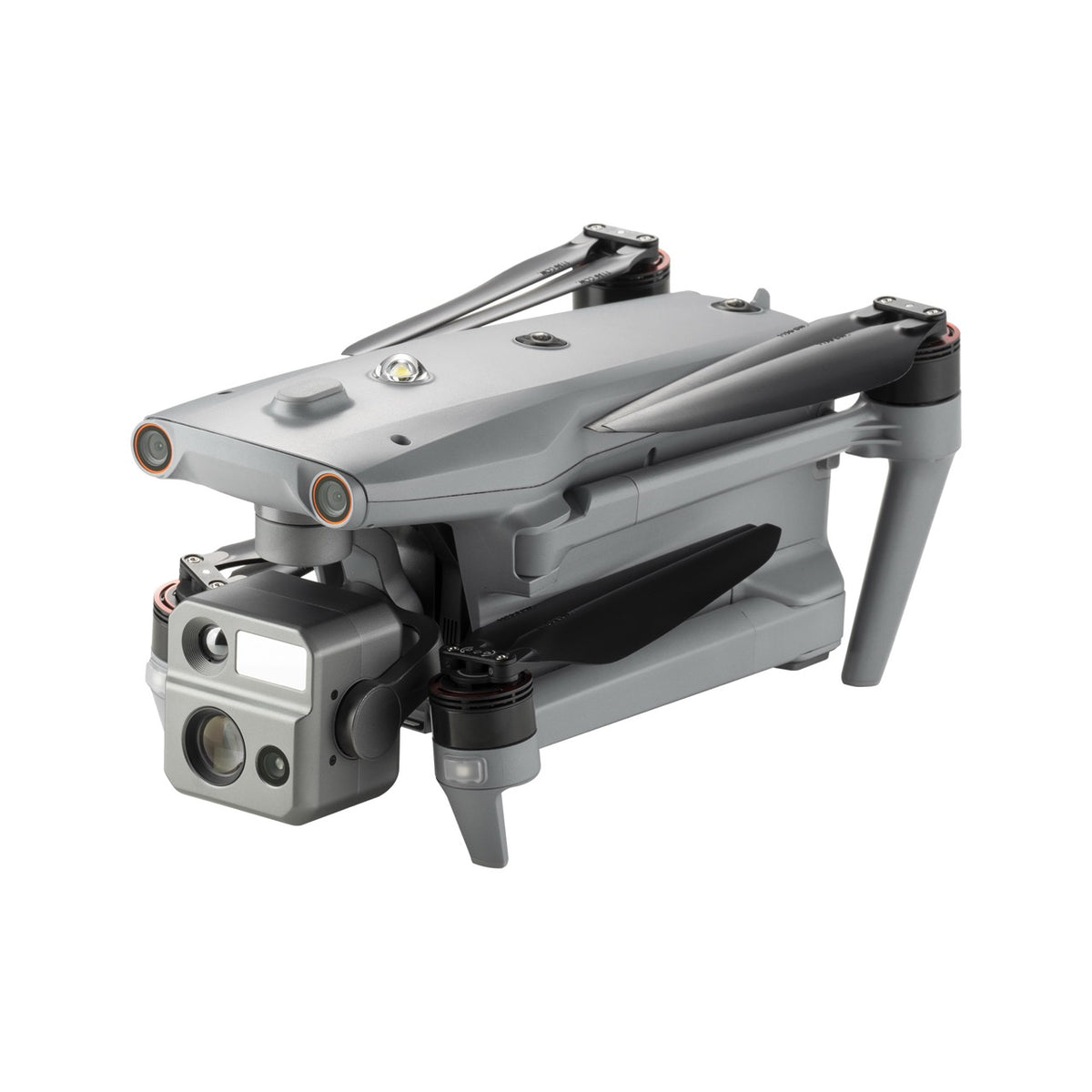
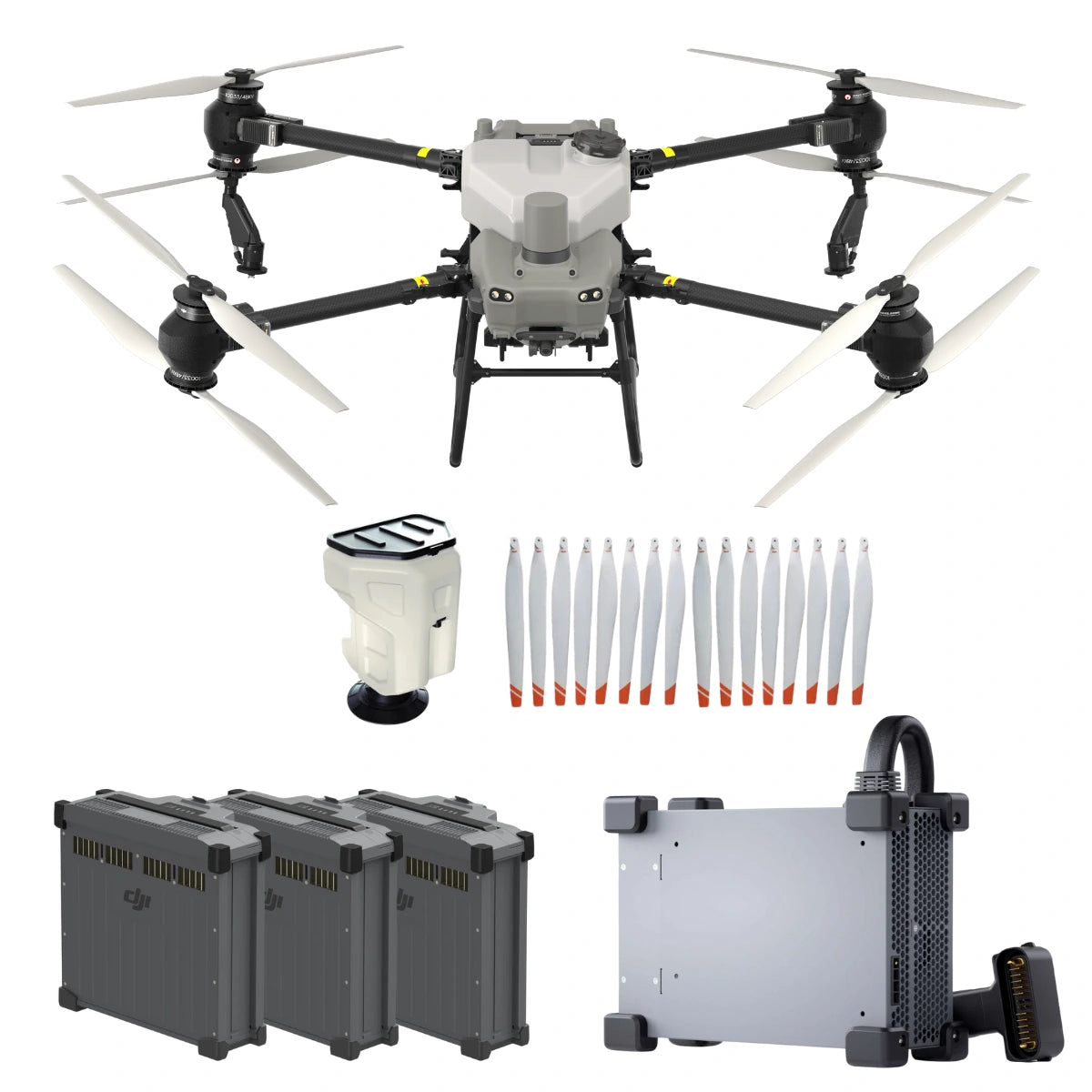
Drone accessories are the batteries, chargers, controllers, mounts, lights, speakers, parachutes, propellers, cases, and connectivity hardware that turn an aircraft into a working field system. This collection gathers accessories for enterprise, public safety, mapping, agriculture, and creator platforms from DJI, Autel, Freefly, Inspired Flight, WISPR, ACSL, and other manufacturers.
Most missions are won or lost on the gear around the drone. A spare battery rotation decides whether a search keeps going after the first pack runs low. A spotlight or speaker changes what a night operation can accomplish, and an RTK station decides whether survey data holds up. Choosing the right accessories keeps crews flying longer, safer, and with fewer surprises on site.
What Drone Accessories Add to an Aircraft in the Field
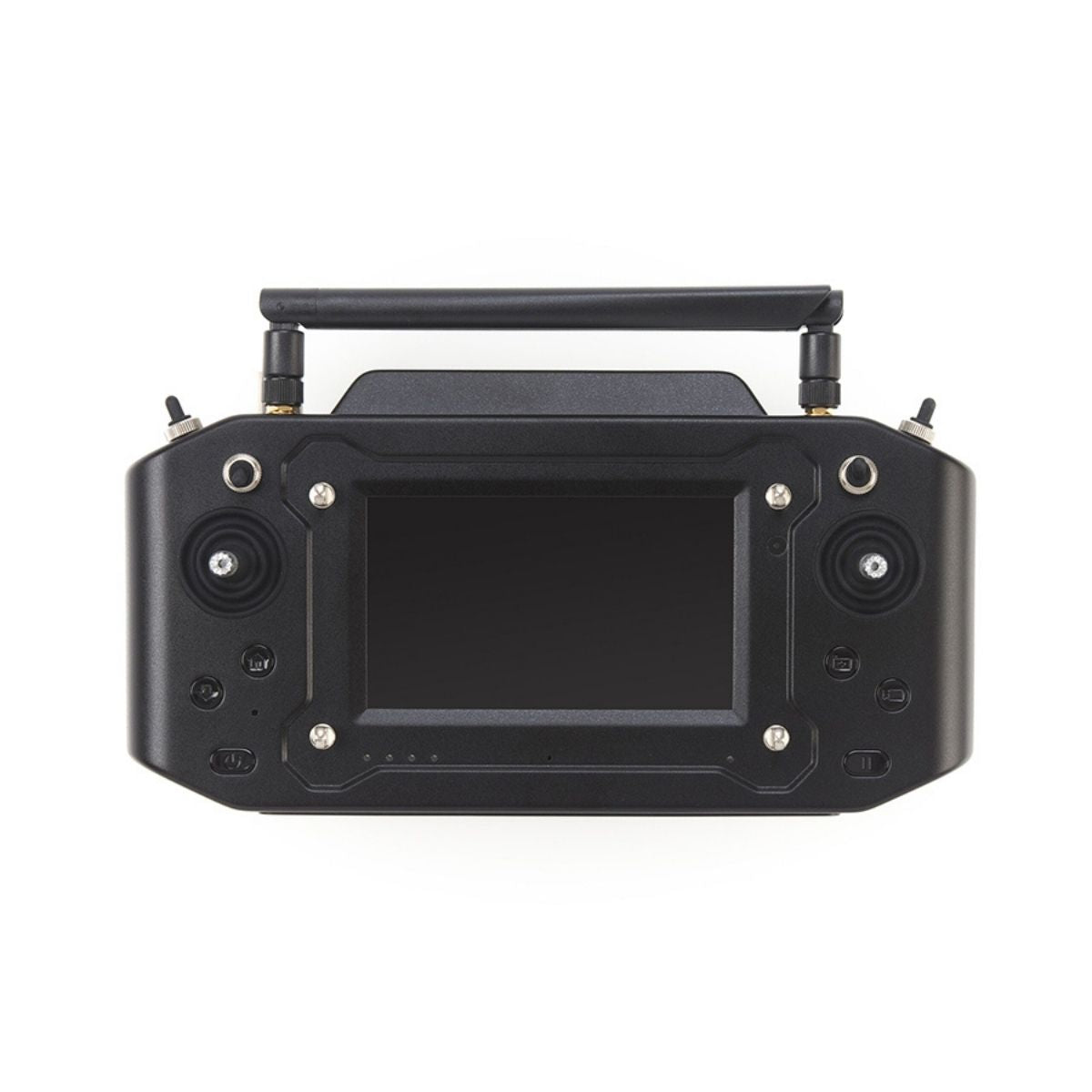
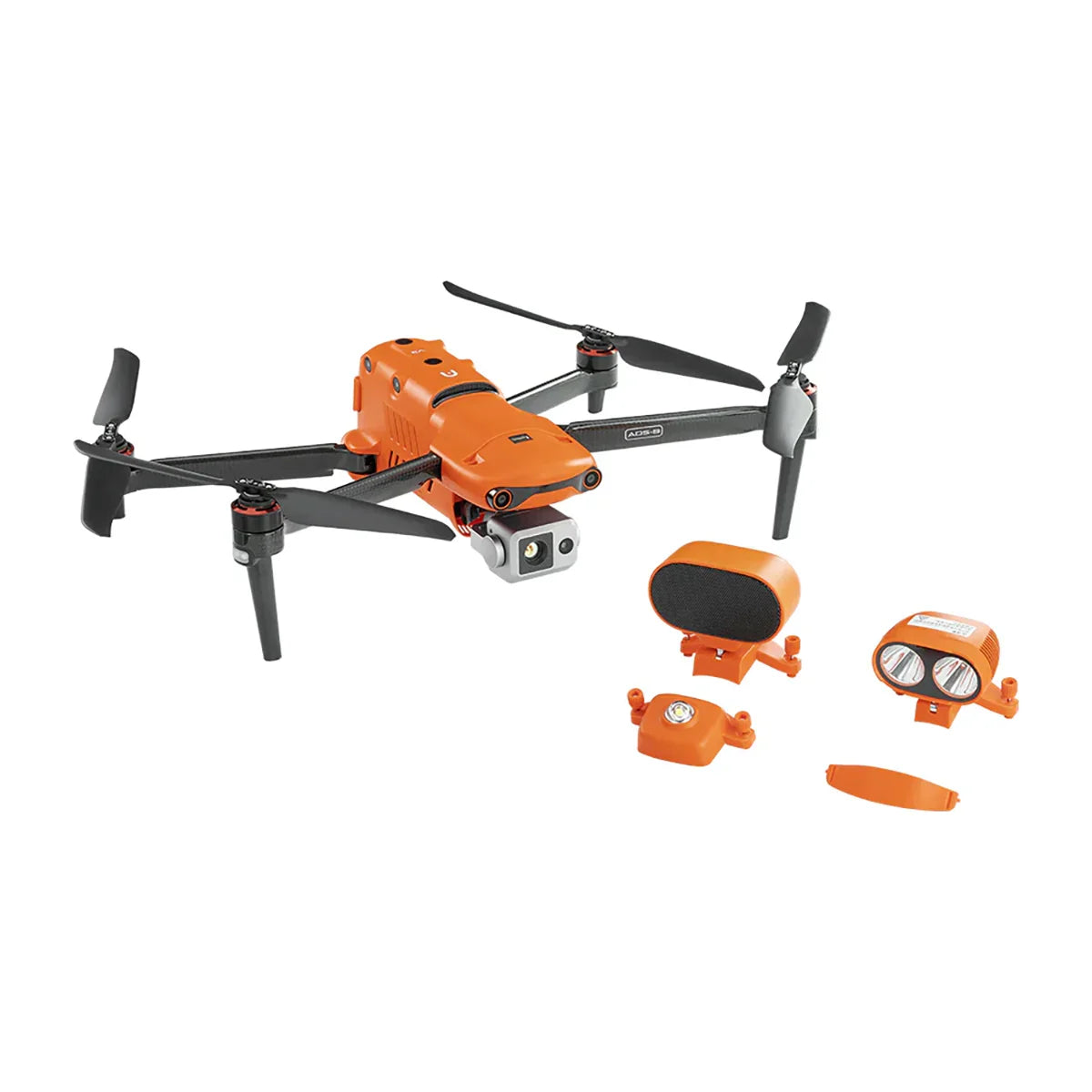
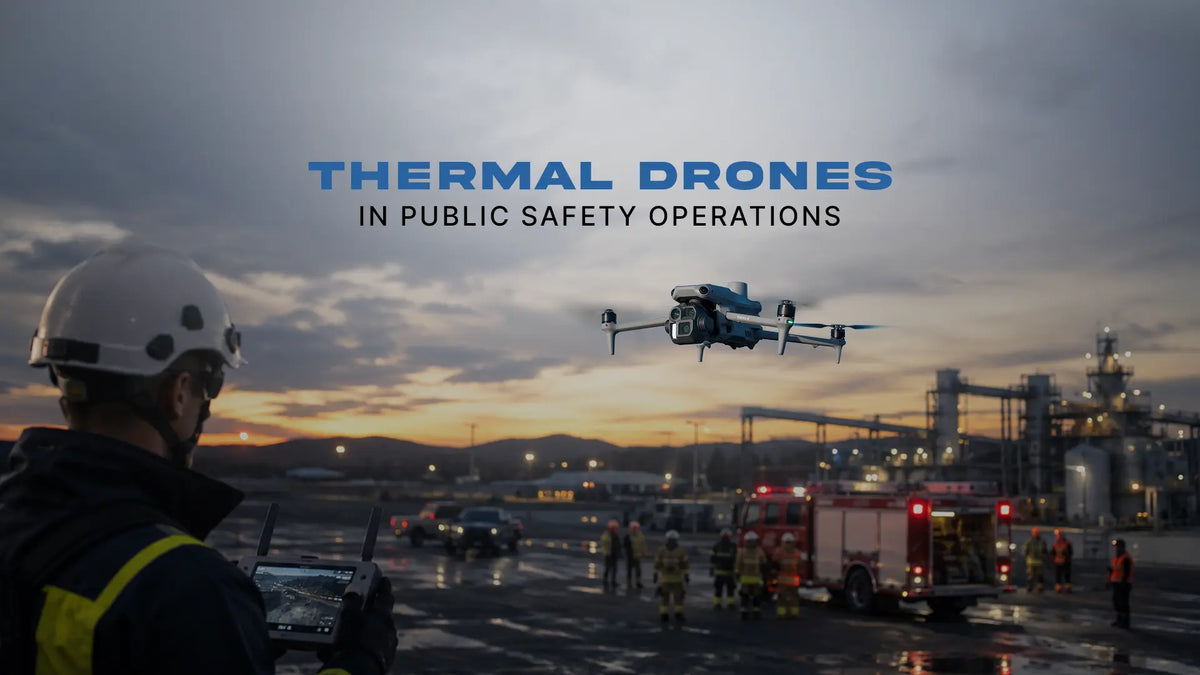
An aircraft ships with the basics needed to fly, but real operations quickly outgrow the box. Extra flight batteries and multi-bay charging stations stretch a single launch into a full shift of sorties. Remote controllers and monitors give pilots and observers a clearer view of the live feed in bright sun. Mountable spotlights and speakers let public safety teams illuminate a scene and broadcast instructions from the air. Parachute systems add a recovery layer for flights near people and property. RTK base stations and cellular dongles tighten positioning and keep the link alive in difficult terrain. Propellers, mounts, cables, and gimbal parts handle the wear that comes with frequent deployment, while hard cases protect the whole kit in transit. Each accessory is built for a specific platform or mounting standard, so the right choice always starts with the aircraft you already fly.
Accessory Categories and Brands Stocked at DSLRPros
- Flight batteries and charging: intelligent batteries, battery stations, and multi-channel chargers from DJI, Autel, Freefly, Inspired Flight, and dedicated charging brands.
- Remote controllers and monitors: smart controllers, ground stations, and high-brightness displays matched to specific aircraft families.
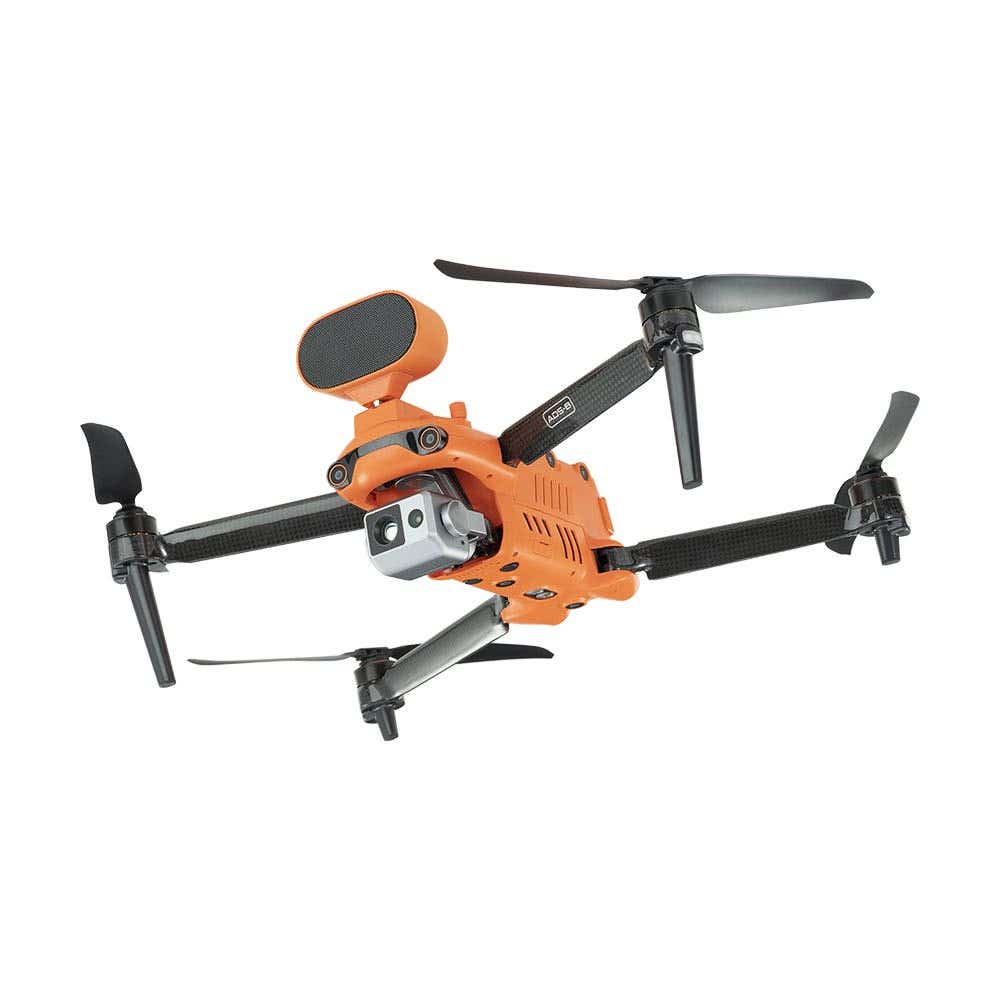
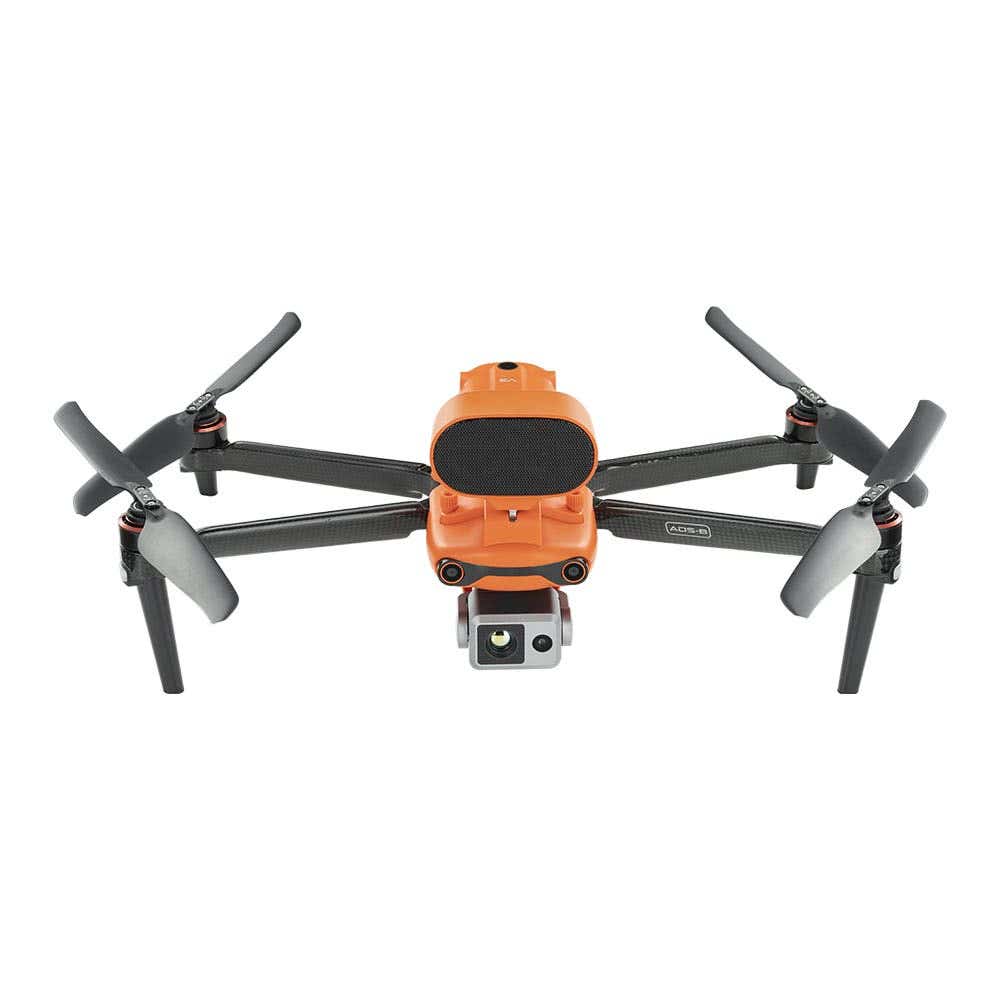
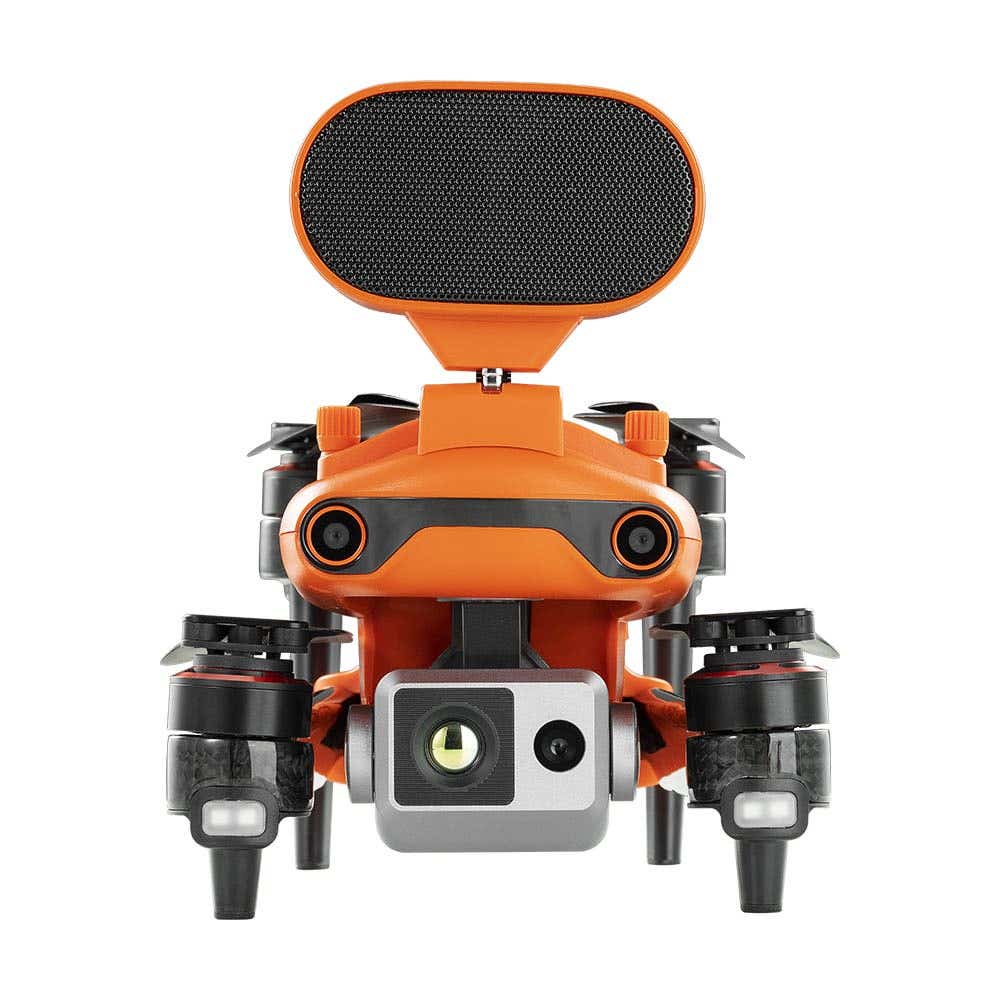
- Lights and speakers: drone-mounted spotlights and loudspeakers from DJI, FoxFury, and other makers for night work and public address.
- Parachute systems: aircraft-specific recovery systems from DJI, AVSS, and other suppliers for added flight safety.
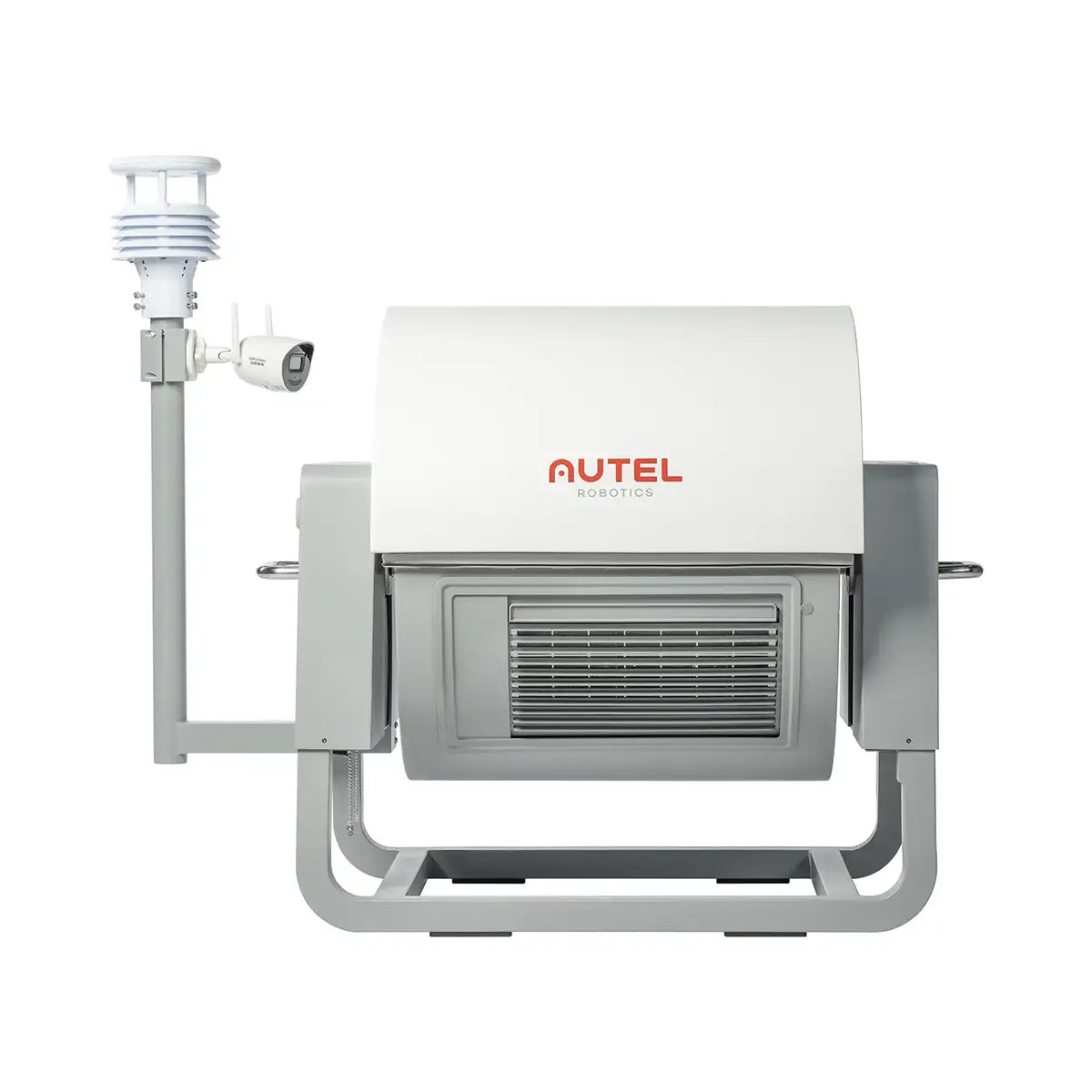
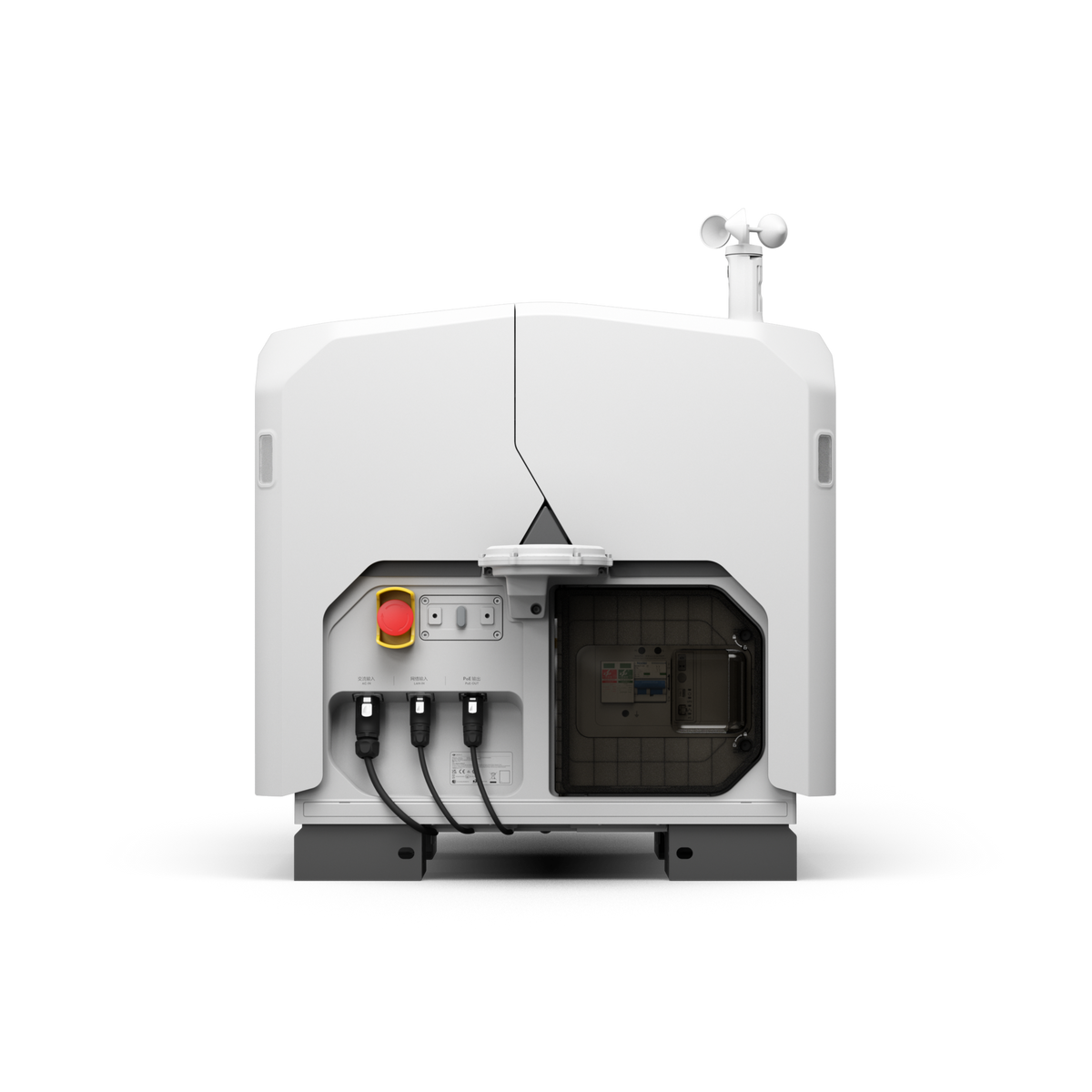
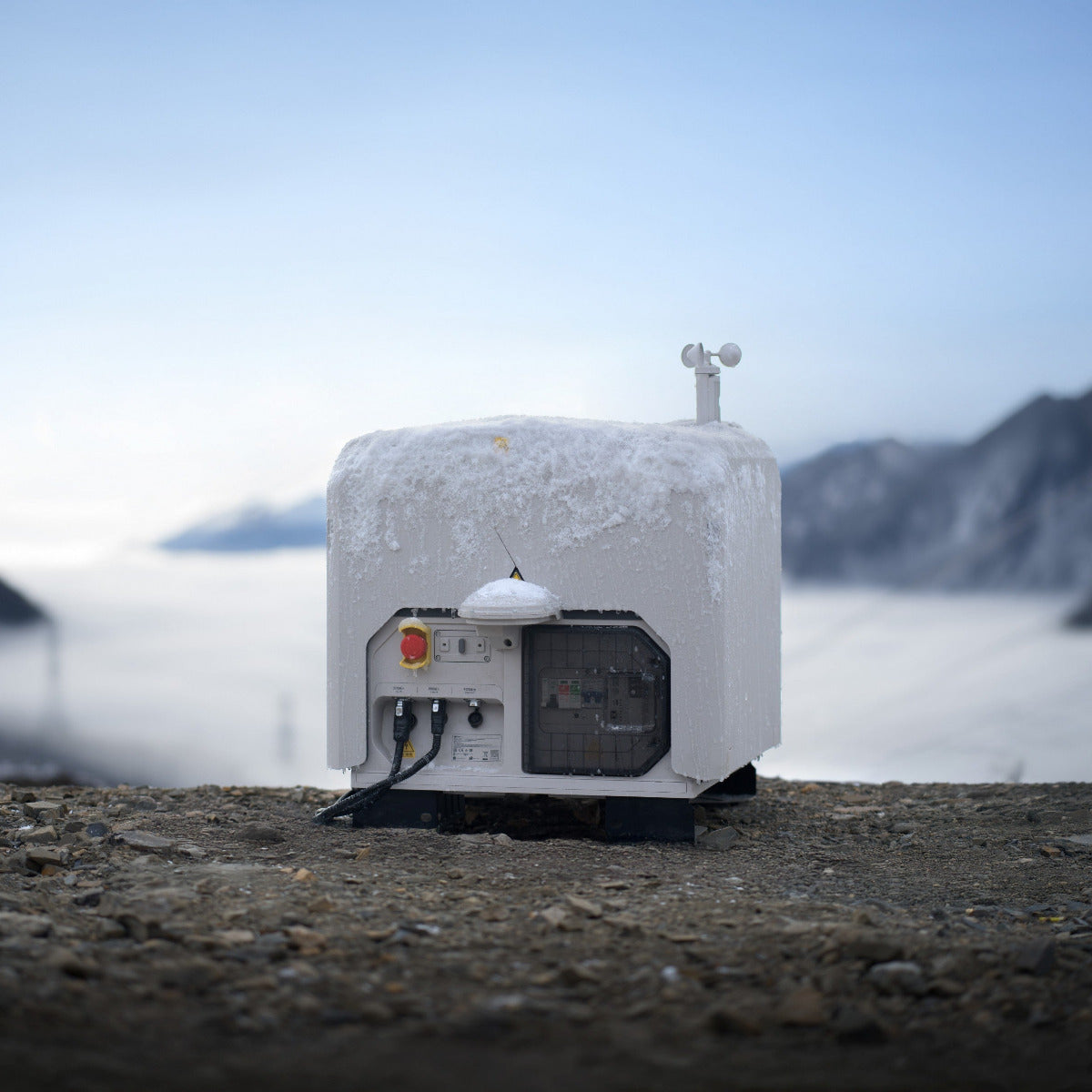
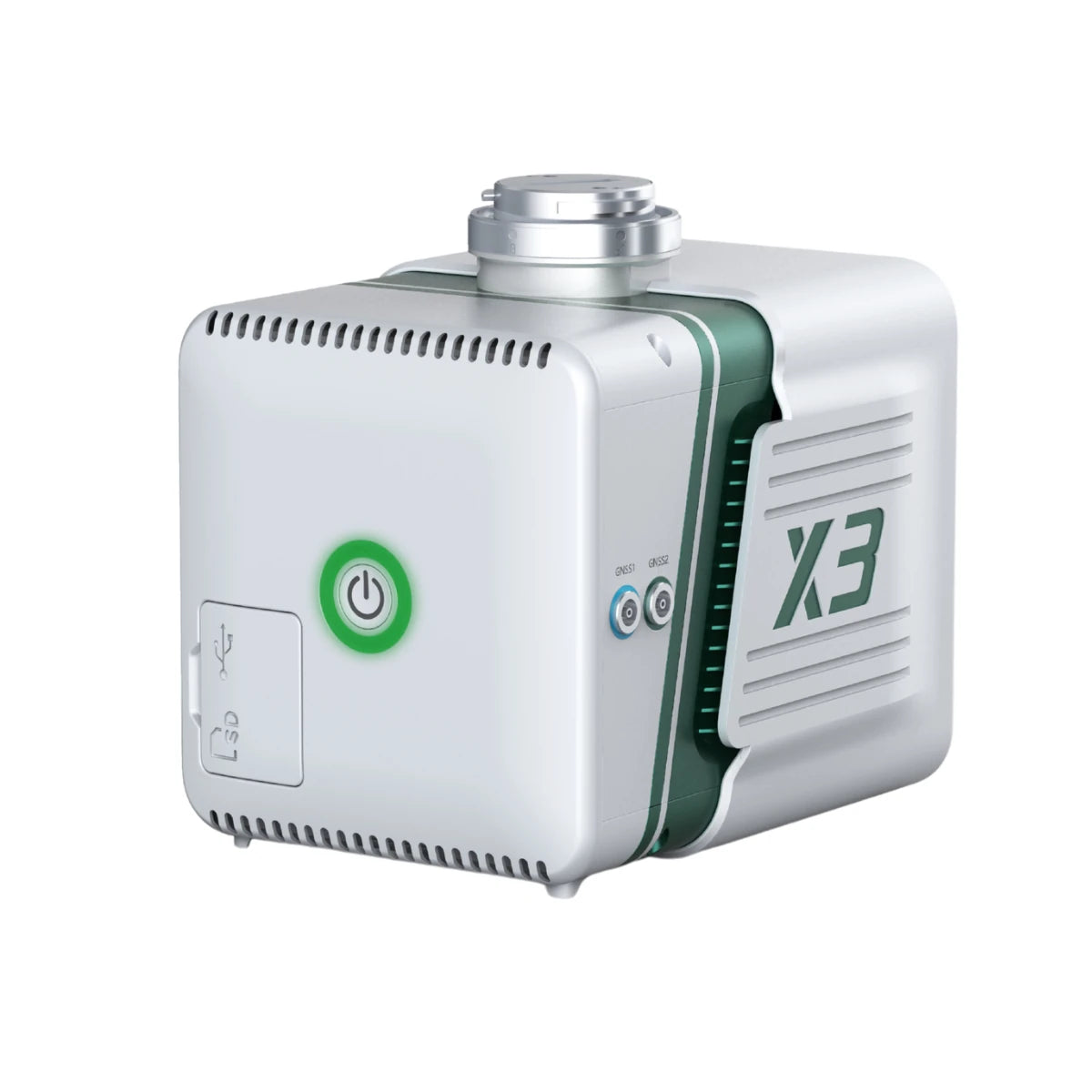
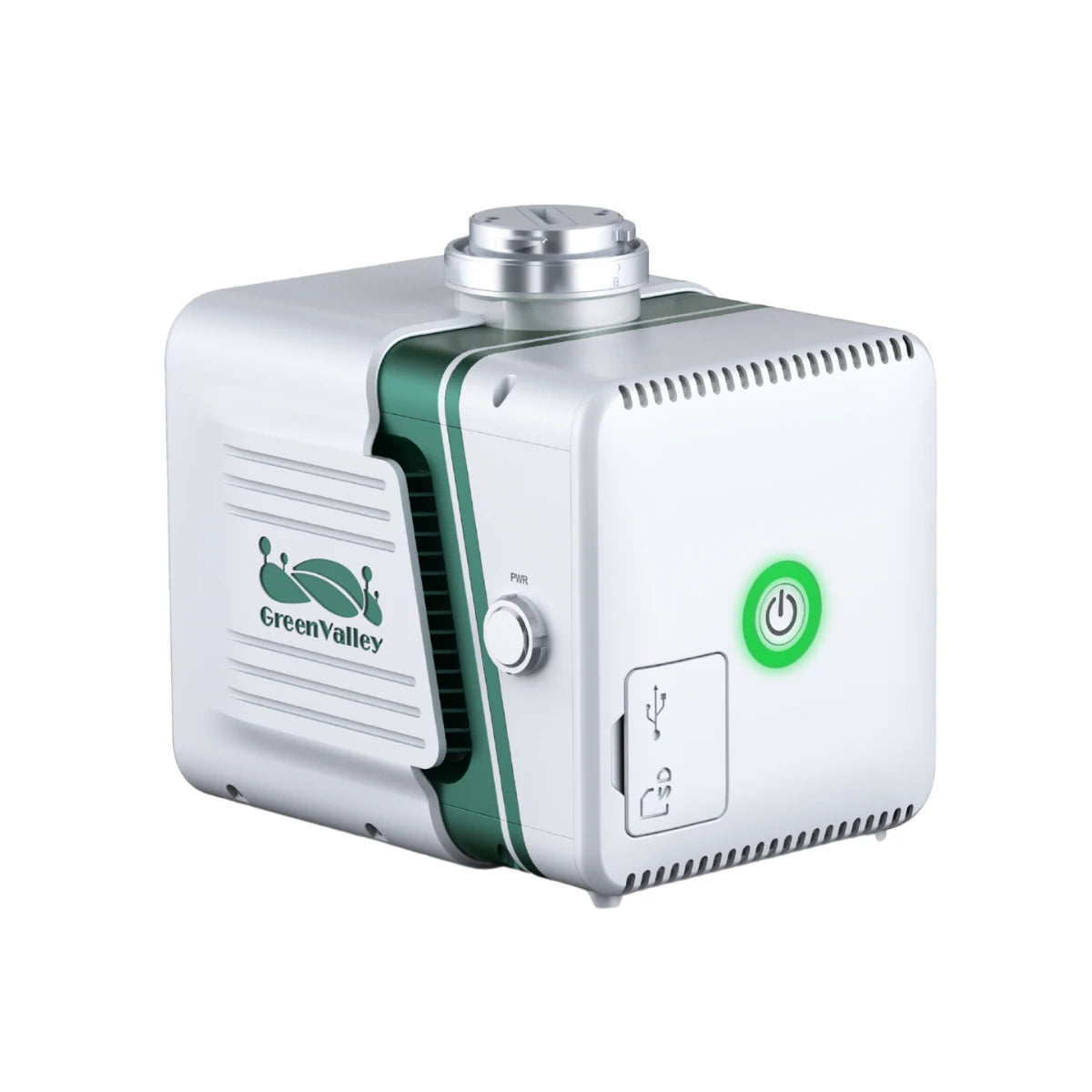
- Navigation, RTK, and connectivity: RTK stations, GNSS modules, and cellular dongles that sharpen positioning and extend the control link.
- Propellers and replacement parts: OEM propellers, gimbal components, and aircraft parts that keep platforms in service between repairs.
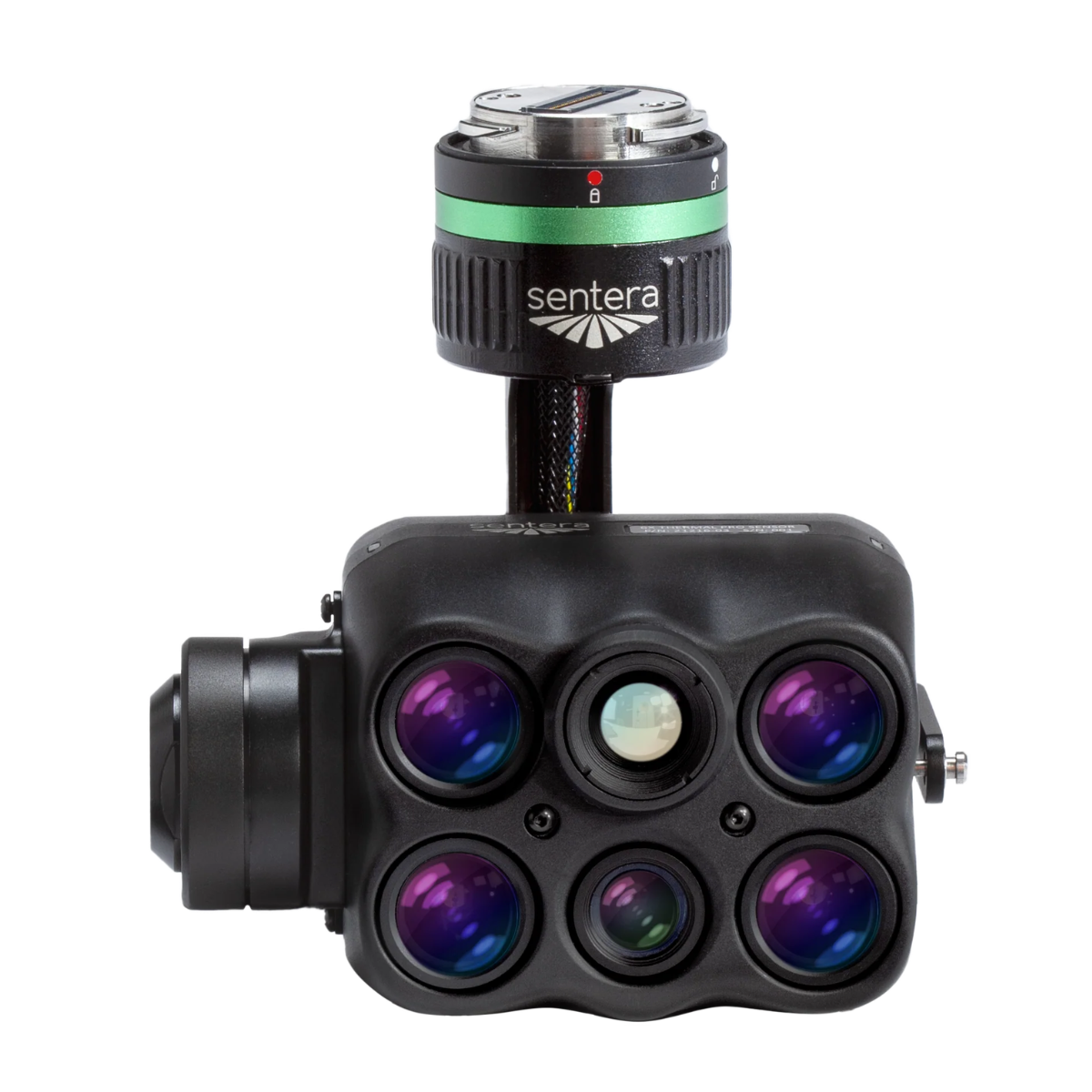
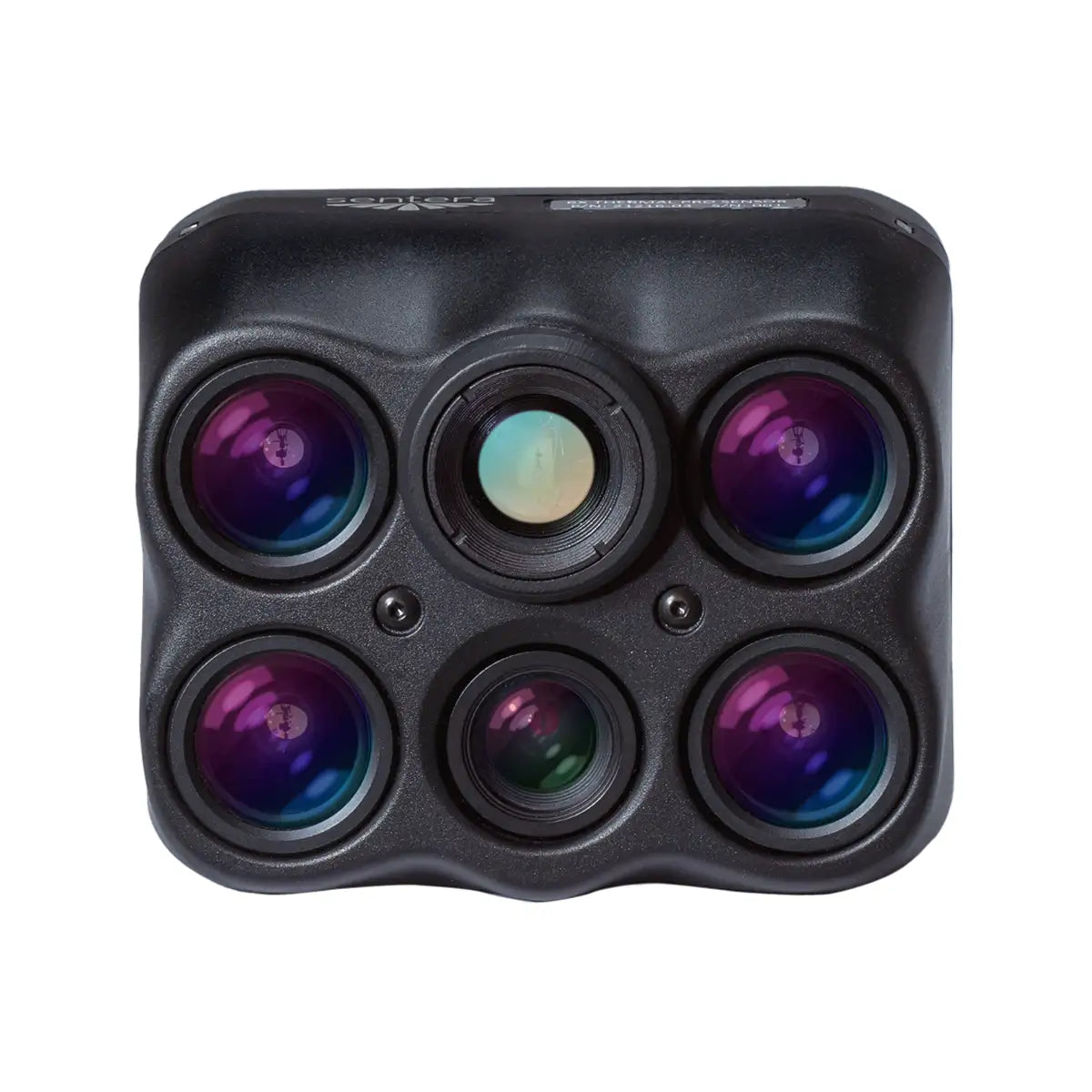
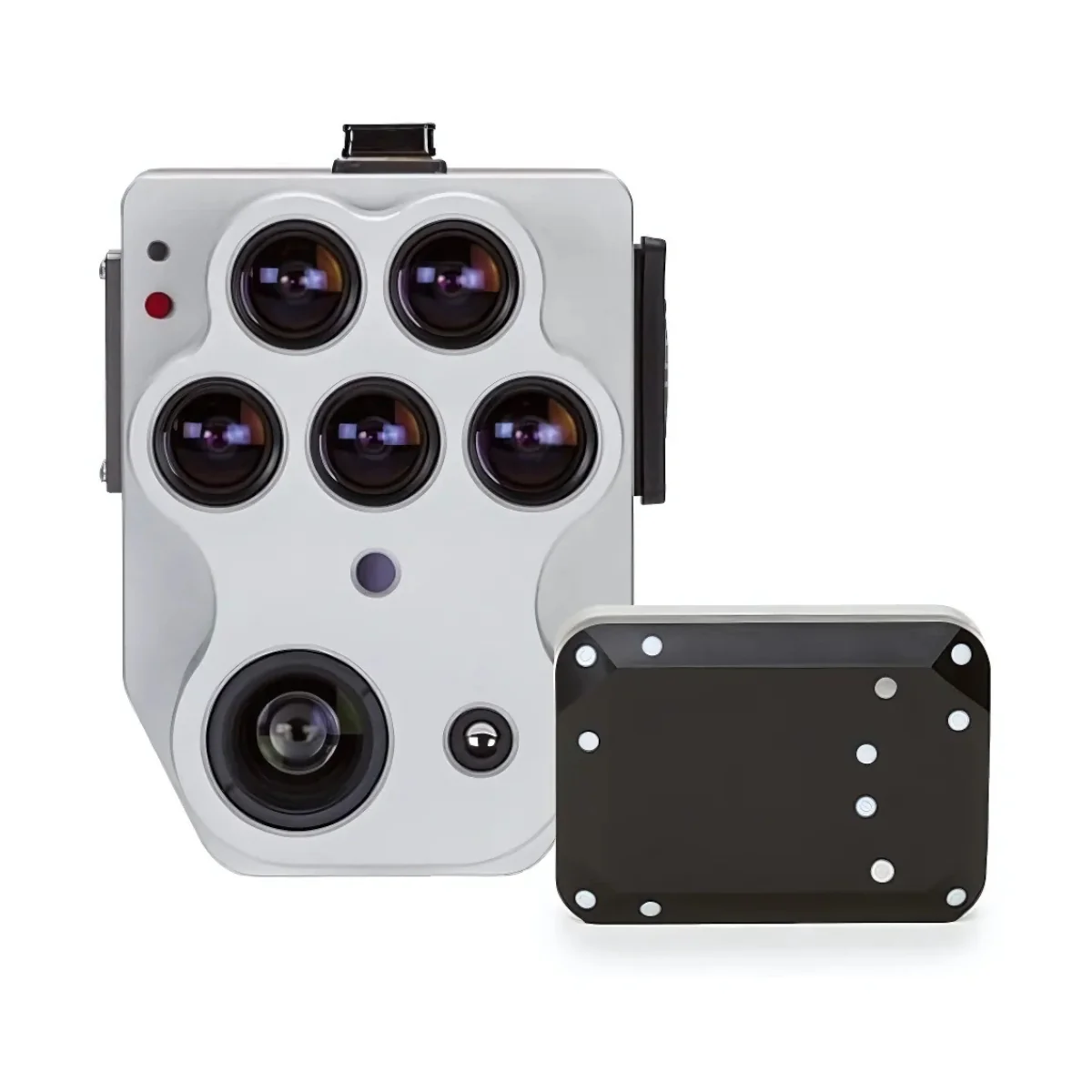
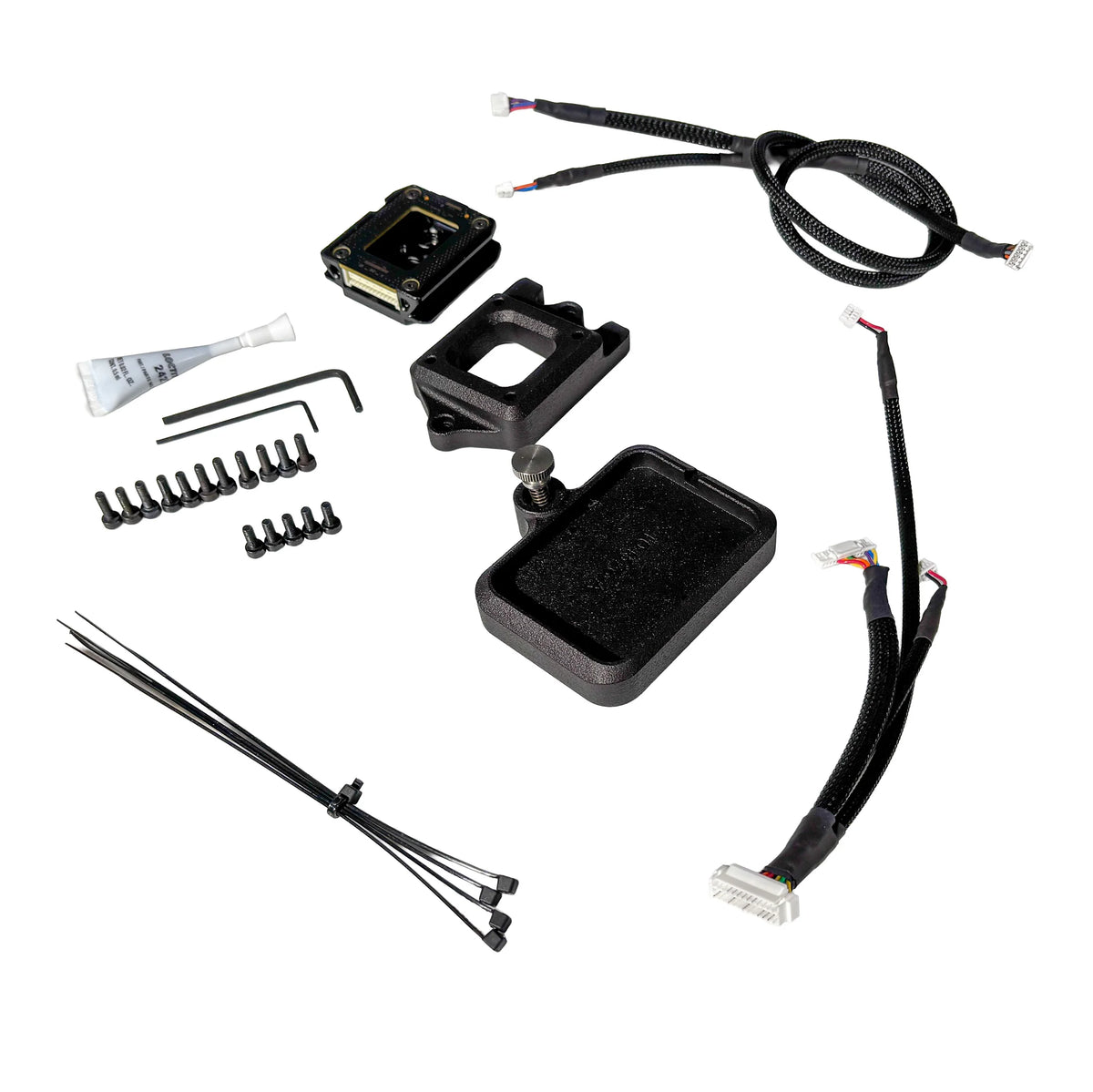
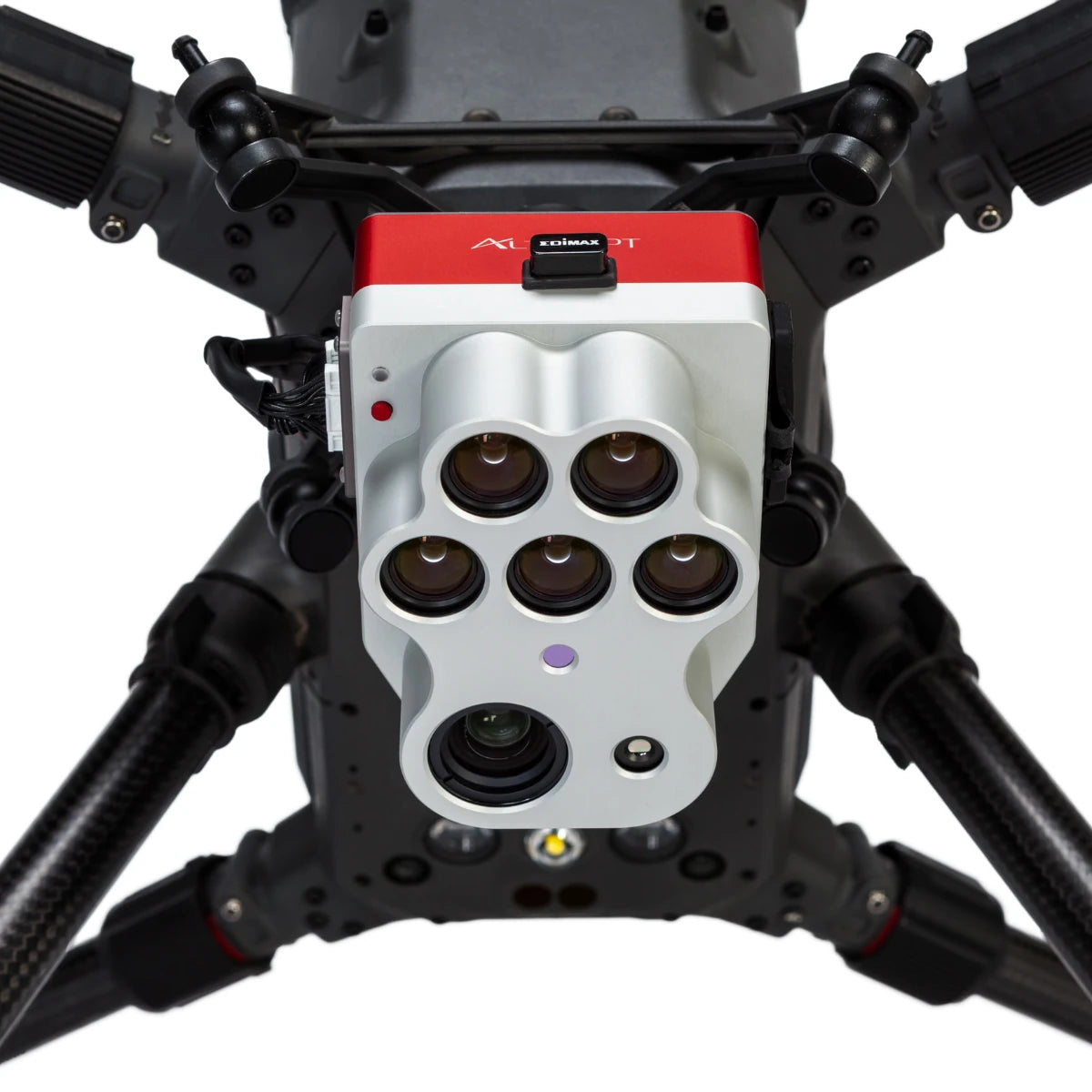
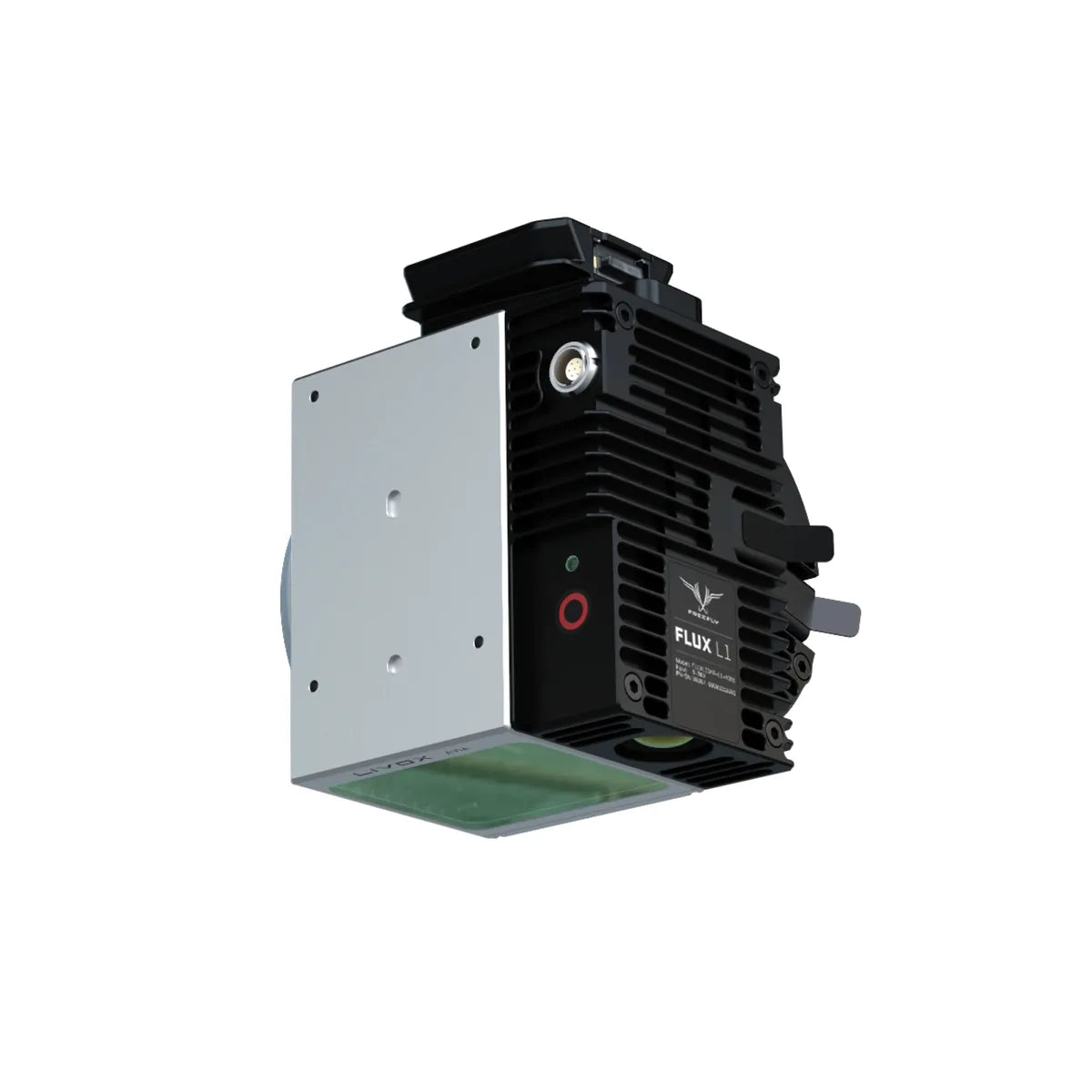
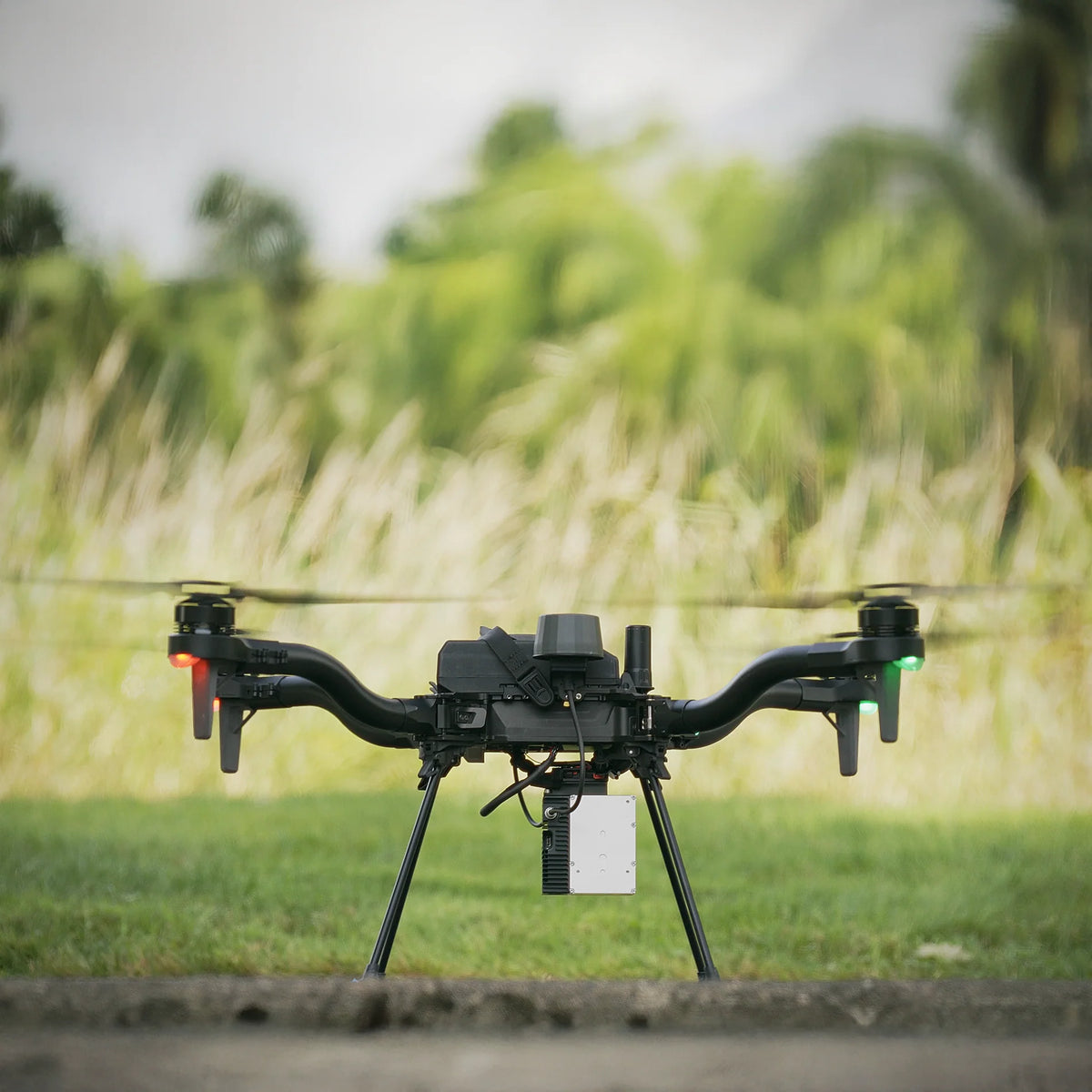
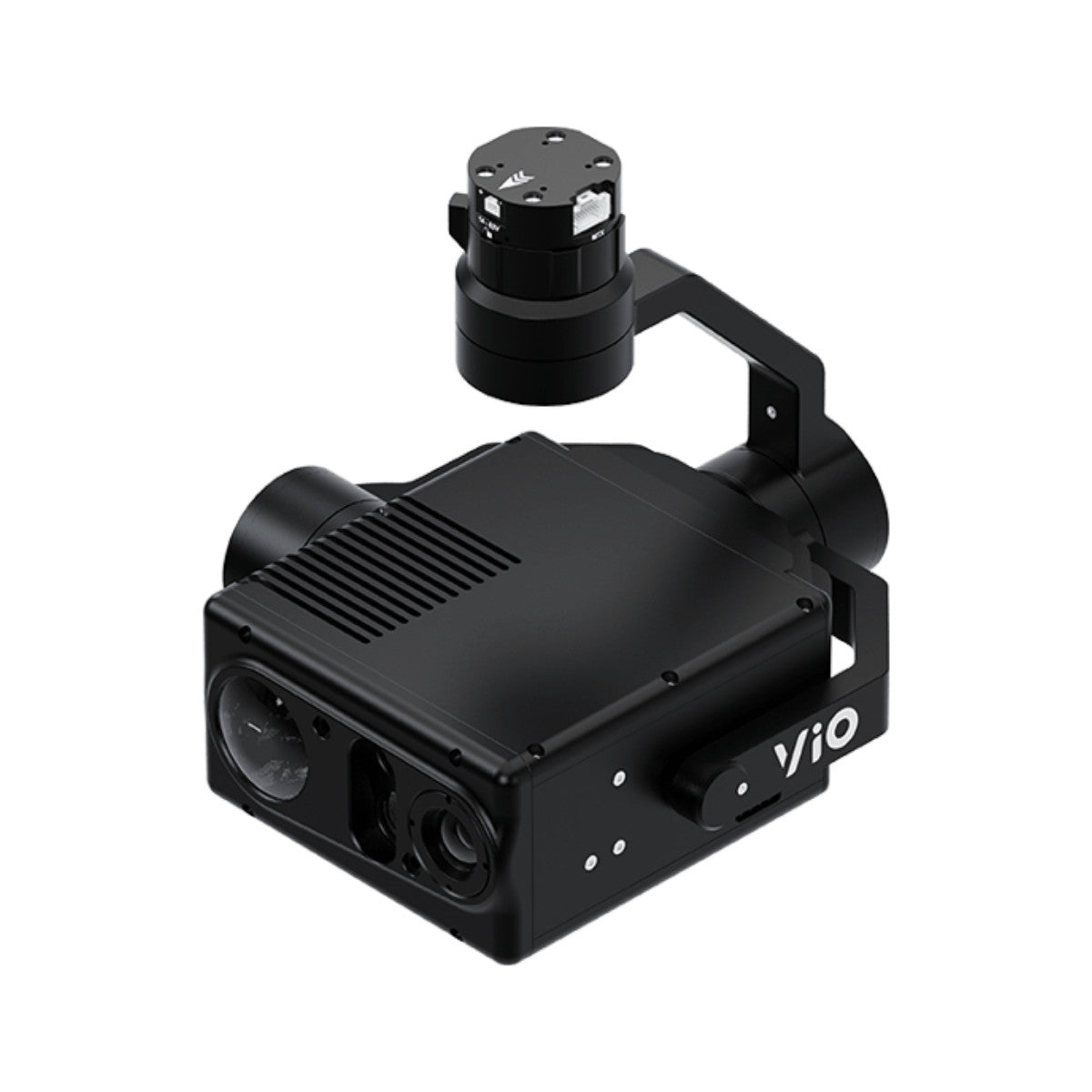
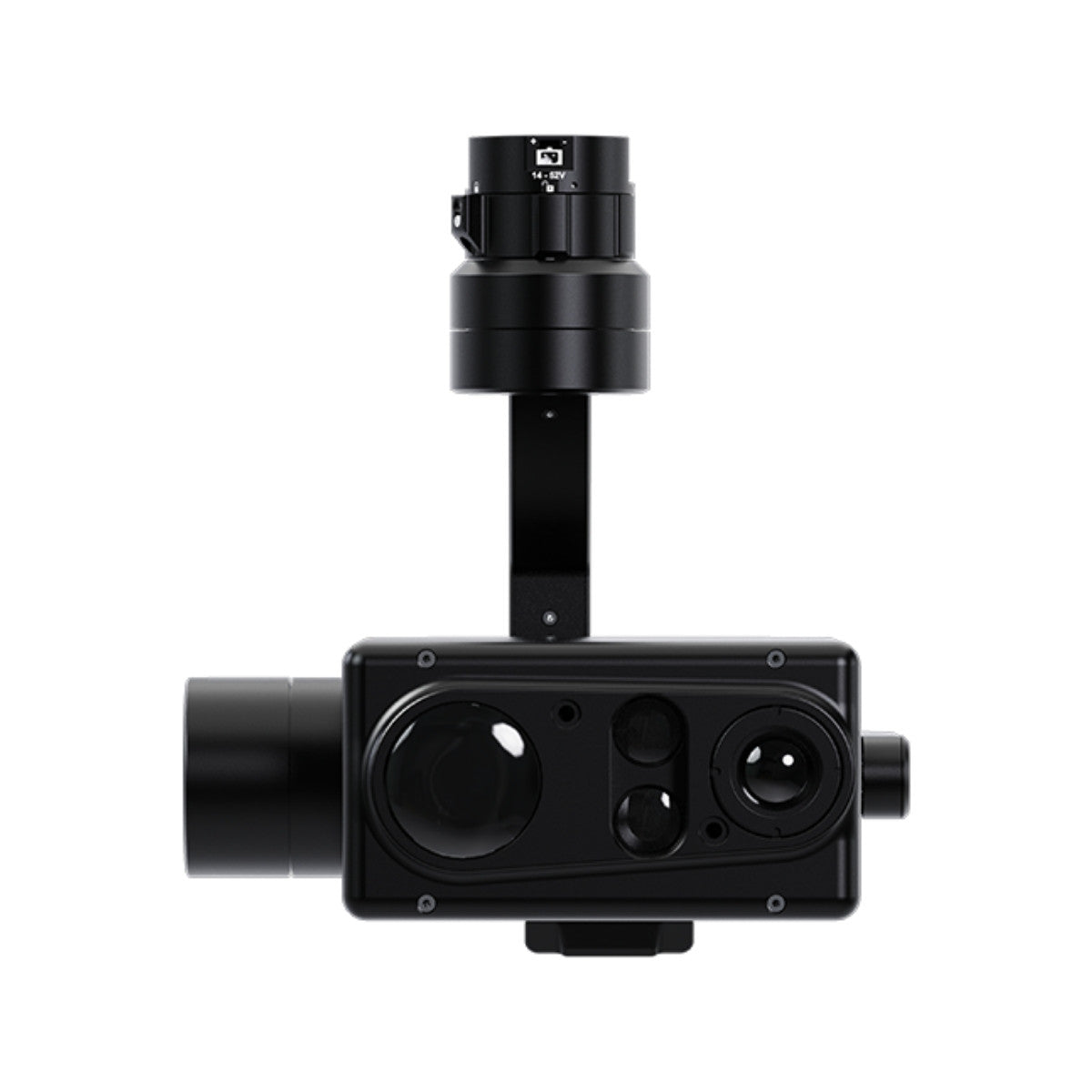
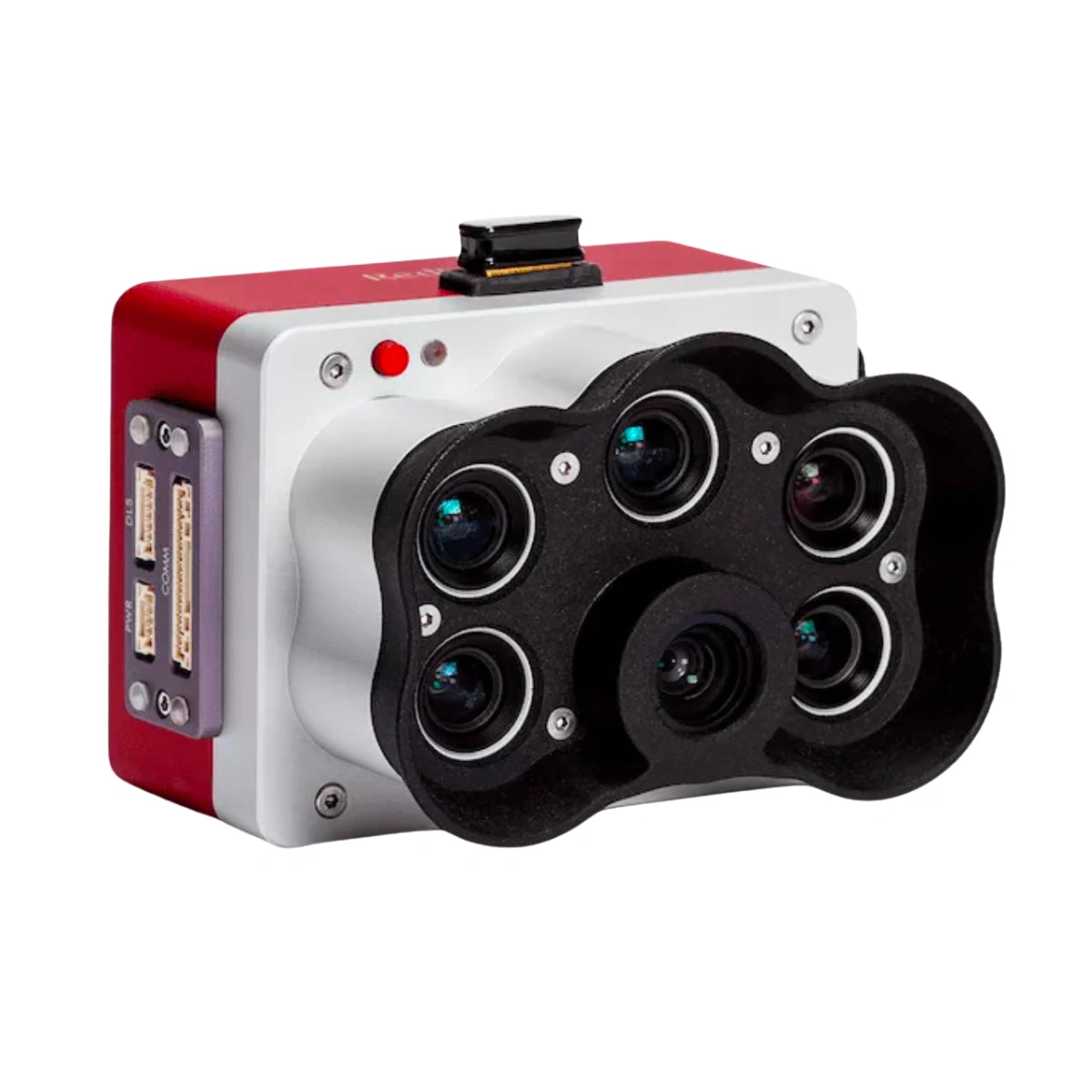
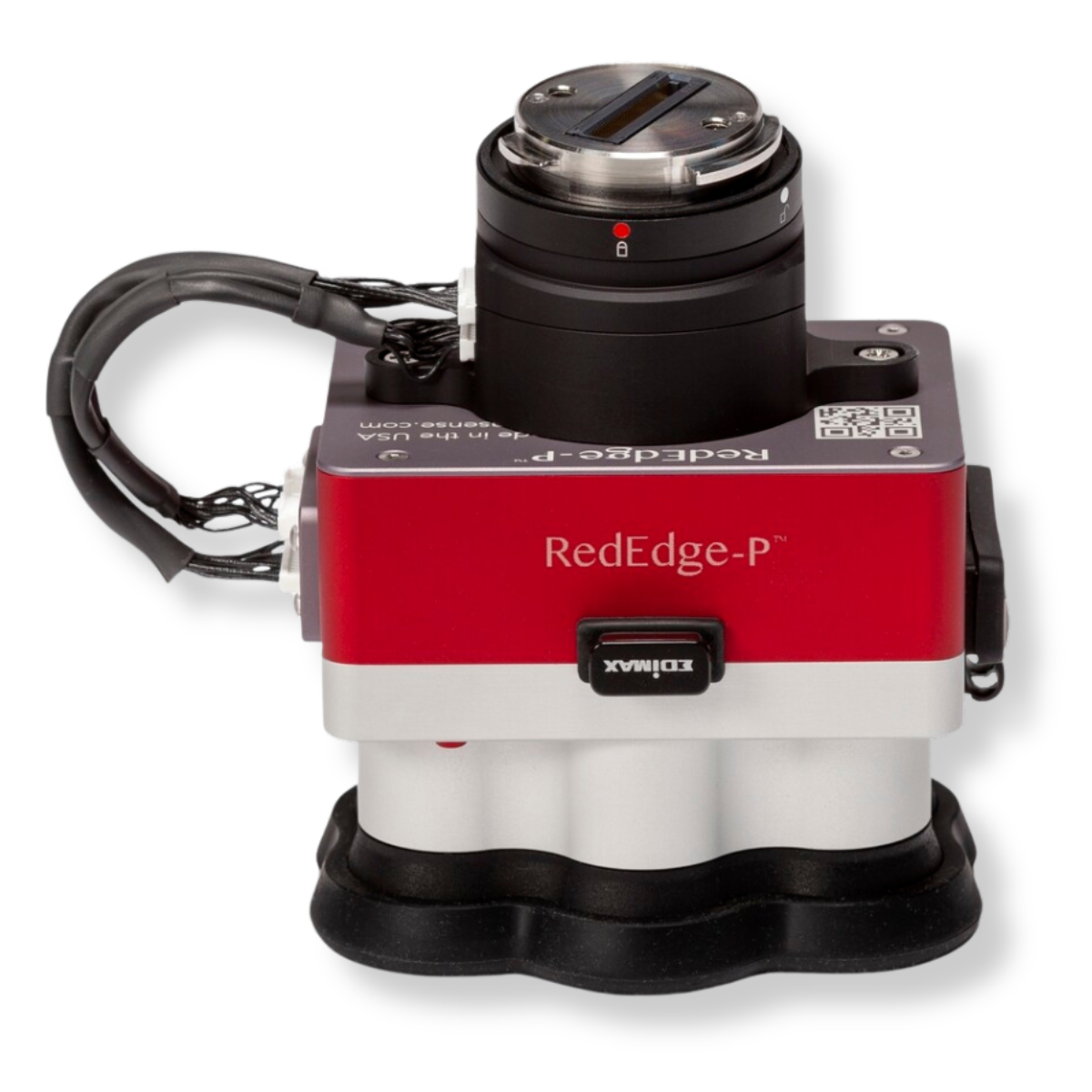
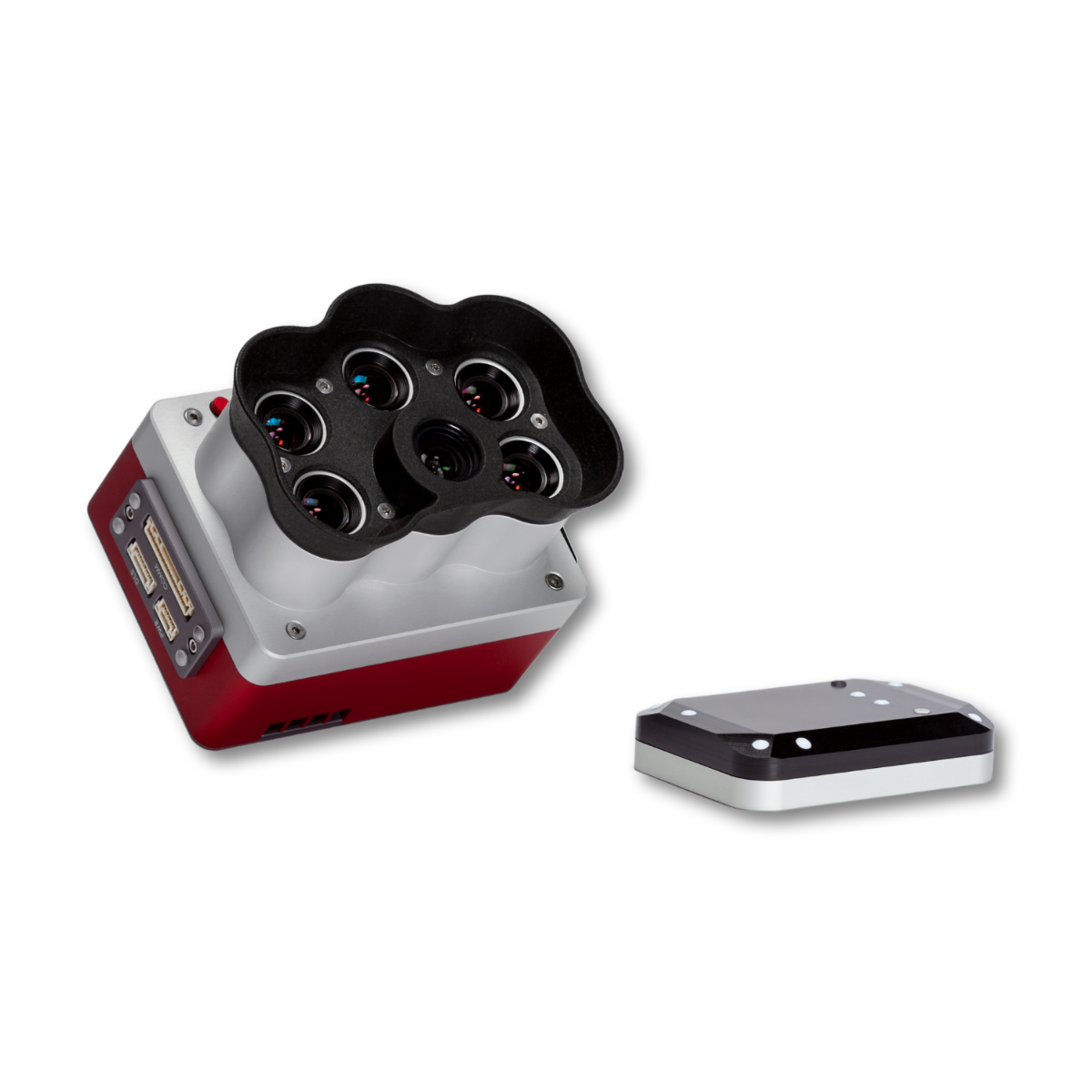
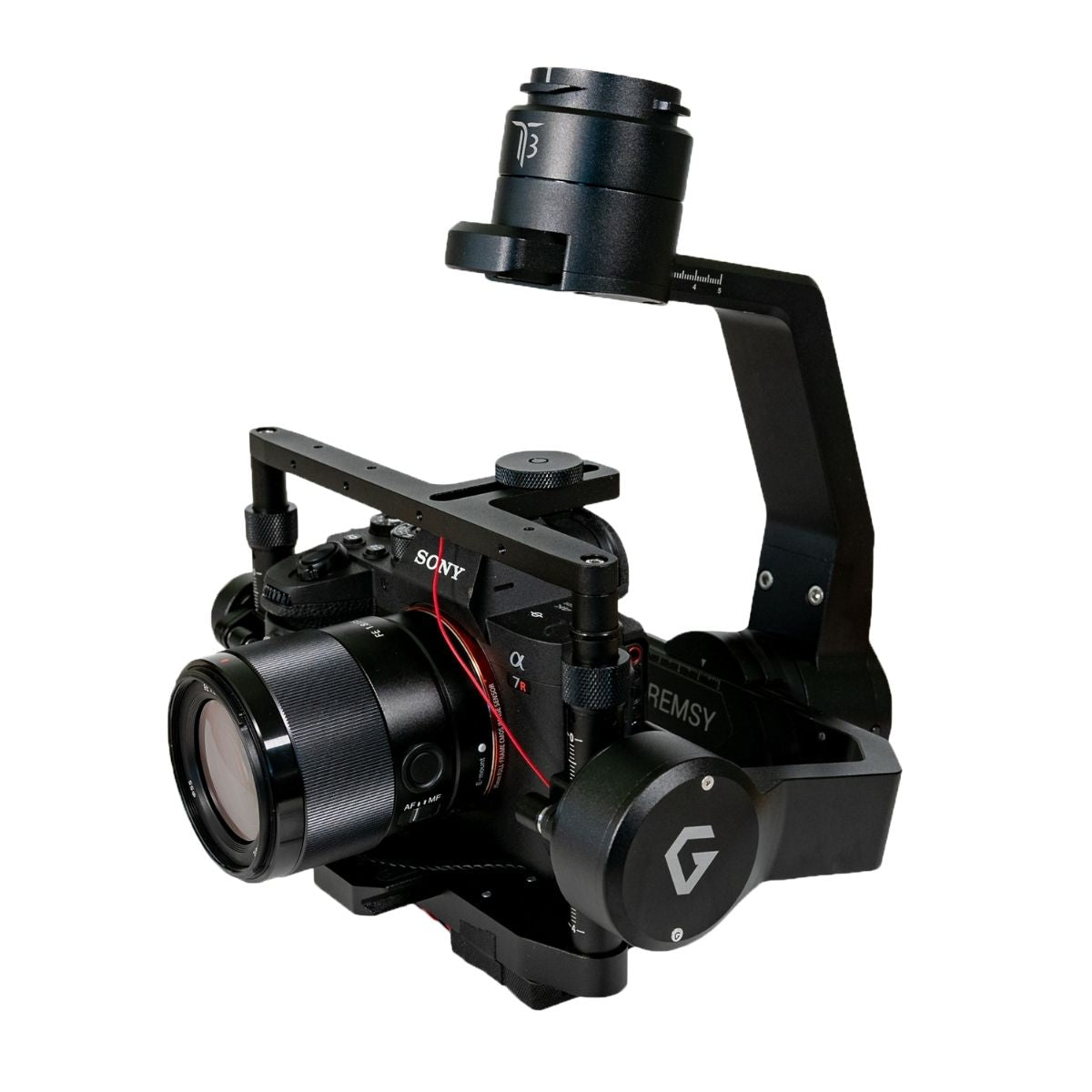
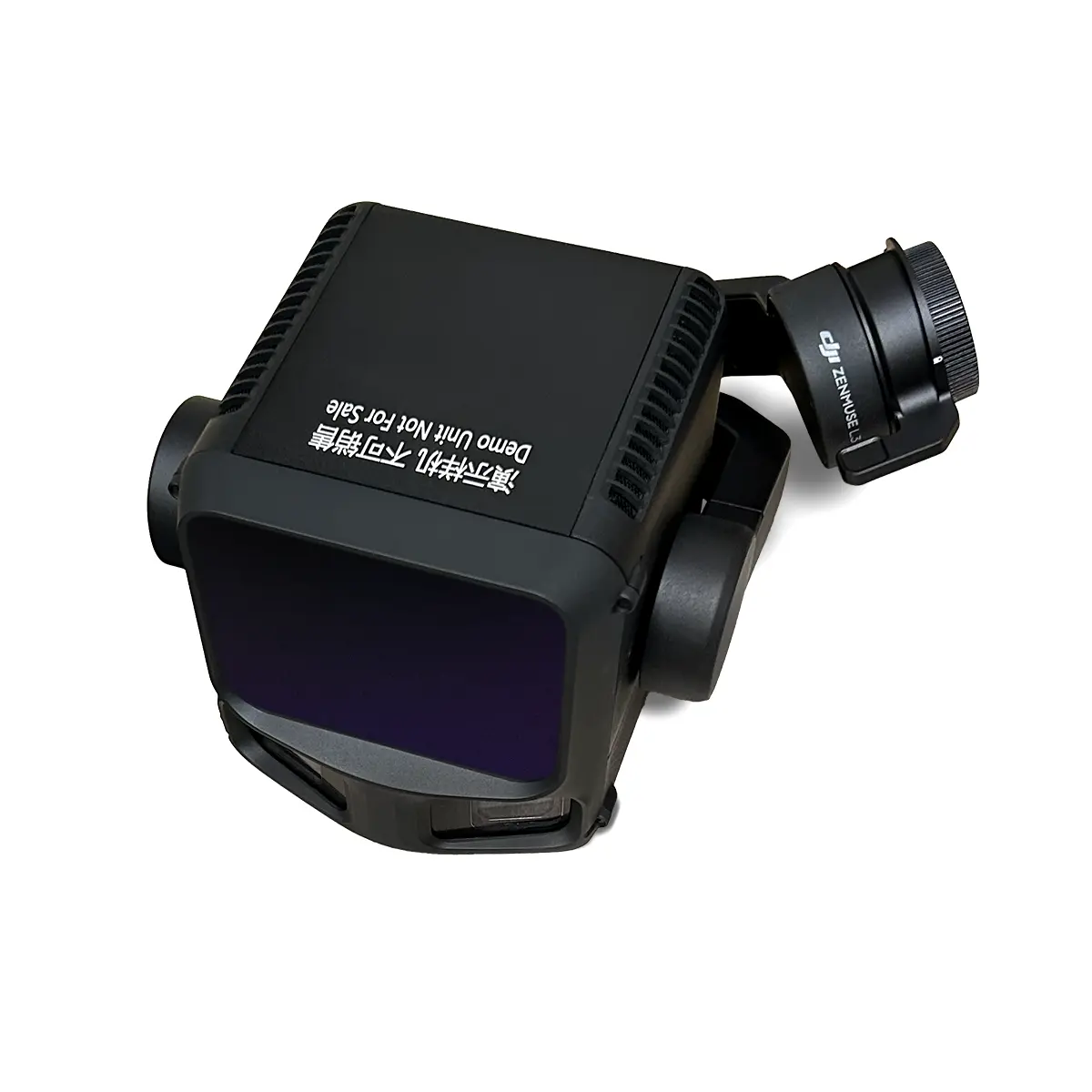
- Mounts, rails, and interfaces: brackets, quick-release adapters, and integration kits for attaching cameras and sensors to compatible airframes.
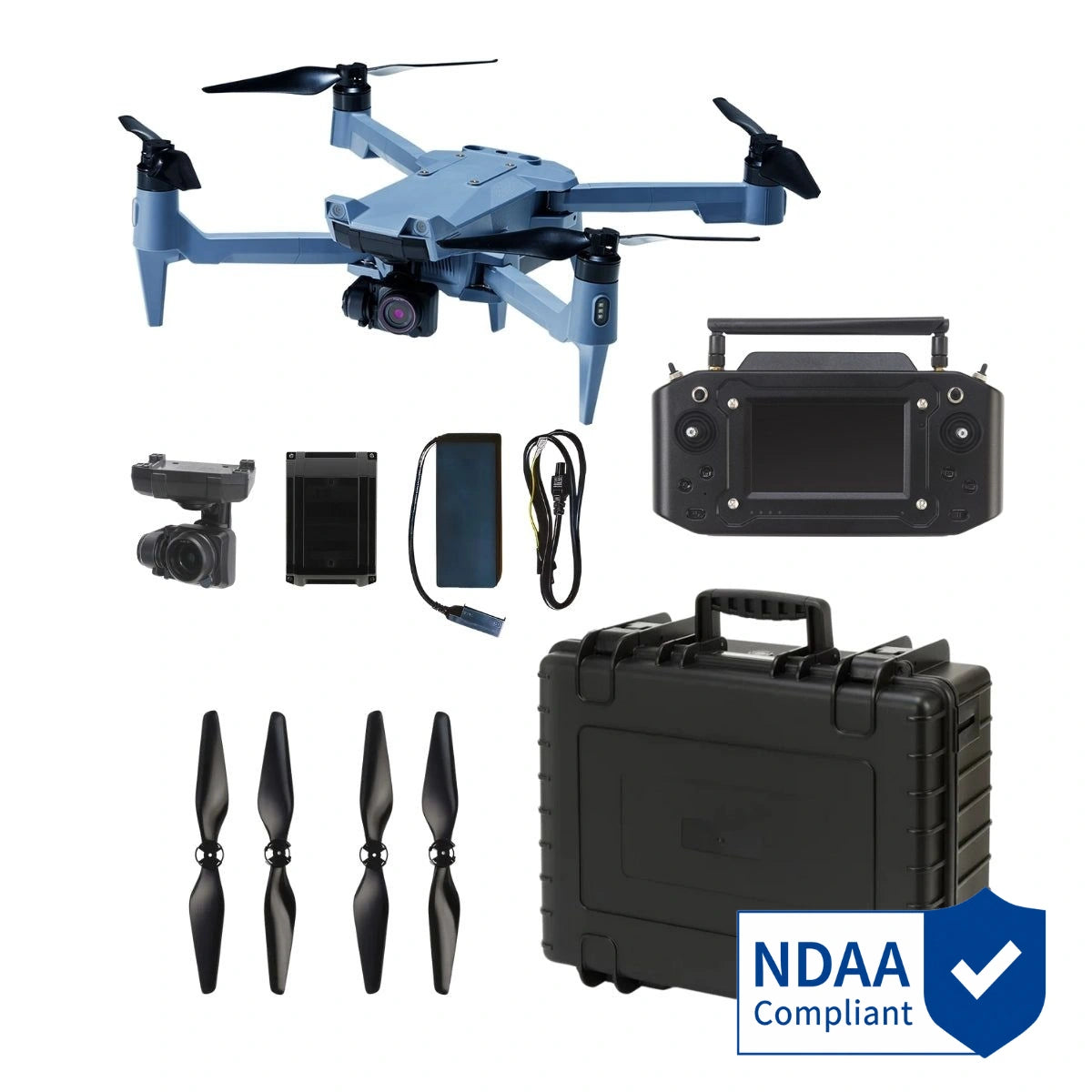
- Cases, bags, and accessory kits: hard cases, backpacks, and bundled kits that organize and protect aircraft and support gear.
- Cables, storage, and filters: connection cables, memory cards, and lens filters that support data capture and offload.
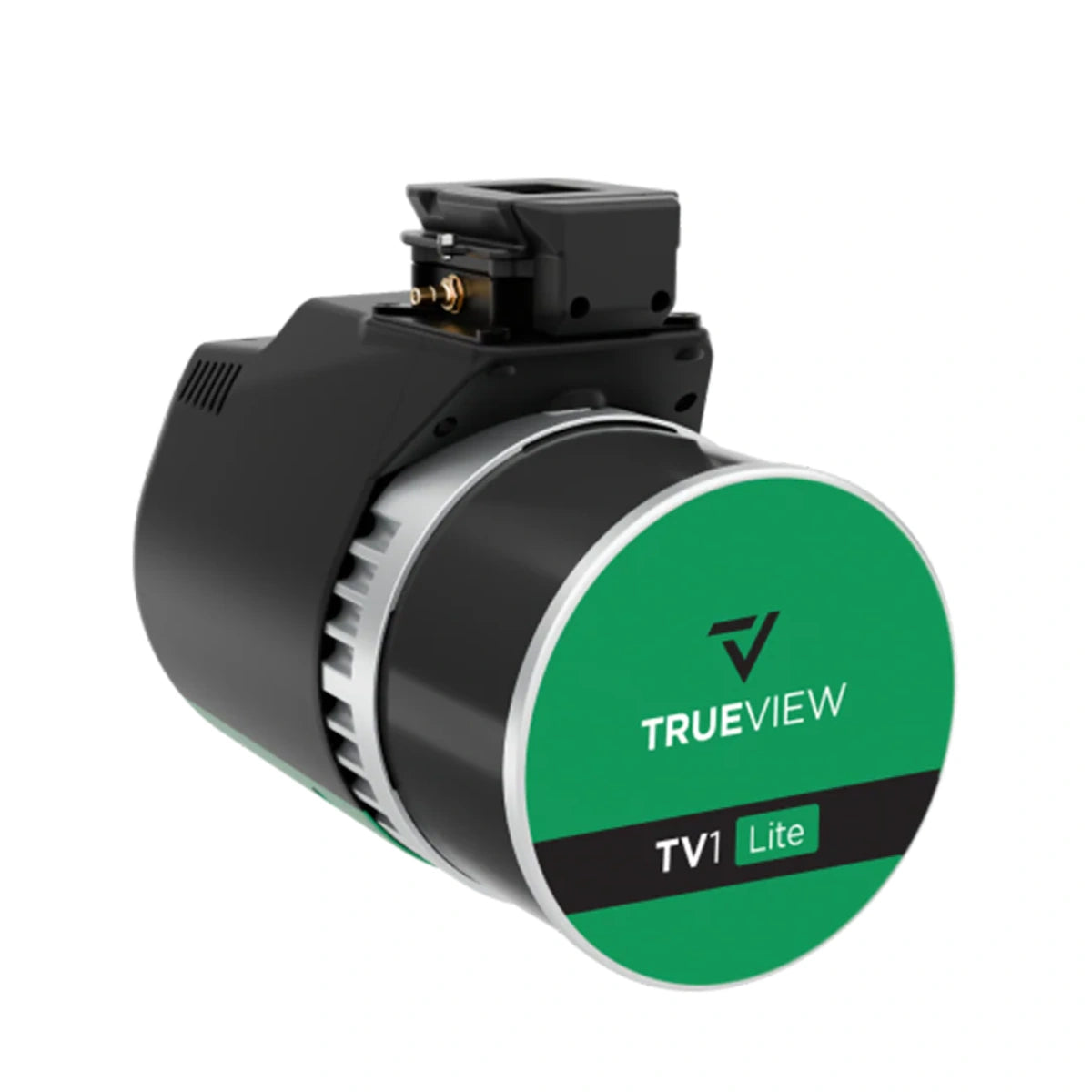
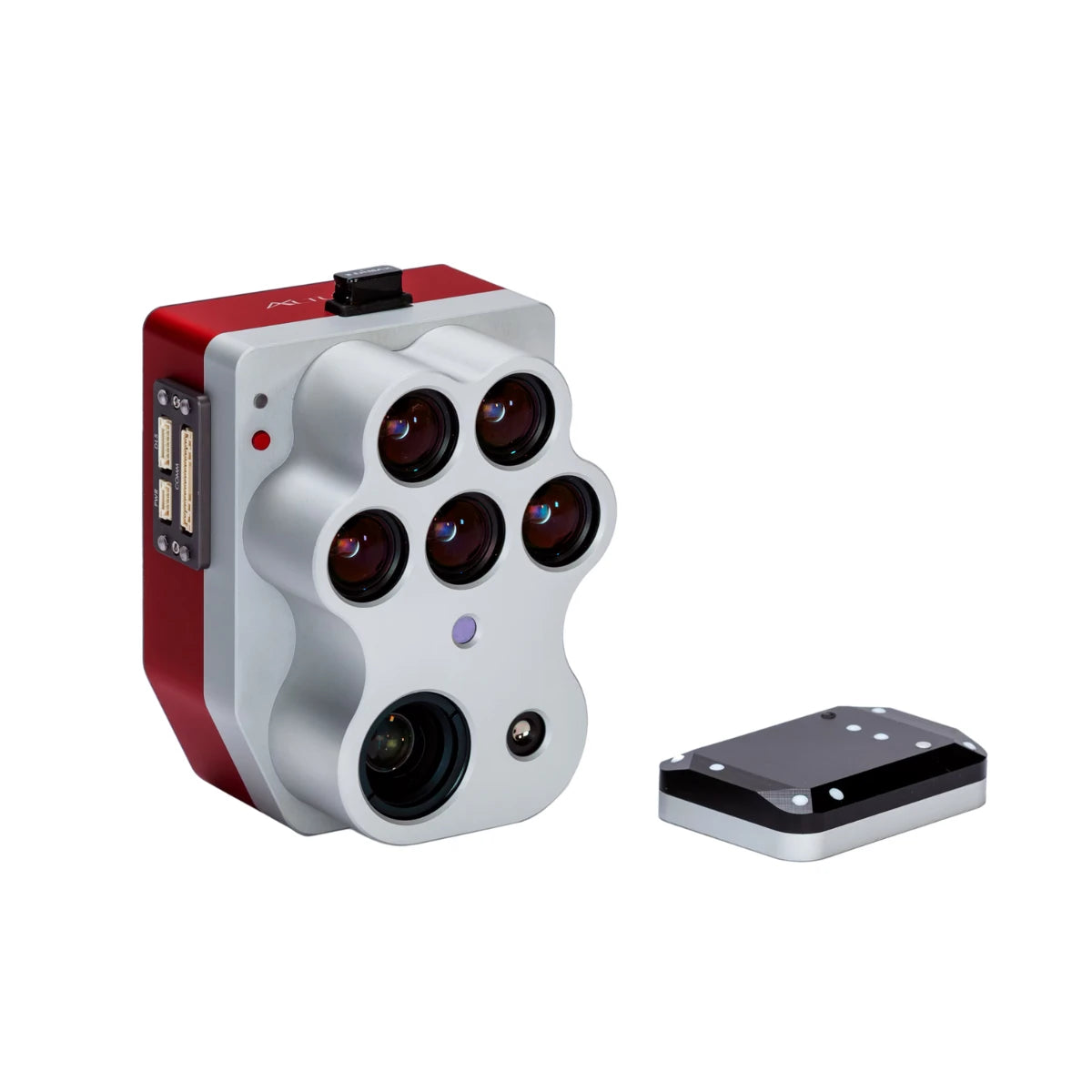
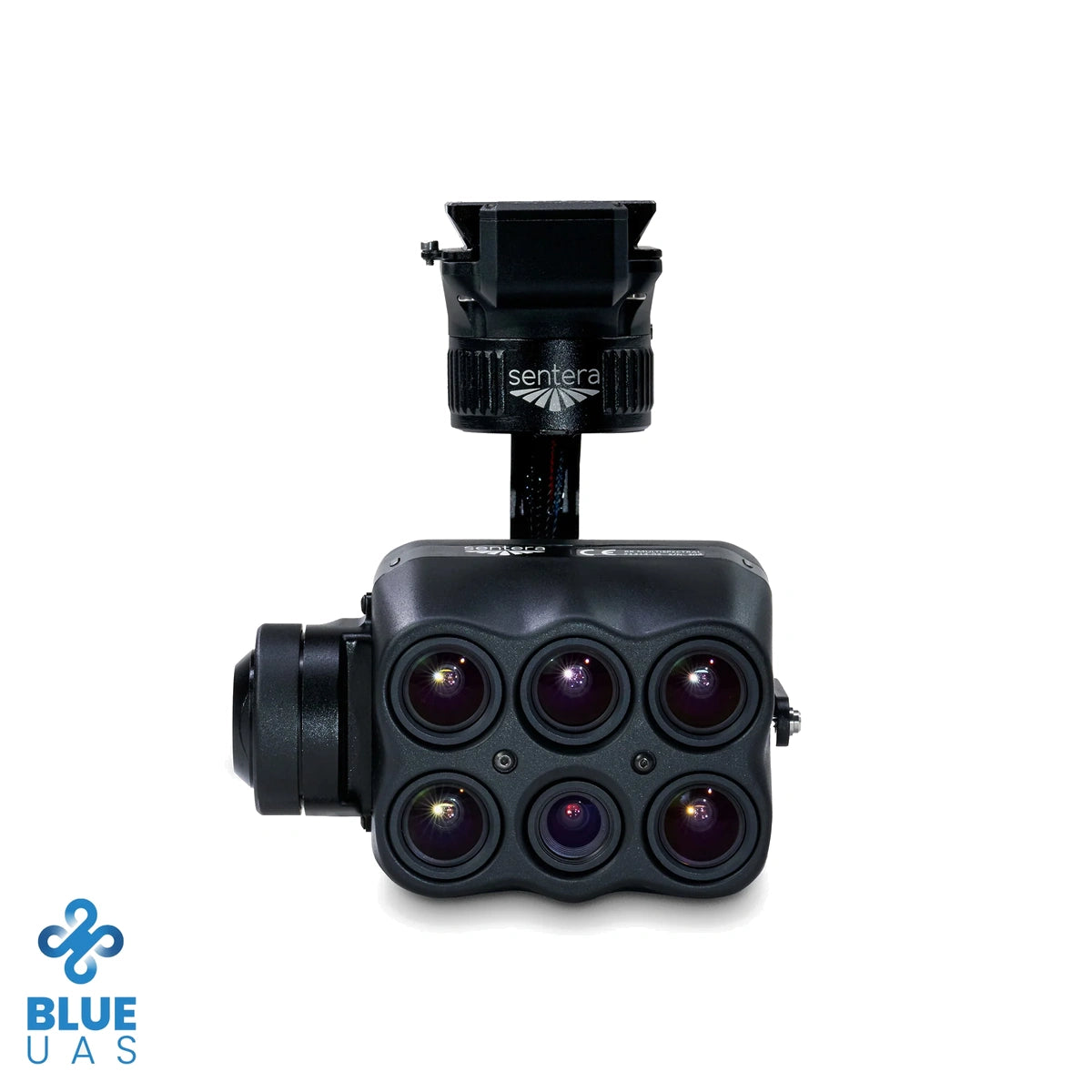
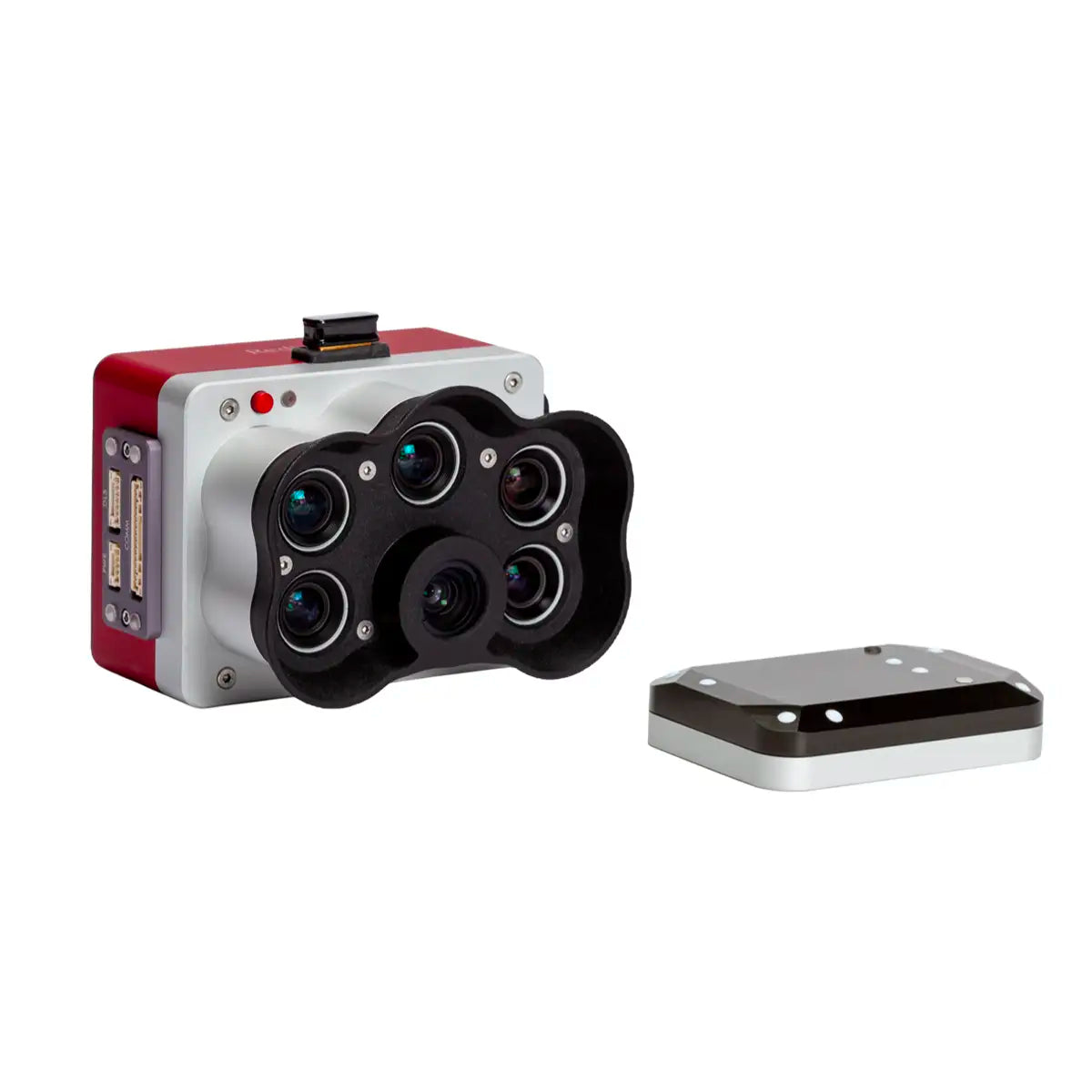
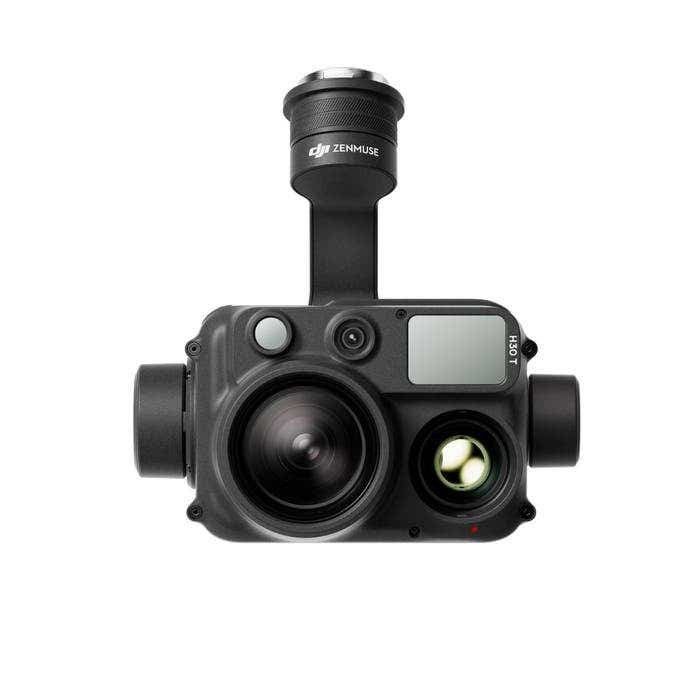
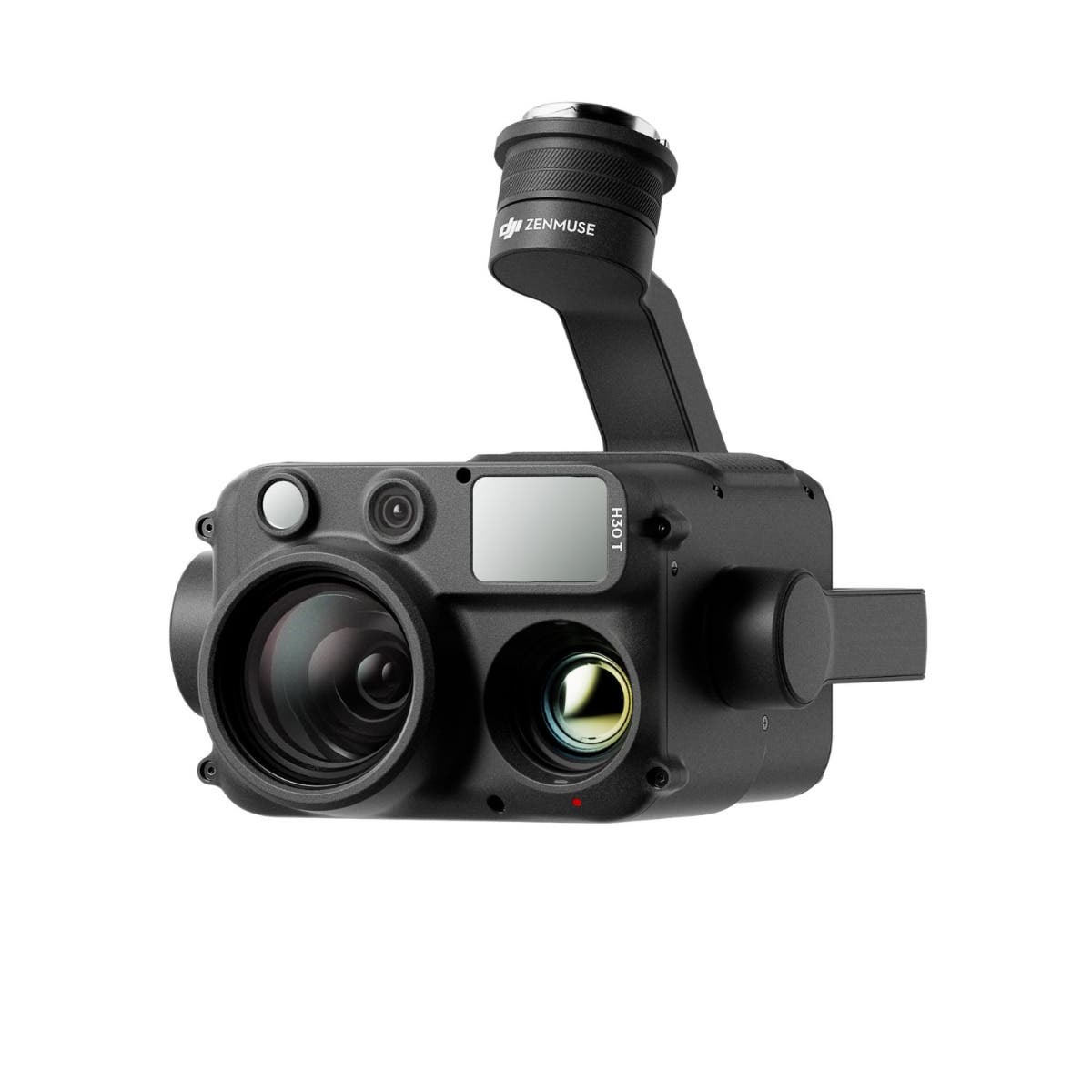
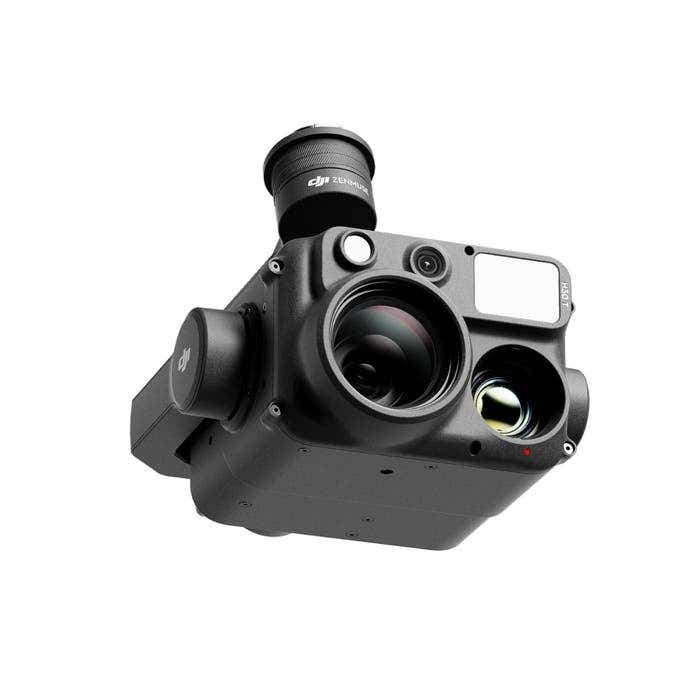
- Care plans and compatible cameras: extended warranty coverage plus compatible cameras and sensors listed alongside the accessories that support them.
Compatibility, Capacity, and Durability: Specs Worth Checking Before You Buy
- Aircraft compatibility: confirm the exact aircraft model, since many accessories fit only one generation or family.
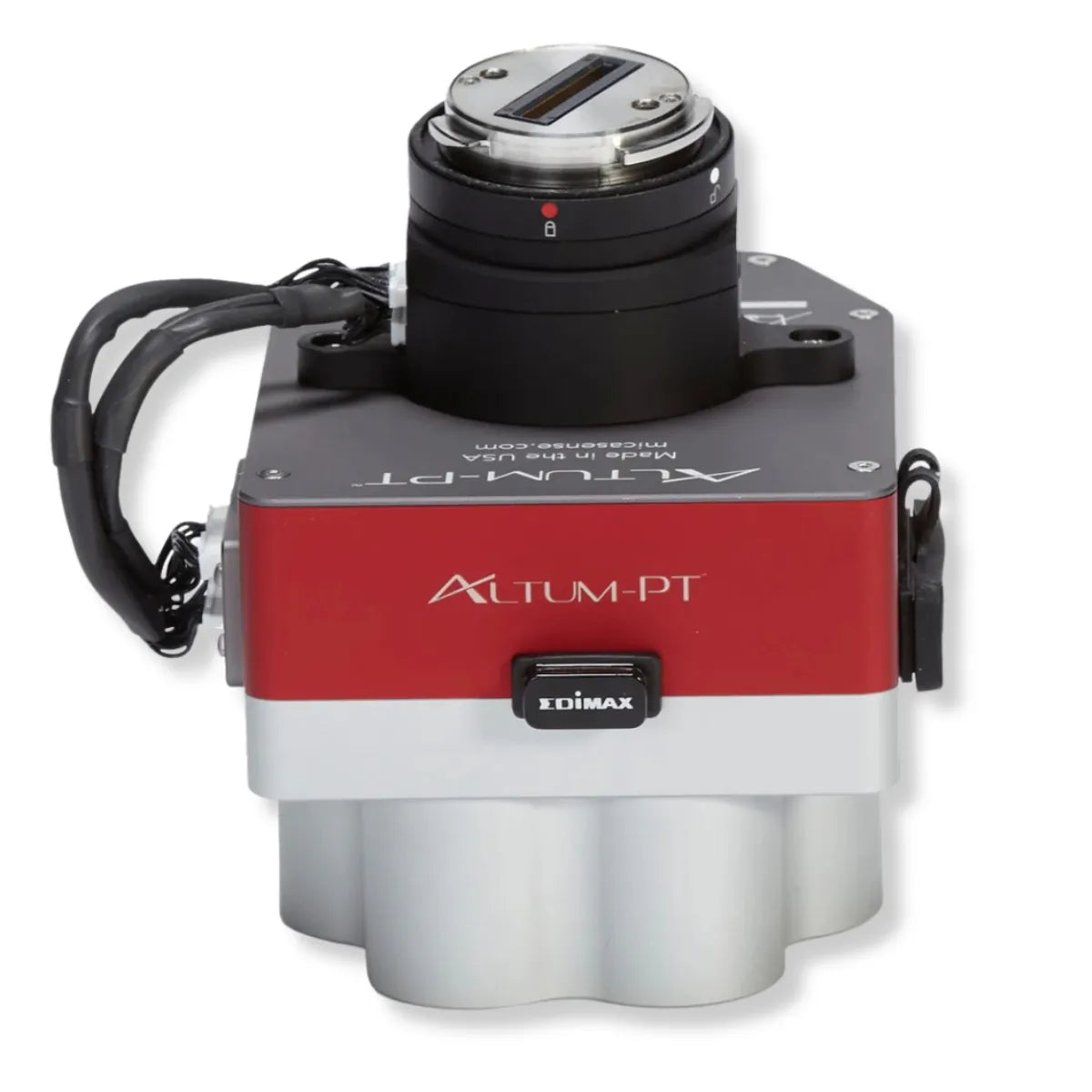
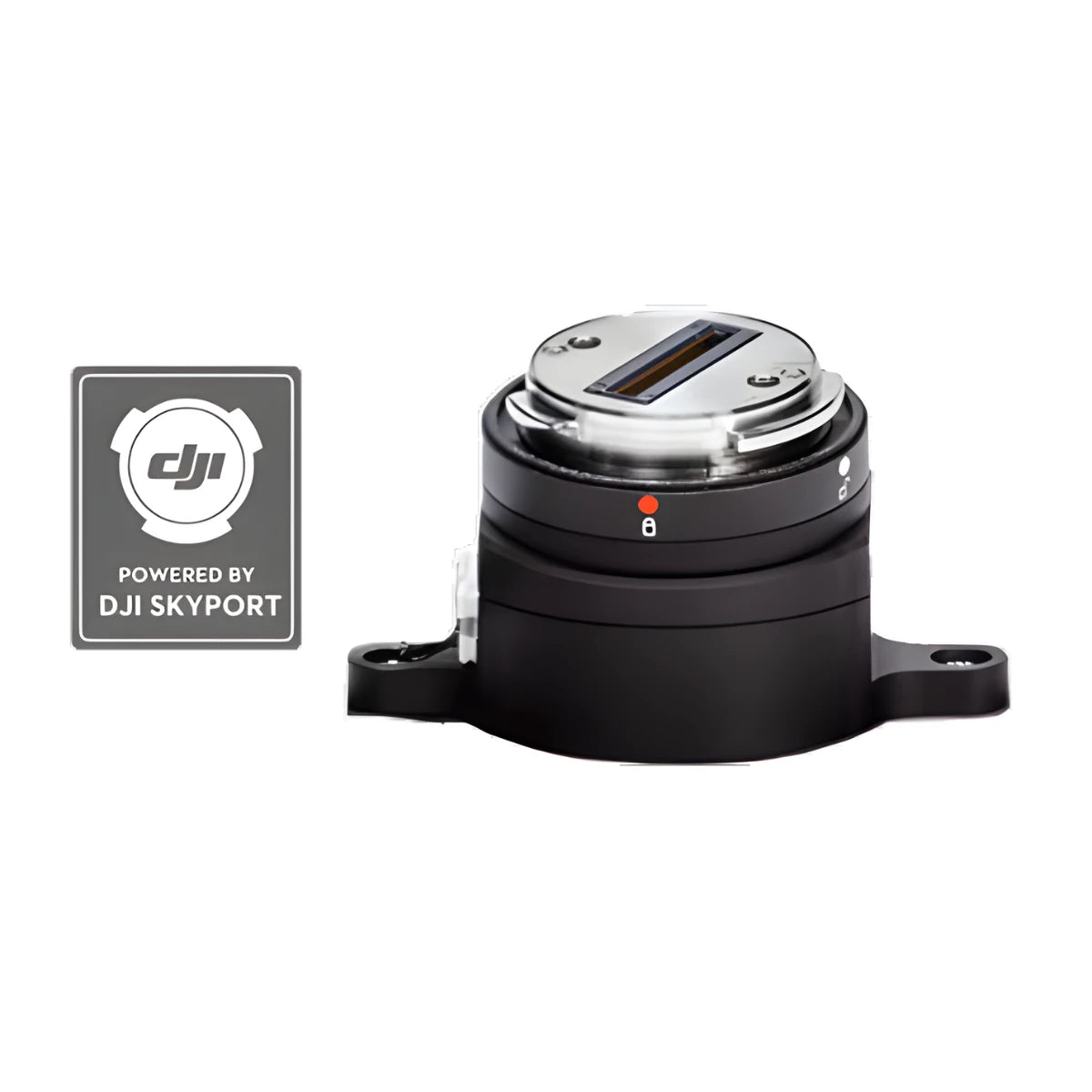
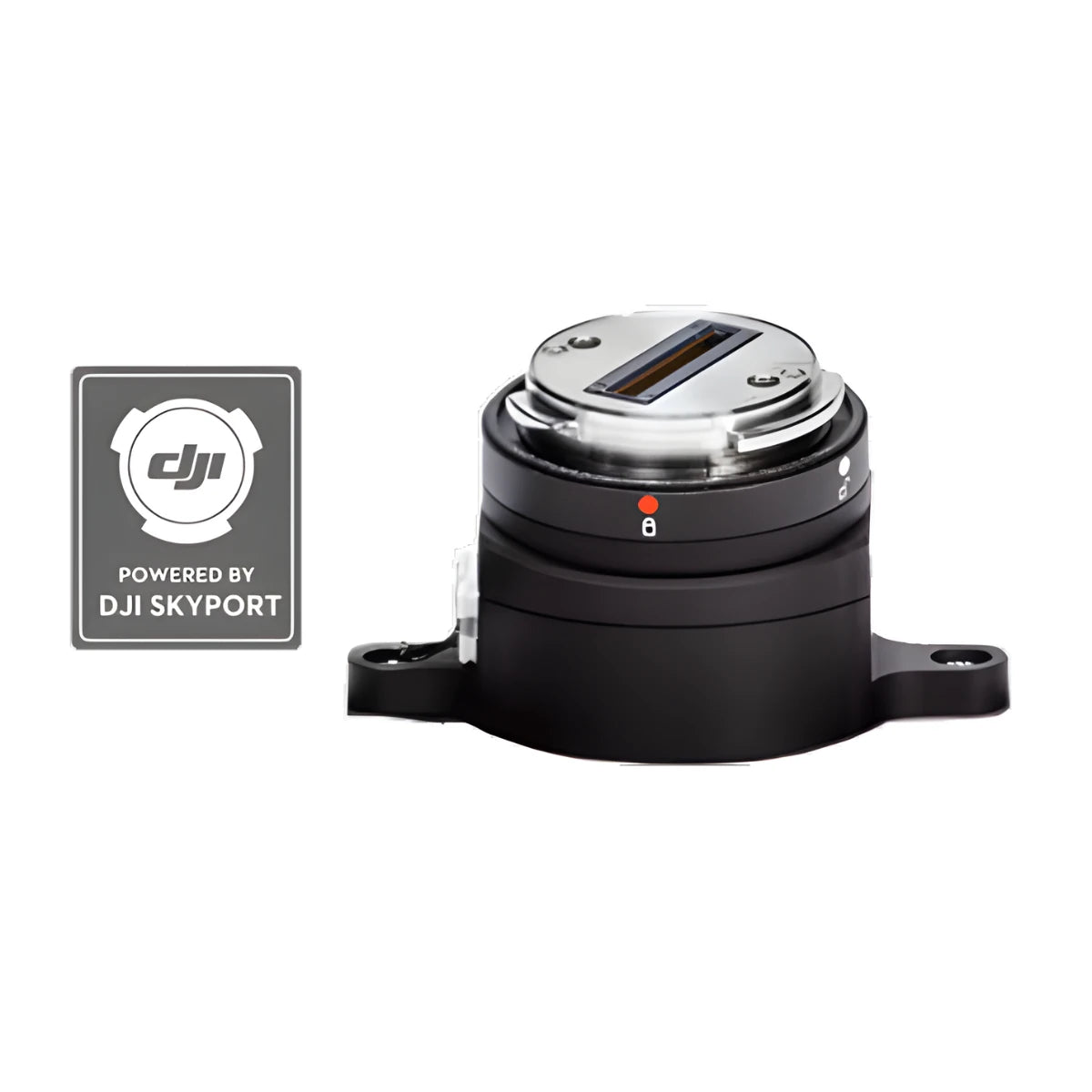
- Mounting standard: check the interface, such as DJI SkyPort, E-Port, or X-Port, or Freefly Smart Dovetail, before buying mounted gear.
- Battery capacity: higher watt-hour packs extend flight time but add weight and may change shipping requirements.
- Cycle rating: rated charge cycles indicate how long a battery stays in rotation before replacement.
- Charging speed: charge times vary with input voltage, so confirm figures for standard 110 V power.
- Charging channels: multi-bay stations charge several batteries at once and reduce downtime between flights.
- Light output: compare wattage, beam angle, and rated illumination distance when selecting a spotlight.
- Speaker volume: compare decibel rating and effective broadcast distance for public address work.
- Weather protection: IP ratings on lights, speakers, and stations indicate tolerance for dust and rain.
- Weight impact: every mounted accessory reduces flight time, so balance capability against endurance.
- Controller display: screen brightness and battery runtime matter for long shifts in direct sun.
Making Sure an Accessory Fits Your Aircraft and Workflow
- Match by model name: product titles call out supported aircraft, such as specific Matrice, EVO, IF800, or IF1200 platforms.
- Check generational changes: batteries, chargers, and mounts often change between aircraft generations even within one family.
- Confirm control app support: lights, speakers, and parachutes are operated through the aircraft's flight app, so confirm firmware support.
- Plan mount combinations: some aircraft limit how many accessories can mount at once or which ports can share power.
- Account for shared charging: some battery stations also charge controller batteries, which simplifies field power.
- Verify RTK correction method: decide between a base station and a network correction service before ordering positioning hardware.
Where These Accessories Earn Their Place
- Public safety operations: spotlights and speakers support night searches, crowd guidance, and scene management.
- Extended inspections: battery rotations and charging stations keep aircraft flying through long inspection days.
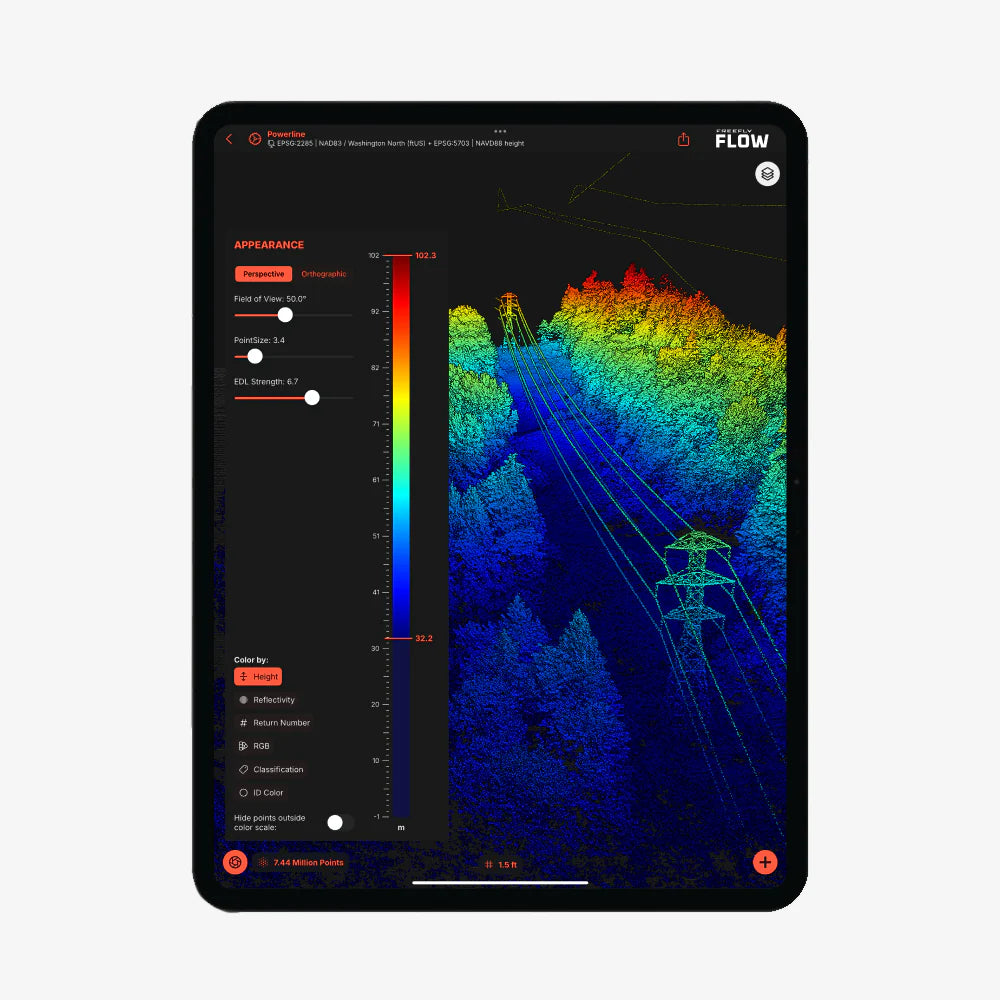
- Survey and mapping: RTK stations and positioning modules support accurate, repeatable data capture.
- Remote site work: cellular dongles and relay stations help maintain the link across obstructed terrain.
- Flights near people: parachute systems add a recovery option for operations over or near crowds and property.
- Fleet maintenance: spare propellers, cables, and parts keep aircraft in service without long repair waits.
- Transport and deployment: hard cases and kits protect gear on vehicles, aircraft, and job sites.
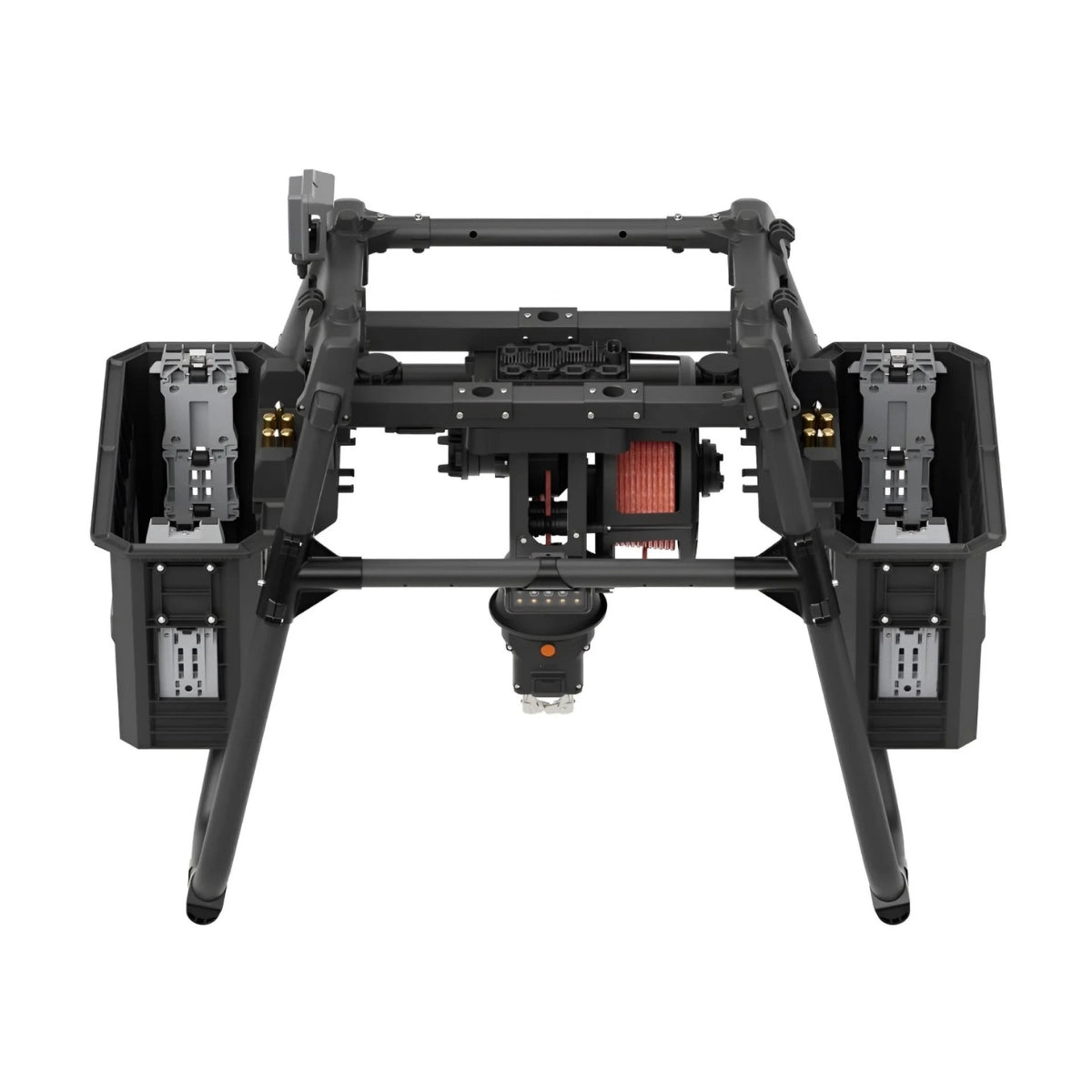
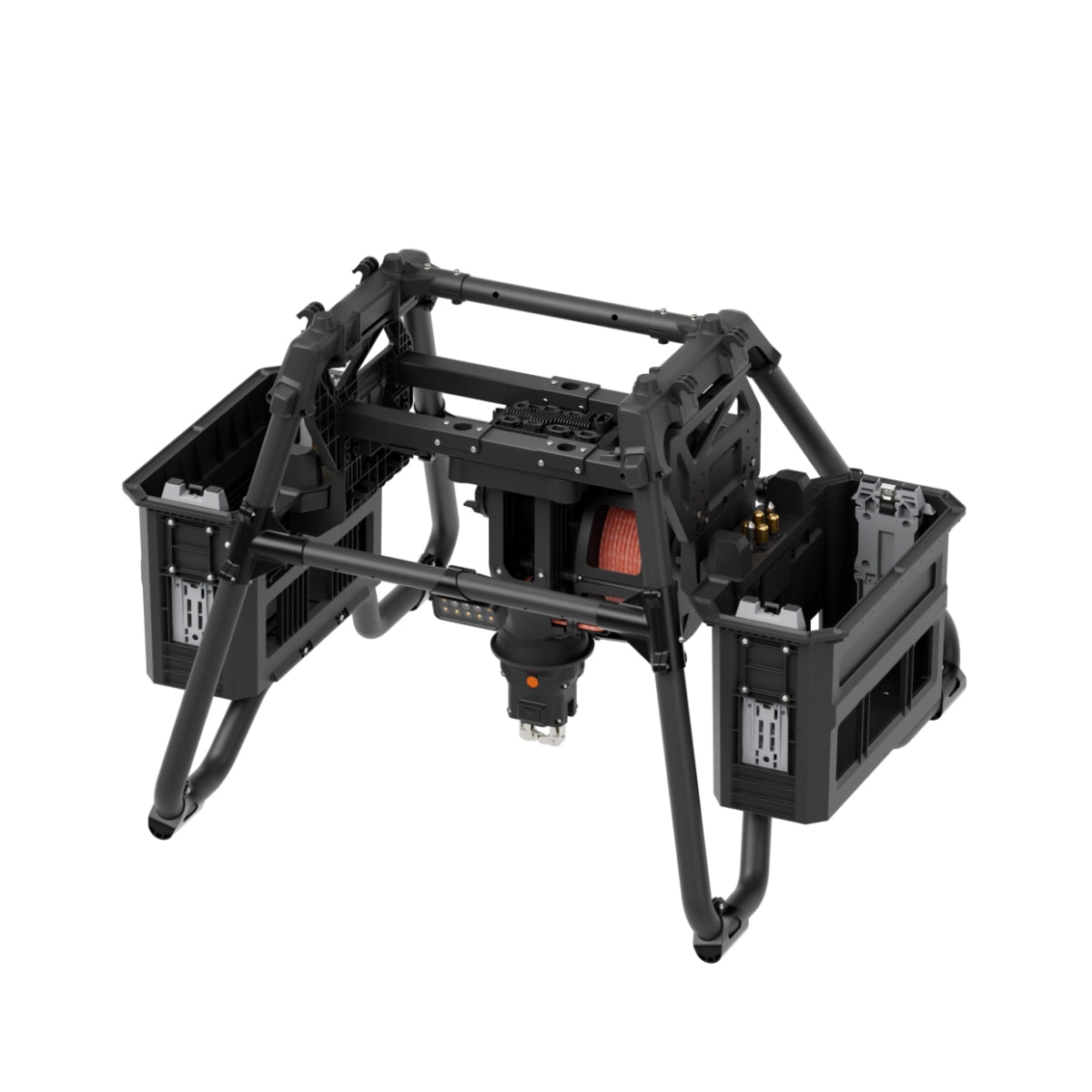
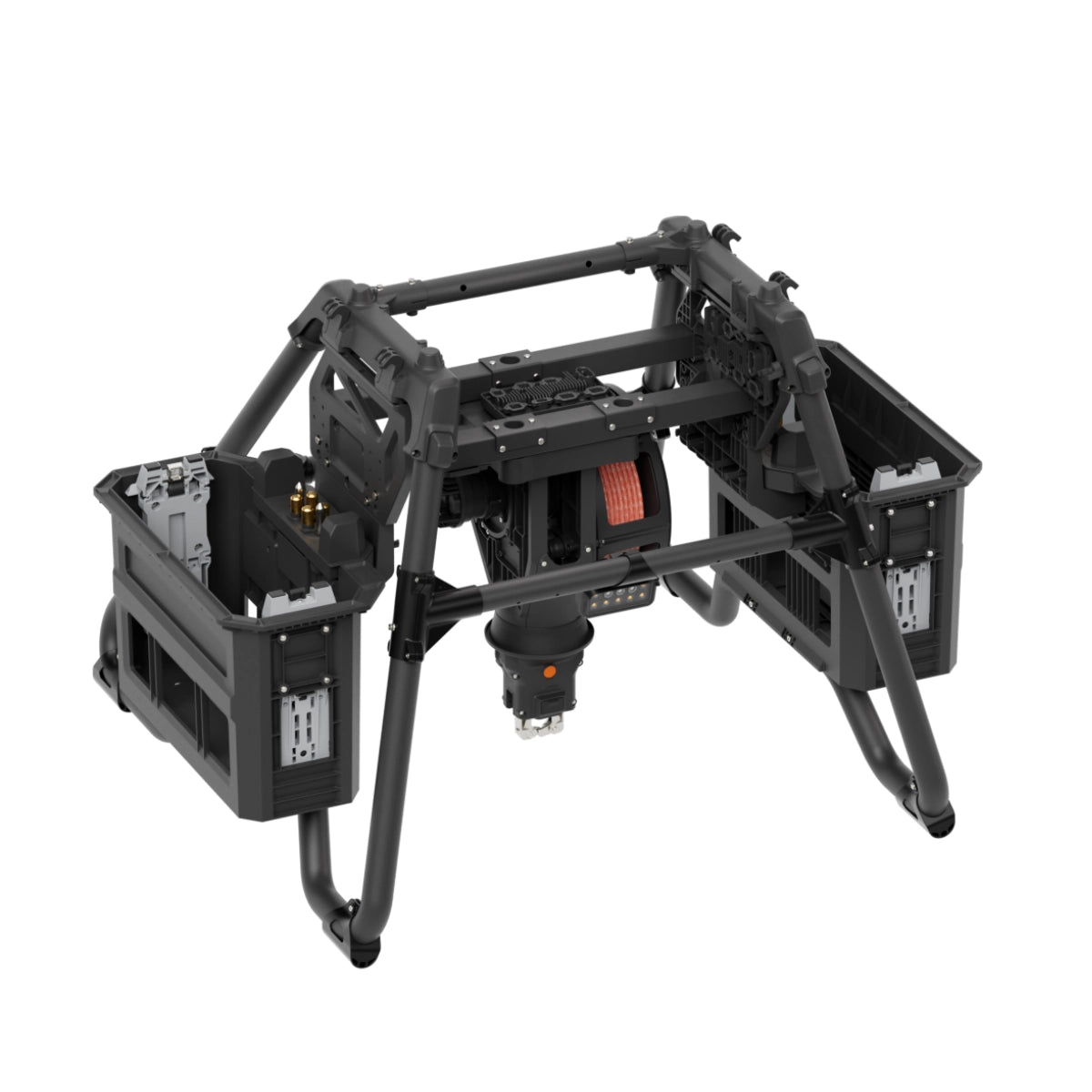
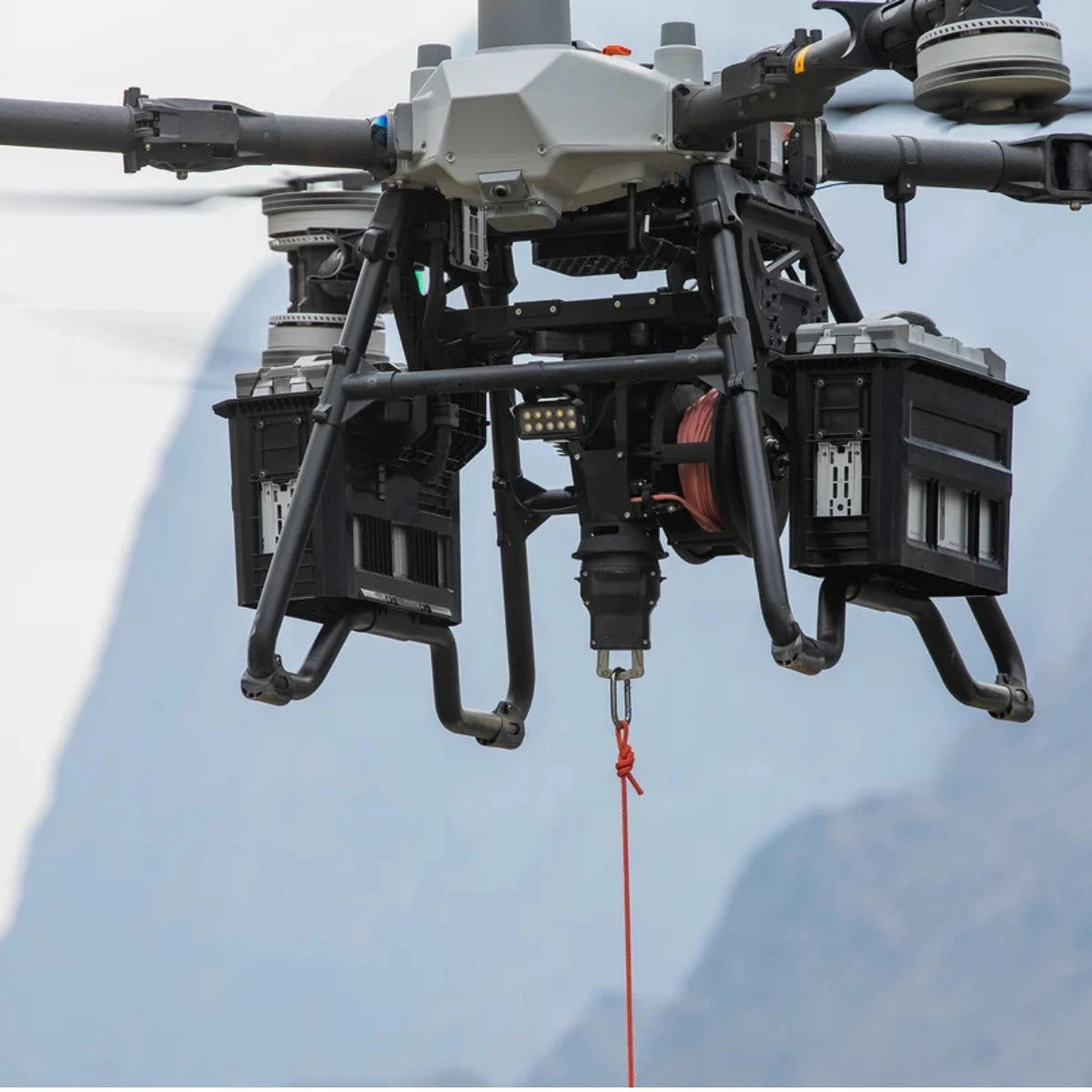
- Delivery operations: winch and lifting systems extend heavy-lift aircraft into cargo and line work.
Building the Right Accessory Kit for Your Missions
- Start with power: plan enough batteries and charging capacity to cover a full day of planned sorties.
- Add mission gear next: choose lights, speakers, or parachutes based on the operations you actually fly.
- Protect the investment: a fitted hard case and spare propellers prevent small problems from grounding the aircraft.
- Plan for accuracy: add RTK hardware when survey or repeat inspection data must line up over time.
- Think about coverage: extended care plans reduce downtime when equipment needs repair.
The aircraft gets most of the attention, but accessories decide how long it flies, what it can do after dark, and how well it holds up across months of deployments. Building the right kit around your platform is the most direct way to get more work out of the aircraft you already own.
DSLRPros field specialists help operators match batteries, controllers, lights, speakers, RTK hardware, and cases to the exact aircraft in their program, so every accessory arrives ready to work. Whether you are outfitting a new platform or restocking a mature fleet, our team can confirm compatibility before you order. Shop the collection and order your drone accessories from DSLRPros today.
Frequently Asked Questions
How do I know if an accessory is compatible with my drone?
Start with the exact aircraft model and generation, since many accessories fit only one platform family. Product titles in this collection call out supported aircraft, such as specific Matrice, EVO, IF800, or IF1200 models. For mounted gear, also confirm the mounting interface, such as DJI SkyPort, E-Port, or X-Port, or Freefly Smart Dovetail. When in doubt, check the compatibility section on the product page before ordering.
How many spare batteries should I carry for a full day of flying?
The right number depends on flight time per battery, charging speed, and how many sorties you plan. Teams flying continuously often keep enough batteries to fly one set while another set charges. Multi-bay charging stations shorten the gap between flights by charging several batteries at once. Charge times are typically longer on standard 110 V power than on 220 V, so plan around the power available on site.
Do mounted lights and speakers reduce flight time?
Yes, every mounted accessory adds weight and draws power, which shortens flight time. The impact depends on the accessory’s weight and power draw relative to the aircraft’s capacity. Lightweight spotlights and speakers designed for a specific aircraft are built to keep that impact small. Check the manufacturer’s flight time figures with accessories installed when planning long missions.
What does a drone parachute system do?
A parachute system deploys a canopy to slow the aircraft’s descent if a critical failure occurs in flight. This reduces impact energy and the risk of damage to people, property, and the aircraft itself. Parachute systems are built for specific aircraft and are typically controlled and monitored through the flight app. Installing one may reduce flight time slightly because of the added weight.
Do I need an RTK station for mapping and inspection work?
RTK positioning corrects satellite errors in real time and brings positioning accuracy down to the centimeter level on supported aircraft. It is valuable for survey work, repeat inspections, and any project where data must align with ground control or earlier flights. Corrections can come from a portable base station or a network correction service. Many RTK stations also function as relays that help maintain the control link around obstacles.
Are propellers and batteries interchangeable between drone models?
In most cases, no. Propellers, batteries, and chargers are designed around specific motors, power systems, and connectors, and mixing parts between models can affect flight safety. Even aircraft from the same manufacturer often change batteries and propellers between generations. Always choose parts listed for your exact aircraft model.