



About the Collection
DJI Agras Series: Spray, Spread, and Lift Heavy Loads on Automated Field Routes
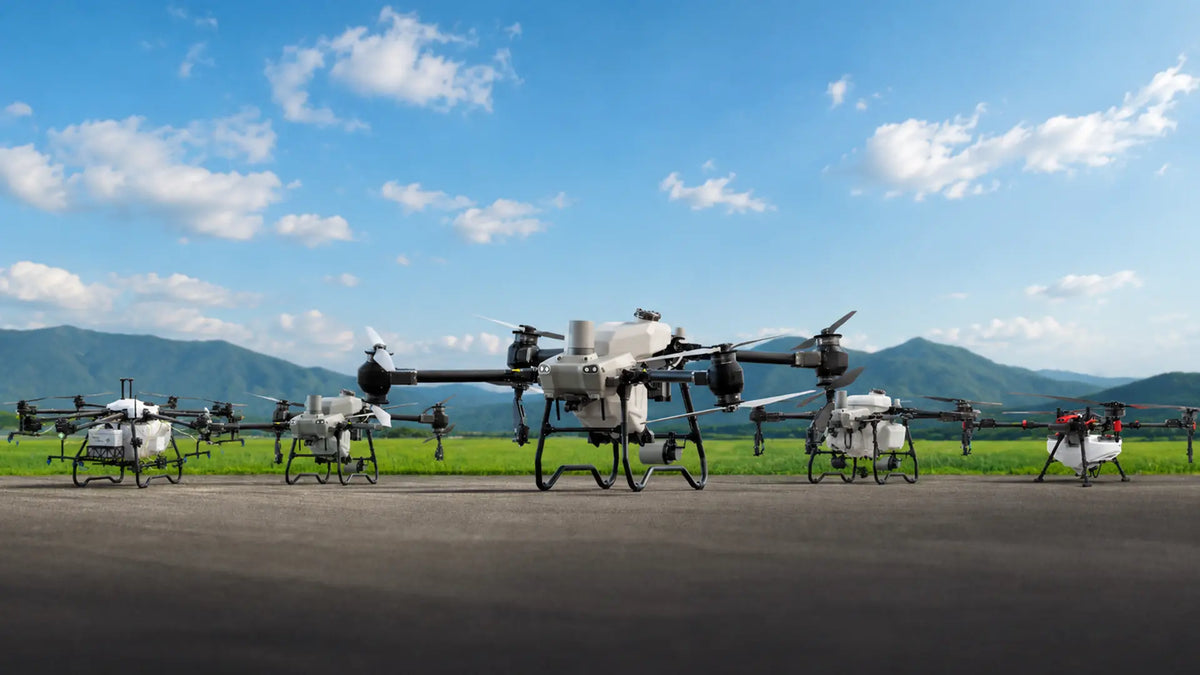
The DJI Agras series is DJI's line of agricultural drones for applying liquids and granular material from the air and, on the Agras T100, for lifting cargo on a cable. This collection covers two working platforms. The Agras T100 handles up to 220 lb (100 kg) depending on the mission system mounted underneath it, while the Agras T50 carries a 10.6 gal (40 L) spray tank and converts to a 19.8 gal (75 L) spreader. Mission systems, nozzle kits, flight batteries, chargers, a generator and relay hardware for both aircraft are here too.
Agras drones are flown by custom applicators covering several farms a week, growers treating their own acreage, and orchard, vineyard and specialty crop managers. They earn their keep on fields, slopes and tree rows where a ground rig is slow to get in. The right setup comes down to tank size, your mix of jobs, and the charging power you can run at the field edge.
How Agras Drones Are Built Around Swappable Mission Systems
Every Agras aircraft in this collection follows the same layout: a folding airframe that carries the flight systems, sensors and battery, with a mission system mounted underneath for the job at hand. On the T100, that mission system is fully interchangeable. Swap the spraying system for the 150L spreading system or a lifting system, and the same airframe goes from a fungicide pass to fertilizer spreading to moving cargo. When you are only spreading or lifting, the spray nozzles come off, so there is less hardware at stake if a landing goes wrong.
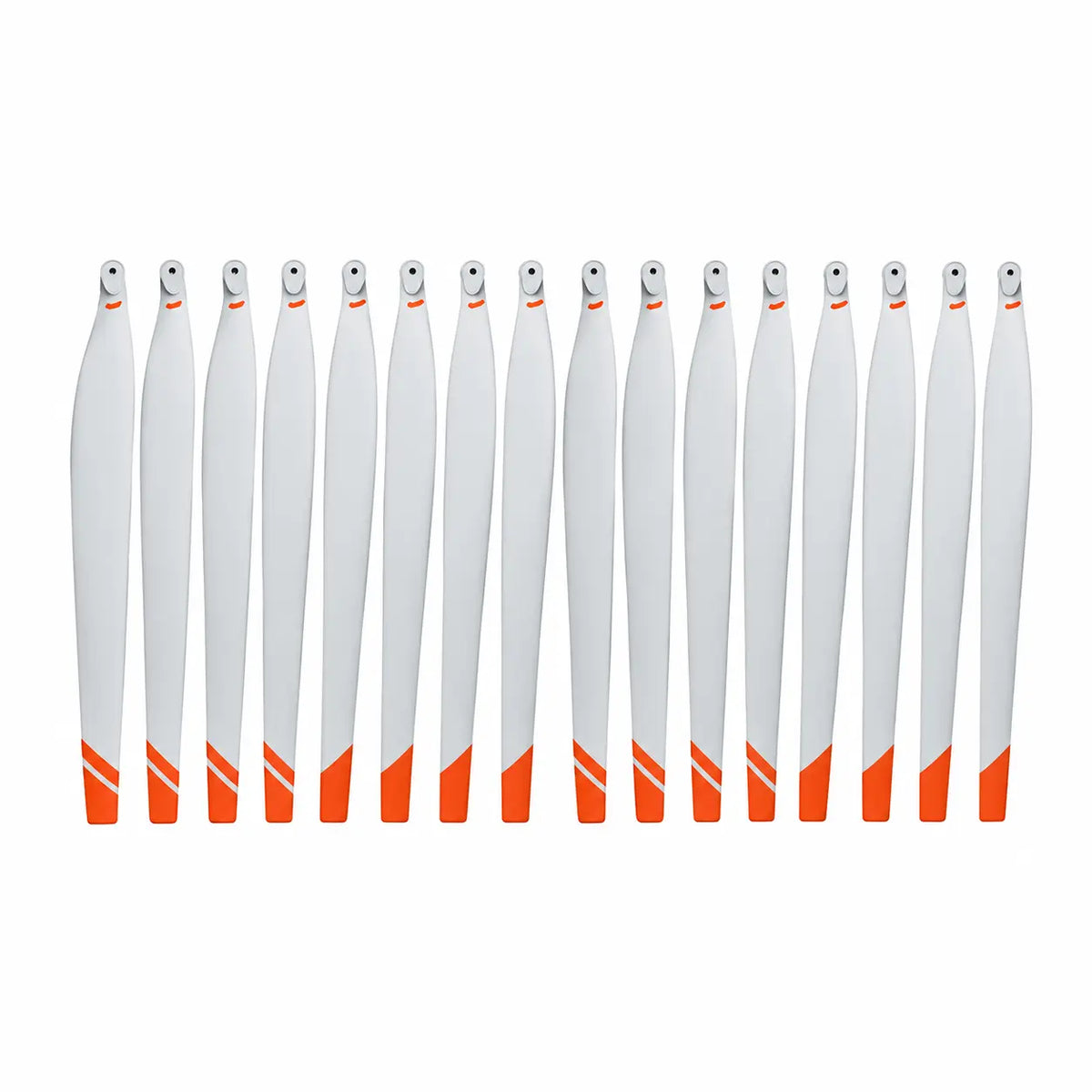
The T100 turns 62 inch carbon fiber propellers that raise full-load power efficiency by 39% over the T50, while the T50 runs a dual atomizing spraying system. Both aircraft hold position to within 3.9 in (10 cm) with RTK on and a strong GNSS signal. Power is built around fast battery rotation: high-capacity flight batteries recharge in minutes on a dedicated power supply or generator, so a crew keeps one battery flying while the next one charges.
Agras T100 vs. Agras T50: Comparing Capacity and Configuration
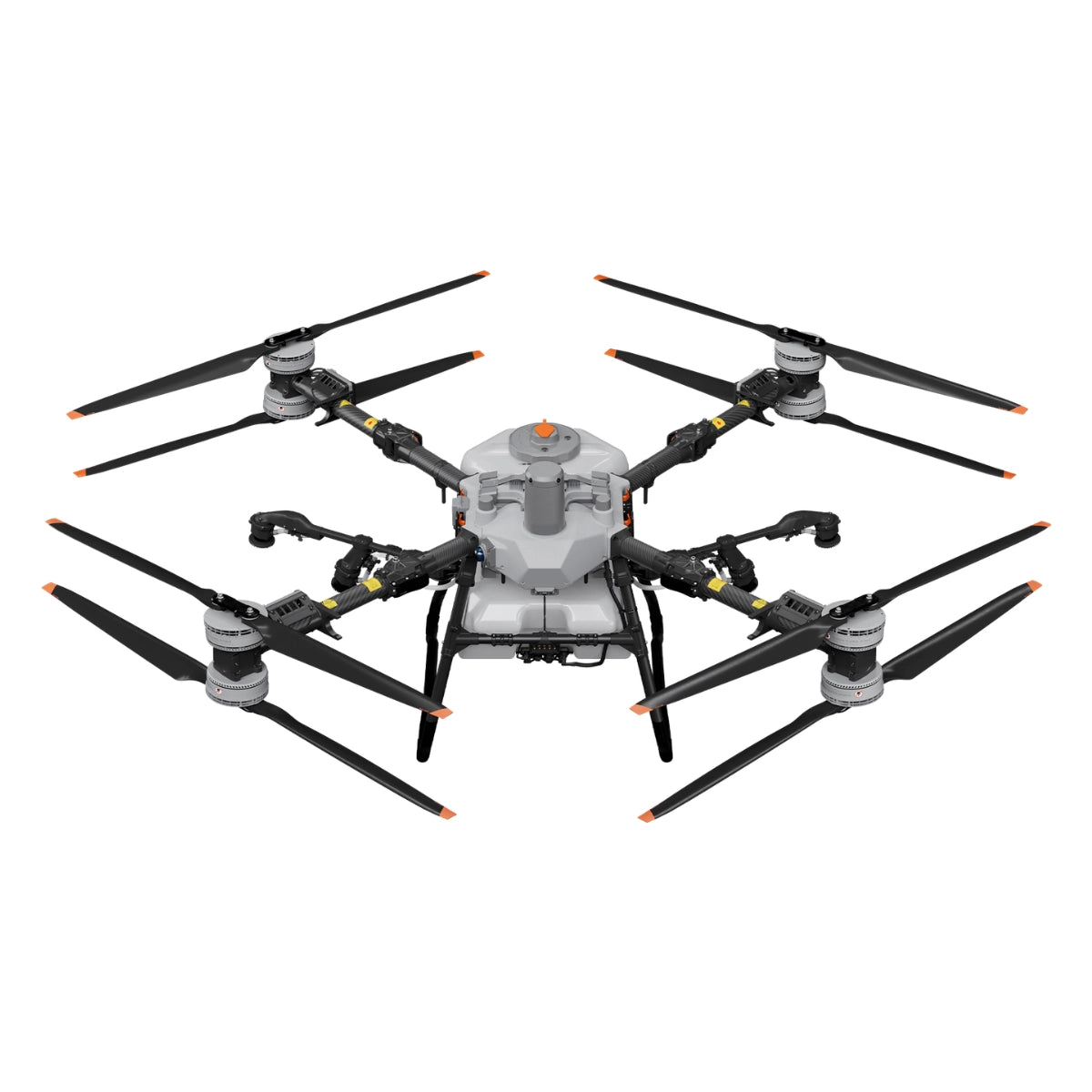
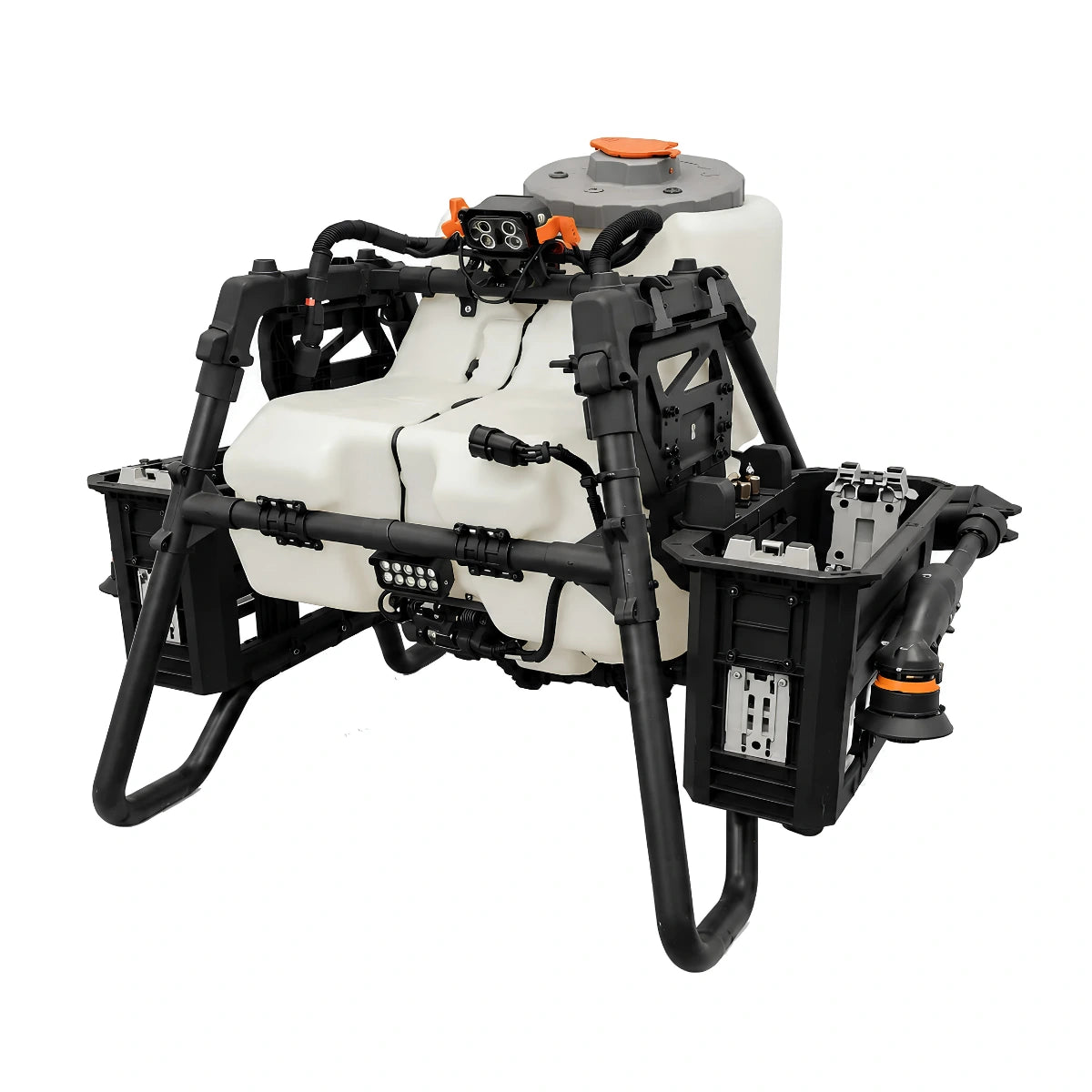
- Agras T100 Intelligent Airframe: the heavy platform in the series, with a 26.4 gal (100 L) spray tank, a 39.6 gal (150 L) spreading tank and up to 220 lb (100 kg) of cable lifting with the standard lifting system. It ships with the DJI RC Plus 2 controller, while flight batteries and the spraying, spreading or lifting system are bought separately to match your work.
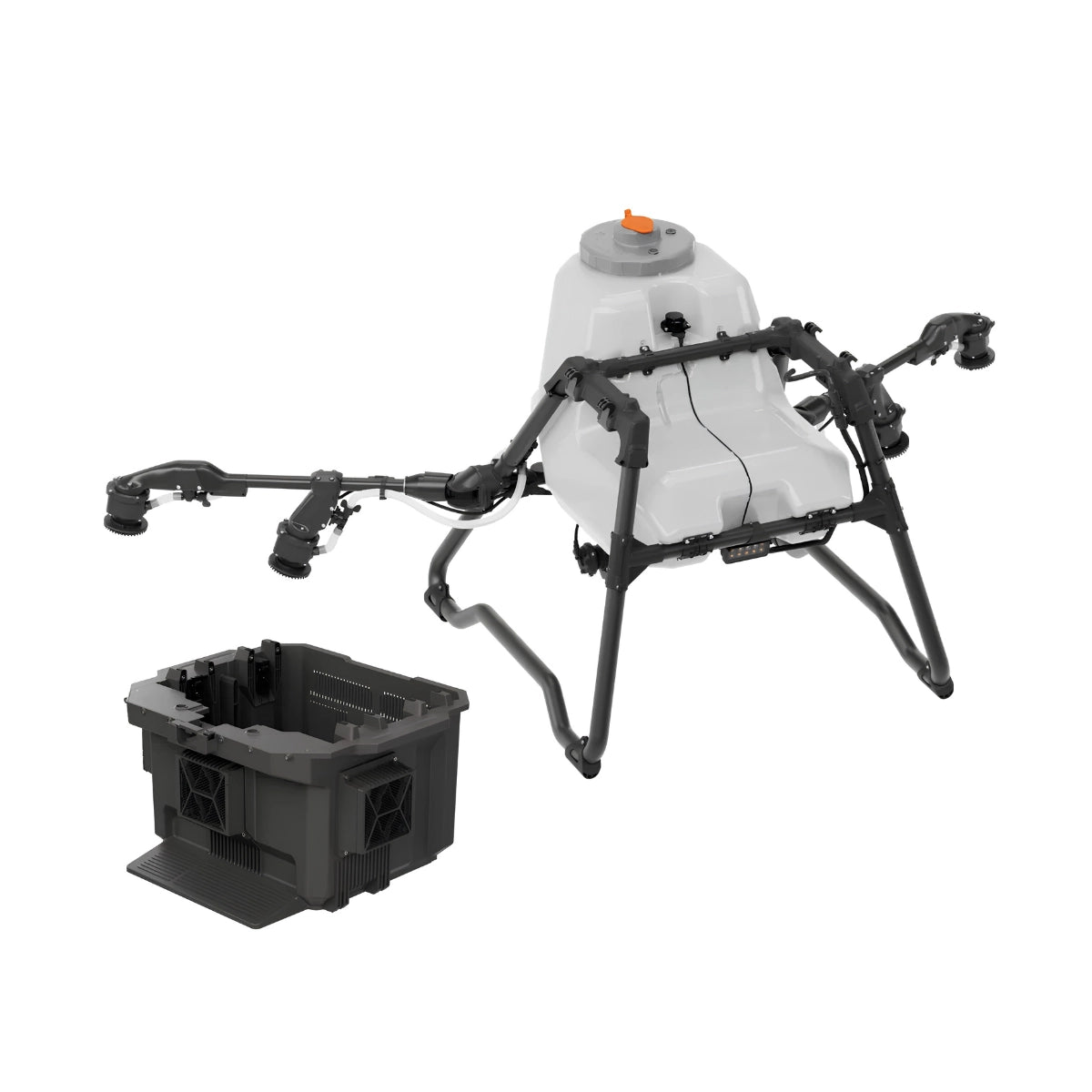
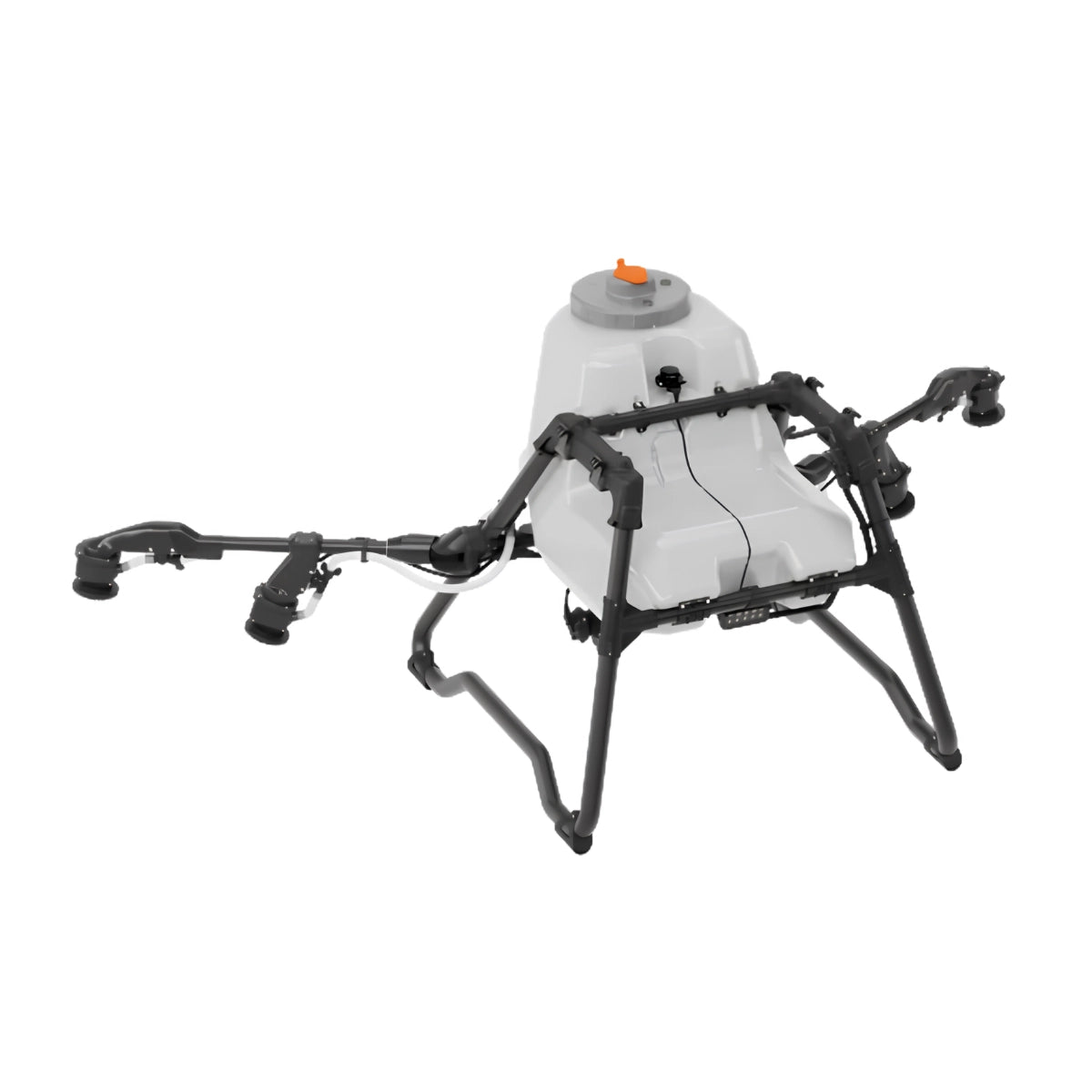
- Agras T50 Spraying Drone: a 10.6 gal (40 L) sprayer with an 88 lb (40 kg) operating payload, front and rear phased array radar, and binocular vision. It includes an air-cooled heat sink and accepts the T50 spreading system for granular work.
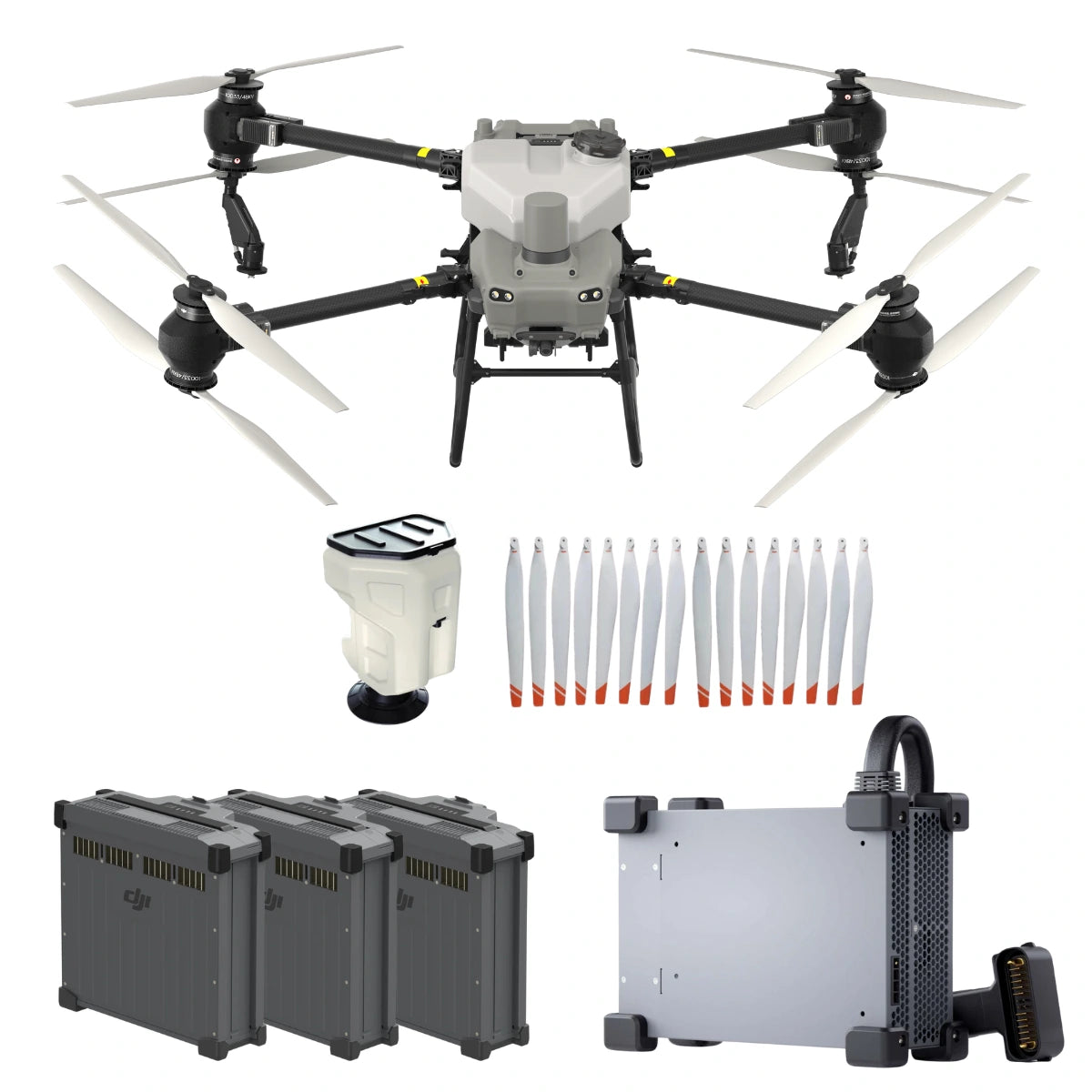
- Agras T50 Agriculture Drone Complete Bundle: the T50 set up for field work, with three DB1560 flight batteries, a C10000 charging station, the DJI RC Plus controller, the T50 spreading system and a full set of 16 white propellers.
| Spec | Spray, spread, liftDJI Agras T100 | Spray and spreadDJI Agras T50 |
|---|---|---|
| Spray tank | 26.4 gal (100 L) | 10.6 gal (40 L) |
| Spraying operating payload | 220 lb (100 kg) | 88 lb (40 kg) |
| Max spray flow | 7.9 gal/min (30 L/min) with 2 nozzles, 10.6 gal/min (40 L/min) with 4 | 4.2 gal/min (16 L/min) with 2 sprinklers, 6.3 gal/min (24 L/min) with 4 |
| Effective spray width | 16.4 to 42.7 ft (5 to 13 m) | 13.1 to 36.1 ft (4 to 11 m) |
| Spreading tank | 39.6 gal (150 L) | 19.8 gal (75 L) |
| Max spreading load | 220 lb (100 kg) | 110 lb (50 kg) |
| Cable lifting | 220 lb (100 kg) standard, 176 lb (80 kg) dual battery | No lifting system |
| Flight battery | DB2160, 41000 mAh | DB1560, 30000 mAh |
| Fast charge | 8 to 9 min (30% to 95%) with the C12000 or D14000iE | 9 to 12 min with a high-power charging source |
| Obstacle sensing | LiDAR, millimeter wave radar, quad vision system | Front and rear phased array radar, binocular vision |
| RTK hover accuracy | 3.9 in (10 cm) | 3.9 in (10 cm) |
| Controller | DJI RC Plus 2 | DJI RC Plus |
Scroll sideways to see all columns.
T100 and T50 Sensing Hardware, Mission Systems, and Ground Power
Integrated camera and sensing systems
Agras T100
- Safety System 3.0: LiDAR, front, downward and rear millimeter wave radar, and a quad vision system, with a measurement range of up to 197 ft (60 m).
- FPV camera: built into the airframe for a live view of the field on the controller, with vision cameras that mark poles and vehicles during takeoff and landing.
Agras T50
- Phased array radar: front and rear radar units for multidirectional obstacle sensing from 3.3 to 164 ft (1 to 50 m) and for terrain follow.
- Binocular vision and FPV camera: vision sensing from 1.6 to 95 ft (0.5 to 29 m) in adequate light, plus an FPV camera used for real-time field mapping with RTK.
Field-attachable mission systems and nozzle kits
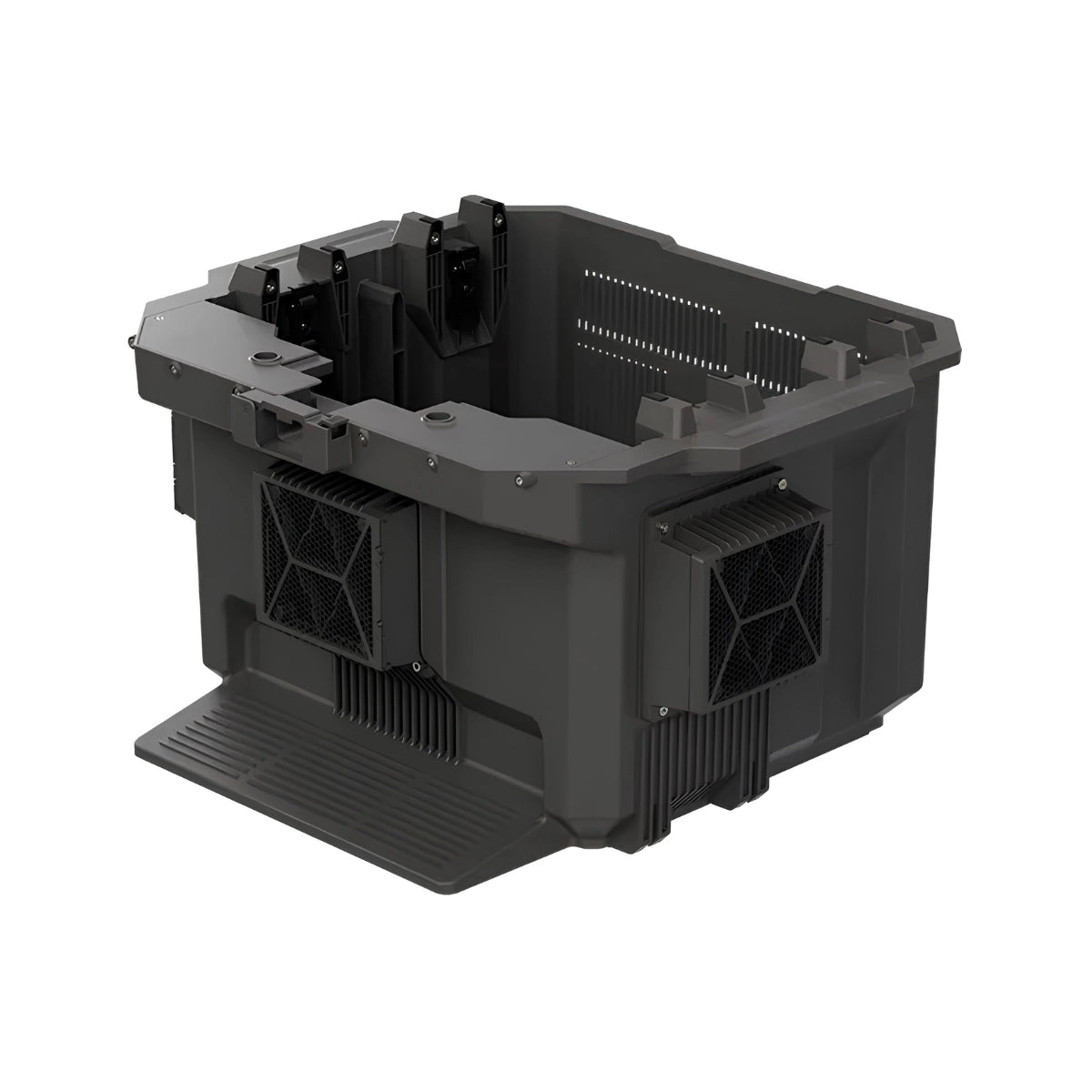
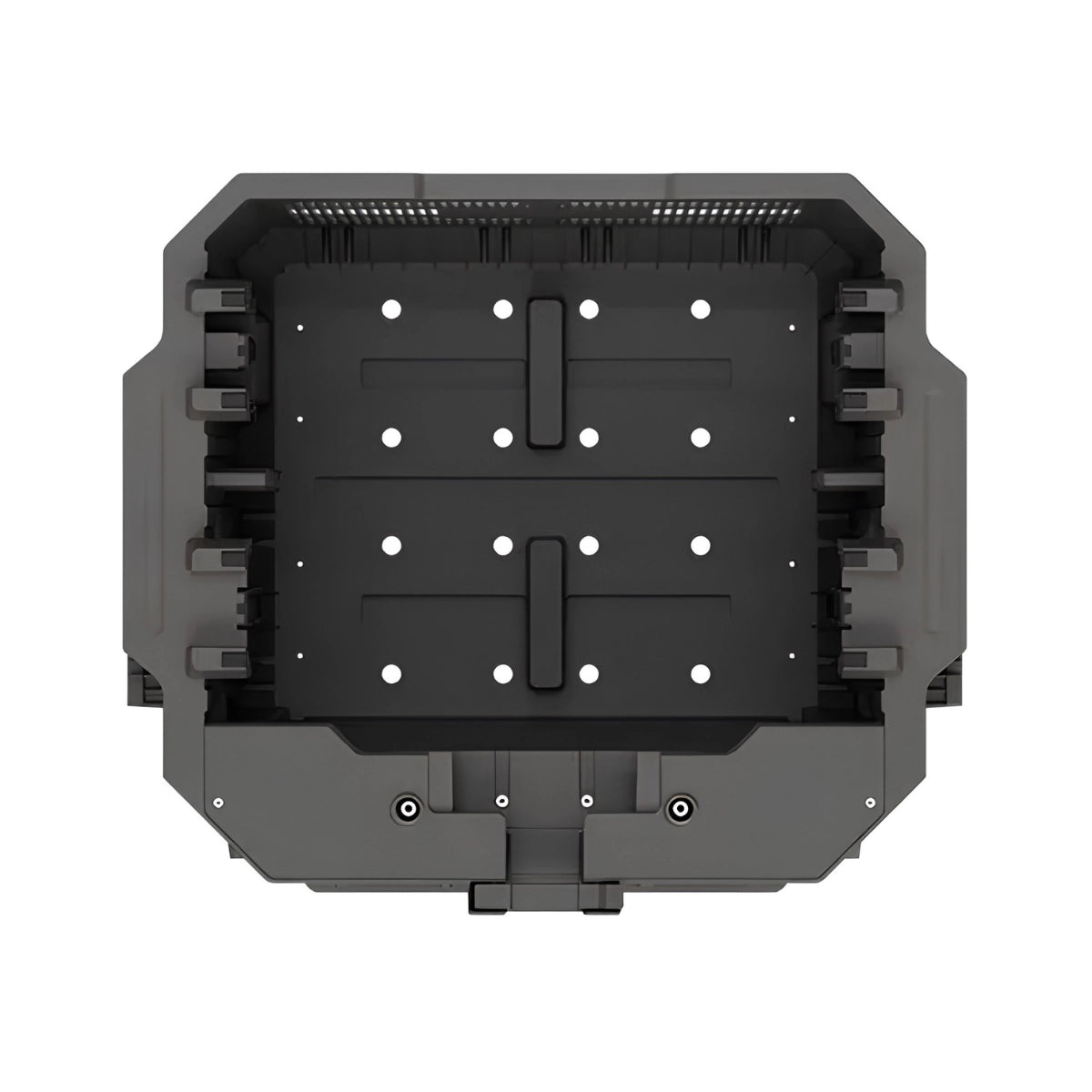
- T100 Spraying System with Air-Cooled Heat Sink: 26.4 gal (100 L) tank, 220 lb (100 kg) operating payload and two magnetic drive impeller pumps.
- T100 Dual-Battery Spraying System: the same 26.4 gal (100 L) tank in a dual-battery configuration, with a 198 lb (90 kg) operating payload.
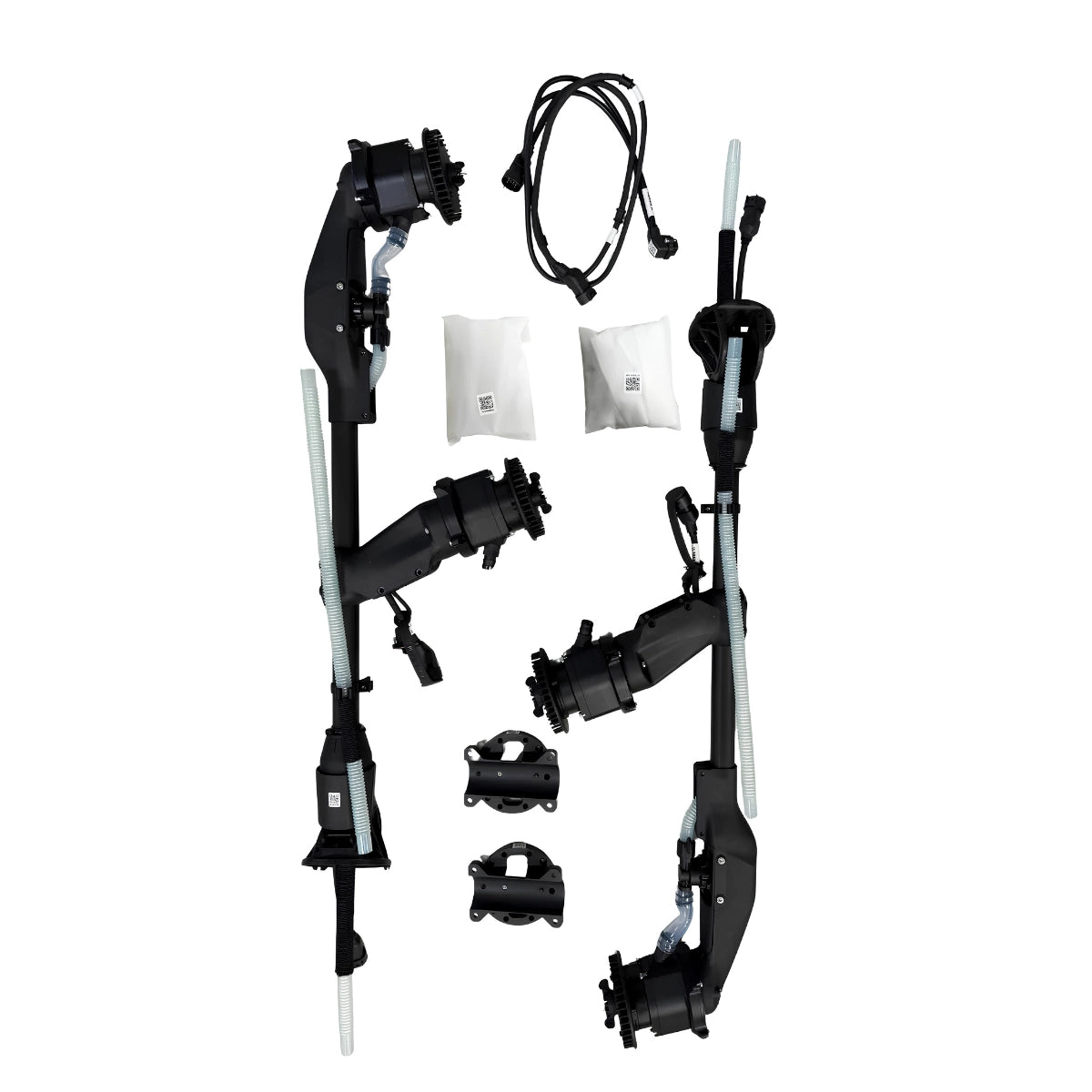
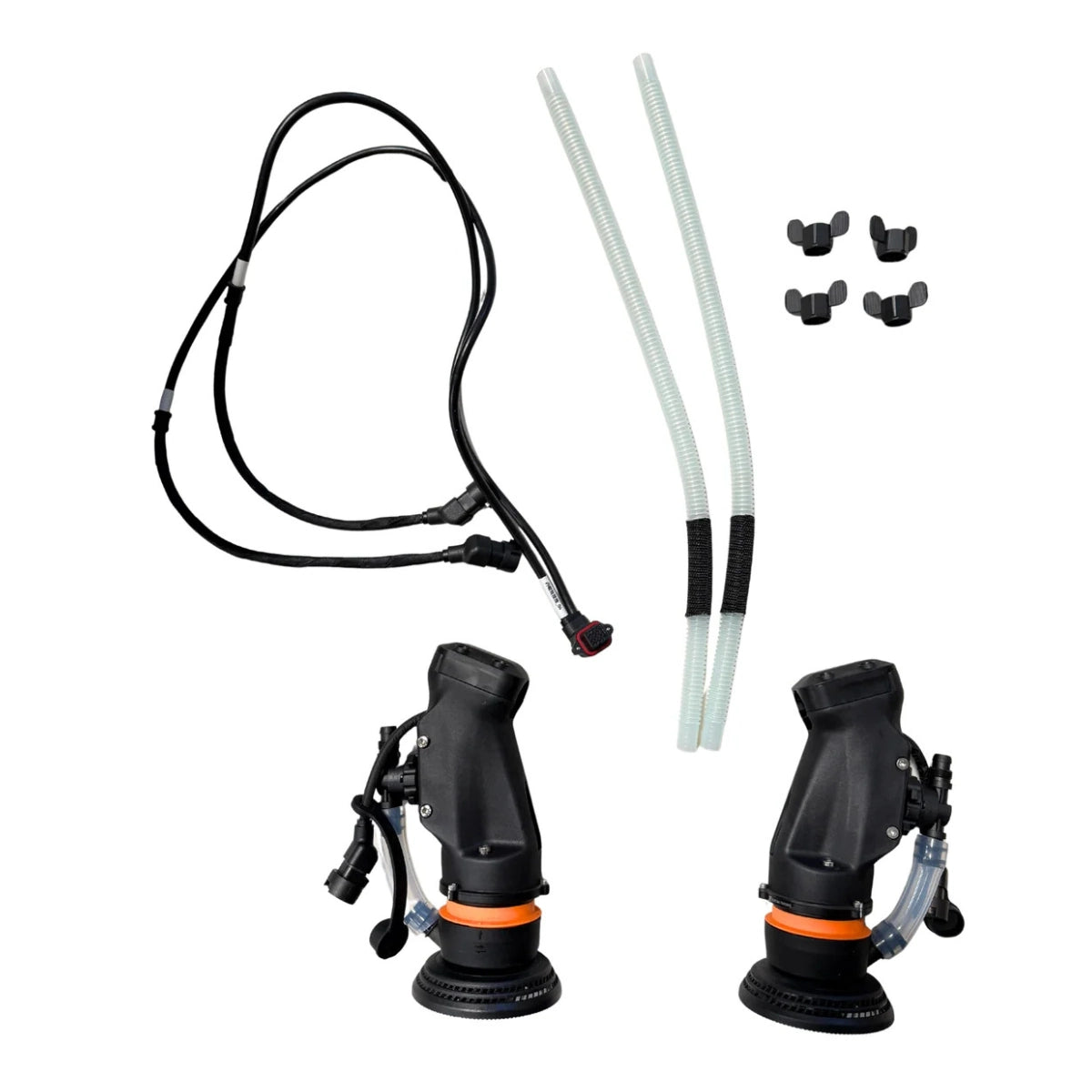
- T100 Row Crop Quad Nozzle Kit and Mist Nozzle Package: four-nozzle setups that raise T100 maximum flow from 7.9 gal/min (30 L/min) to 10.6 gal/min (40 L/min), with the mist package fitting DJI's optional mist nozzles.
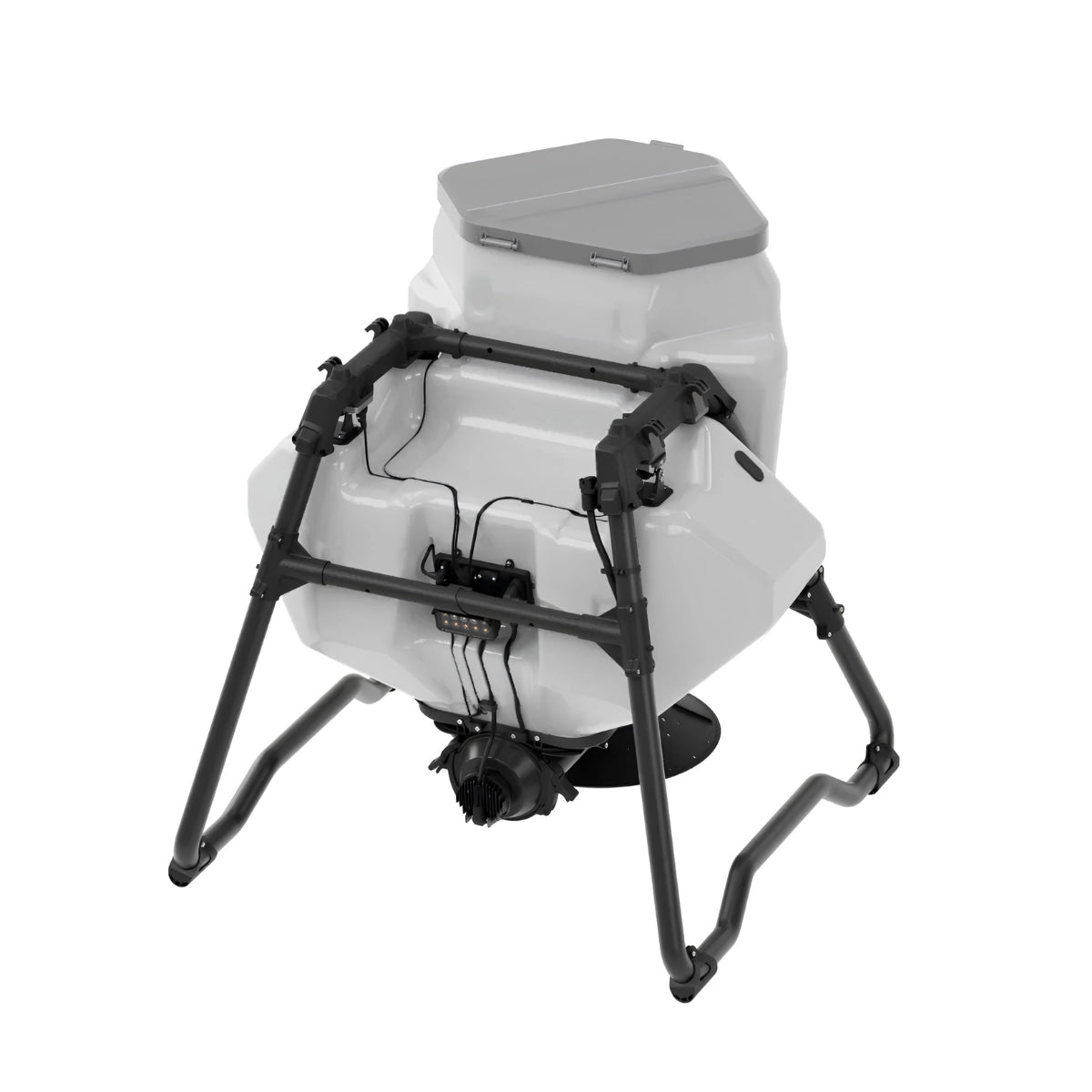
- T100 150L Spreading System: 39.6 gal (150 L) tank, screw feeder, centrifugal disc and two standard feeders for material from 0.02 to 0.39 in (0.5 to 10 mm).
- Dual-Battery Lifting System: 176 lb (80 kg) of cable lifting on the T100, longer endurance from two batteries, and a fuse for quick emergency cargo release.
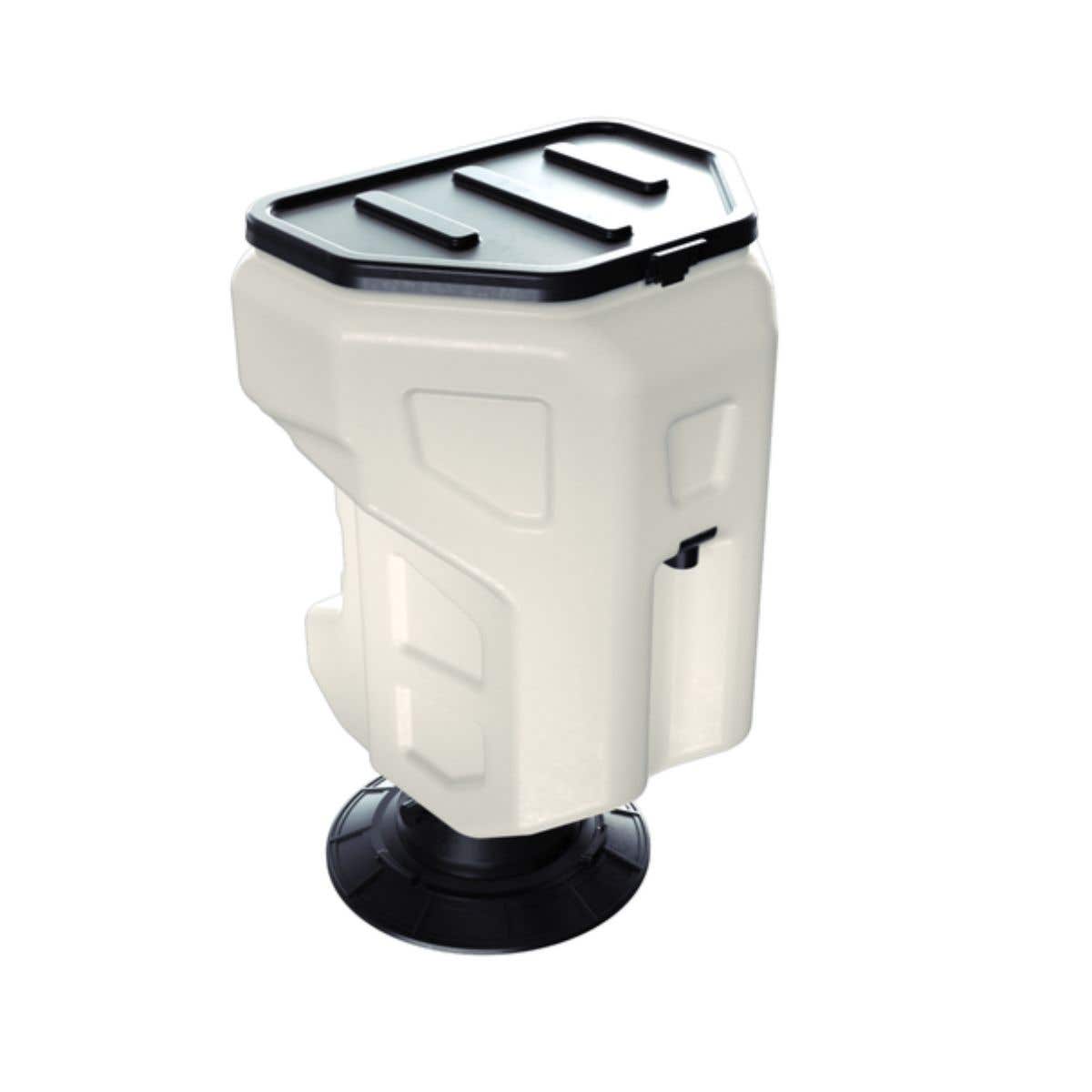
- T50 Spreading System: 19.8 gal (75 L) tank with a 110 lb (50 kg) internal load limit for dry granules from 0.02 to 0.2 in (0.5 to 5 mm).
Ground support, power, and control hardware
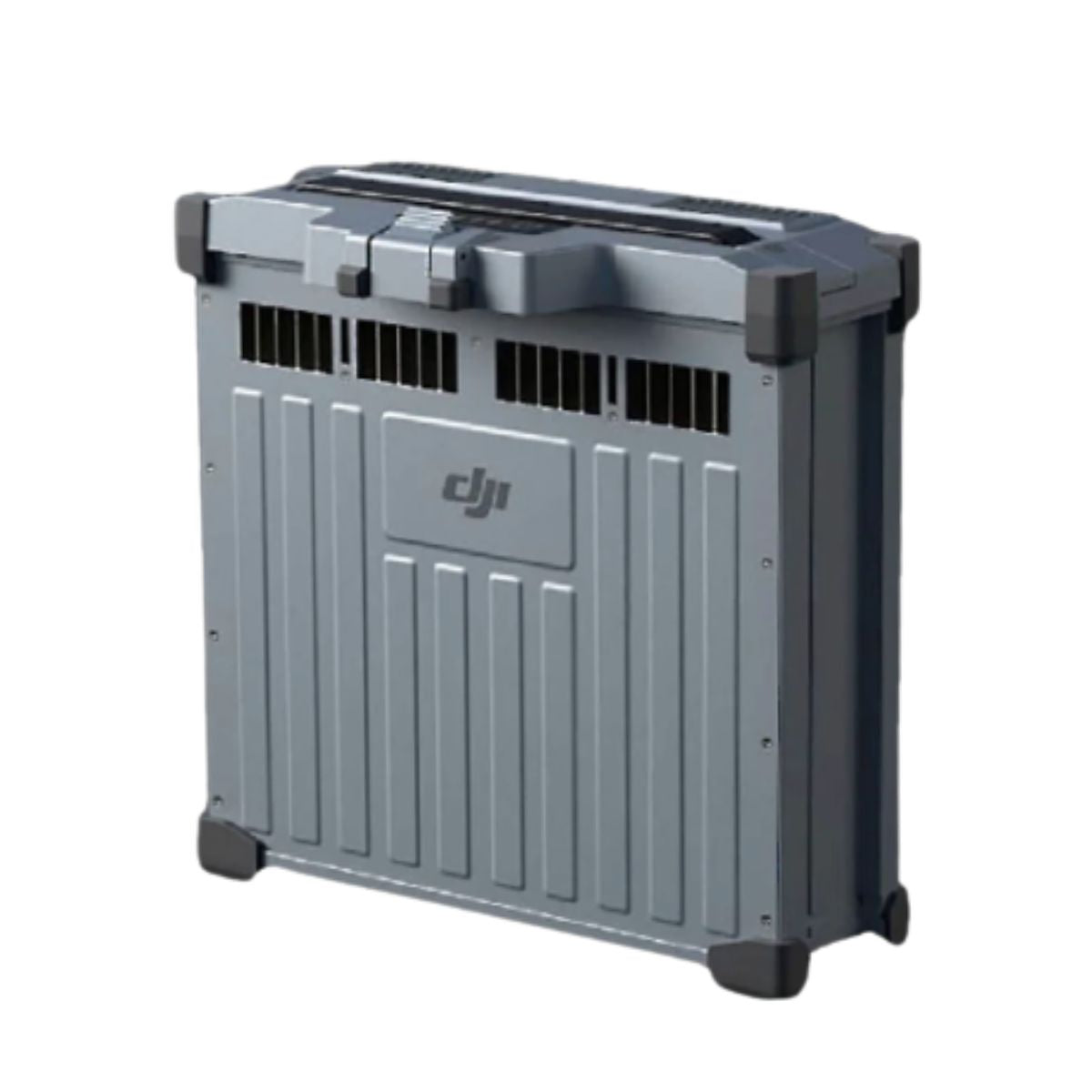
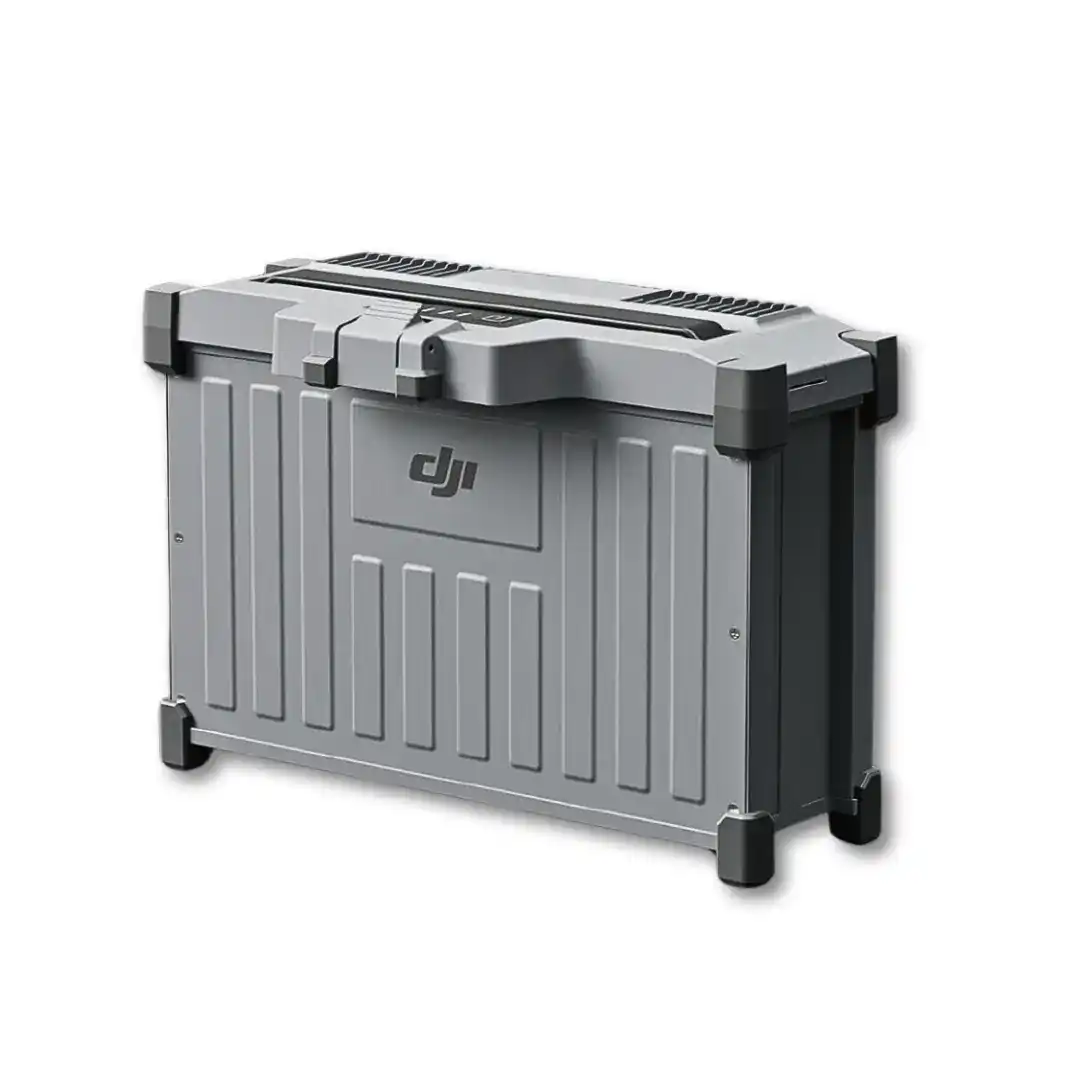
- Flight batteries: the DB2160 (41000 mAh) and DB2160 Air-Cooled Heat Sink for the T100, the DB1560 (30000 mAh) for the T50, and the DB800 for crews still flying earlier compact Agras aircraft.
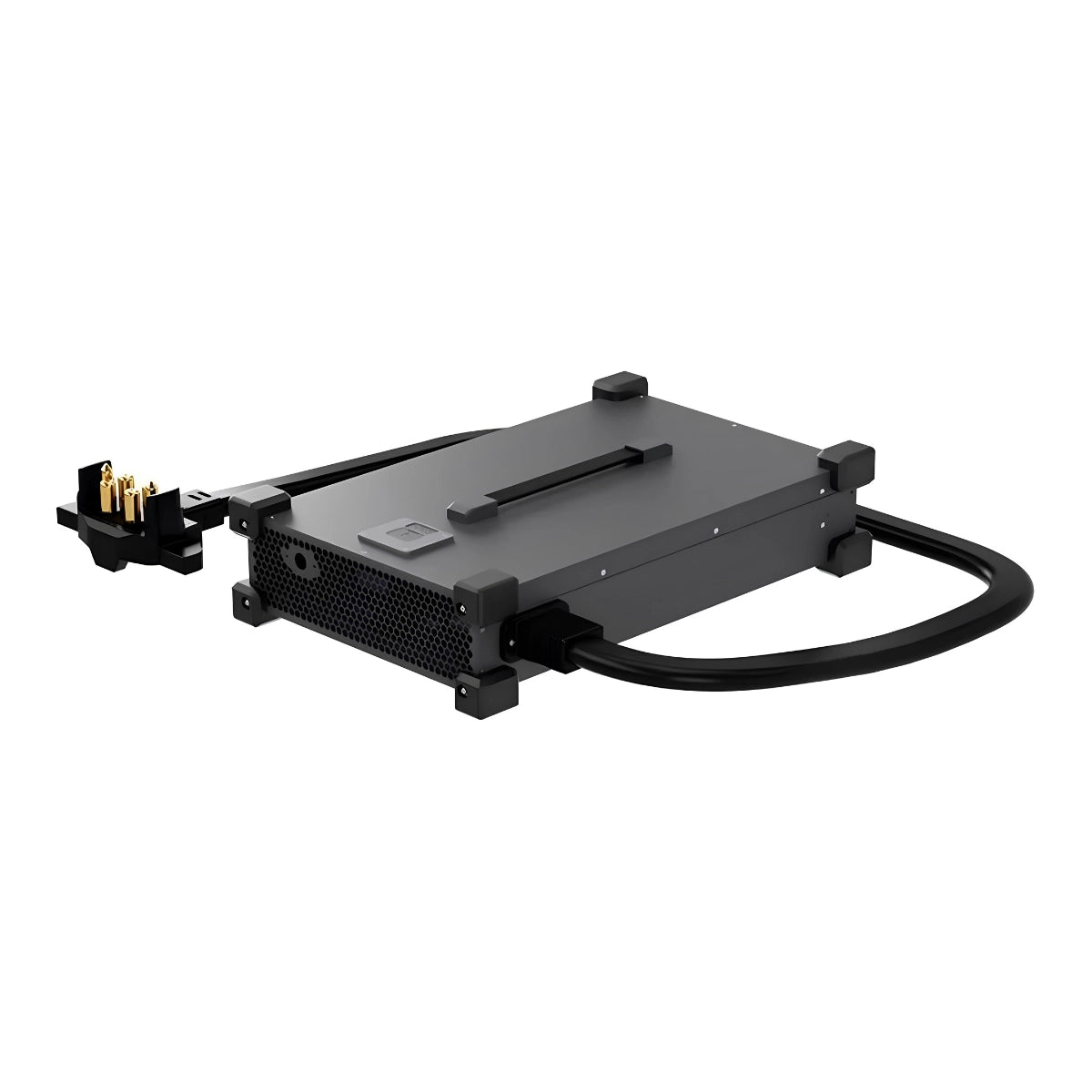
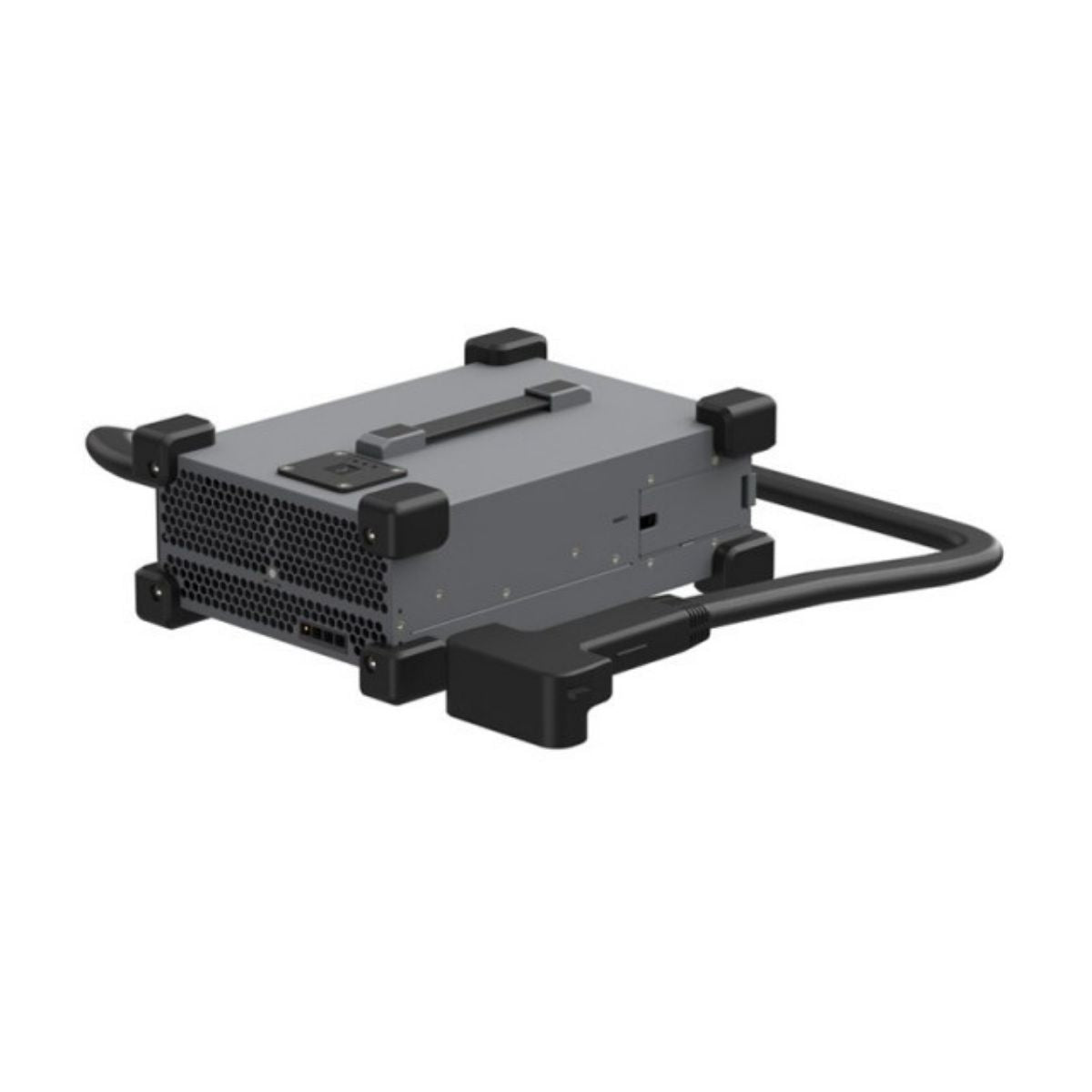
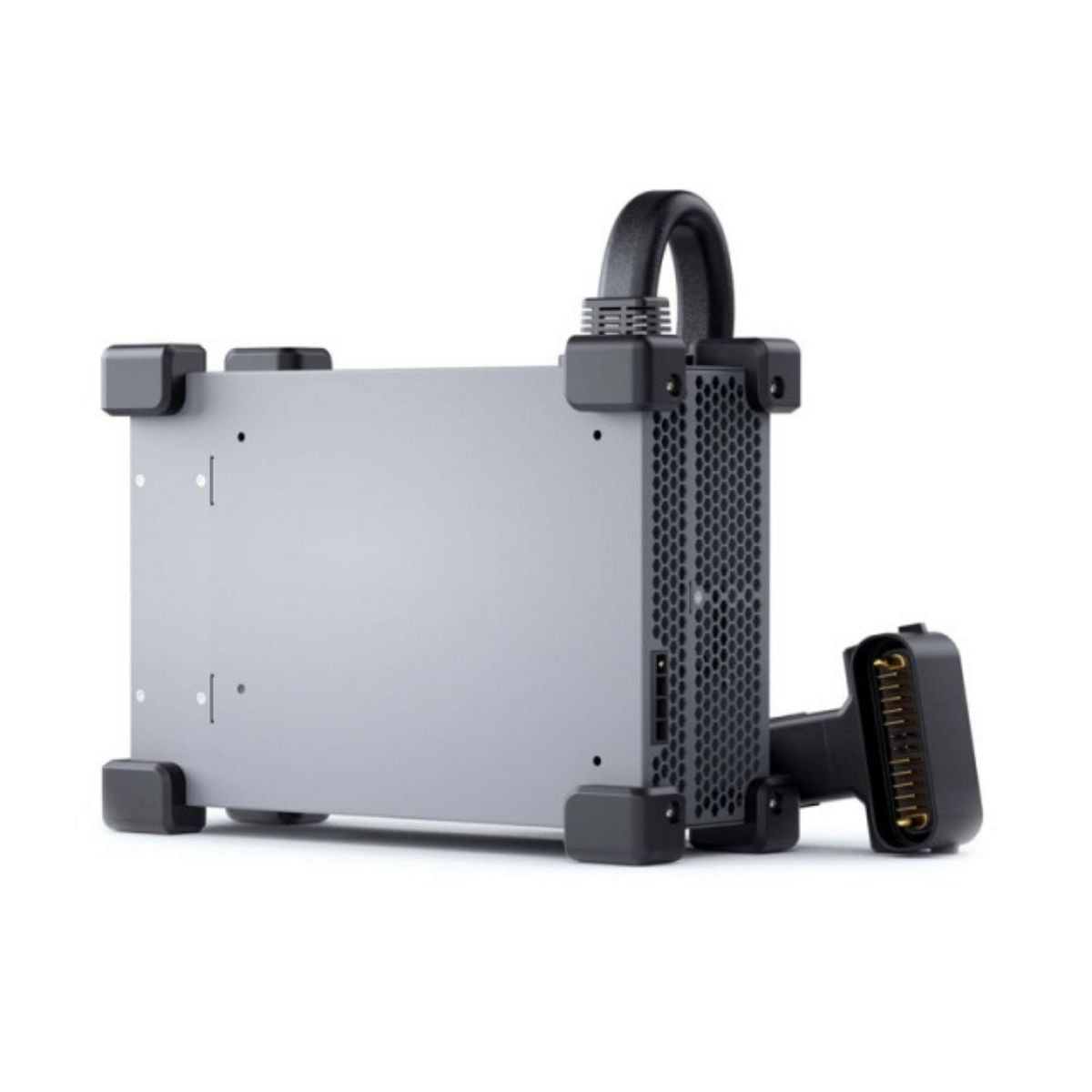
- C12000 Intelligent Power Supply: charges a DB2160 from 30% to 95% in 8 to 9 minutes at its full 12000 W rating on three-phase 380 V power, or delivers 3000 W on single-phase 220 V.
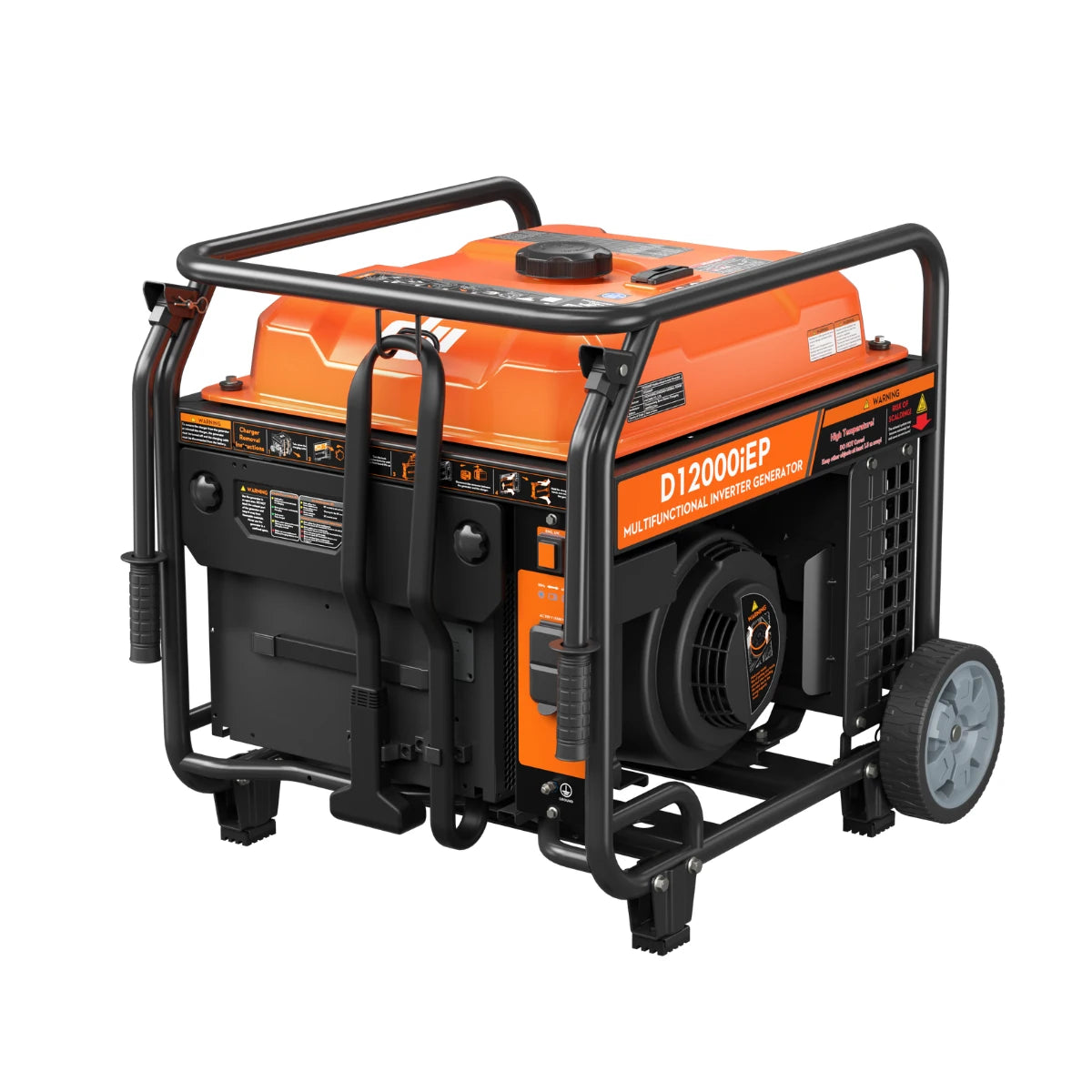
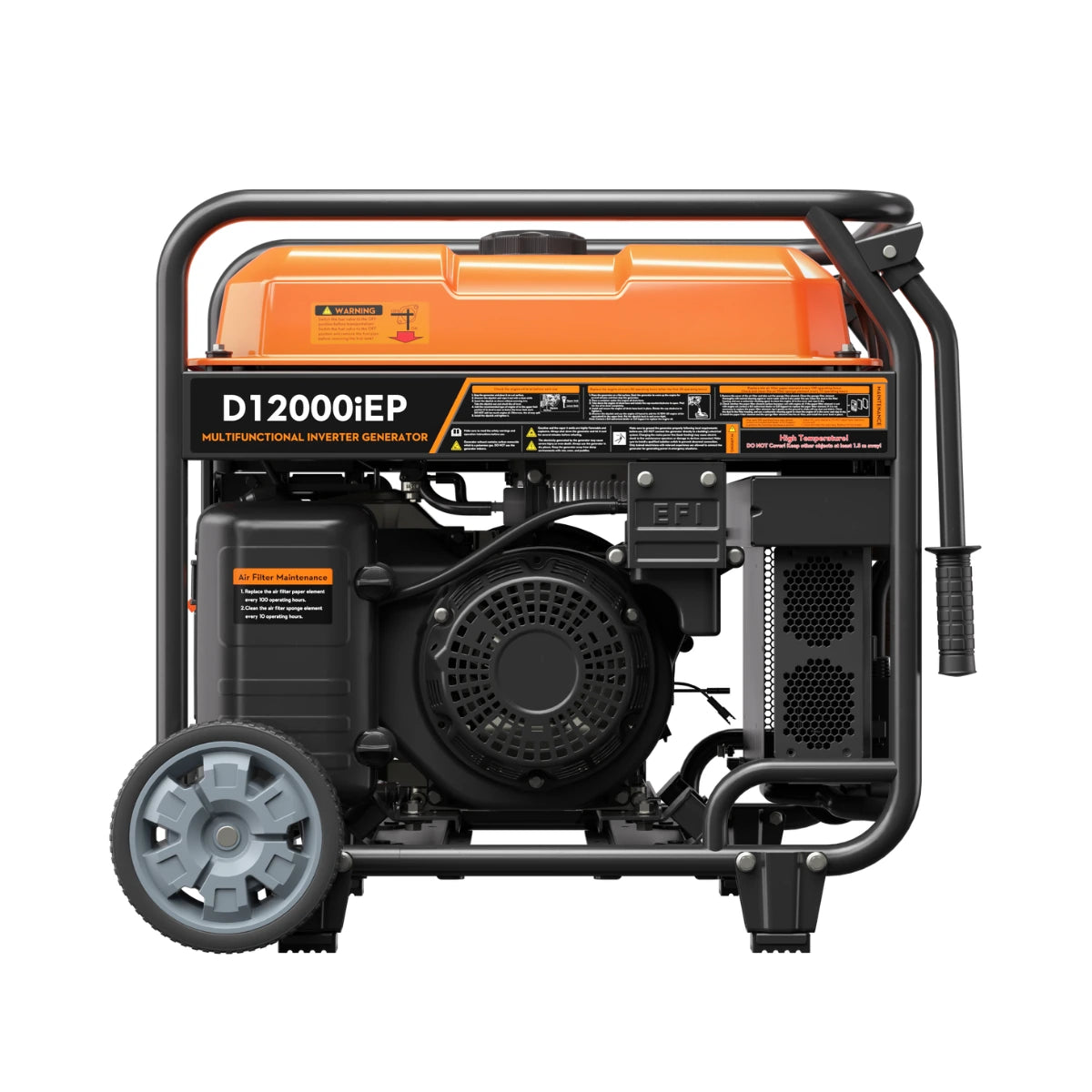
- D14000iE Multifunctional Inverter Generator: 11500 W of DC charging output and a 7.9 gal (30 L) fuel tank for charging DB2160 batteries away from the grid.
- C10000 Battery Charger: up to 9000 W on 220 to 240 V input or 3000 W on 100 to 120 V input for DB1560 batteries, plus DB2160 charging with an adapter cable.
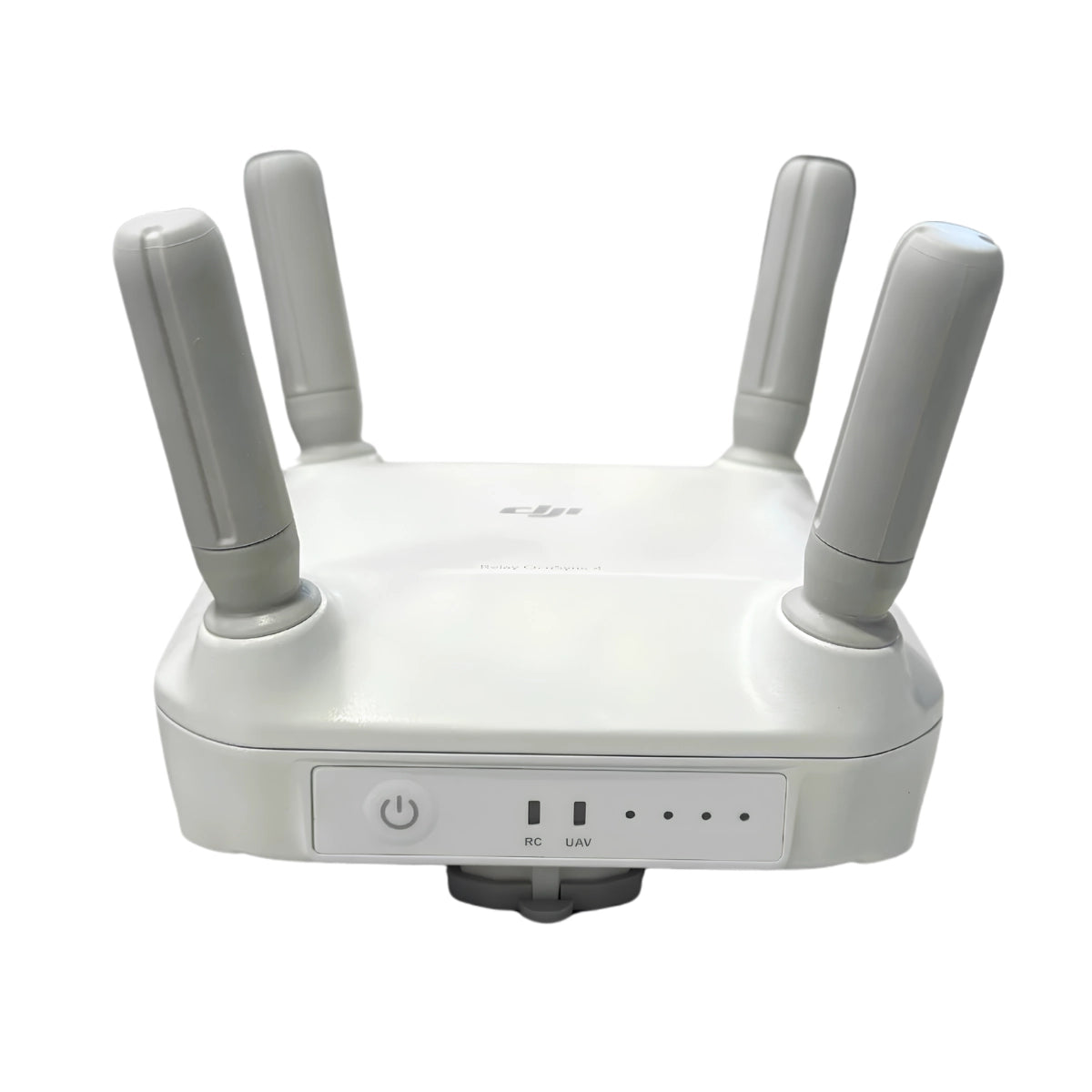
- O4 Relay: extends the T100 link up to 5 mi (8 km) under FCC rules in interference-free conditions, with a 5 hour battery and IP55 protection.
- Controllers: the DJI RC Plus 2 with a 7 in, 1400 cd/m² screen for the T100, and the DJI RC Plus with a 7.02 in screen for the T50.
What the Agras Lineup Handles on Every Pass
- High spray volume: the T100 moves up to 7.9 gal/min (30 L/min) with two nozzles or 10.6 gal/min (40 L/min) with four, and the T50 runs 4.2 gal/min (16 L/min) or 6.3 gal/min (24 L/min).
- Wide effective swath: up to 42.7 ft (13 m) on the T100 and 36.1 ft (11 m) on the T50, depending on the working scene.
- Single-side spraying: on turns, corners and bypasses, the T100 can run just the nozzle nearest the field boundary or the obstacle, which tightens up edge coverage.
- Spreading throughput: the T100 discharges up to 882 lb/min (400 kg/min) of compound fertilizer across a 9.8 to 32.8 ft (3 to 10 m) width.
- Room for light material: the 39.6 gal (150 L) spreading tank suits low-density material such as grass seed and cuts down on refills and battery swaps.
- Cable lifting: the T100 lifts up to 220 lb (100 kg) with the standard lifting system or 176 lb (80 kg) with the dual-battery system on a recommended 33 to 49 ft (10 to 15 m) cable.
- Wire and pole detection: T100 LiDAR builds a dense point cloud to pick out wires, poles, towers and trees, while its radar keeps working at night and in fog.
- Obstacle memory: an unmarked obstacle can be saved with one click on the controller, so the T100 routes around it on later passes.
- Terrain follow on slopes: T50 phased array radar supports terrain follow on slopes up to 50° without a pre-mapped route.
- Orchard surveying: the T50 surveys orchards on slopes up to 20°, slowing down automatically as the grade gets steeper.
Where Agras Crews Put These Drones to Work
- Row crop protection: fungicide, herbicide and insecticide passes over field crops, with the quad nozzle kit for jobs that need higher application rates.
- Orchards and vineyards: 3D orchard routes for tree rows, built from T50 surveying flights on slopes up to 20°.
- Fertilizer application: granular fertilizer spread at up to 882 lb/min (400 kg/min) on the T100 or with the T50 spreading system.
- Seeding and cover crops: broadcasting seed, including low-density grass seed in the 39.6 gal (150 L) spreading tank.
- Hillsides and terraces: terrain follow and slope-aware surveying help hold application height over uneven ground.
- Field edges and obstacles: single-side spraying on the T100 for boundaries, tree lines and poles.
- Aquaculture and flooded fields: the T100 spreading system can run without its spreader disc for aquaculture work and fertilizing lotus fields.
- On-farm cargo: lifting saplings, fruit, fertilizer and building materials across ground that is hard to drive.
DJI Agriculture App, RTK Mapping, and Route Planning
Flight planning and operation run through the DJI Agriculture app on the controller, the DJI RC Plus 2 for the T100 and the DJI RC Plus for the T50. The app recommends a loading weight from aircraft status, environmental conditions and the task, and that recommendation is the number to fly by, especially at higher elevations where available payload drops. On the T50, area route surveying maps a whole field and detects boundaries and obstacles automatically, while boundary route surveying maps a 66 ft (20 m) strip around the edge for quick coverage of open ground. FPV mapping on the T50 requires RTK, and RTK is also what gets both aircraft to 3.9 in (10 cm) hover accuracy.
Routes carry forward too. Field and 3D orchard routes surveyed with one T series Agras drone can be reused on others once you check margins, route spacing and speed. Wires and other linear obstacles still need to be marked by hand. DJI SmartFarm Web rounds out the system as DJI's web platform for agriculture operations.
Picking Between the T100 and T50 for Your Acreage and Power Setup
- Acres per day and tank size: the T100's 26.4 gal (100 L) tank holds 2.5 times the T50's 10.6 gal (40 L), which means fewer refill stops on big blocks.
- Mission mix: if lifting is part of the job, the T100 is the only aircraft here with a lifting system, while for spraying and spreading alone, both platforms fit.
- Power at the field edge: the C12000 needs three-phase power to reach its 12000 W rating, the D14000iE generator charges DB2160 batteries away from the grid, and the C10000 drops to 3000 W on a 100 to 120 V outlet, so charge times run longer.
- Transport and handling: the T100 weighs 165 lb (75 kg) in spraying configuration and folds to 43.5 x 49.8 x 38.4 in (1105 x 1265 x 975 mm), while the T50 weighs 114.6 lb (52 kg) with battery and folds to 43.9 x 29.5 x 35.4 in (1115 x 750 x 900 mm).
- Terrain and obstacles: fields near power lines, poles and tree lines benefit from the T100's LiDAR and obstacle memory, while the T50's radar handles terrain follow on slopes up to 50°.
- Batteries you already own: DB1560 batteries stay with the T50, and a C10000 you already run can charge the T100's DB2160 with the correct adapter cable.
- Signal coverage: on long or obstructed fields, the O4 Relay extends the T100's link up to 5 mi (8 km) under FCC rules in clear, interference-free conditions.
Across both platforms, the Agras series gives an application crew one system for liquids, granules and, on the T100, cargo, with sensing and RTK routing handling the repetitive work while the pilot watches the field. Pick the aircraft by capacity and mission mix, then build batteries and charging around the power you actually have on site.
DSLRPros sets up Agras aircraft, mission systems and ground power as working field packages, matched to your acreage, crops and charging power. Talk with our team about the right T100 or T50 configuration, then order the aircraft, mission systems and batteries from this collection to get your crew in the air.
Frequently Asked Questions
What is the difference between the DJI Agras T100 and the Agras T50?
The T100 carries a 26.4 gal (100 L) spray tank, a 39.6 gal (150 L) spreading tank and up to 220 lb (100 kg) of cable cargo, while the T50 carries a 10.6 gal (40 L) spray tank or a 19.8 gal (75 L) spreading tank. The T100 also adds a lifting system, LiDAR obstacle sensing and higher spray flow of up to 10.6 gal/min (40 L/min). The T50 is the lighter, smaller aircraft at 114.6 lb (52 kg) with its battery. Both hover within 3.9 in (10 cm) with RTK.
Can one Agras T100 spray, spread, and lift?
Yes. The T100 airframe accepts a spraying system, the 150L spreading system or a lifting system, and you switch jobs by changing the mission system mounted underneath. Each system is sold separately from the airframe. The spray nozzles can be removed when you are only spreading or lifting.
Does the Agras T100 Intelligent Airframe include batteries?
No. The T100 Intelligent Airframe ships with the DJI RC Plus 2 controller, and flight batteries and mission systems are purchased separately. The T100 uses the DB2160 Intelligent Flight Battery. Most crews pair it with the C12000 Intelligent Power Supply or the D14000iE generator for fast charging.
What power do I need to fast charge Agras batteries?
The C12000 reaches its 12000 W rating on three-phase 380 V power and charges a DB2160 from 30% to 95% in 8 to 9 minutes, while on single-phase 220 V it delivers 3000 W. The D14000iE generator charges the DB2160 in the same time without a grid connection. The C10000 delivers up to 9000 W on 220 to 240 V input and 3000 W on 100 to 120 V input. Actual charge times vary with input power, altitude, starting charge and battery temperature.
Will the T50 spraying system fit the T100?
No. DJI lists the T50 spraying system as incompatible with the T100. The T100 uses its own spraying systems, including the Spraying System with Air-Cooled Heat Sink and the Dual-Battery Spraying System. Nozzle upgrades such as the Row Crop Quad Nozzle Kit and the Mist Nozzle Package are built for the T100 spraying system.
Can Agras drones fly in wind, rain, or fog?
Both the T100 and T50 are rated for wind speeds under 13.4 mph (6 m/s). Obstacle sensing performance varies with lighting, rain, fog and the material, position and shape of obstacles. The T100's radar keeps working at night and in fog, but wires and other linear obstacles still need to be marked manually. Lifting in strong wind is not recommended, because the cargo can swing.