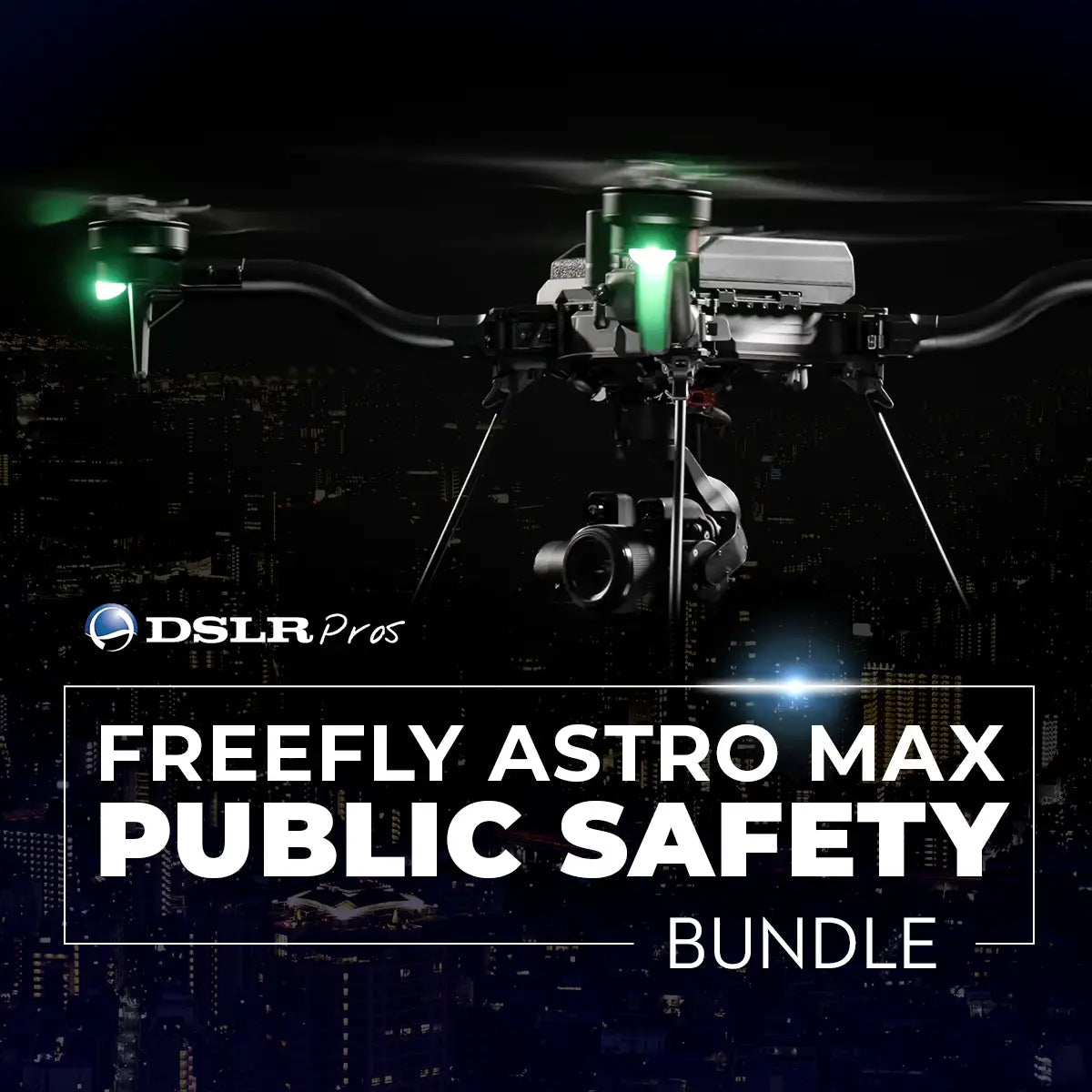
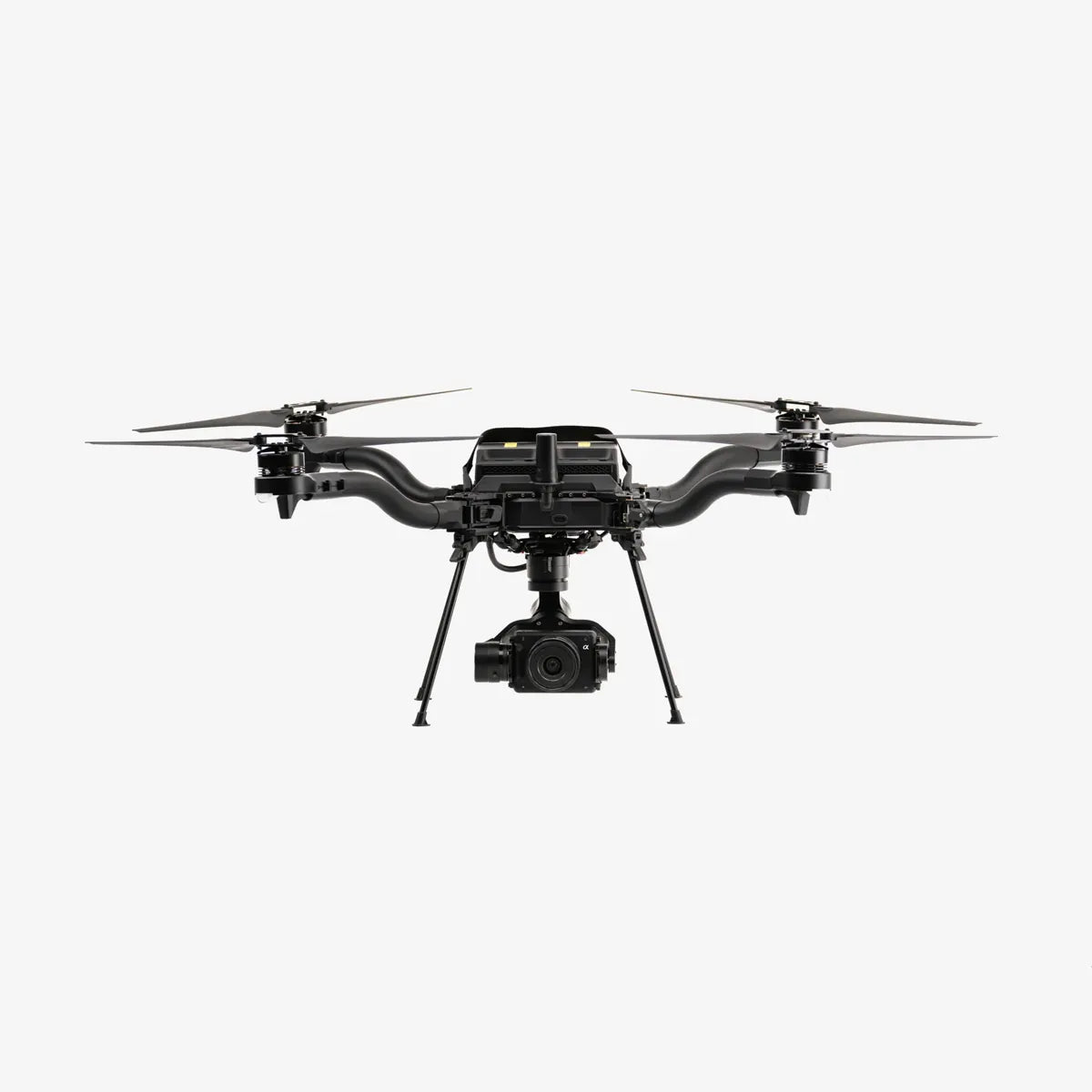
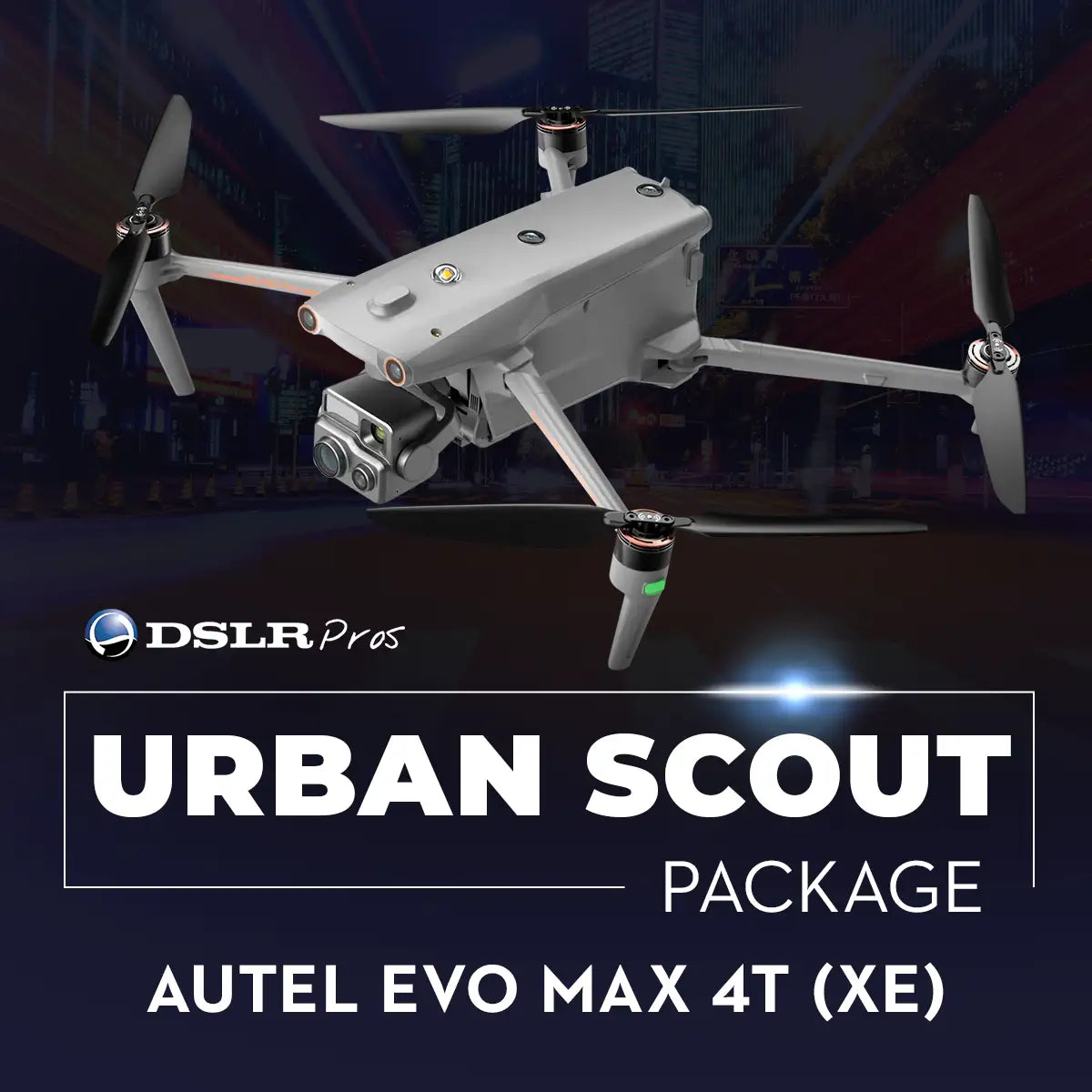
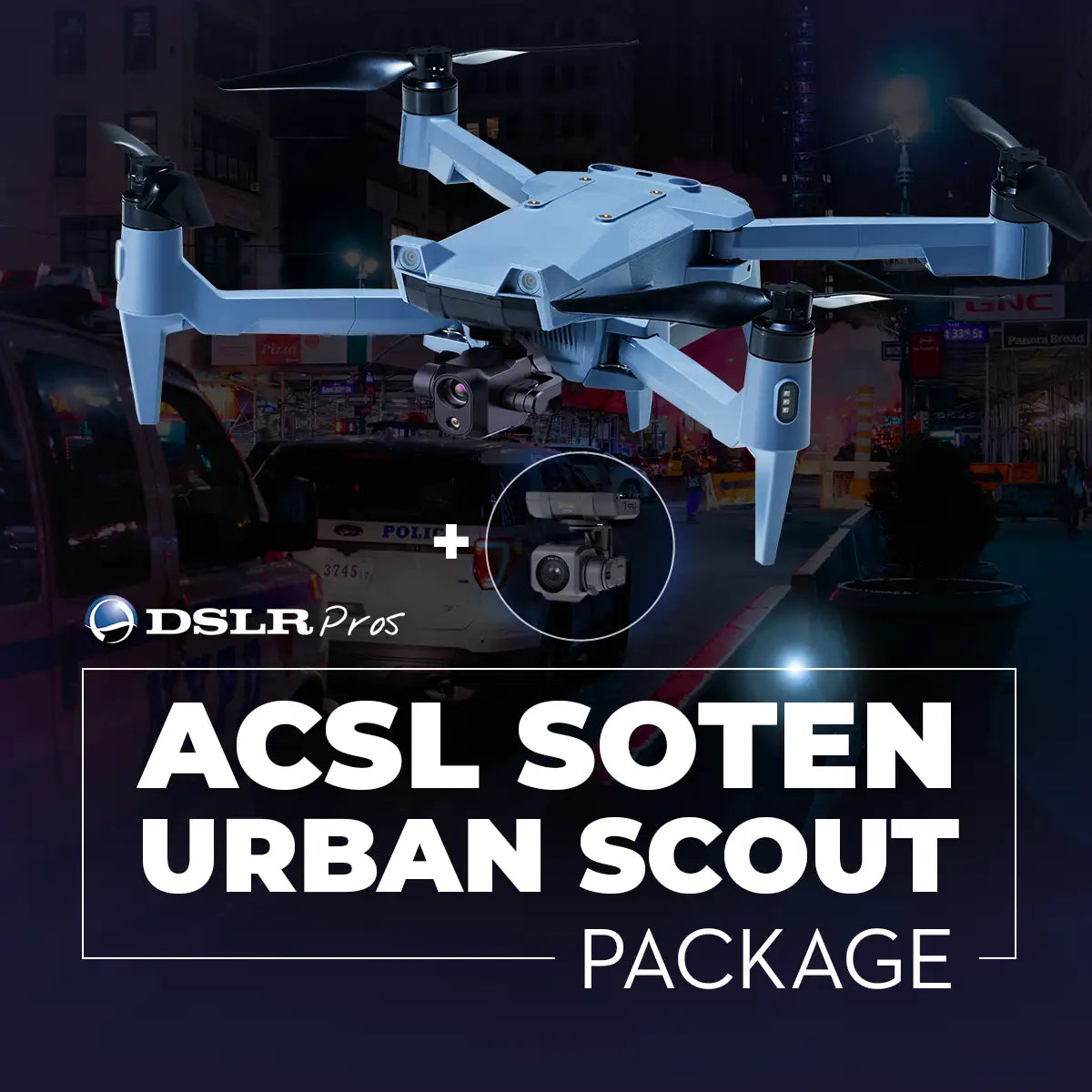
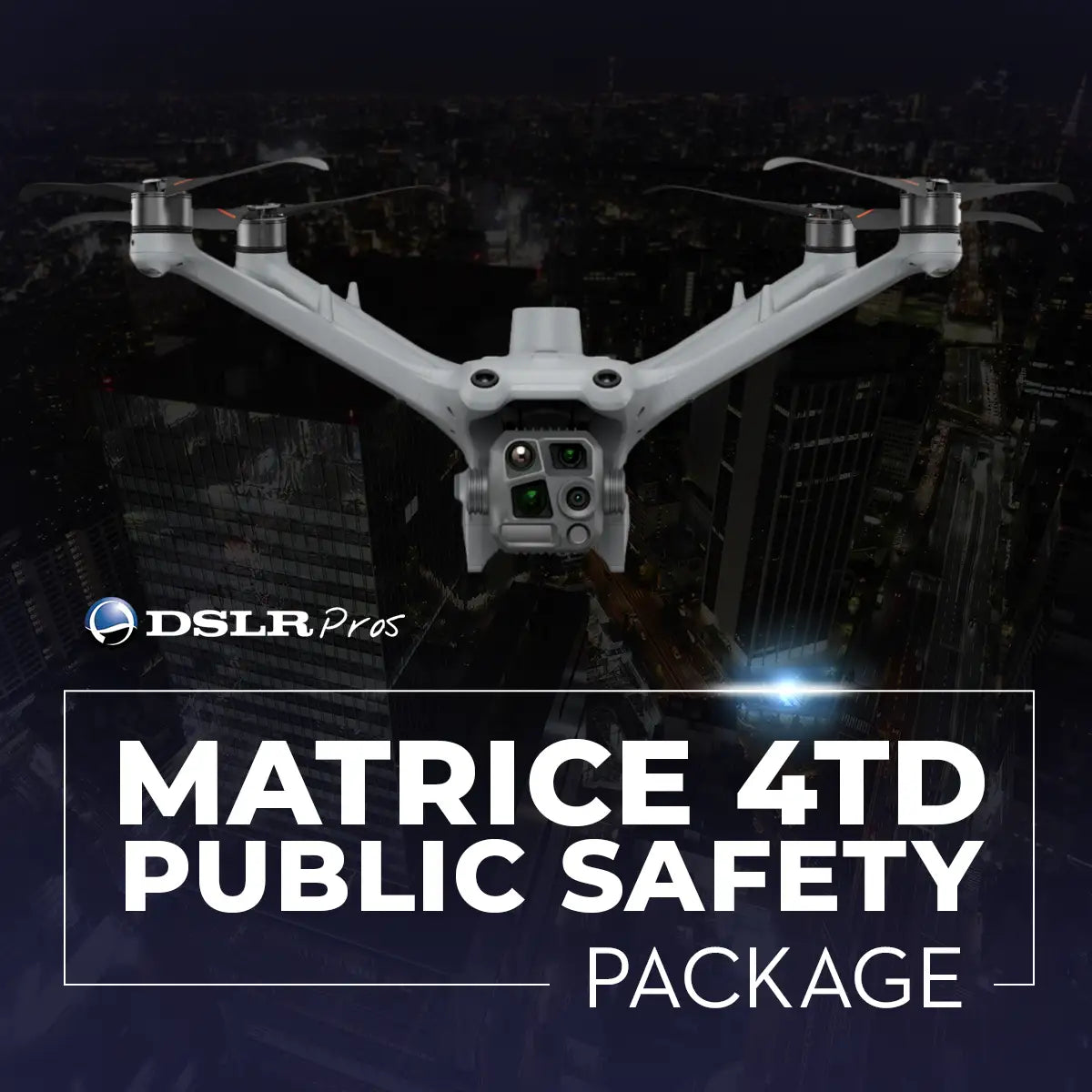
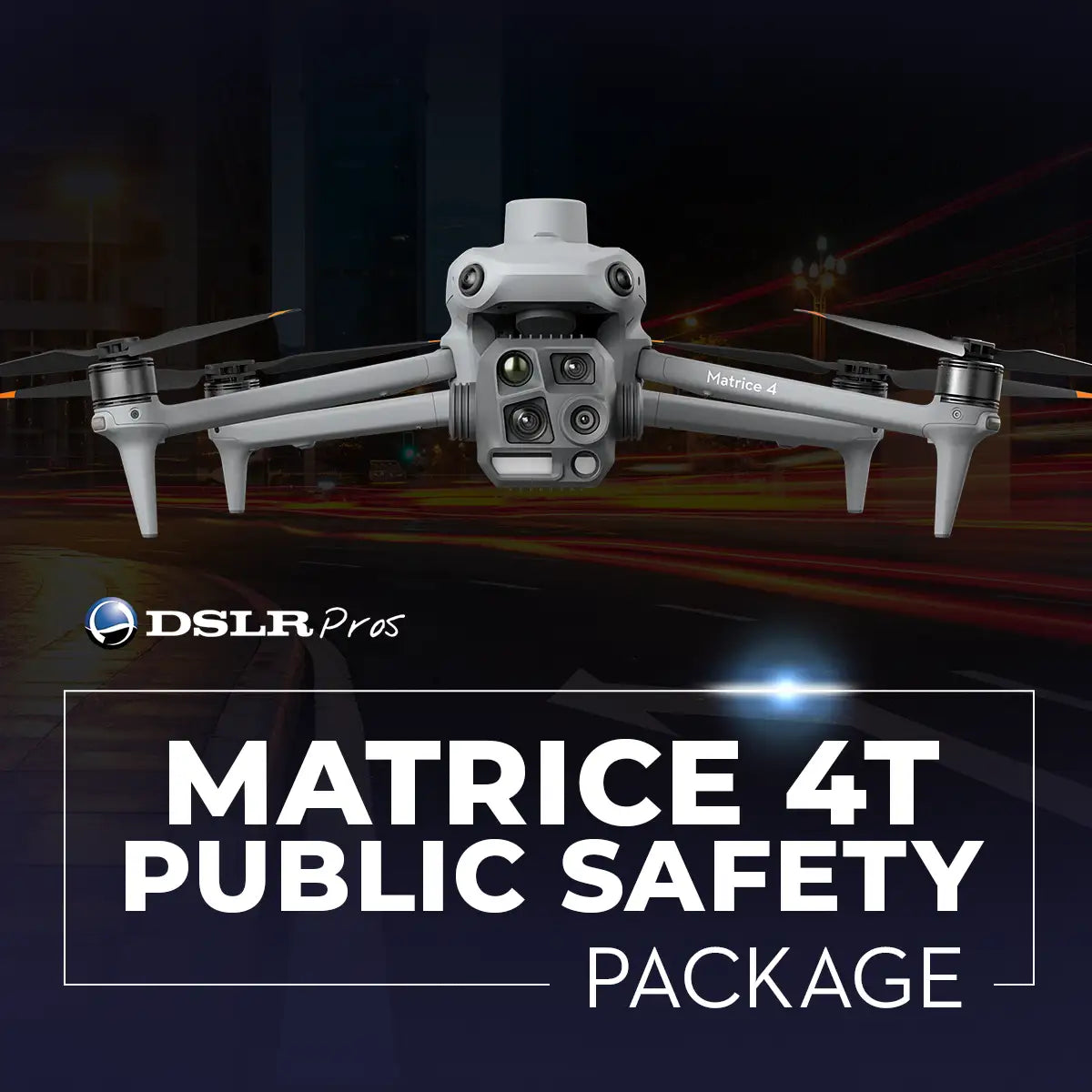
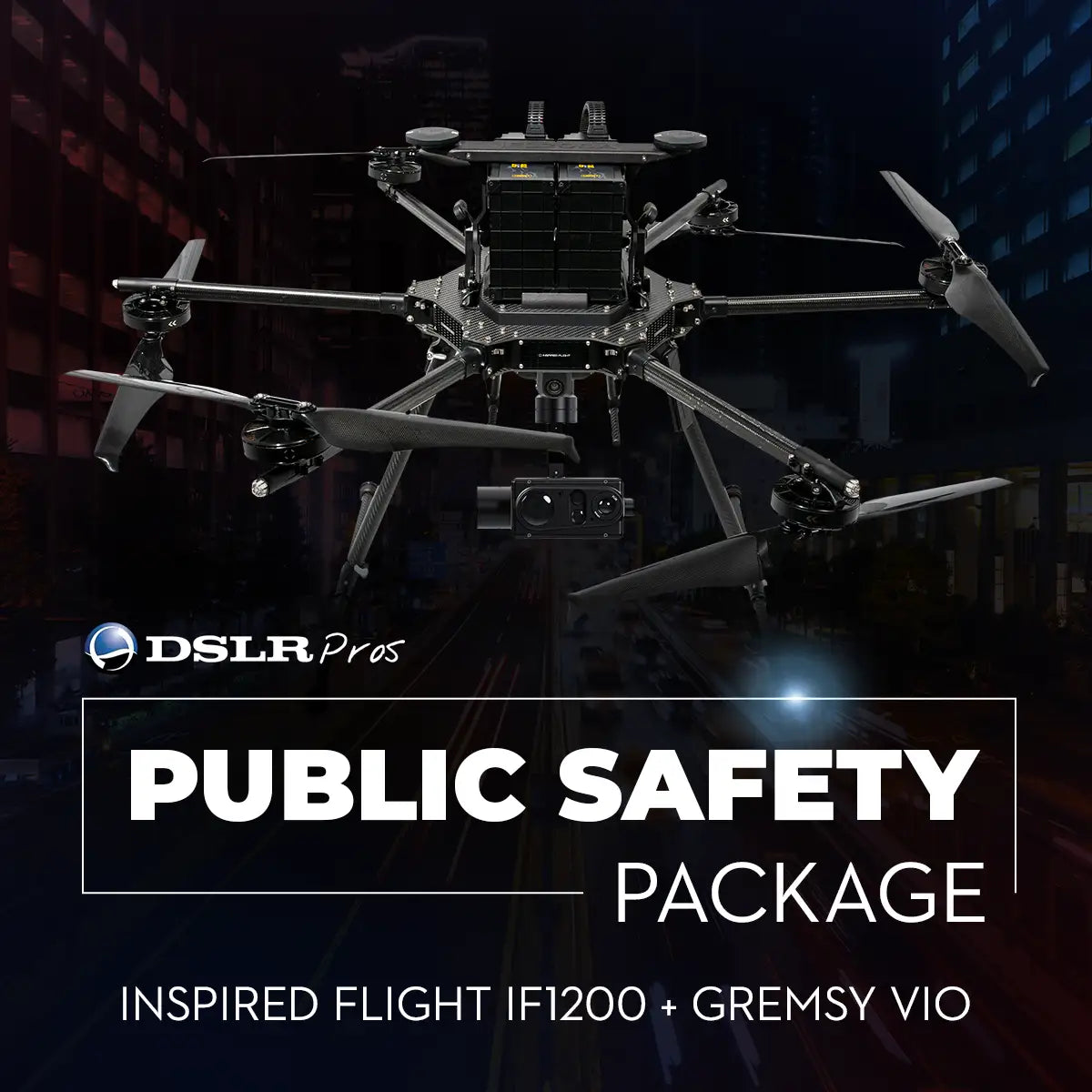
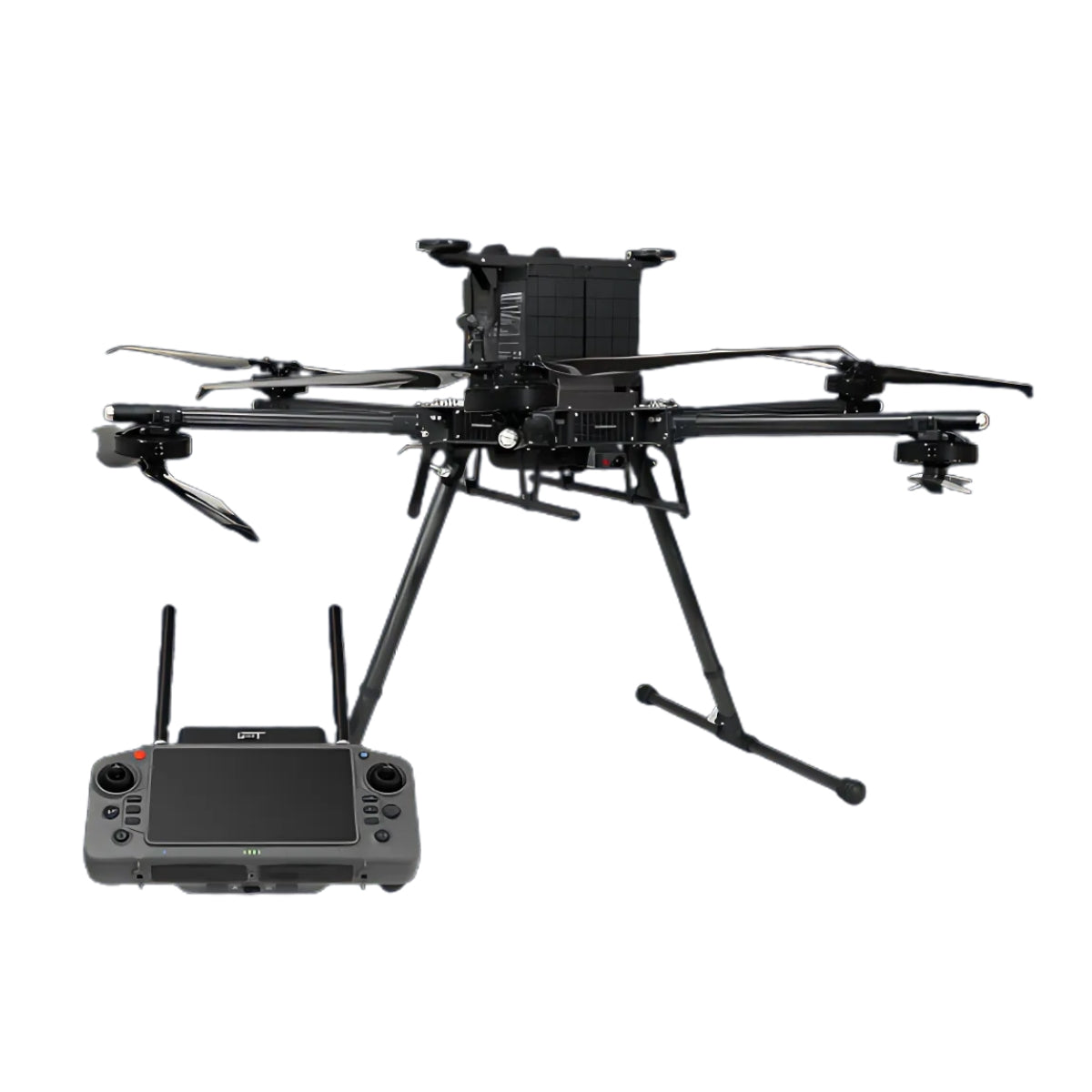
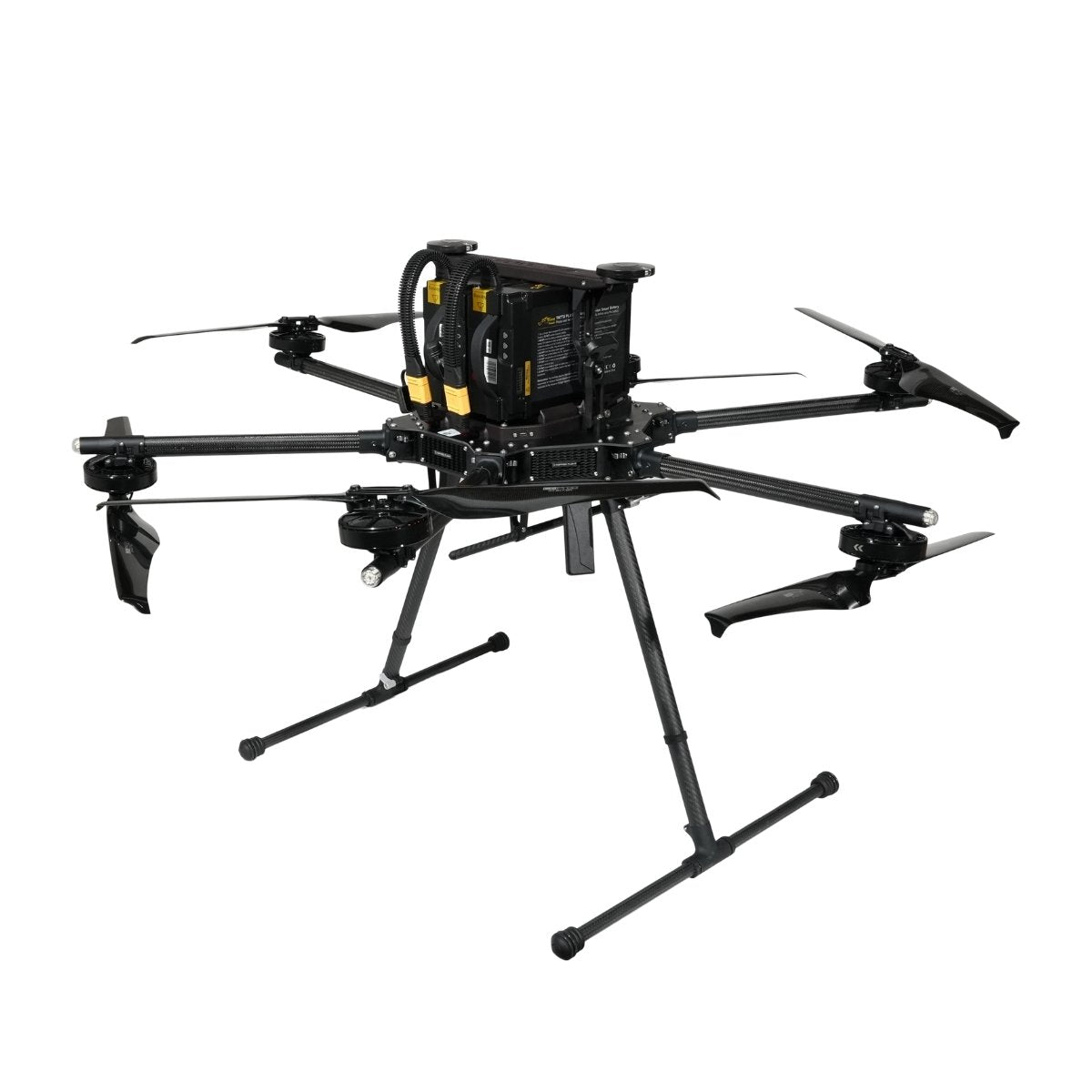
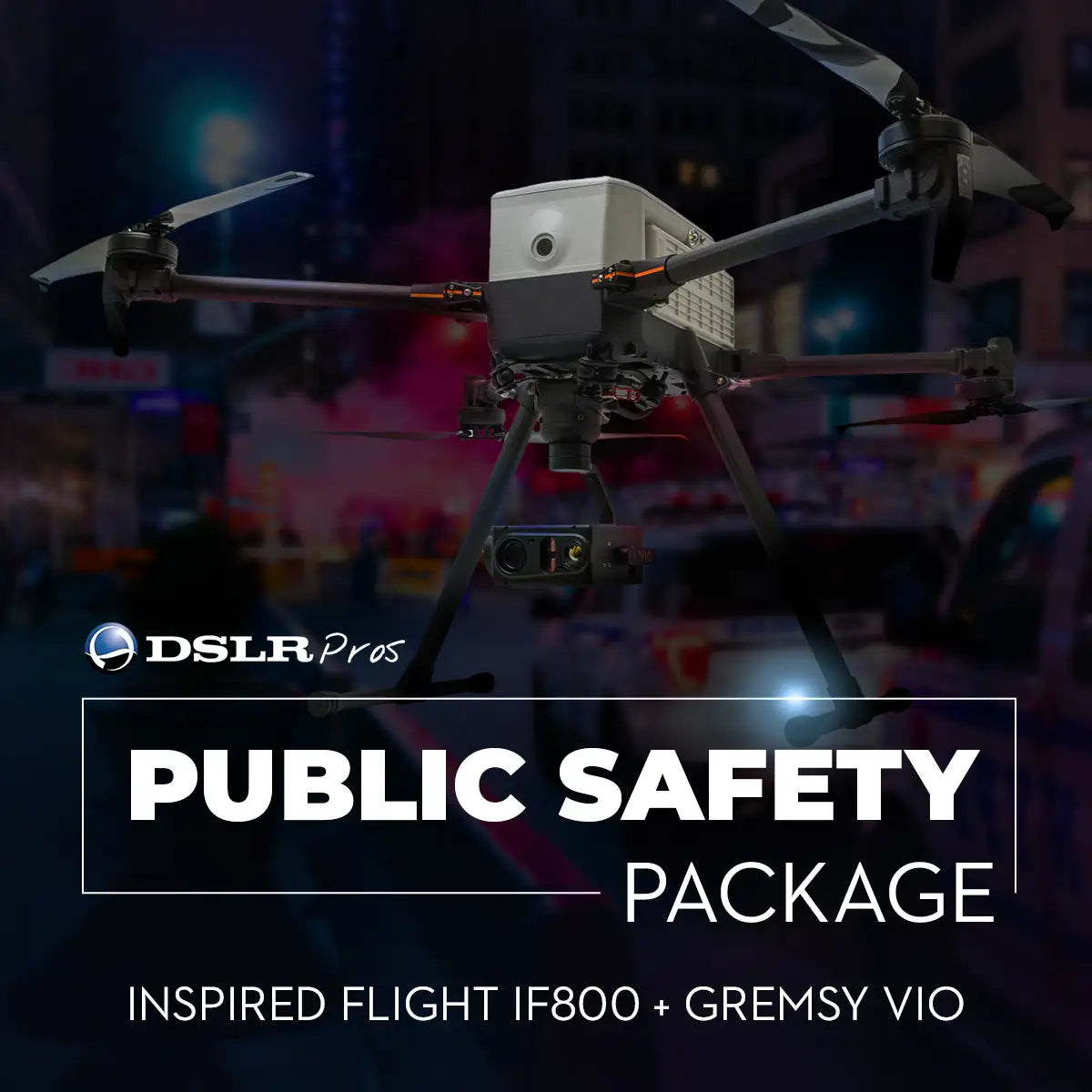
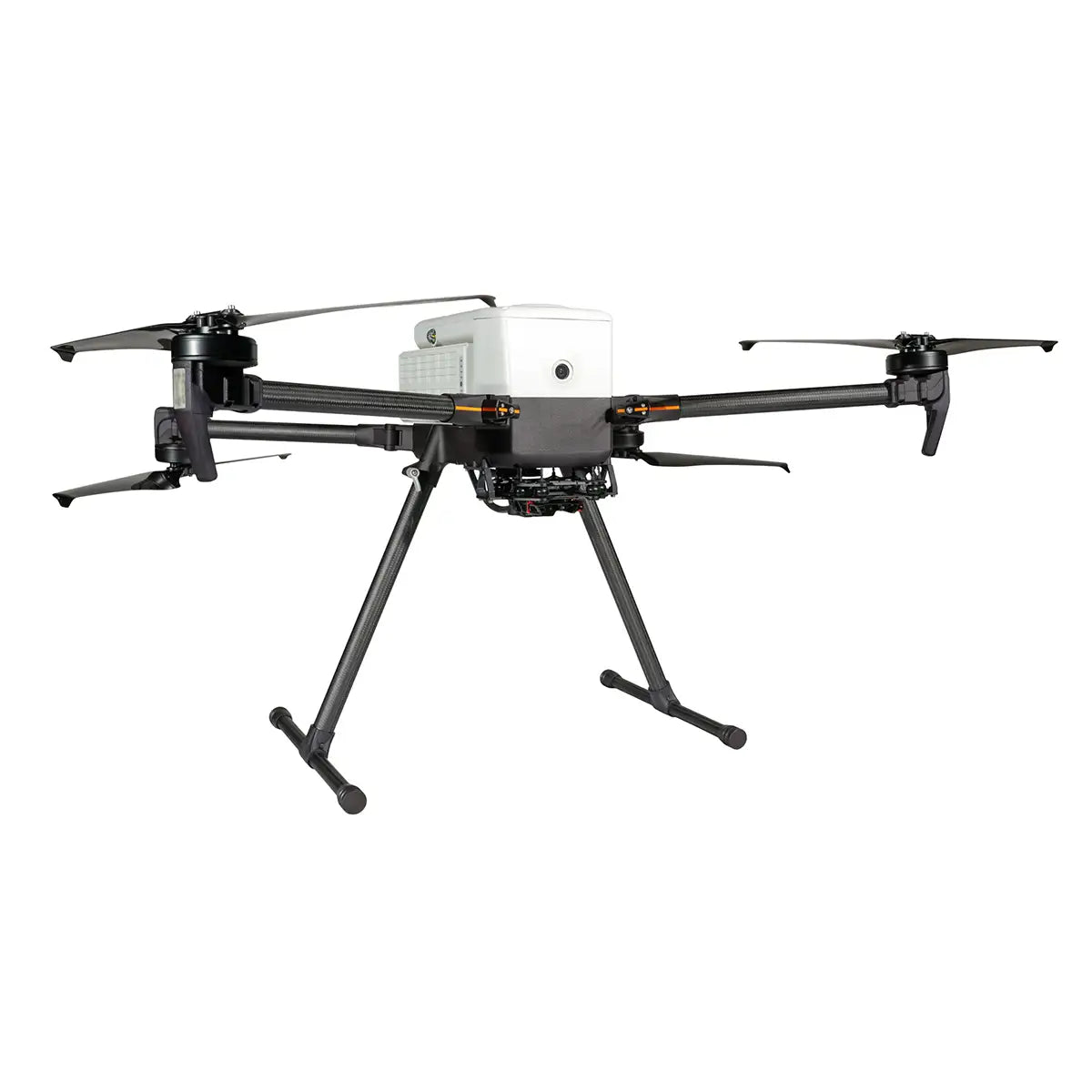
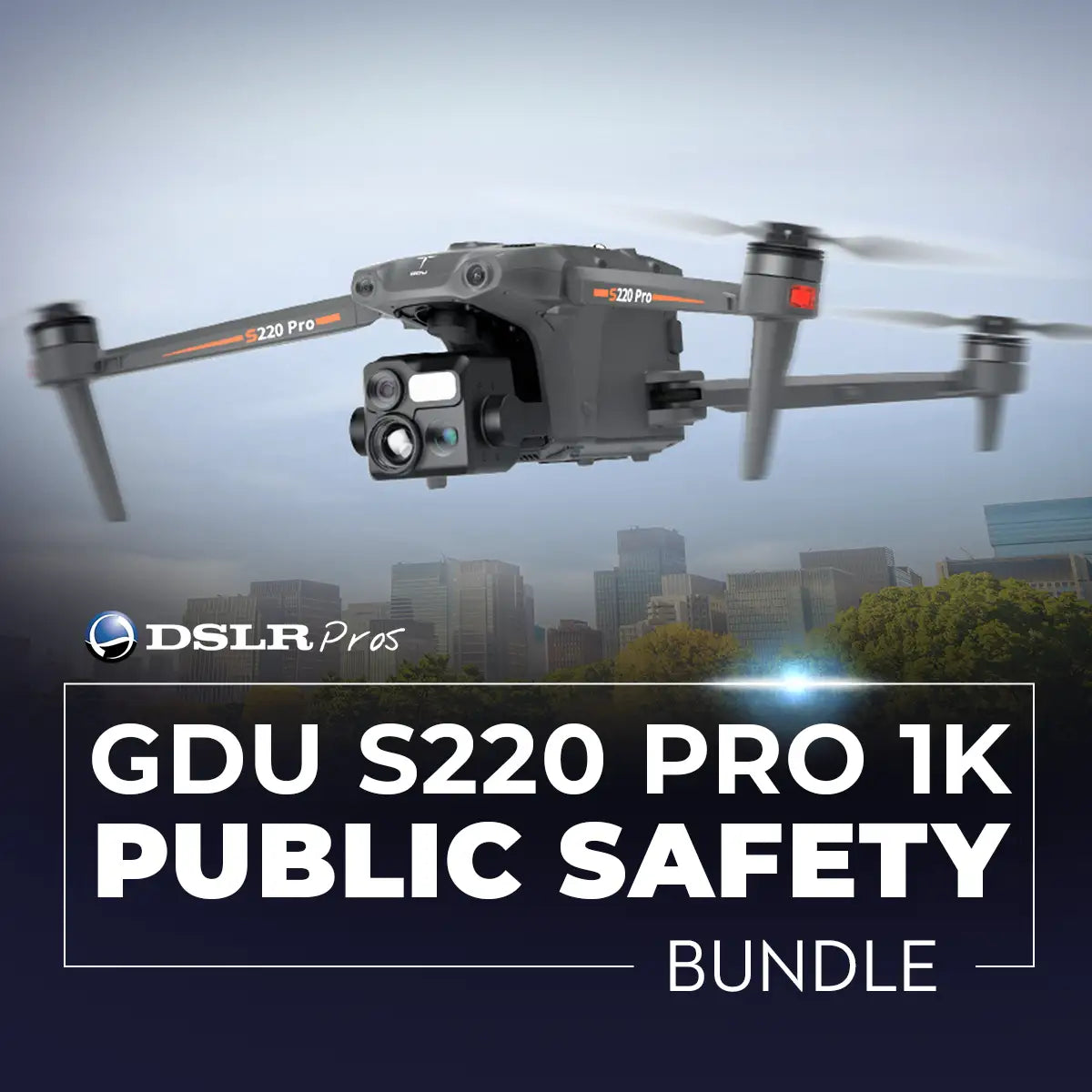
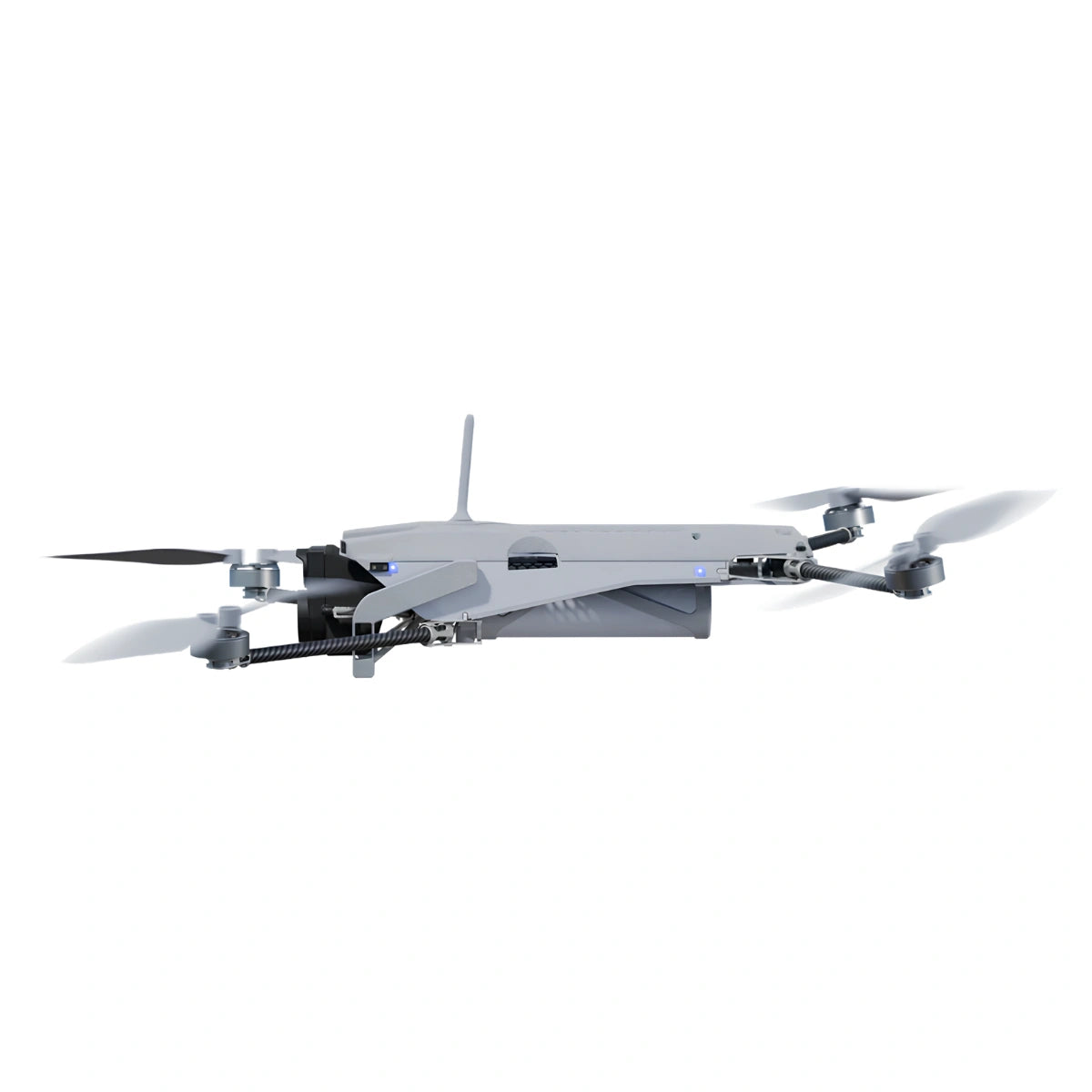
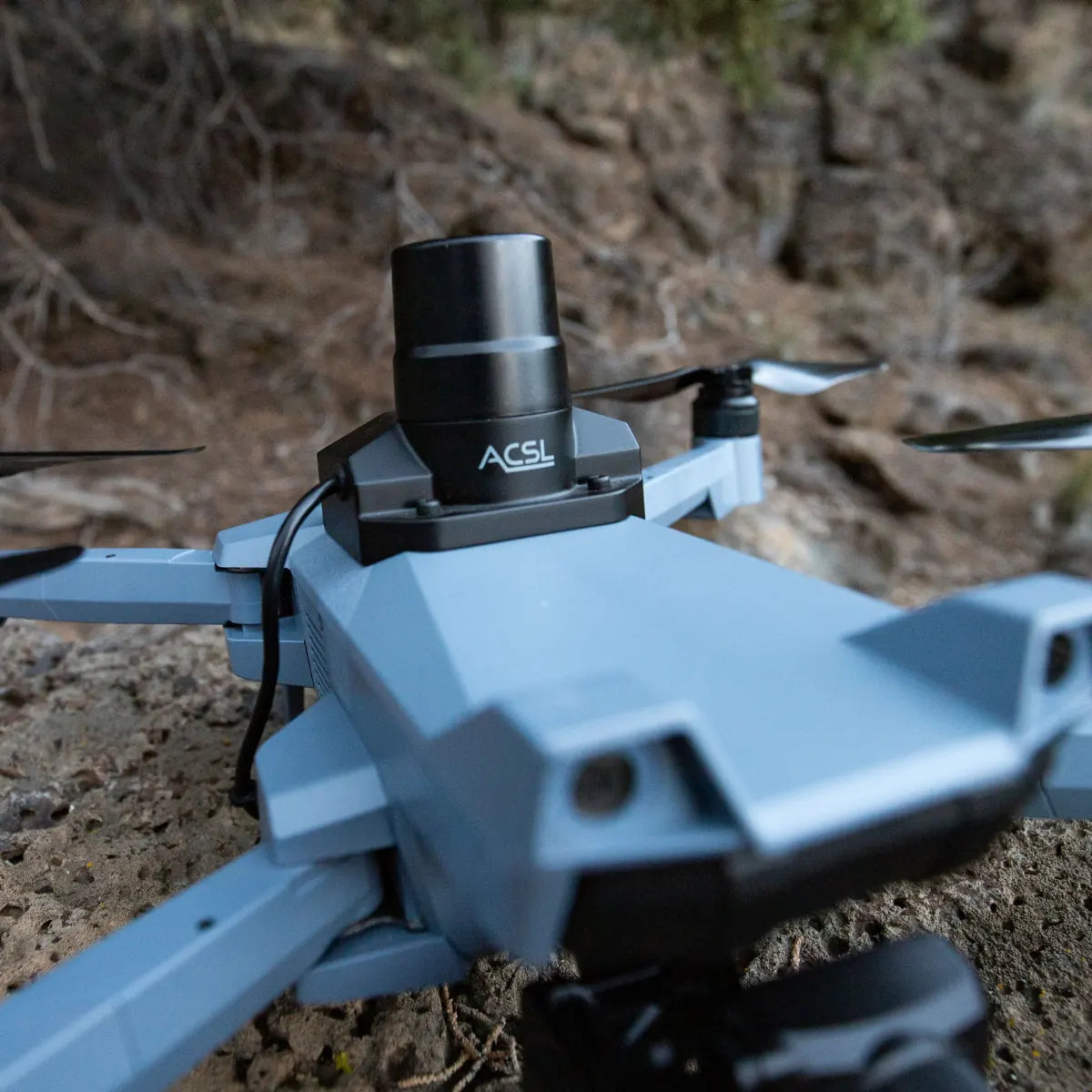
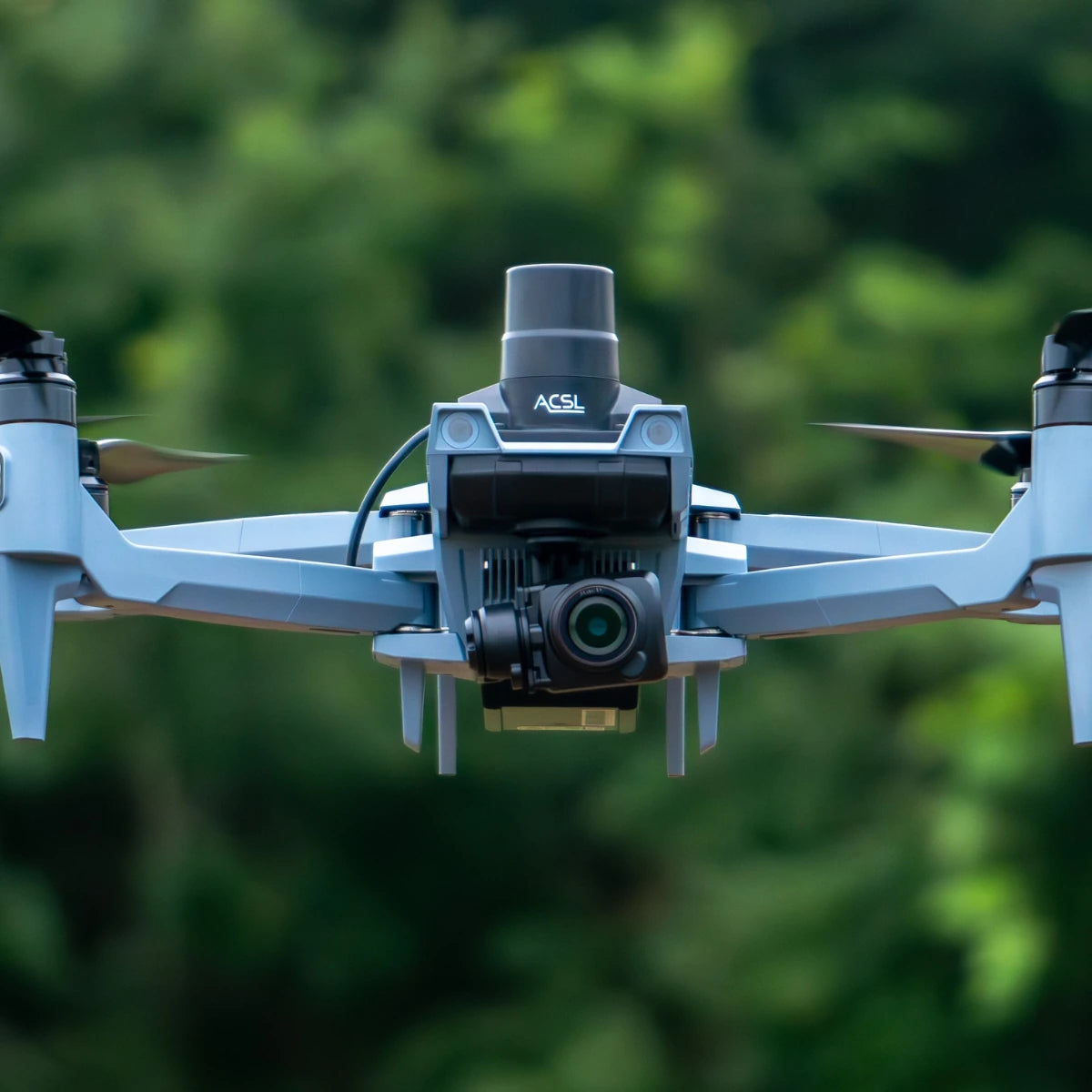
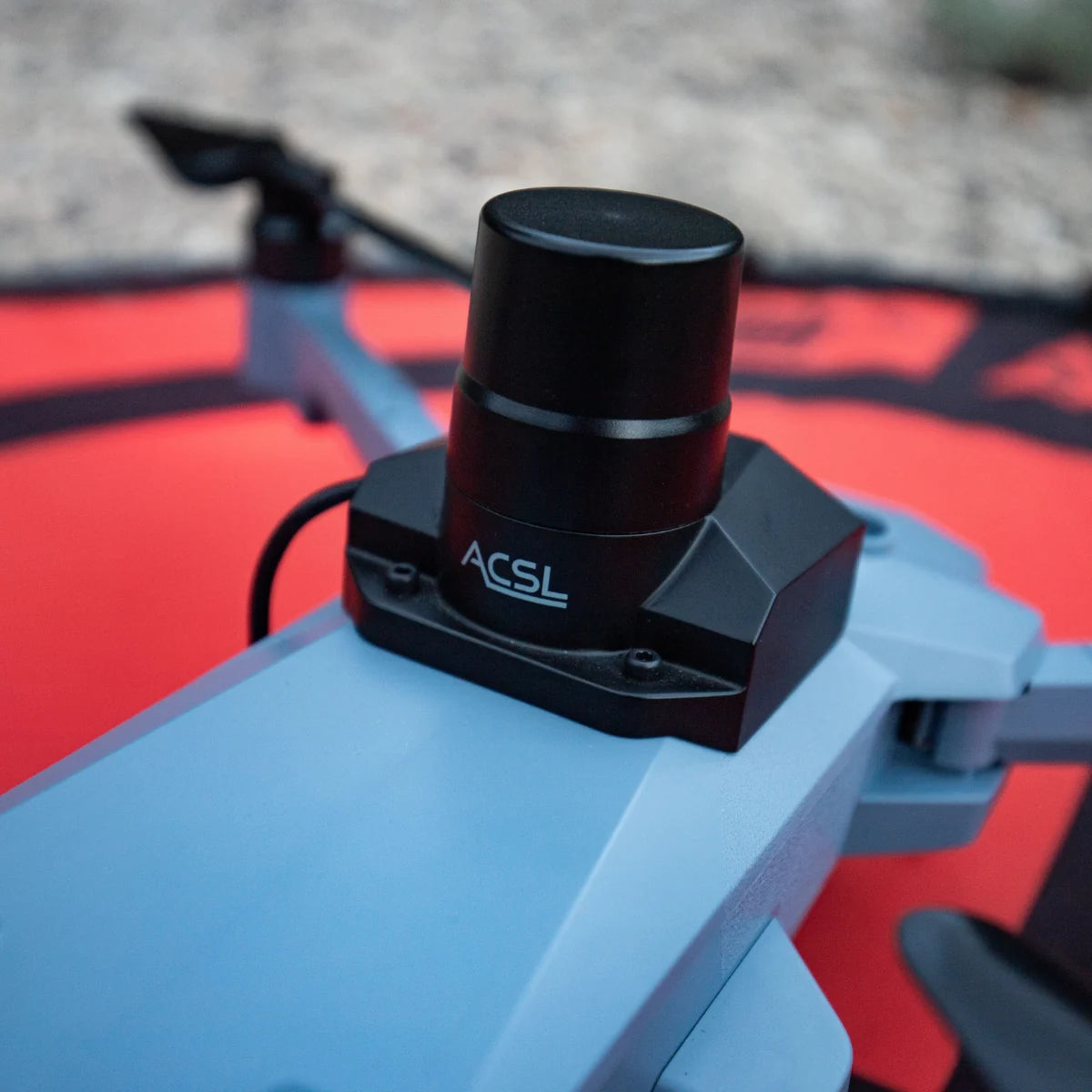
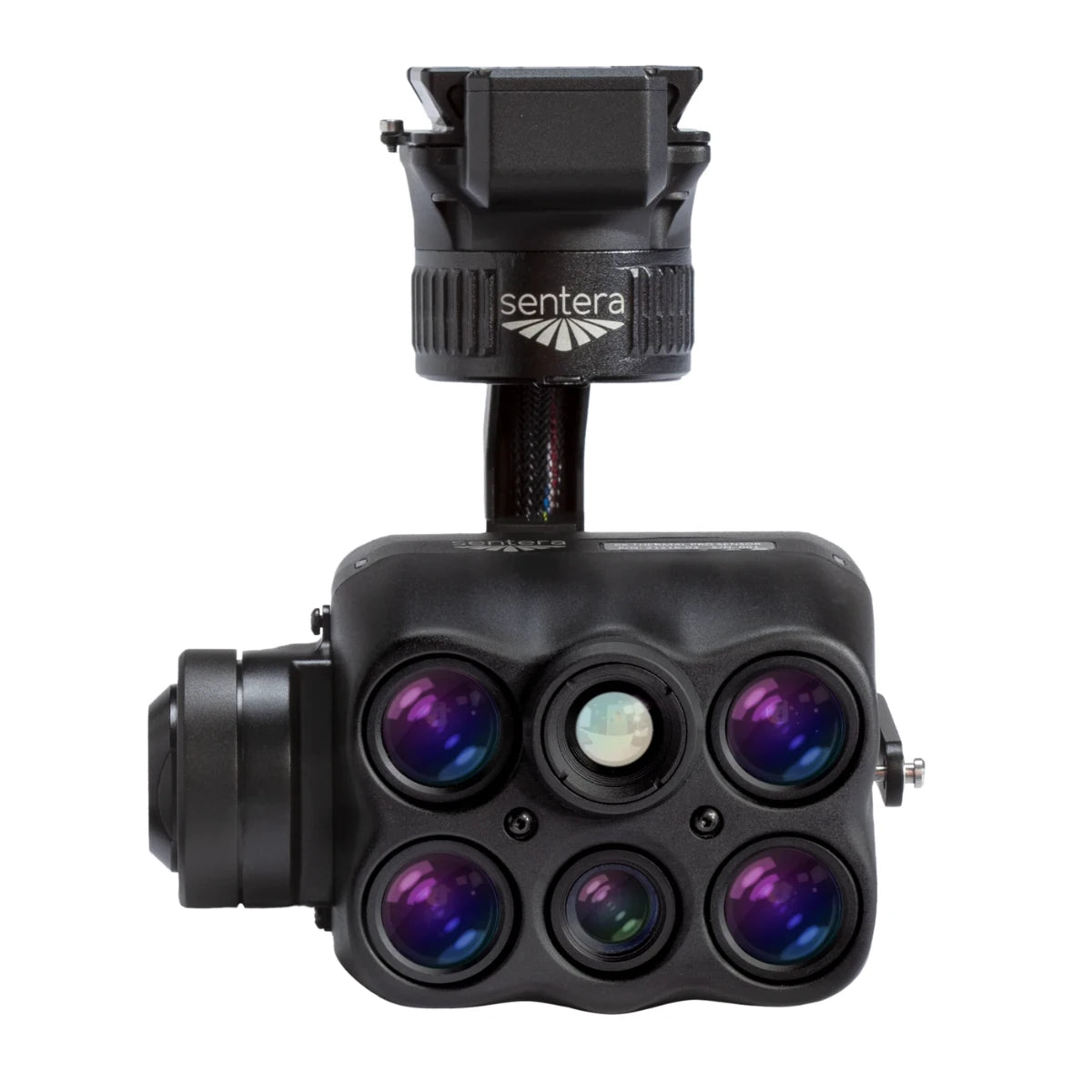
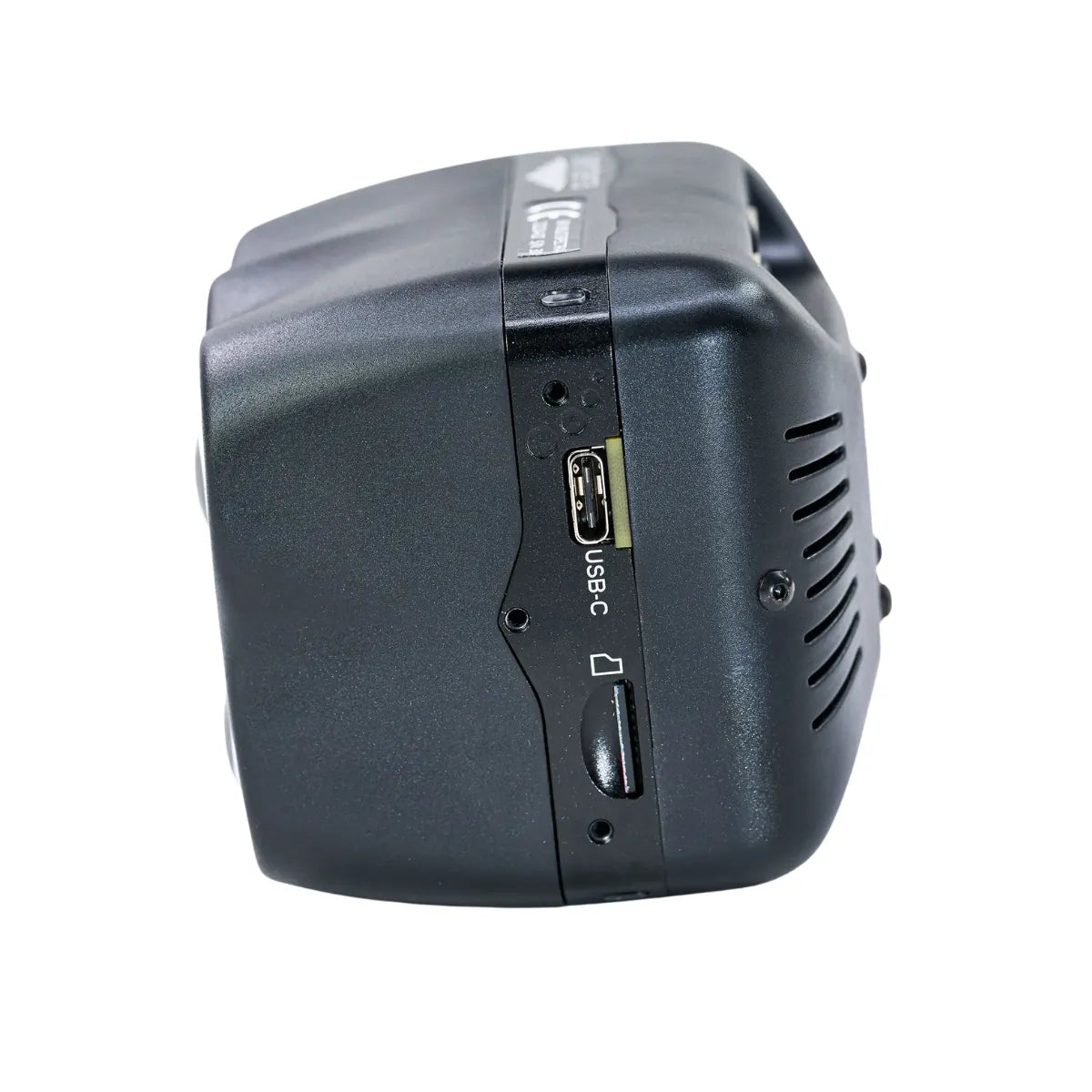
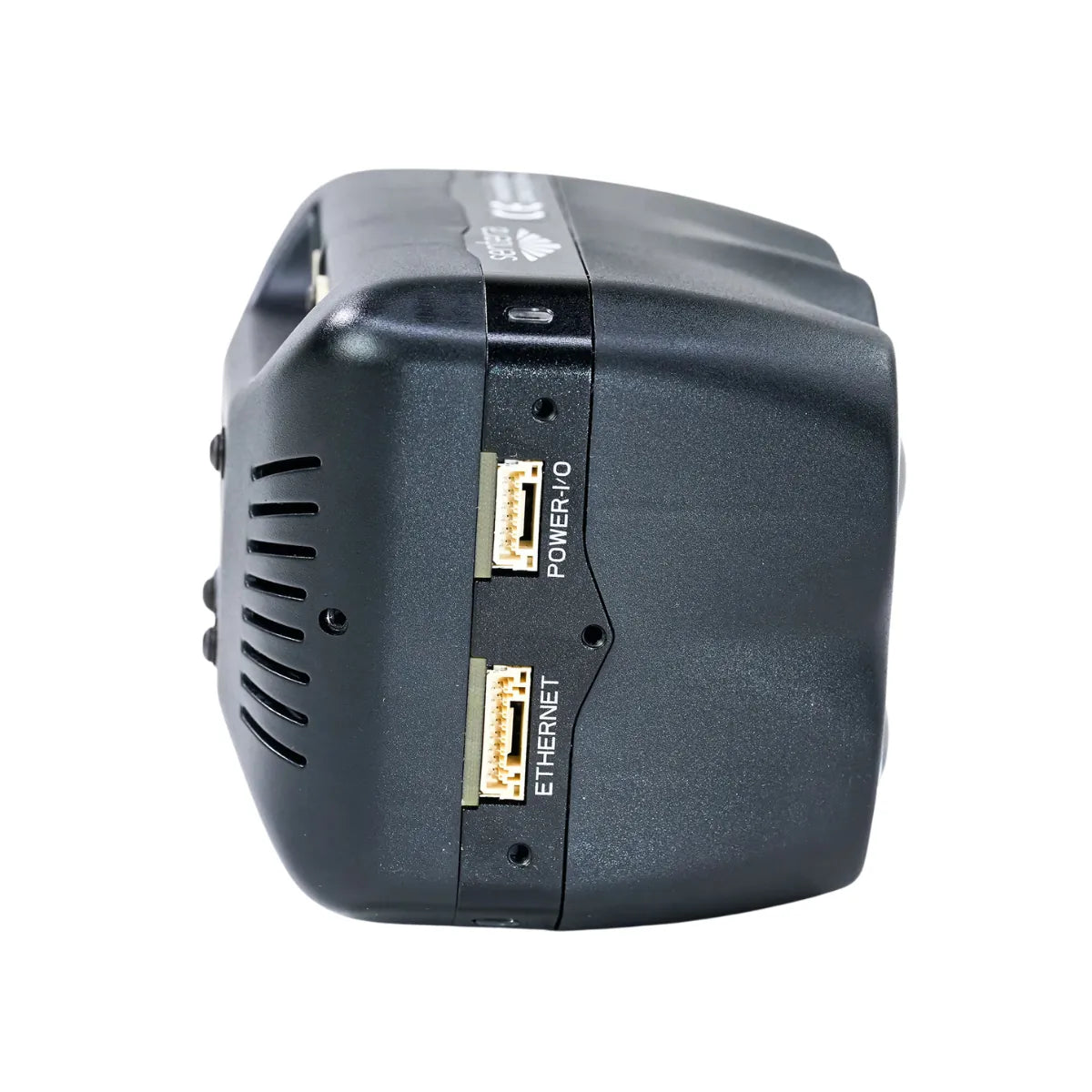
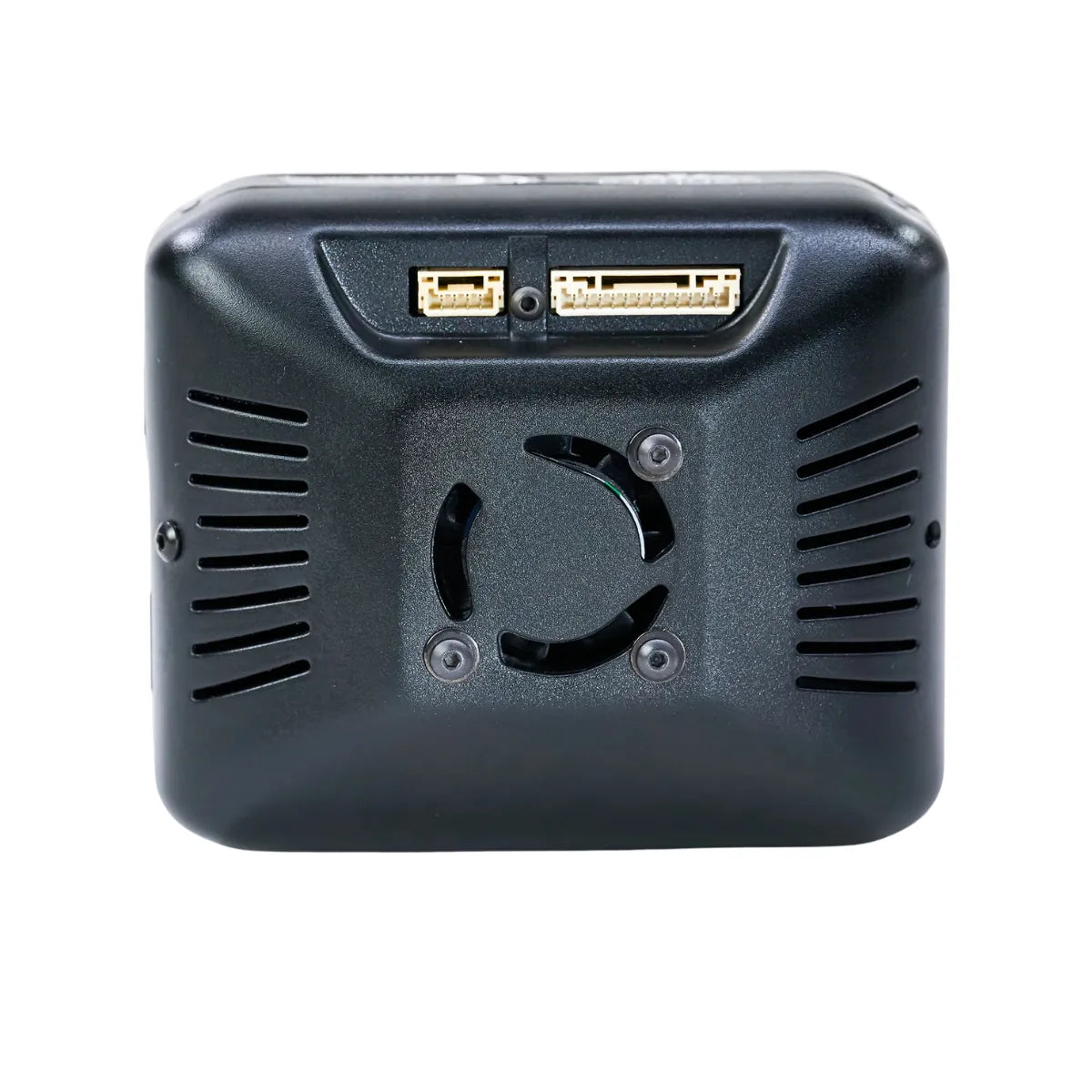
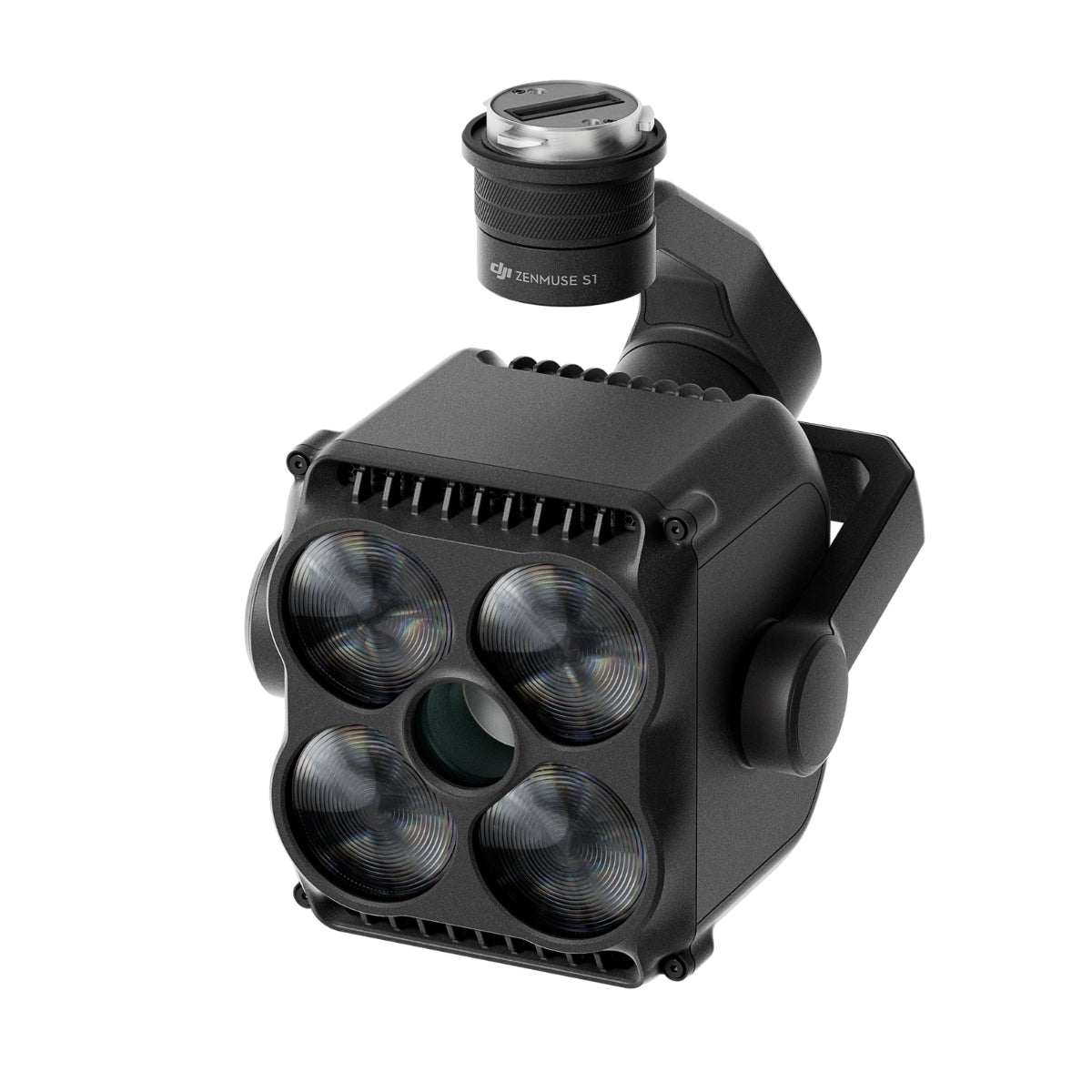
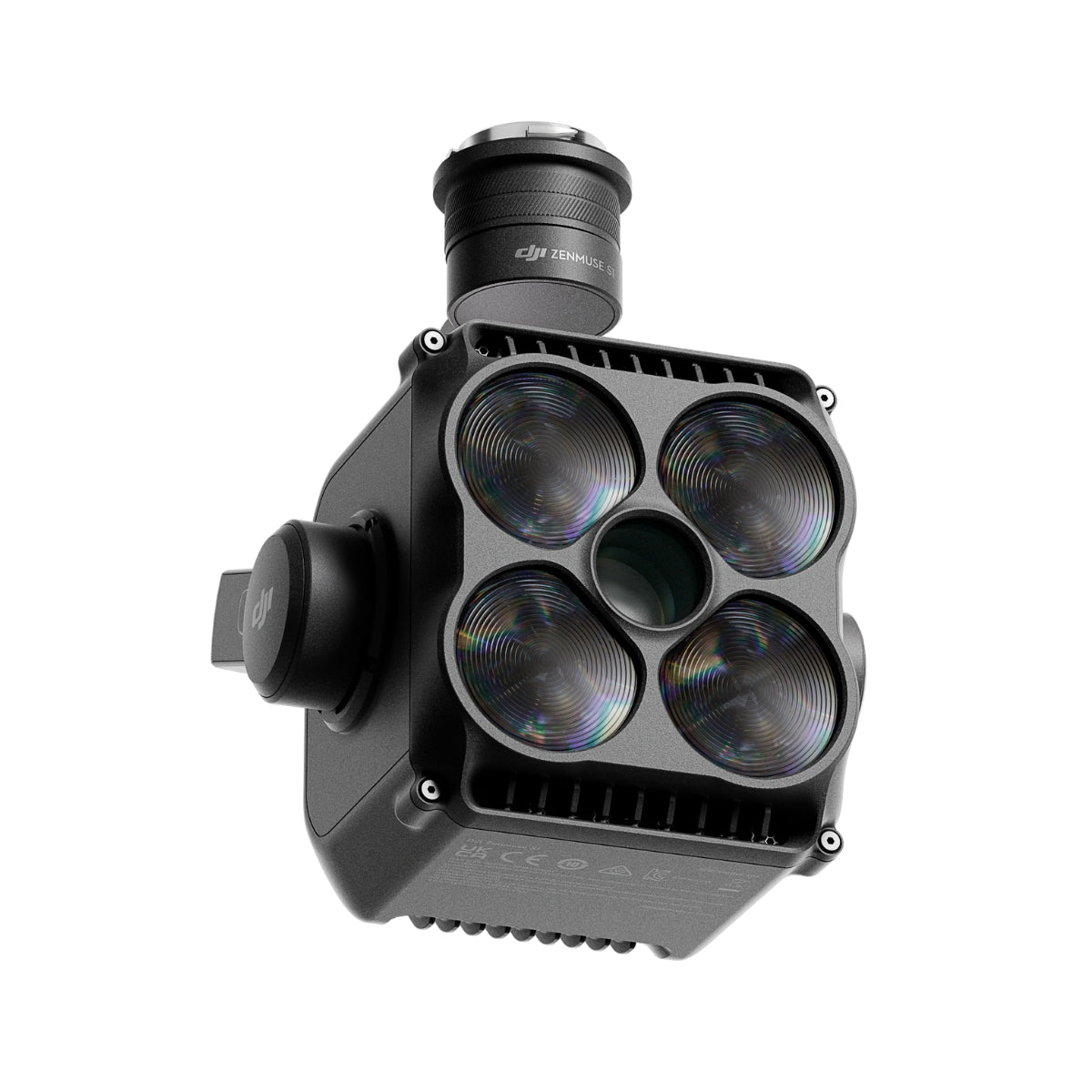
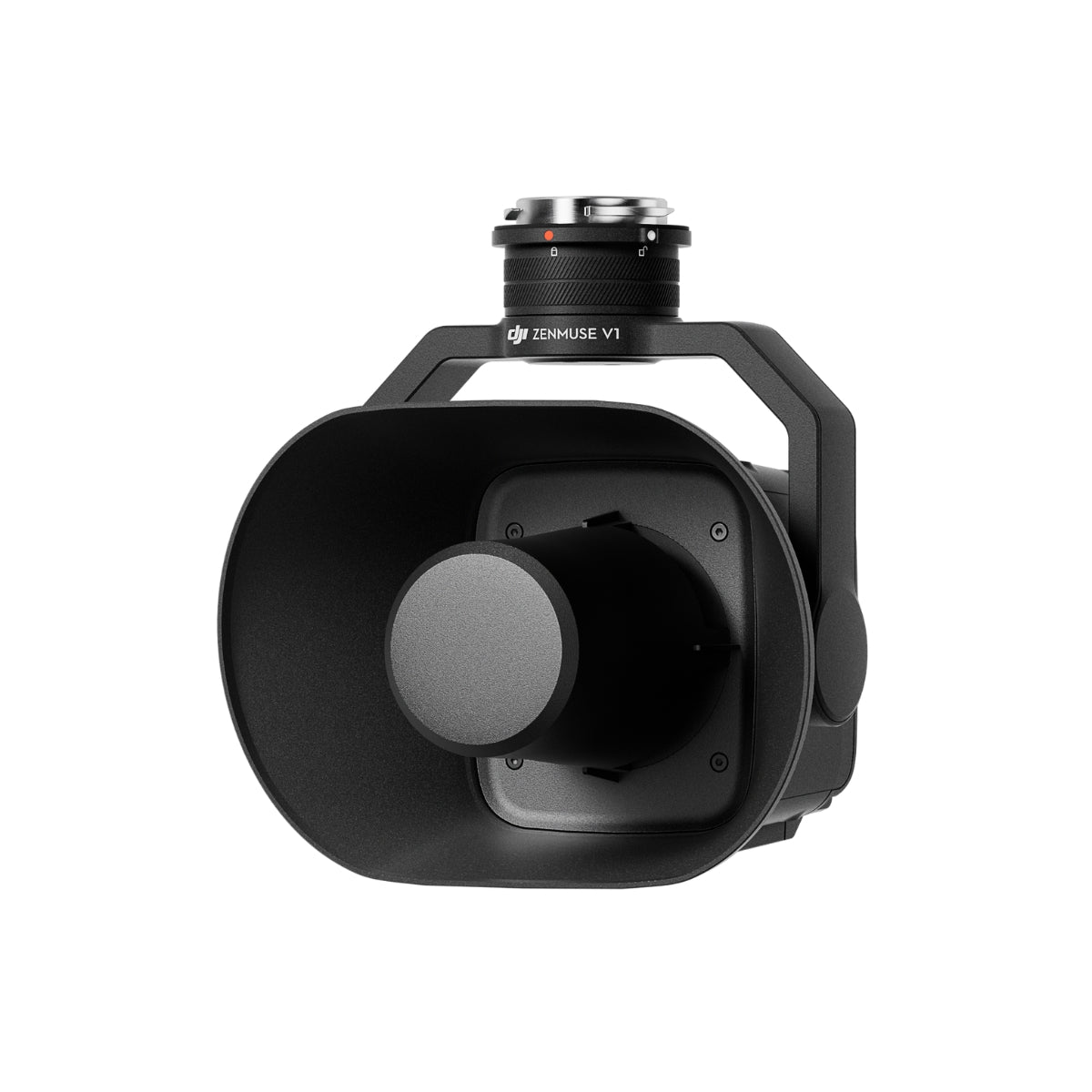
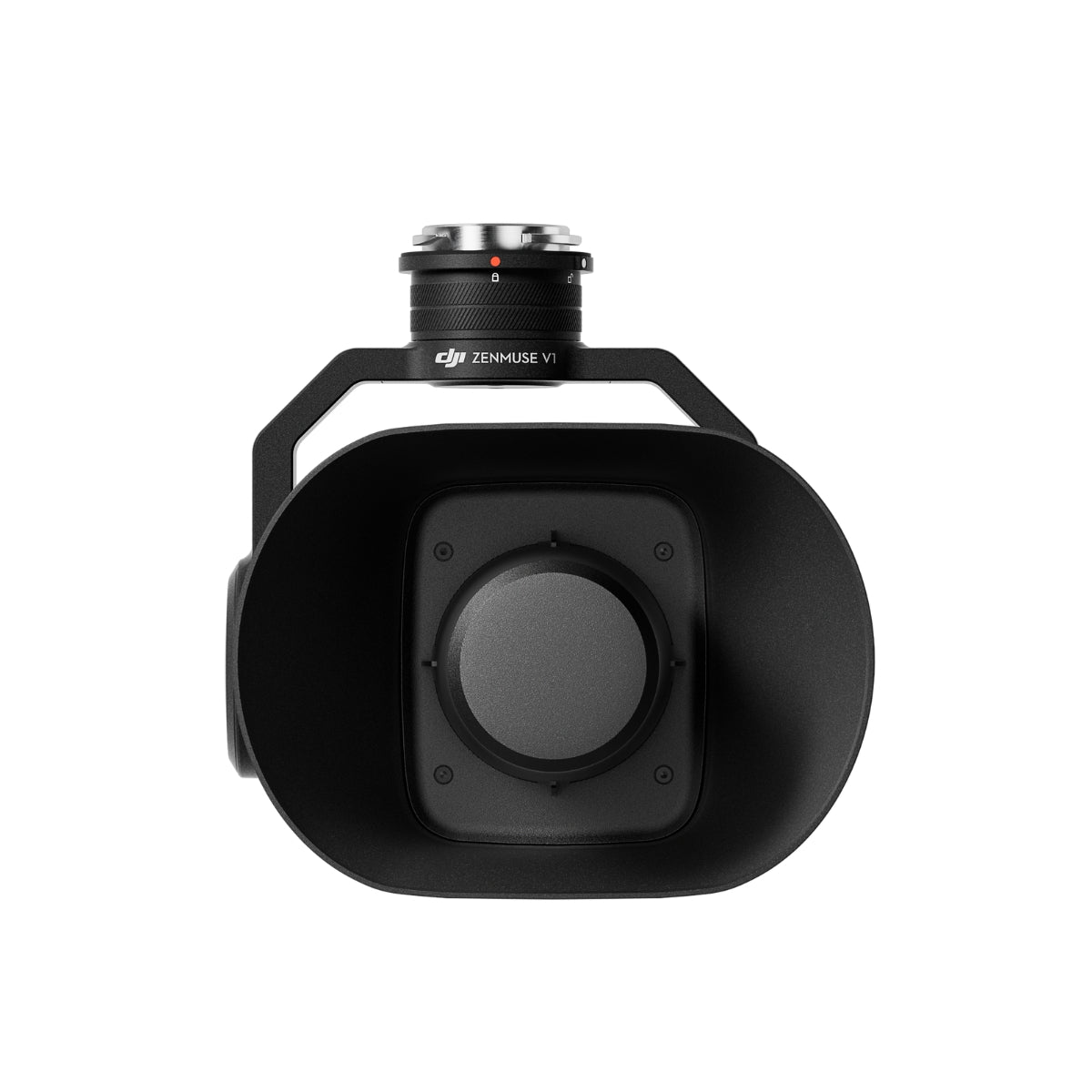
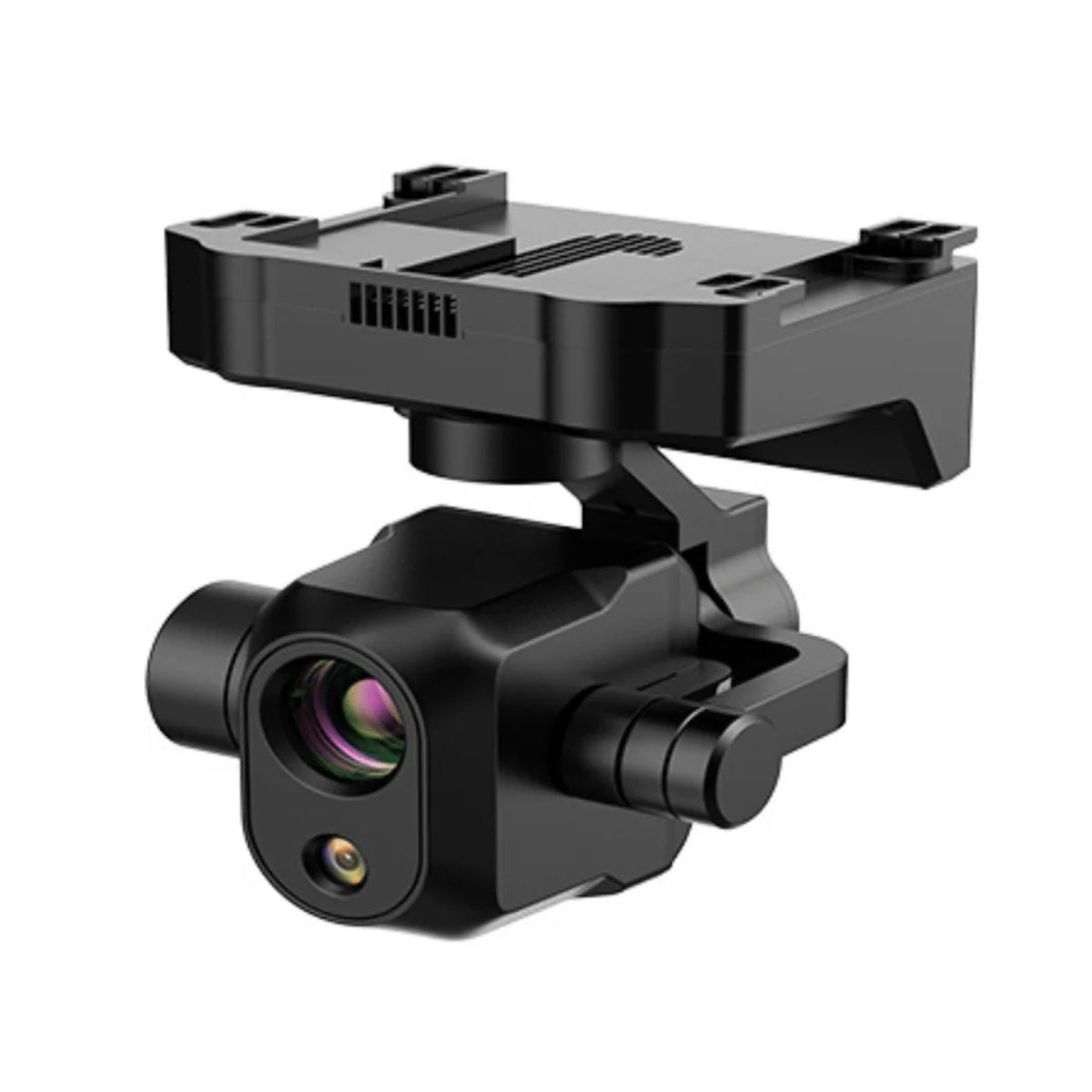
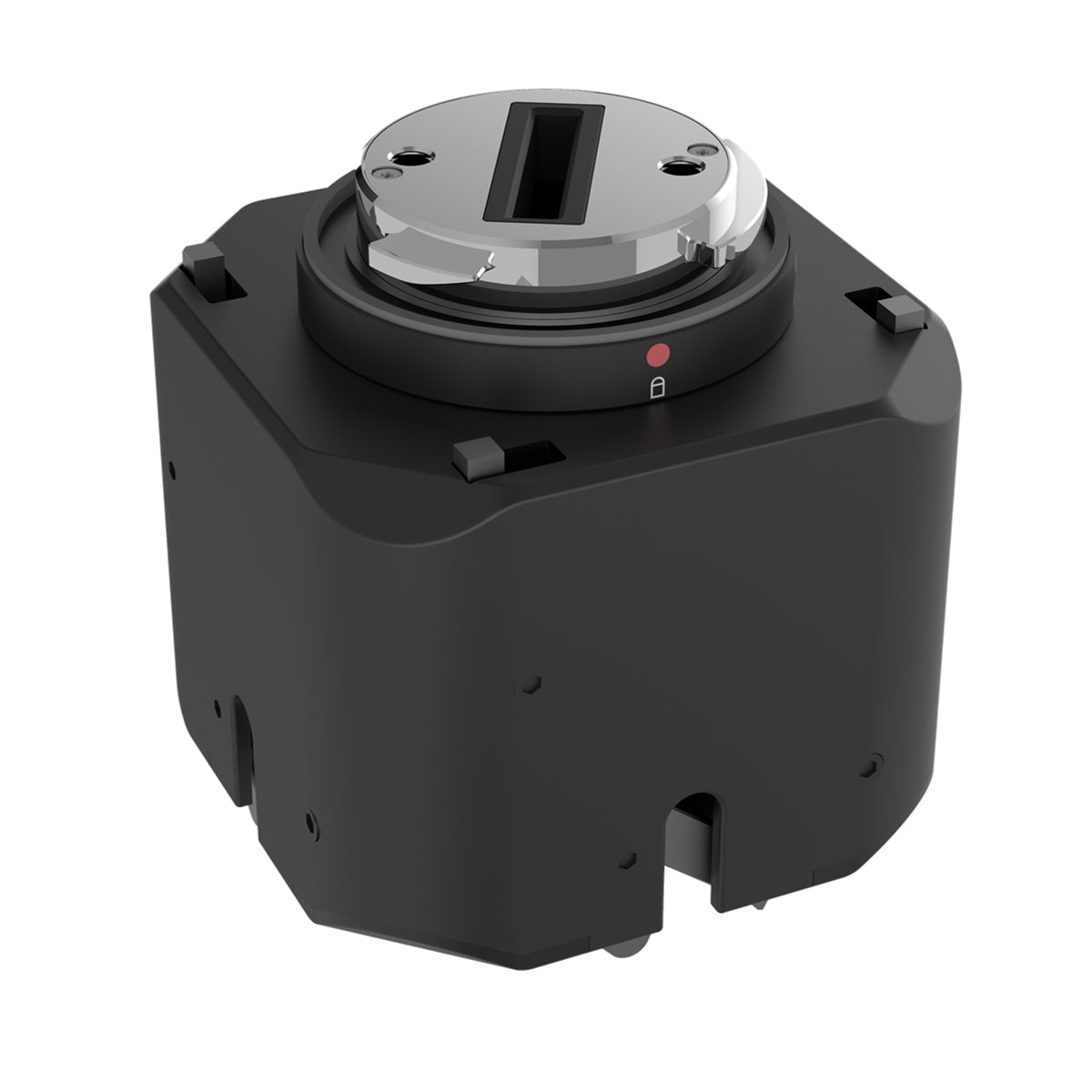
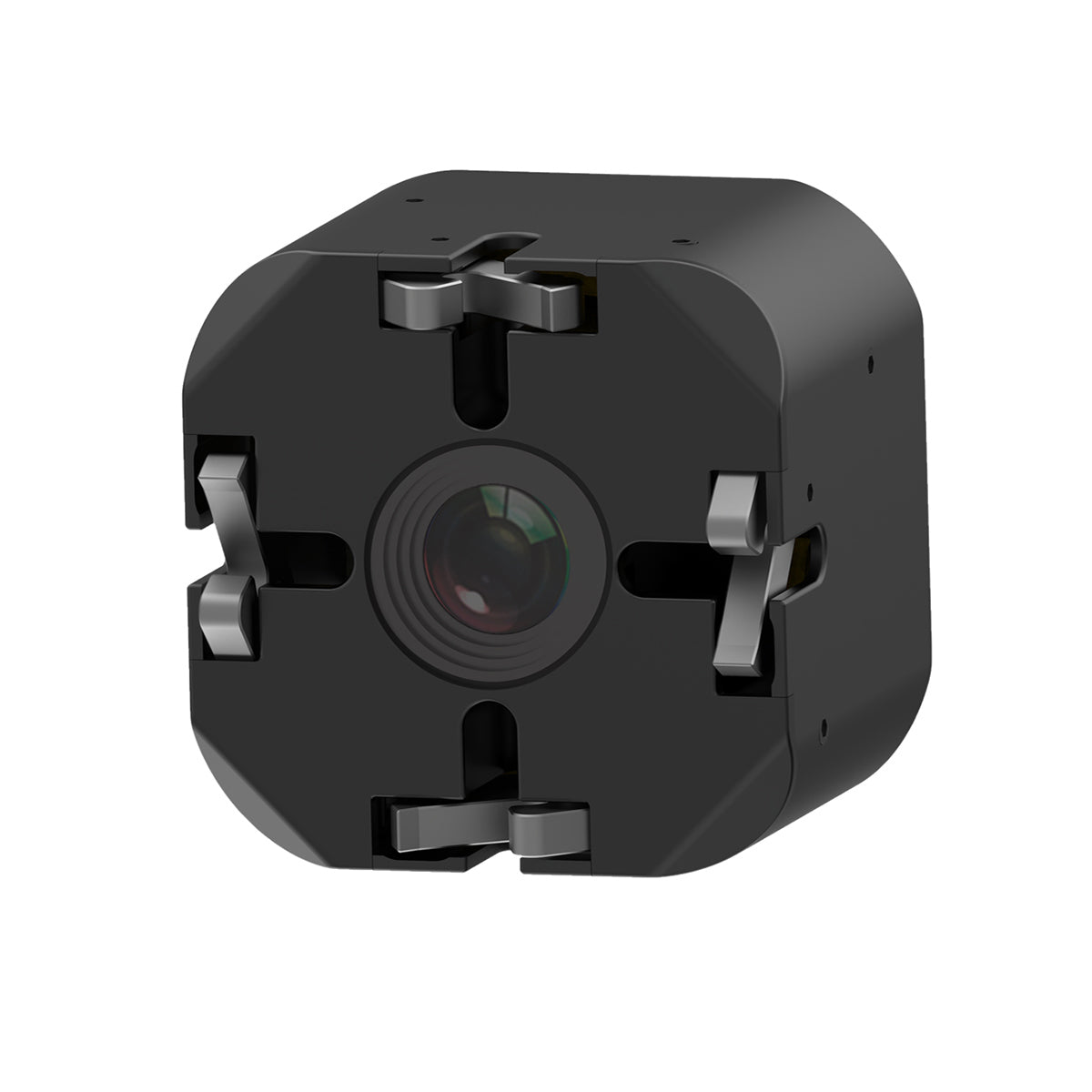
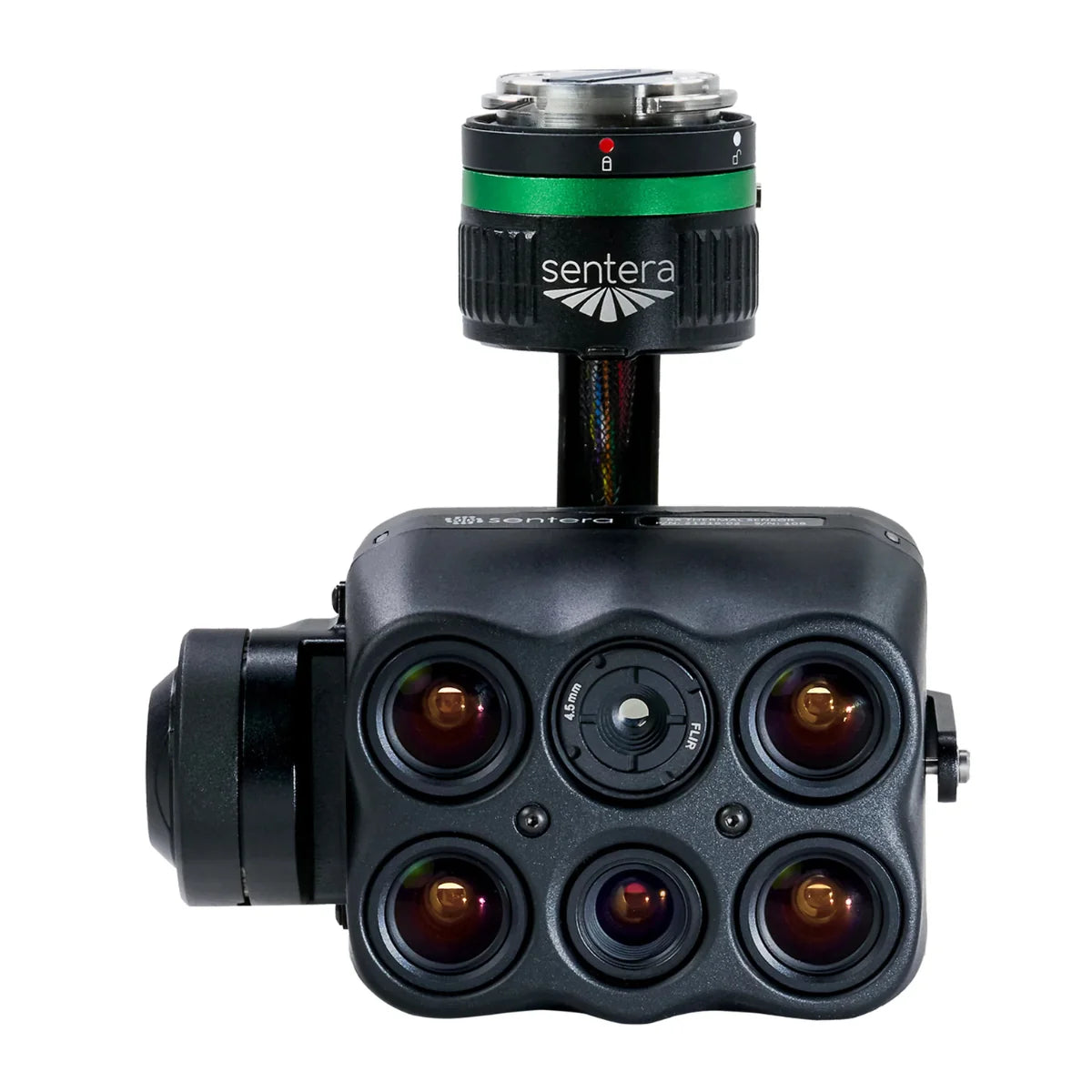
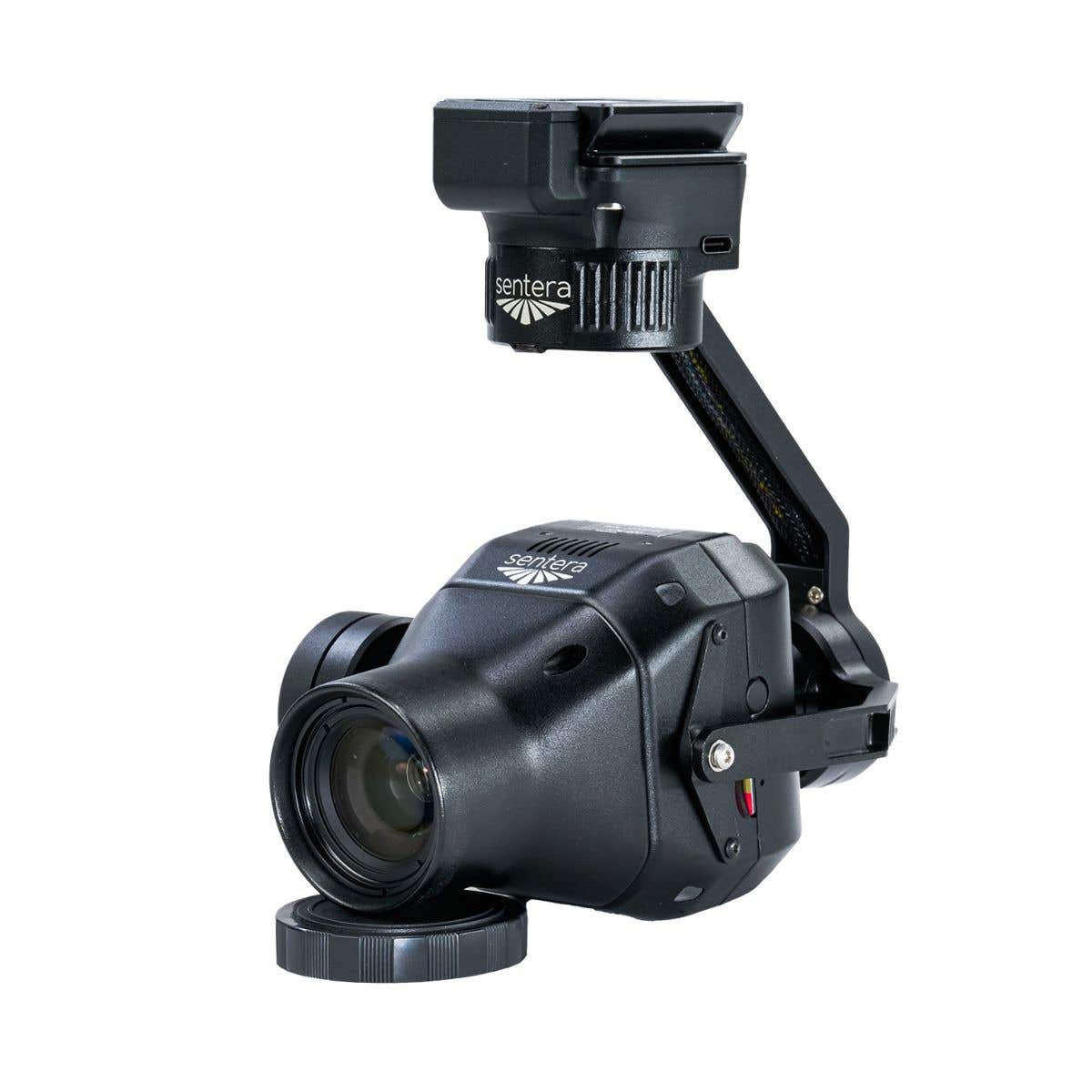
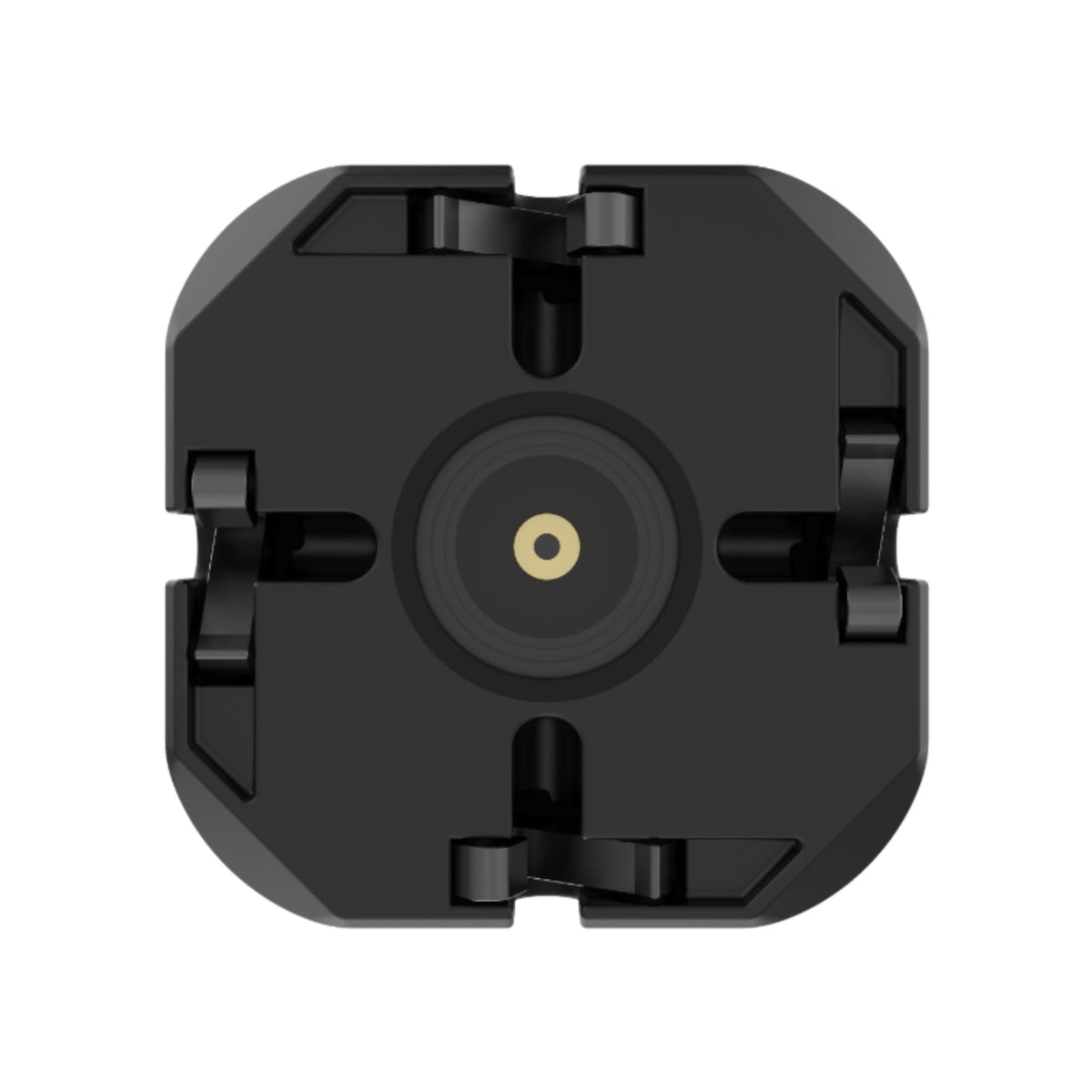
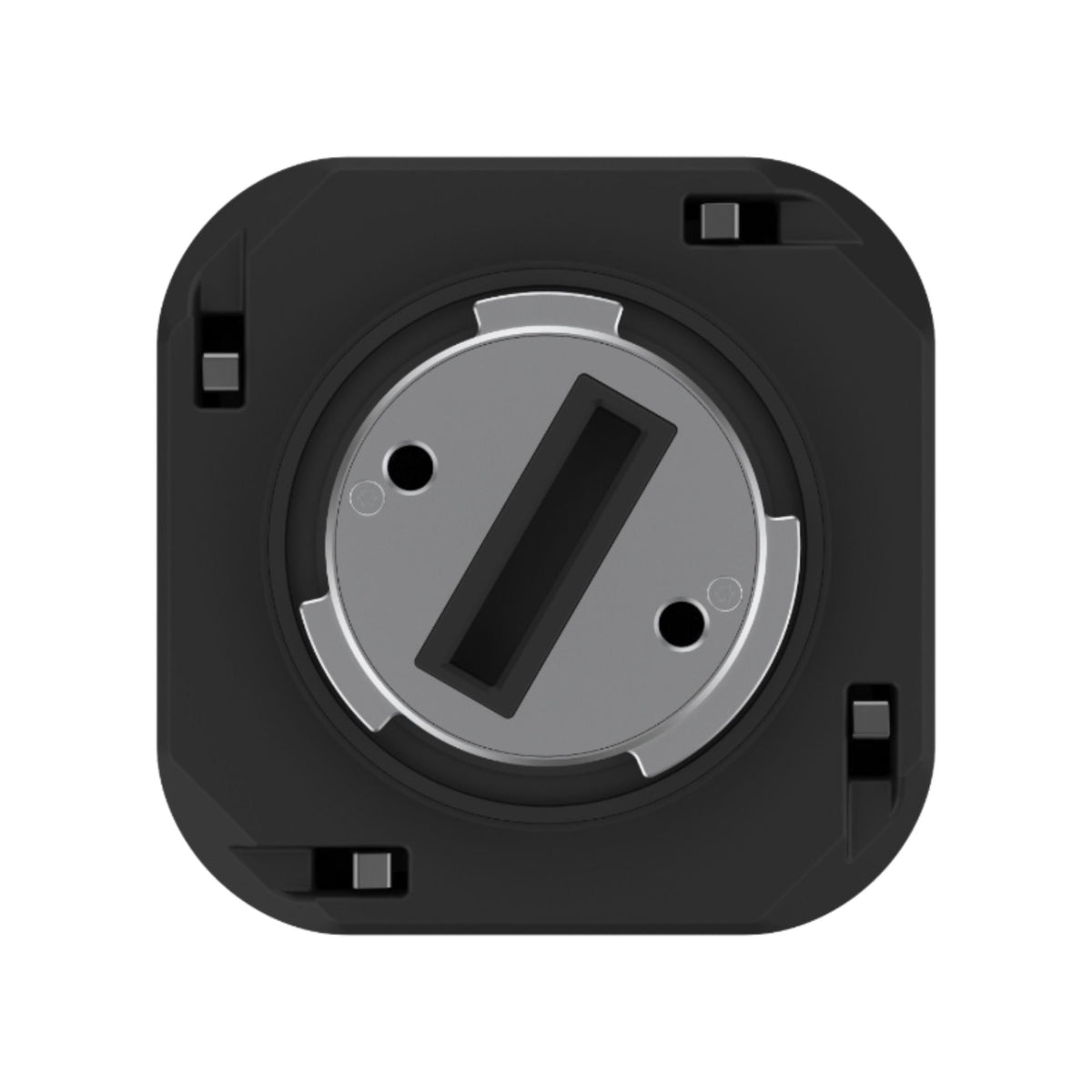
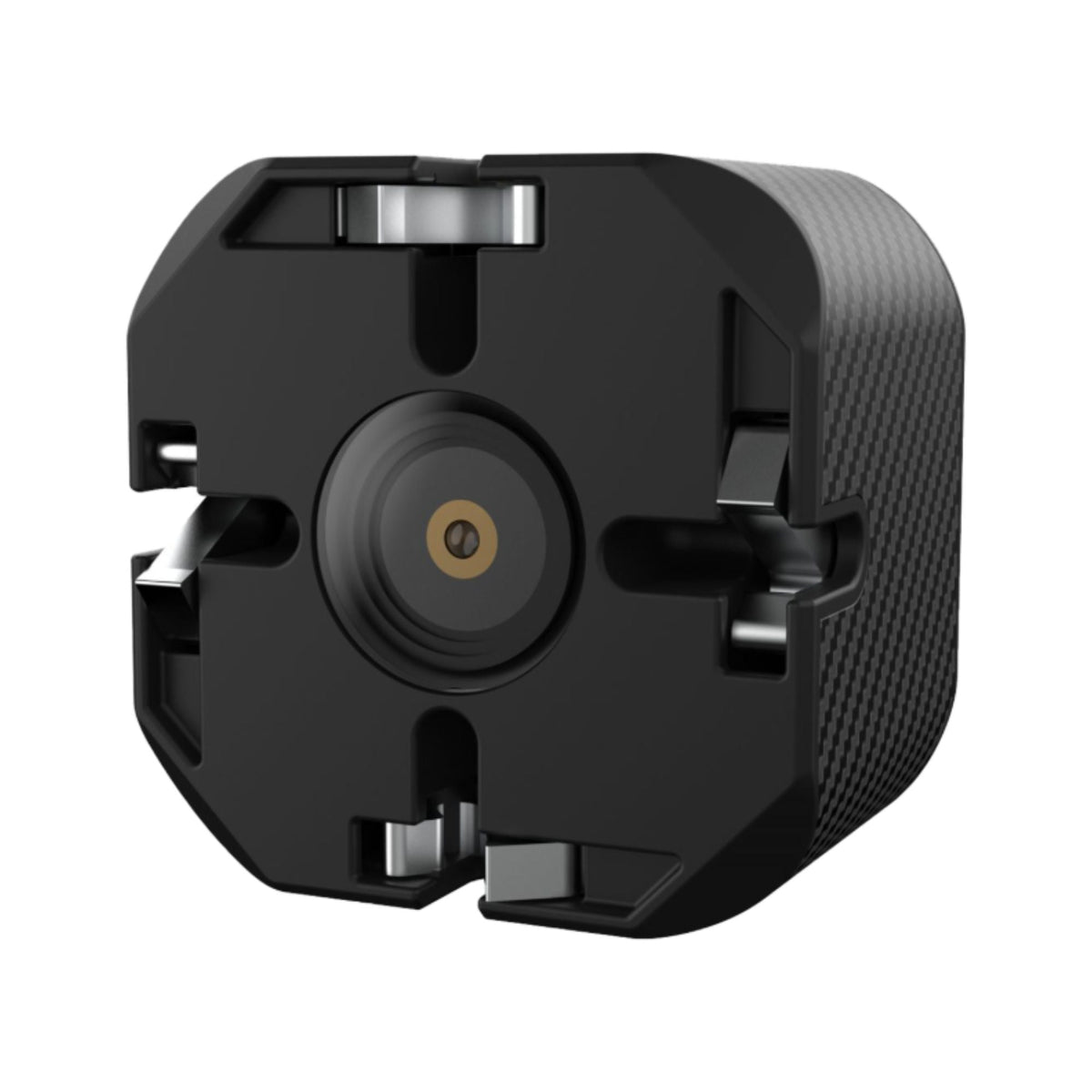
From critical incidents to daily patrol, drones are transforming the way law enforcement agencies operate. Whether it’s improving officer safety, accelerating tactical response, or helping document scenes with unmatched clarity, drones provide a flexible and cost-effective toolset for modern policing. Equipped with advanced optics, thermal imaging, and autonomous capabilities, they deliver real-time visibility, extend operational reach, and support decision-making across a wide range of missions.
Below are 10 practical ways drones are making a measurable impact on police operations—helping agencies respond smarter, faster, and with greater precision.
1. Enhanced Officer Safety
Officer safety is non-negotiable in law enforcement, and drones have become one of the most effective tools for reducing risk during active incidents. By providing a real-time aerial view of a scene, drones help officers assess threats before making contact—especially in low visibility, unstable environments, or high-risk perimeter situations. With thermal imaging and high-resolution zoom, teams can identify armed suspects, locate hidden individuals, detect hazards, and evaluate structural concerns without putting officers directly in harm’s way.
For example, during a nighttime disturbance in a densely wooded area, a thermal-equipped drone can quickly reveal movement and pinpoint a person’s location through foliage or shadows, helping officers plan a safer approach and avoid ambush risks.
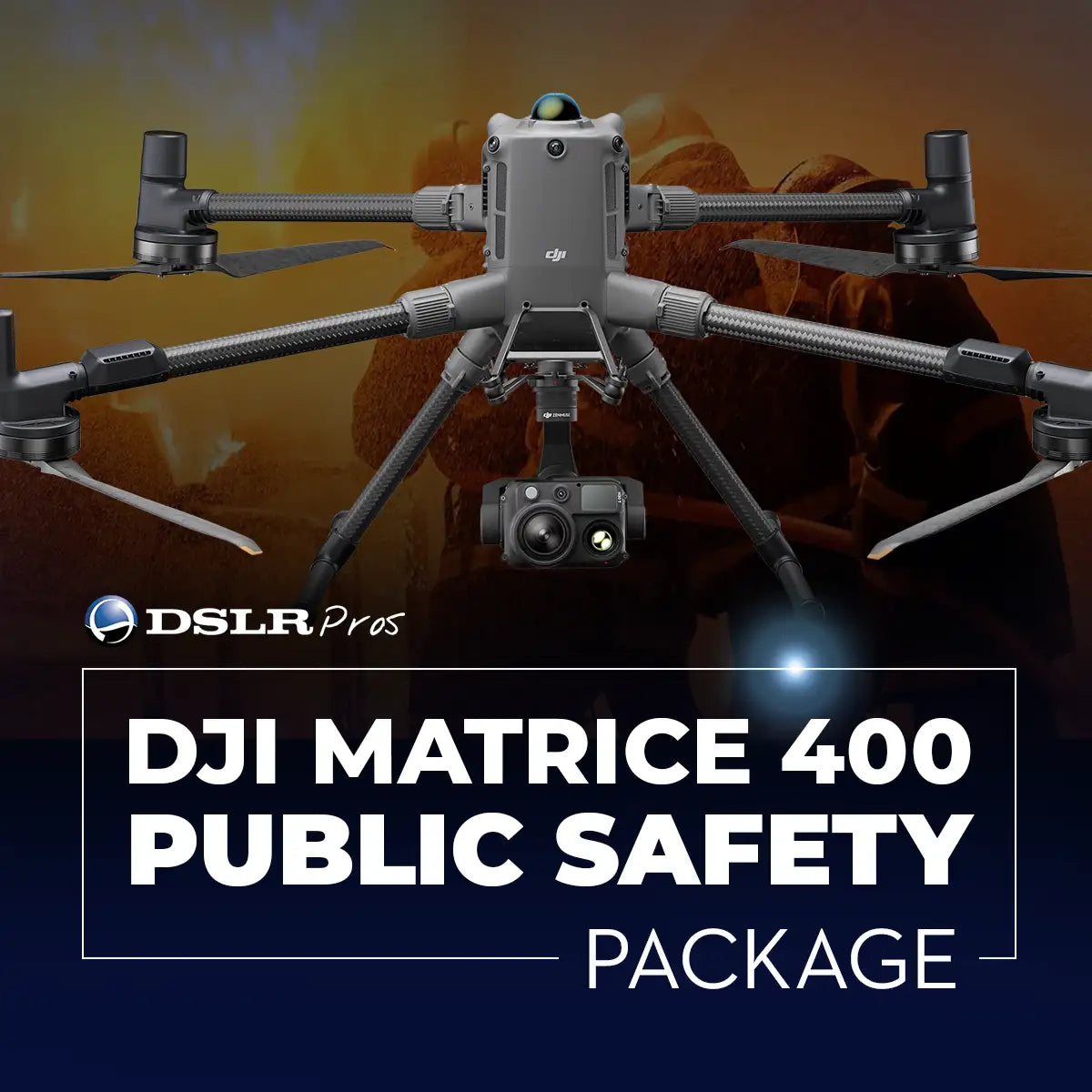
Drones like the DJI Matrice 400 and DJI Matrice 4TD / 4D Series are built for this kind of high-stakes visibility. Their thermal and zoom imaging capabilities support safer overwatch across rooftops, wooded terrain, and building perimeters—giving officers clearer intelligence, faster decision-making, and a stronger safety buffer before entering danger zones.
2. Faster Tactical Response
In critical situations like hostage scenarios or active shooter incidents, time is everything. Drones can be deployed in minutes to deliver real-time aerial visibility, giving incident commanders immediate situational awareness. This helps teams make faster decisions, coordinate safer approaches, and respond with more precision under pressure.
For example, if a suspect flees through an urban area, a drone can maintain visual and thermal tracking from above while command coordinates SWAT entry points, manages perimeter coverage, and reduces risk to officers and civilians.
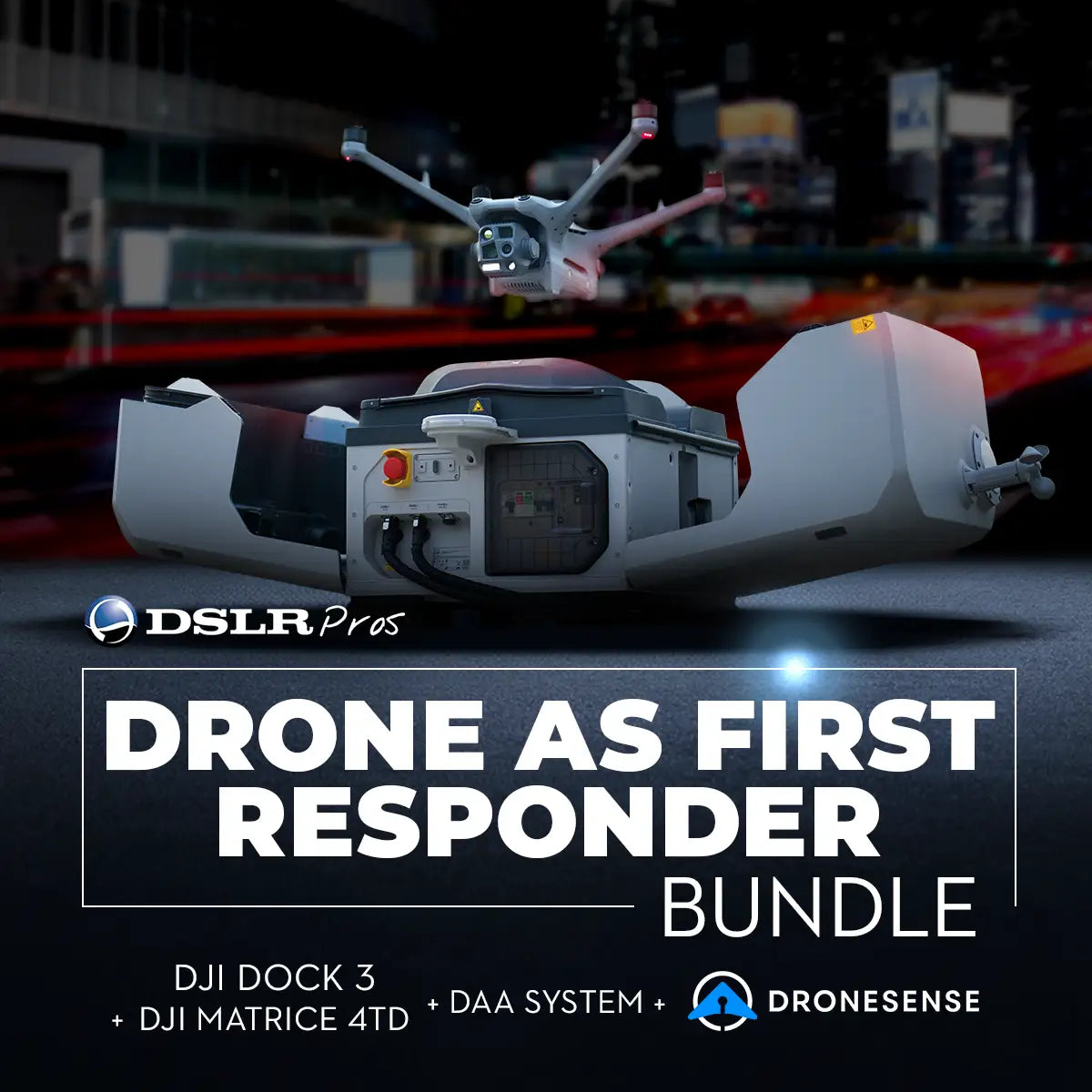
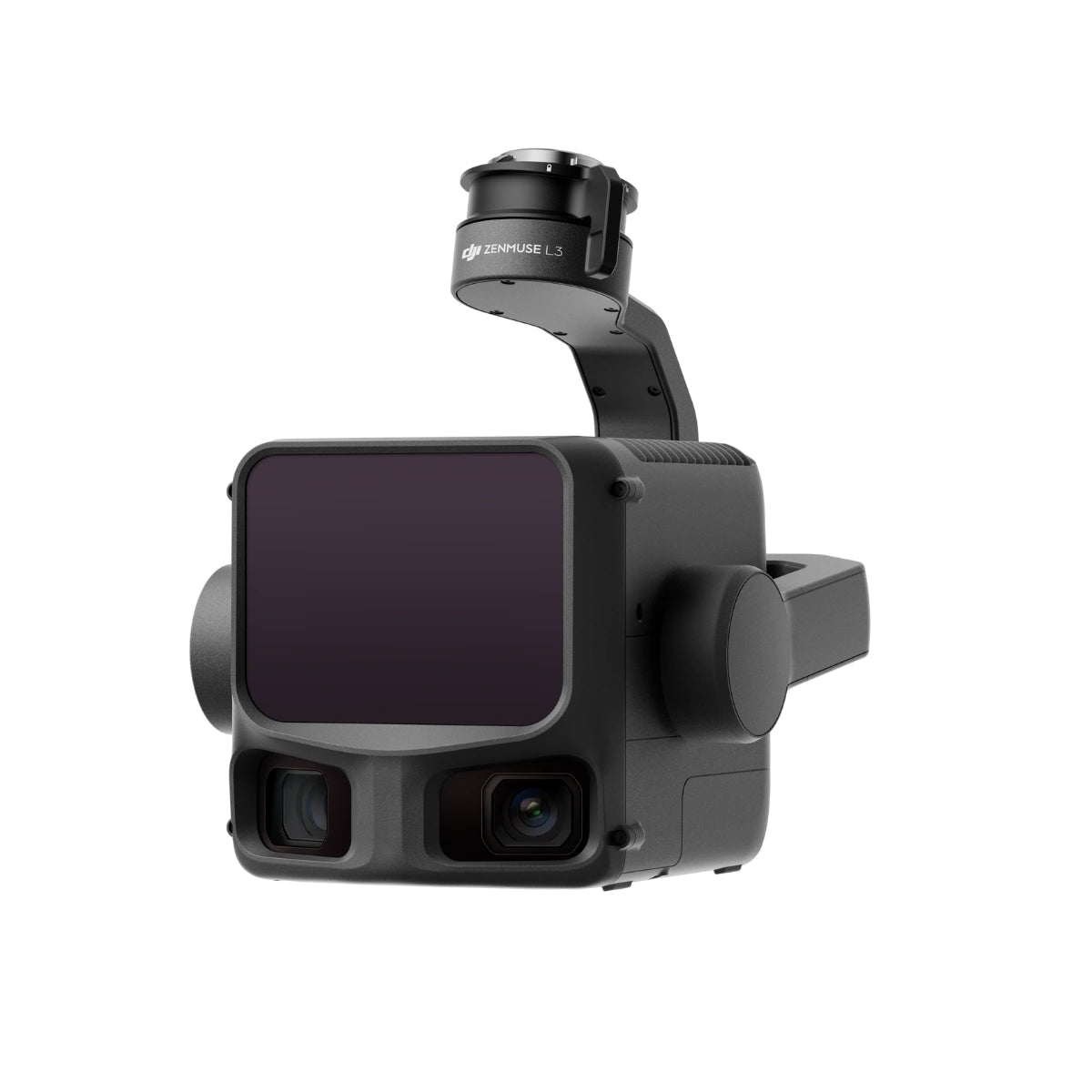
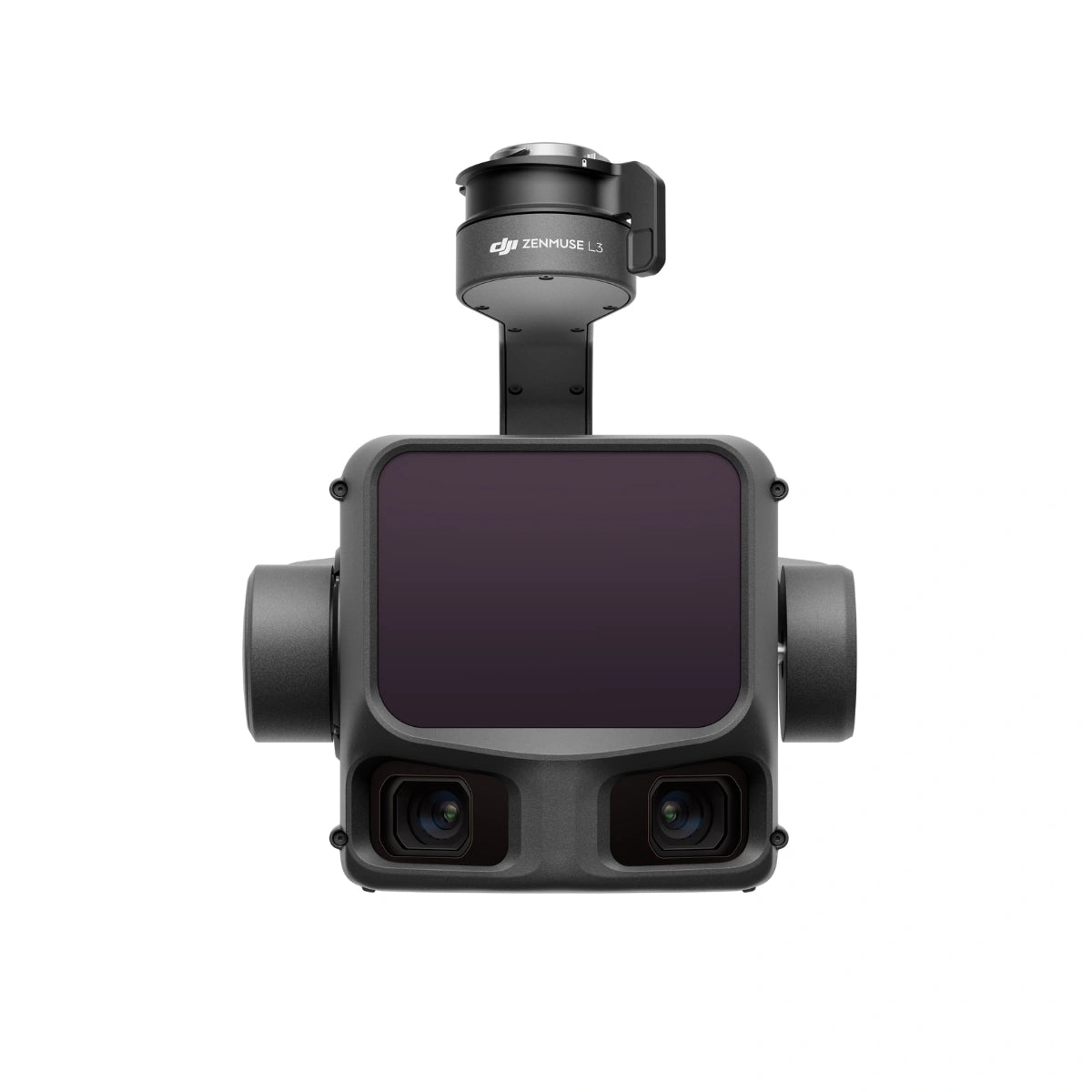
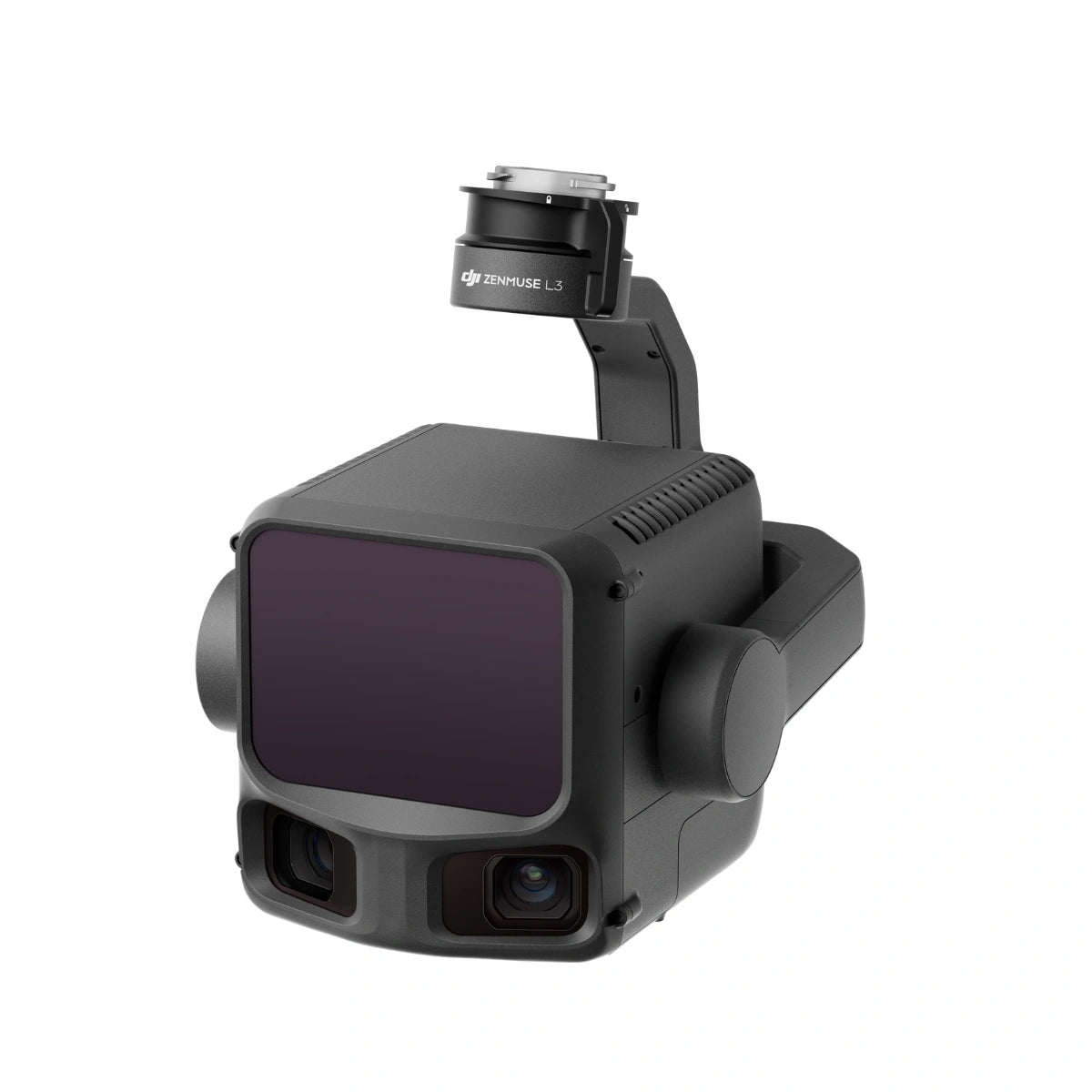
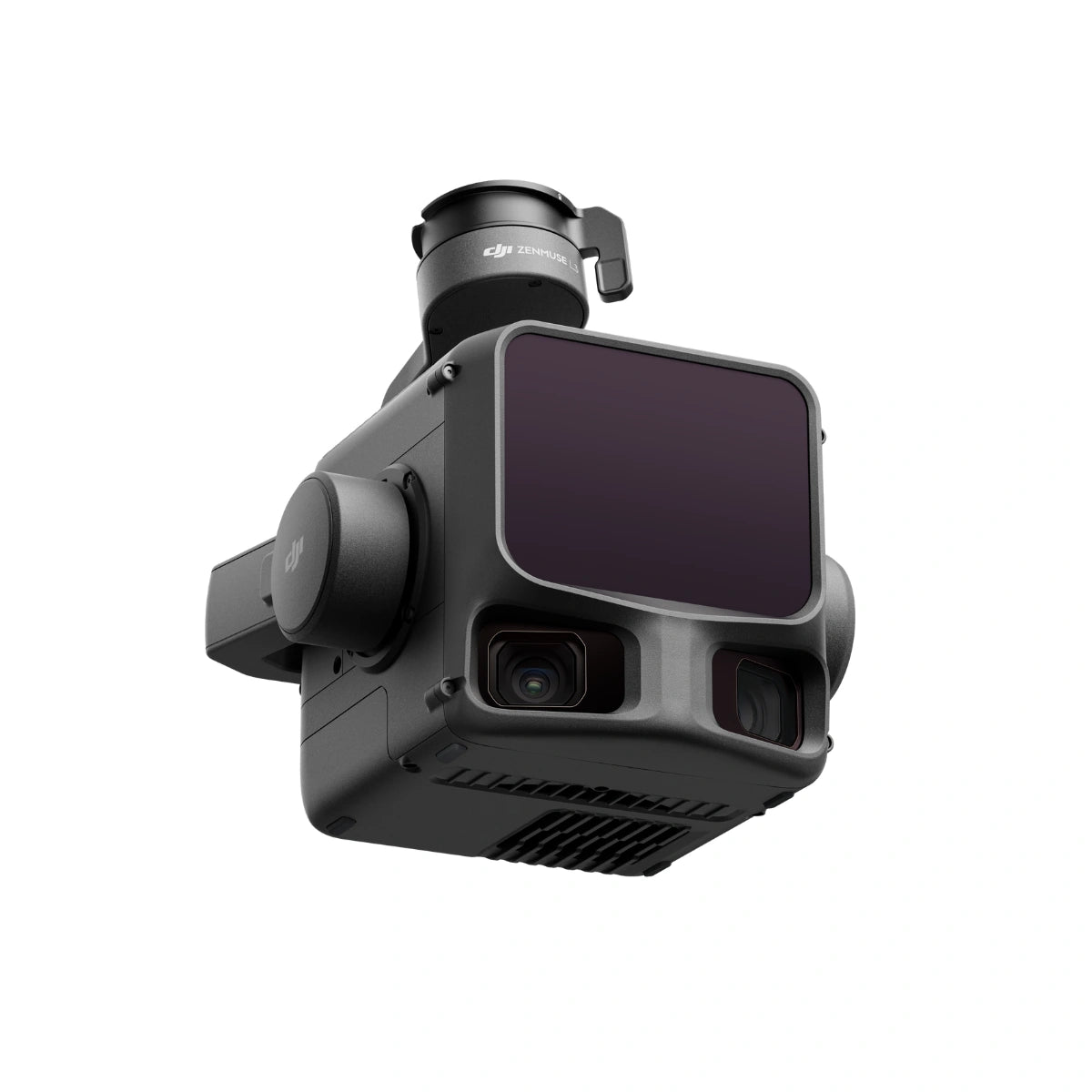
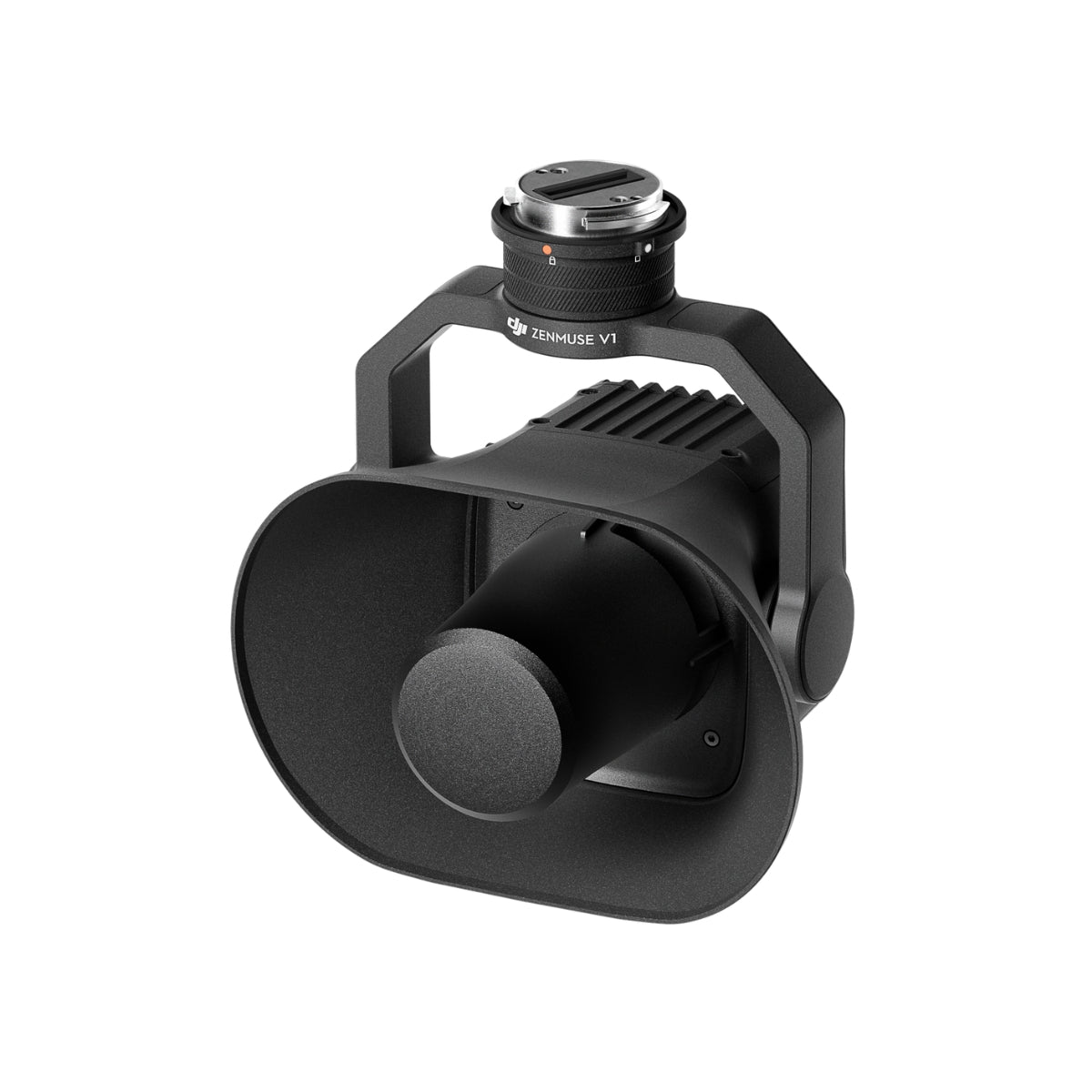
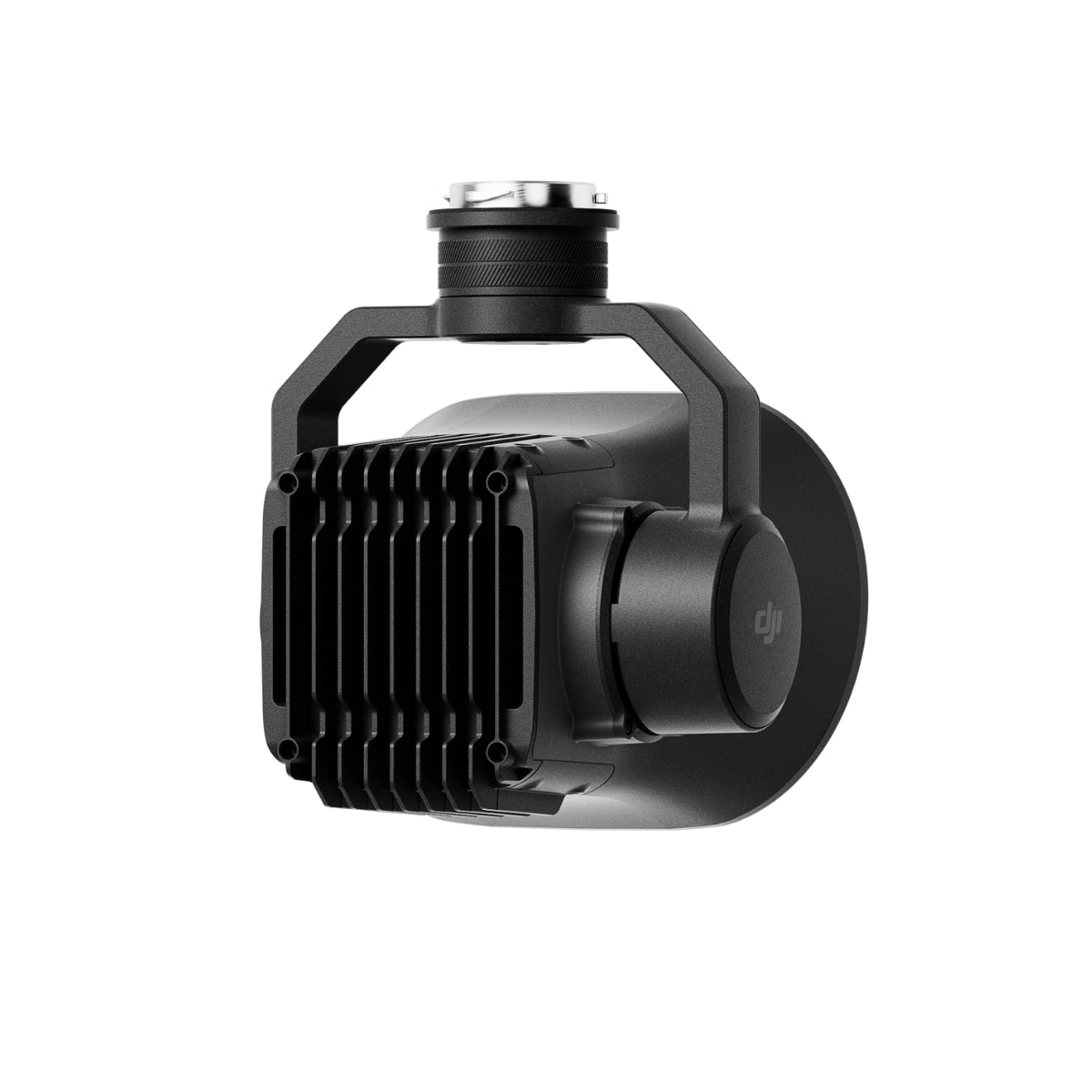
Platforms like the DJI Matrice 400 paired with the Zenmuse H30T are built for fast-moving response environments, combining long endurance with high-resolution zoom, thermal imaging, and stable performance in complex conditions. For departments running Drone as First Responder (DFR) programs, the DJI Matrice 4D / 4TD series with DJI Dock 3 enables automated launch and real-time overwatch the moment a call comes in—delivering thermal and zoom intelligence to command before officers even arrive.
3. Search and Rescue
With thermal imaging and long-range zoom, responders can spot heat signatures, movement, or key visual clues that are easy to miss from the ground.
Picture a hiker lost in thick brush or a child missing near a rural waterway. A drone can scan tree lines, open fields, and perimeter areas in minutes while streaming real-time visuals back to command. That early intelligence helps teams narrow the search zone quickly, cut down response time, and improve the chances of a safe recovery.
For SAR missions that demand reliable visibility and longer time in the air, platforms like the DJI Matrice 400 paired with the Zenmuse H30T deliver powerful thermal detection, high-resolution zoom, and mission-ready endurance for wide-area searches. For agencies that need rapid response and scalable deployment, the DJI Matrice 4D / 4TD Series (DJI Dock 3-ready) supports fast-launch operations and real-time overwatch—helping teams locate, track, and coordinate response efforts even in low-light or complex environments.
4. Real-Time Situational Awareness
In fast-moving events—whether it’s a crime in progress, a large protest, or an unfolding emergency—drones give command centers a live, unfiltered view of what’s happening on the ground. Instead of relying solely on radio updates or body-worn cameras, decision-makers can track movement, monitor entry points, and see crowd flow from above.
If a disturbance breaks out at a public event, a drone launched within minutes can monitor exits, identify bottlenecks, and help direct teams to where support is needed most. That kind of visibility helps agencies respond faster, coordinate better, and stay one step ahead when every second counts.
The Matrice 4TD deployed via DJI Dock 3 allows for continuous aerial monitoring and real-time feed sharing with command units. Agencies aiming to maintain persistent coverage without assigning a full-time pilot can deploy the Drone as First Responder Bundle to enable 24/7 readiness and rapid-response capability—ideal for live monitoring of active scenes, evolving incidents, or large-scale public events.
To see how departments across the country are already using this kind of drone tech to protect communities and improve outcomes, check out our article: How Police Drones Help Keep Communities Safe Across America. From tactical deployments to day-to-day patrol support, the impact of aerial situational awareness is reshaping modern policing.
5. Crime Scene Documentation
Preserving a crime scene is time-sensitive. Weather, foot traffic, and reopening roads can quickly compromise evidence. Drones help capture the full scene immediately with high-resolution aerial images and mapping data—before anything changes.
From open-field investigations to complex urban incidents, drones can document layouts in minutes, giving investigators visuals they can revisit for measurements, reconstruction, and court-ready reporting.
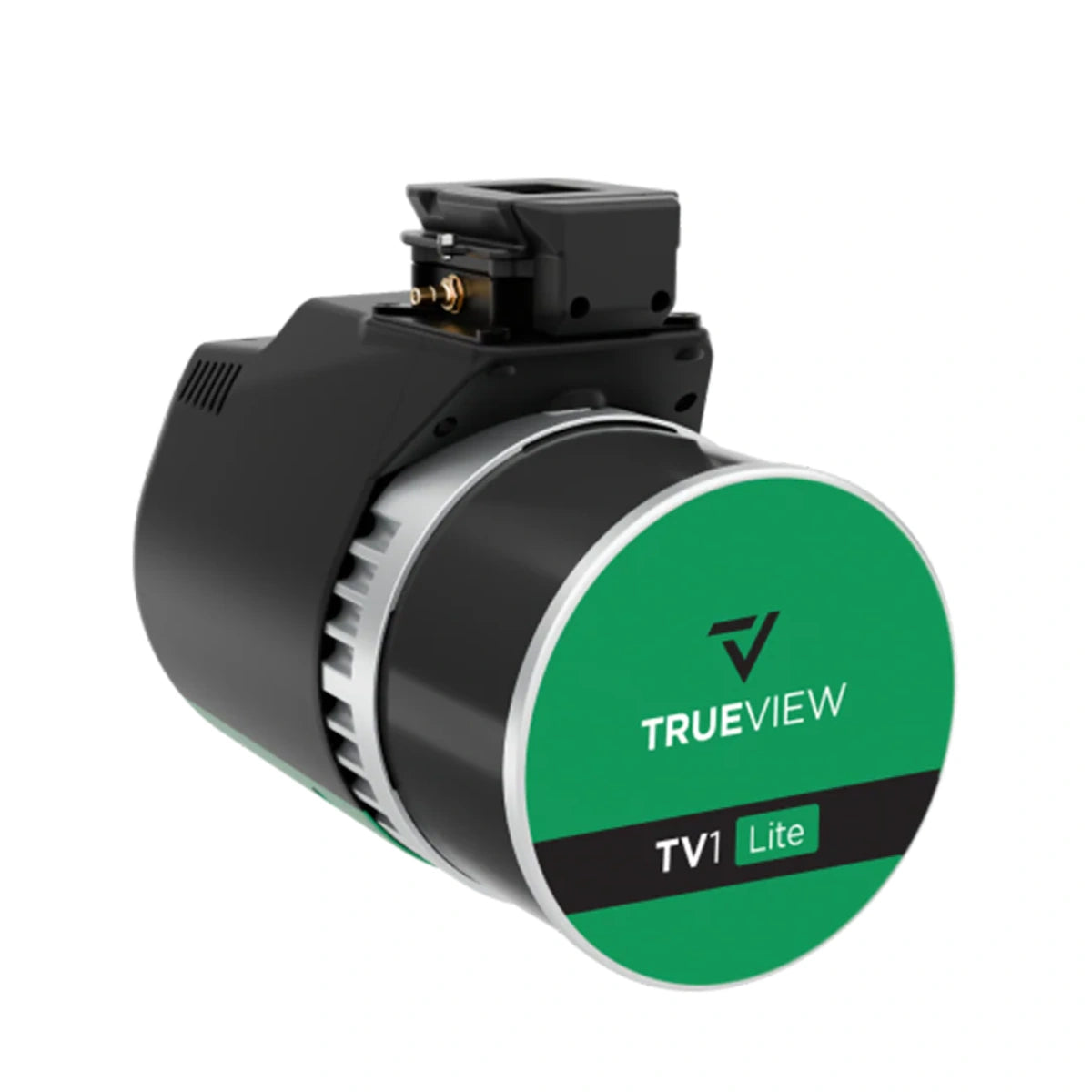
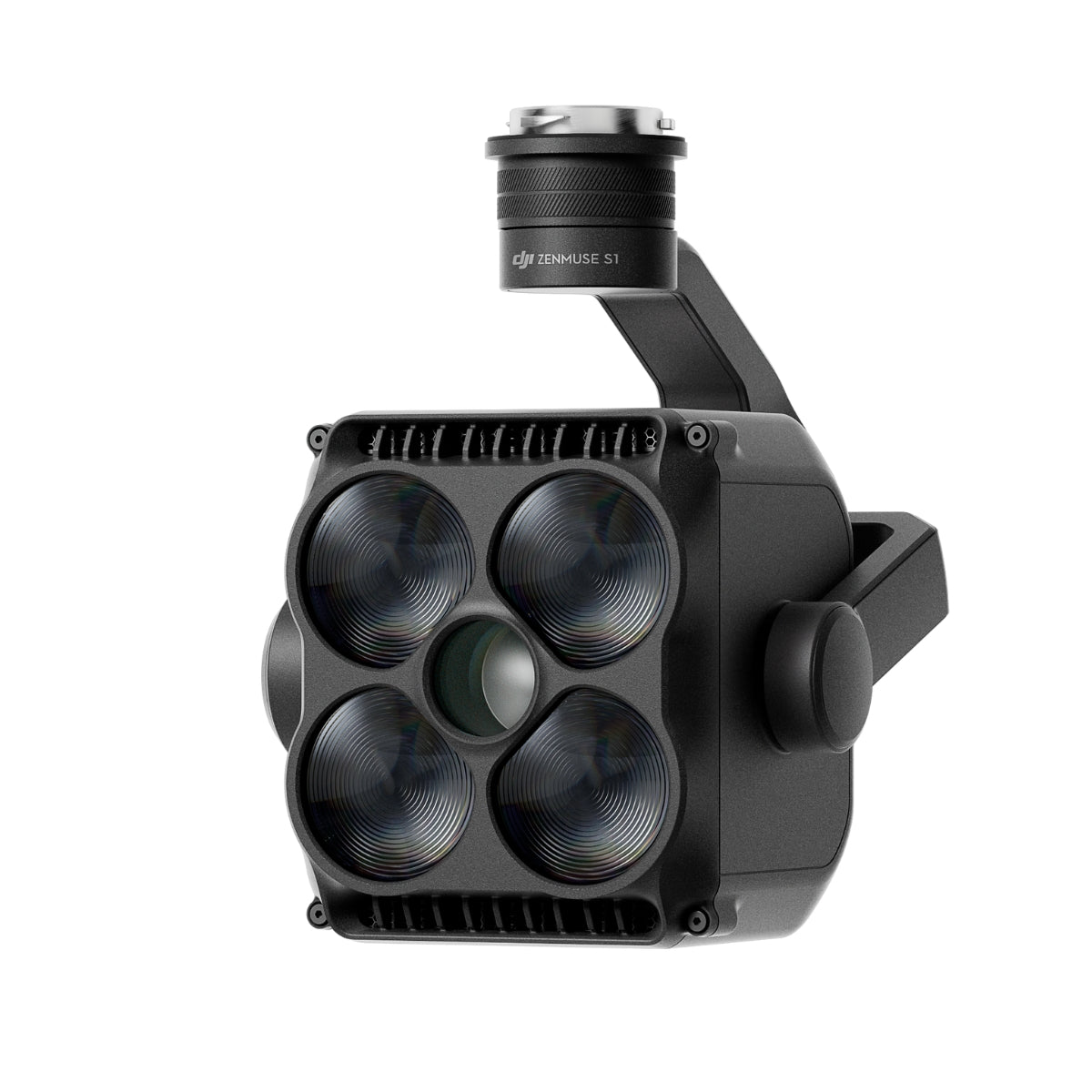
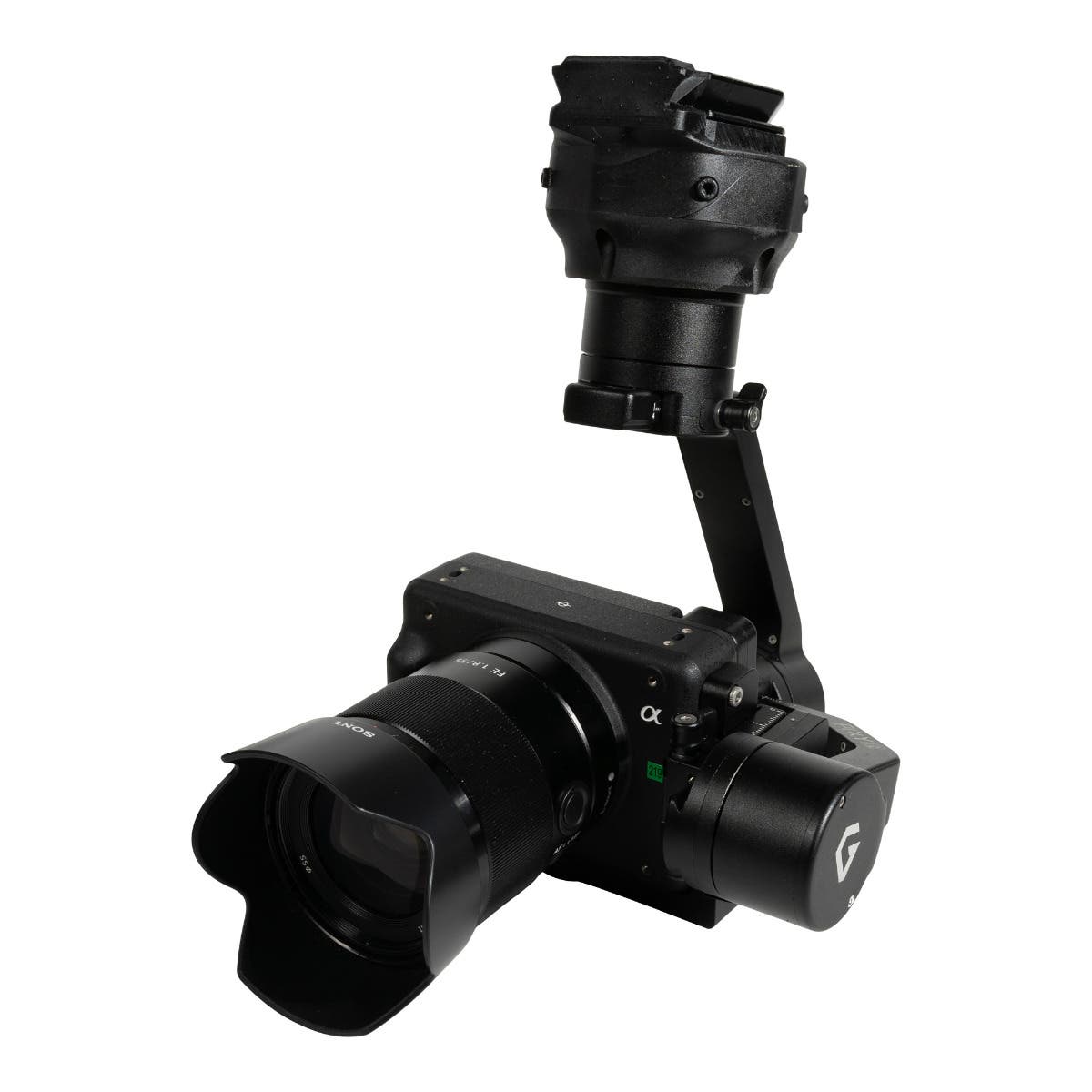
For this type of work, platforms like the DJI Matrice 400 paired with the Zenmuse H30T deliver long-endurance overwatch with sharp zoom and thermal context, while mapping-focused options like the Matrice 400 with LiDAR or photogrammetry payloads support accurate 3D modeling and scene documentation at scale.
6. Traffic Accident Reconstruction
Major accidents can shut down roadways for hours. Traditionally, documenting the scene has involved ground-based measurements, sketches, and manual photos. Drones speed up this process by capturing detailed aerial imagery that can be turned into digital reconstructions using specialized software.
In a multi-vehicle crash on a busy highway, a drone can fly over once to gather all the data needed—within minutes. Investigators get accurate top-down visuals, scale-accurate maps, and better context for what happened. The result: quicker clearance, less disruption for commuters, and a more precise understanding of how the crash unfolded.
7. Tactical Crisis Response
In high-stakes situations where every move matters—like a barricaded suspect, a hostage call, or an armed standoff—drones give law enforcement a tactical edge without escalating tension. From a safe distance, officers can observe suspect movements, monitor building perimeters, and adjust their approach in real time.
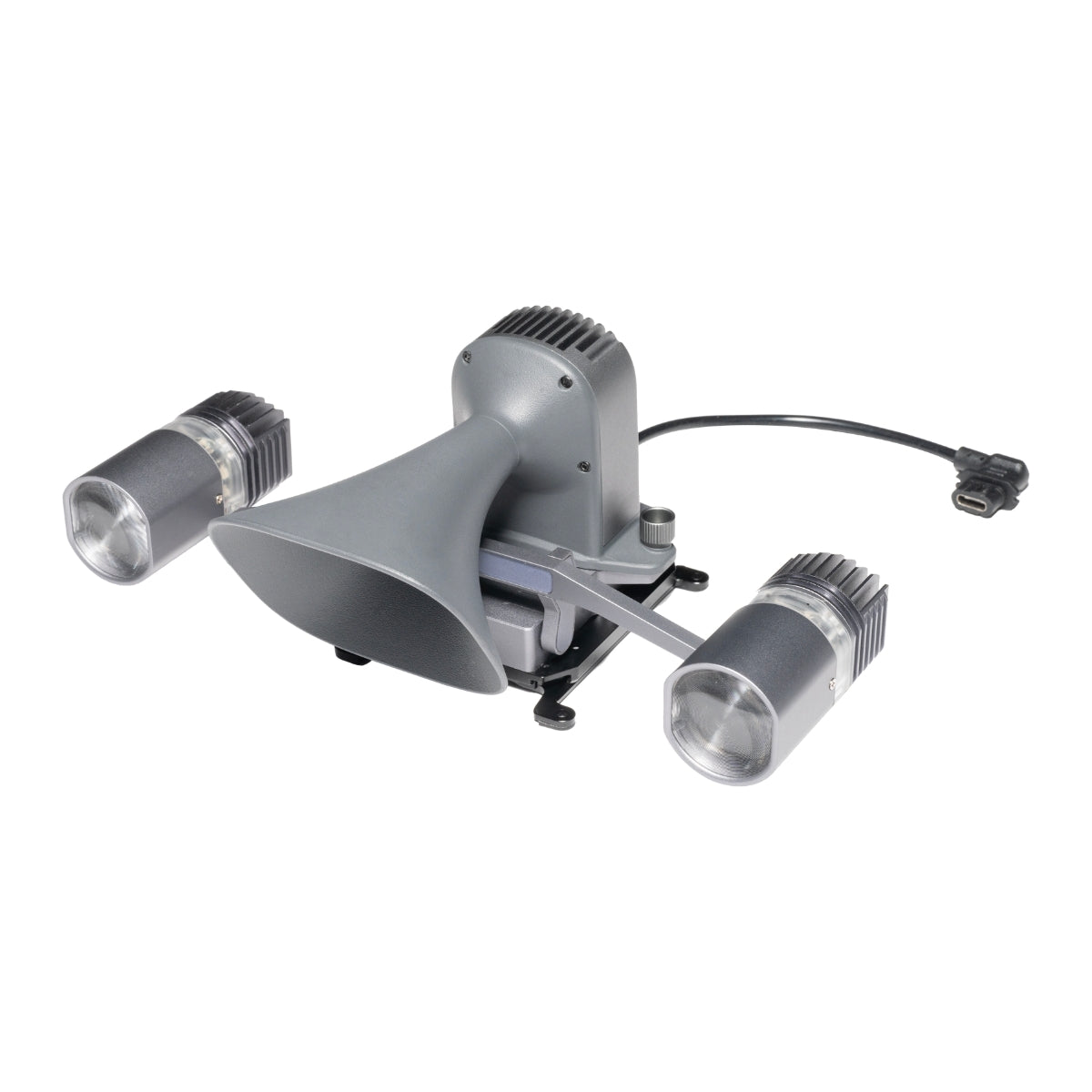
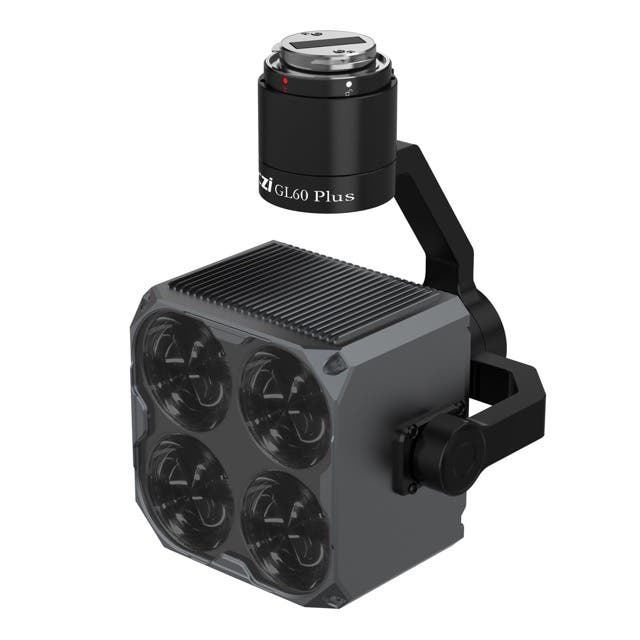
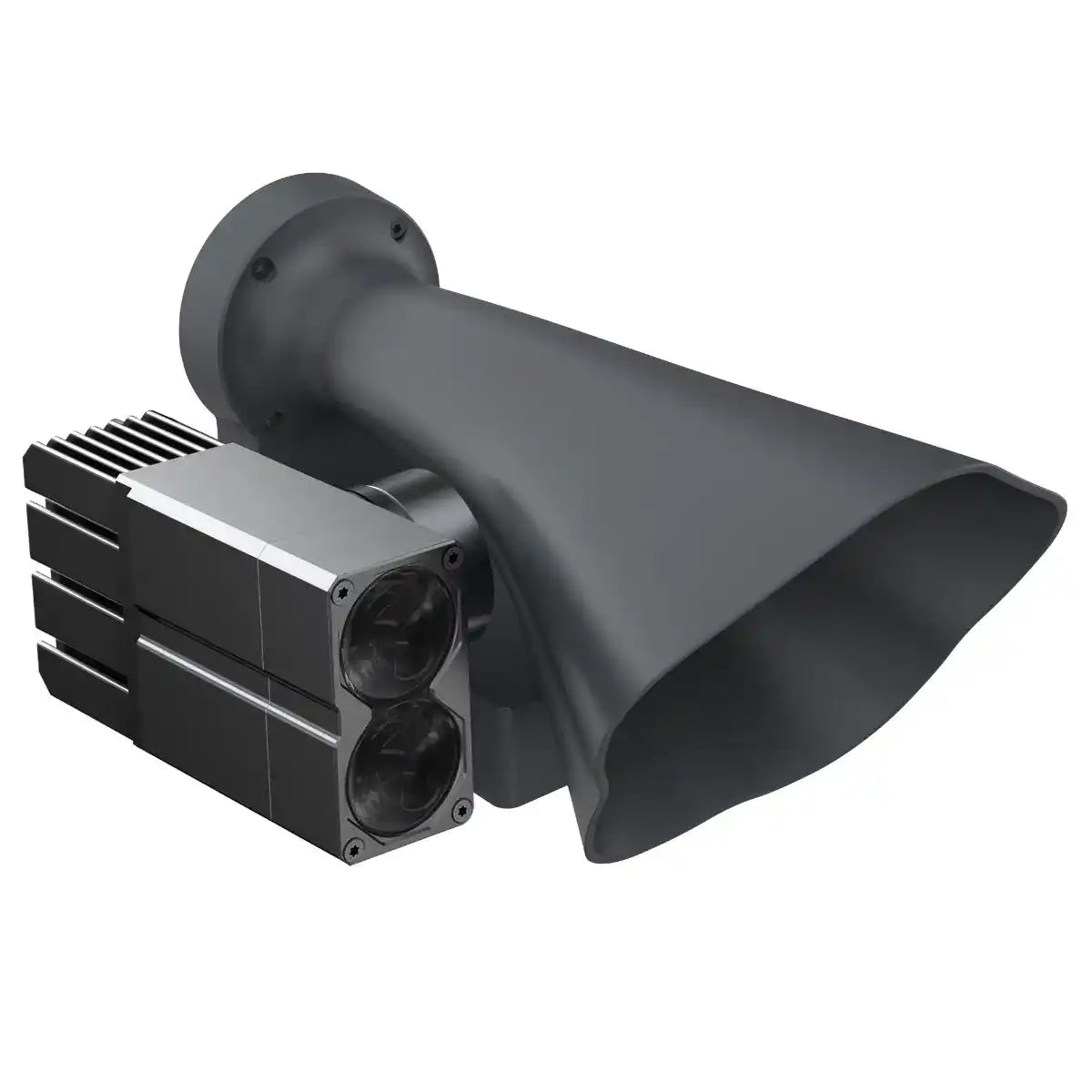
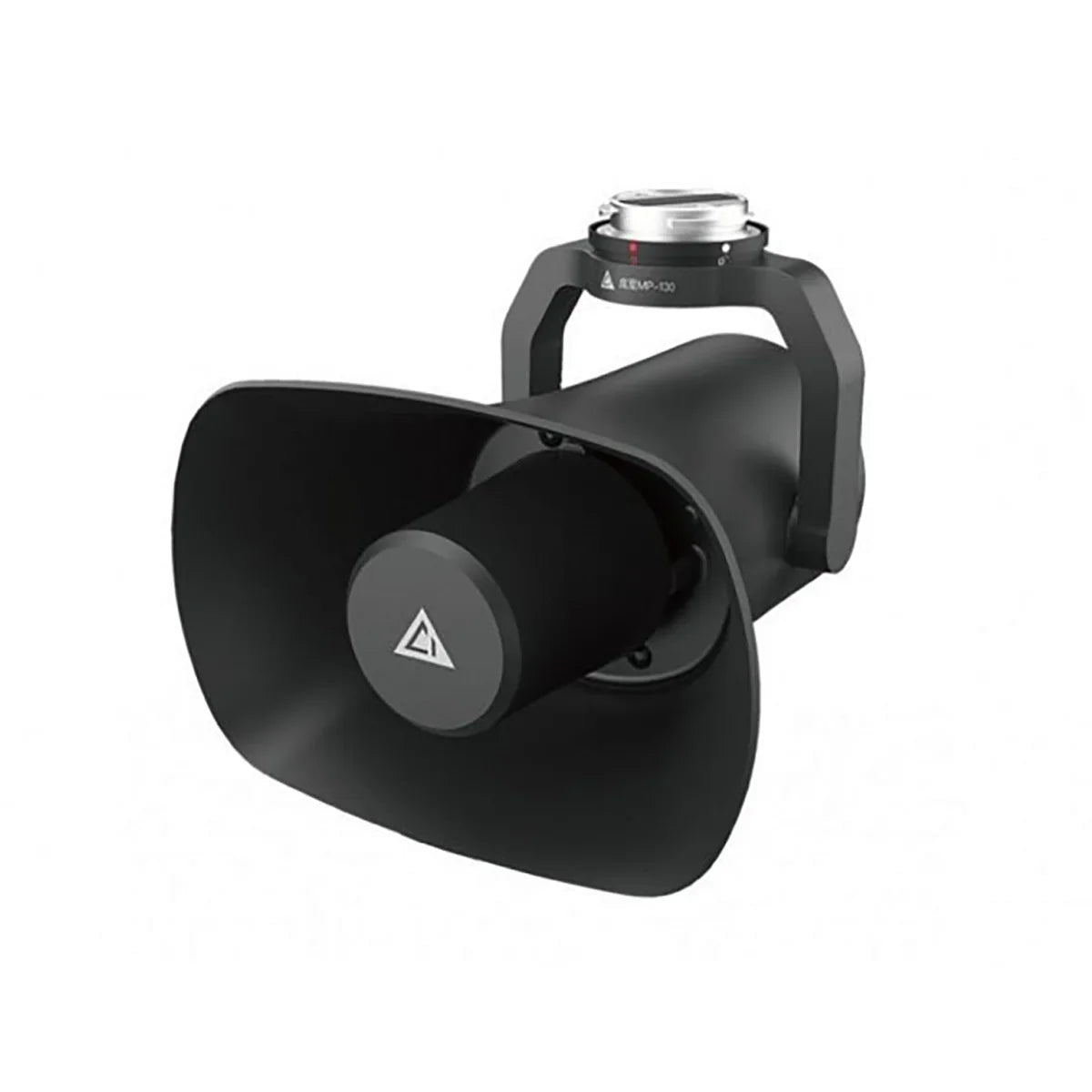
The quiet presence of a drone allows for discreet surveillance, and with payload options like speakers or spotlights, responders can issue commands, gain compliance, or signal when it’s time to act. In scenarios where seconds and sightlines matter, drones offer a calm, controlled way to maintain the upper hand.
8. Cost-Effective Aerial Surveillance
Running a helicopter program is expensive—and not every agency has the budget. Drones offer a far more accessible alternative for daily aerial coverage, with less overhead and no need for large crews or runways.
Whether monitoring public events, checking high-crime areas, or surveying building perimeters, drones deliver consistent eyes in the sky without the high operating costs. They’re easy to launch, require minimal maintenance, and can be deployed from nearly anywhere, making them a scalable solution for agencies looking to do more with less.
9. 24/7 Autonomous Patrol Capability
Not every call for service happens during daylight, and not every location is easily reached by officers on foot or in vehicles. With drone docking stations like the DJI Dock 3, agencies can run scheduled flights, launch drones remotely, and monitor critical areas—without needing someone on site to pilot them.
These autonomous systems allow for perimeter checks, facility monitoring, or rapid responses triggered by alarms or emergencies. In rural zones, high-risk facilities, or locations with limited staff, an always-ready drone offers around-the-clock visibility that’s consistent, scalable, and responsive—even in the middle of the night.
The Matrice 4TD, both built to operate with the Dock 3, are designed for autonomous patrol and real-time surveillance. Their thermal, zoom, and wide-angle payload compatibility makes them ideal for multi-hour missions and critical response coverage.Agencies deploying the Drone as First Responder Bundle or Dock Security Package gain access to end-to-end automation—enabling persistent aerial coverage without the need for on-site pilots.
10. Community Trust and Transparency
Accountability has become just as important as effectiveness in modern policing. Drones can support both. Aerial footage adds an extra layer of documentation to major incidents, providing a wider view of how events unfold in real time.
Whether used to review crowd management at a public event or to support an internal investigation, drone footage gives departments the ability to show—not just tell—what happened. This added visibility can help reinforce responsible policing practices, increase transparency with the public, and build trust through honest, objective reporting.
Platforms like the DJI Matrice 4T, and DJI Matrice 4D (Dock 3-ready) provide stable, high-resolution footage that can be recorded, time-stamped, and reviewed for audits or public disclosure. This added visibility helps departments reinforce responsible decision-making and build trust through objective documentation.
What Are the Key Features of Law Enforcement Drones?
Law enforcement drones aren’t built like hobby drones—they’re designed for real work in real situations. From high-stakes tactical calls to routine patrols, these drones come packed with features that help officers make smarter, faster decisions from a safe distance.
Here’s what makes them different:
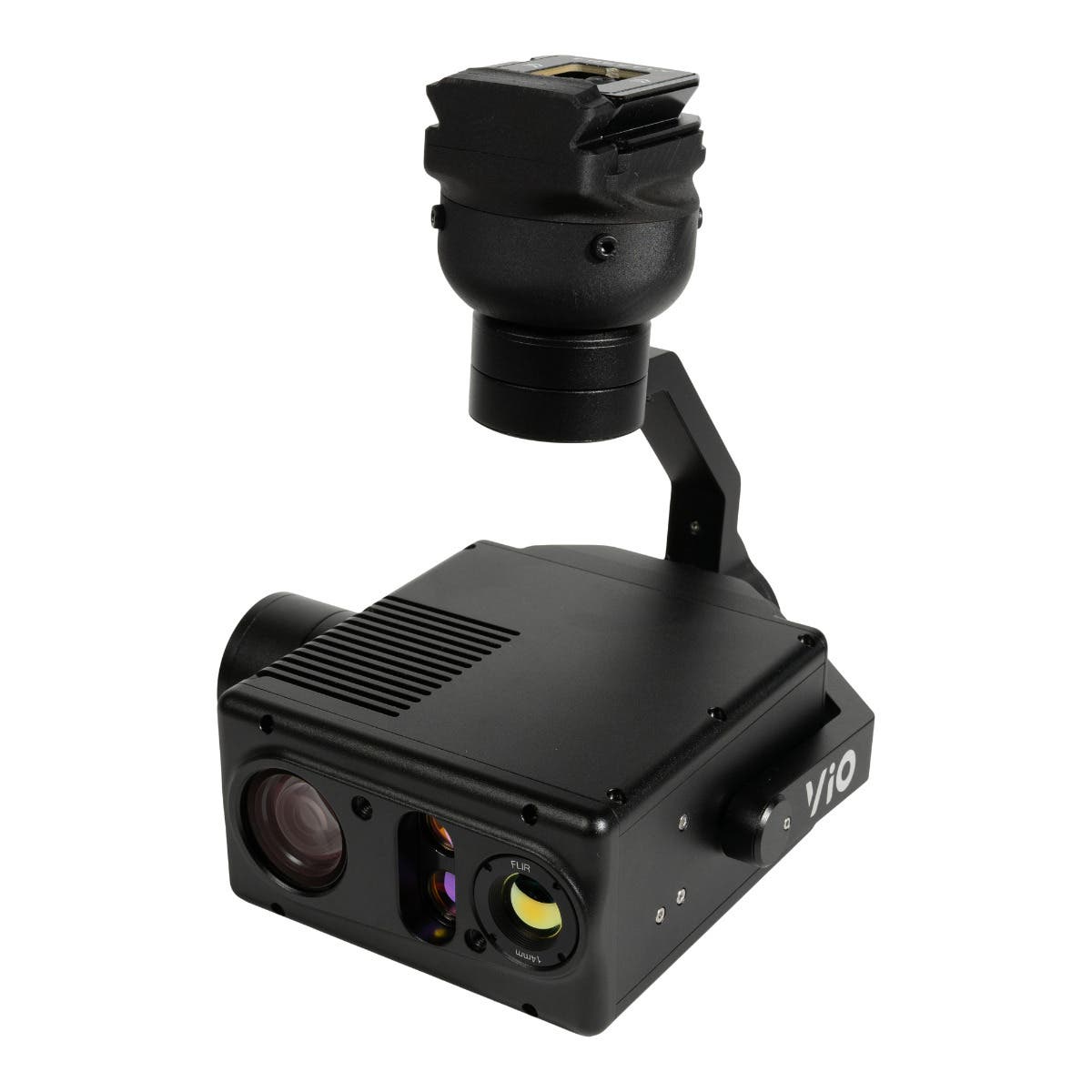
- Thermal and Night Vision Capabilities: Whether you're searching for a suspect in a dark alley or scanning a field after sunset, thermal imaging and night vision make it possible to see what the human eye can’t.
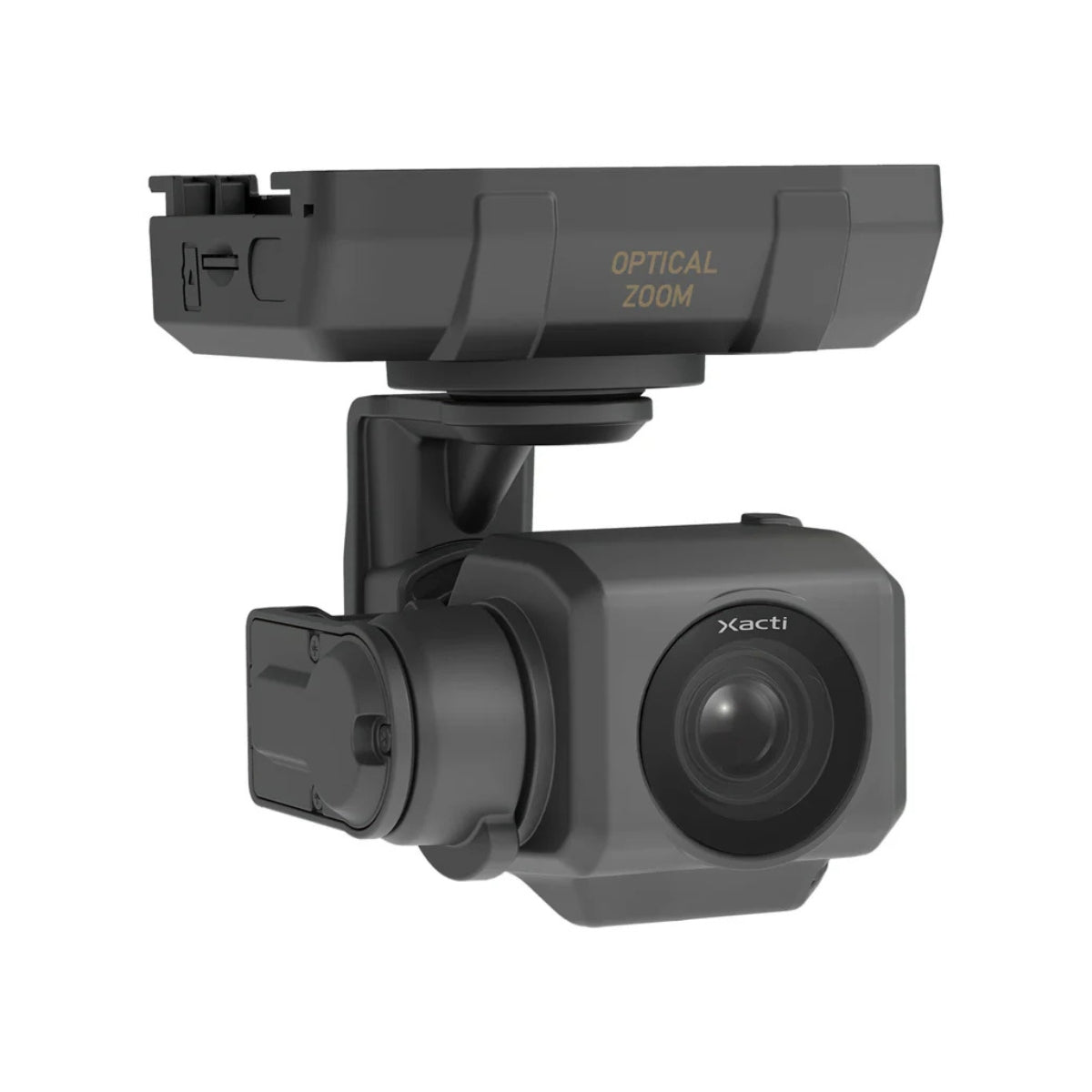
- High-Zoom Optical Cameras: Officers don’t need to be right next to a scene to gather details. Zoom cameras let them monitor from a distance, capturing license plates, faces, or movements clearly—without stepping into harm’s way.
- Extended Flight Time: Longer missions need longer airtime. Many drones used in law enforcement stay airborne for 40 to 55 minutes, which is ideal for monitoring large perimeters or staying on scene during long incidents.
- Remote Launch and Return (Dock-Ready): With setups like the DJI Dock 3, drones can take off, land, and charge automatically—no pilot needed on-site. That means patrols can be launched in seconds, even when no one’s around.
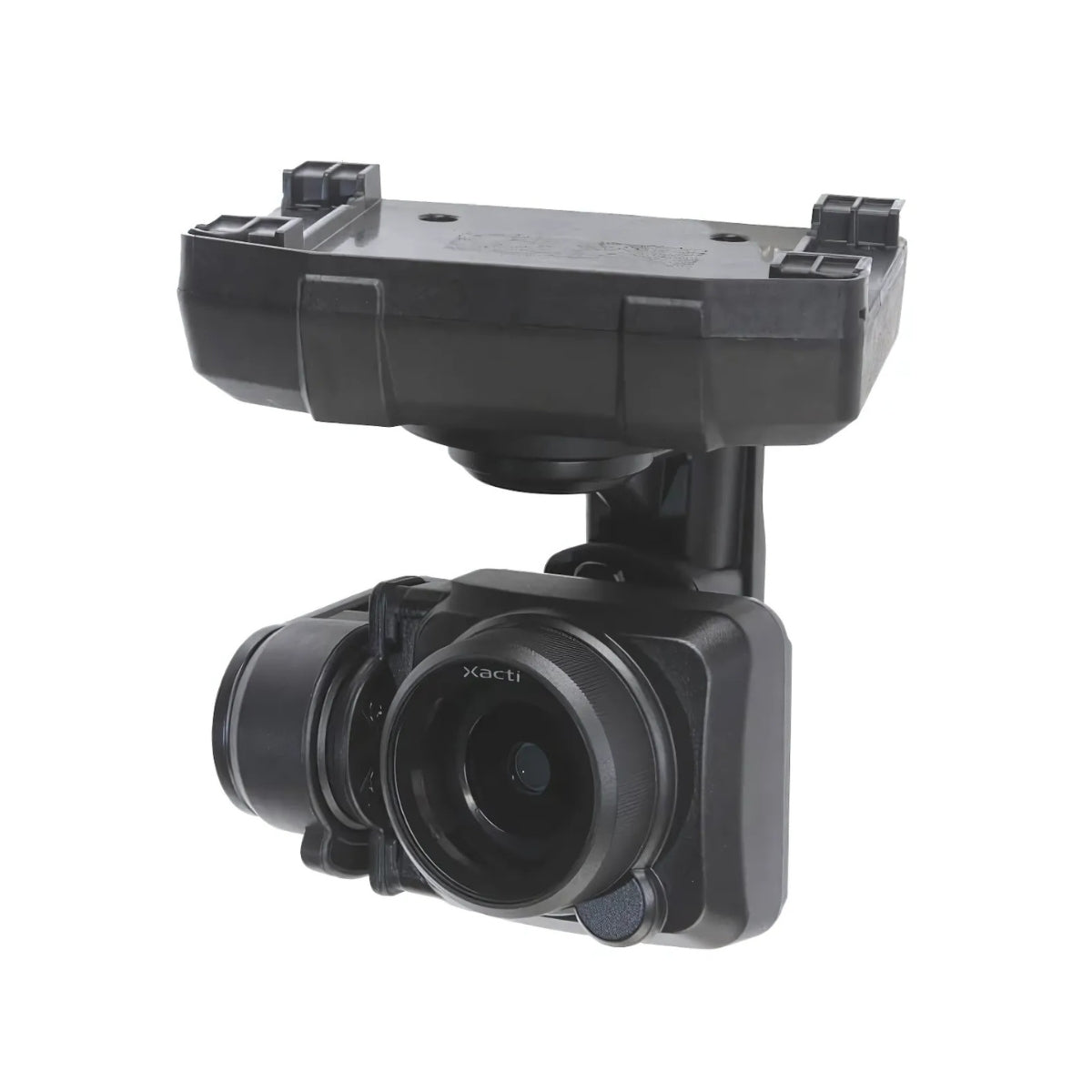
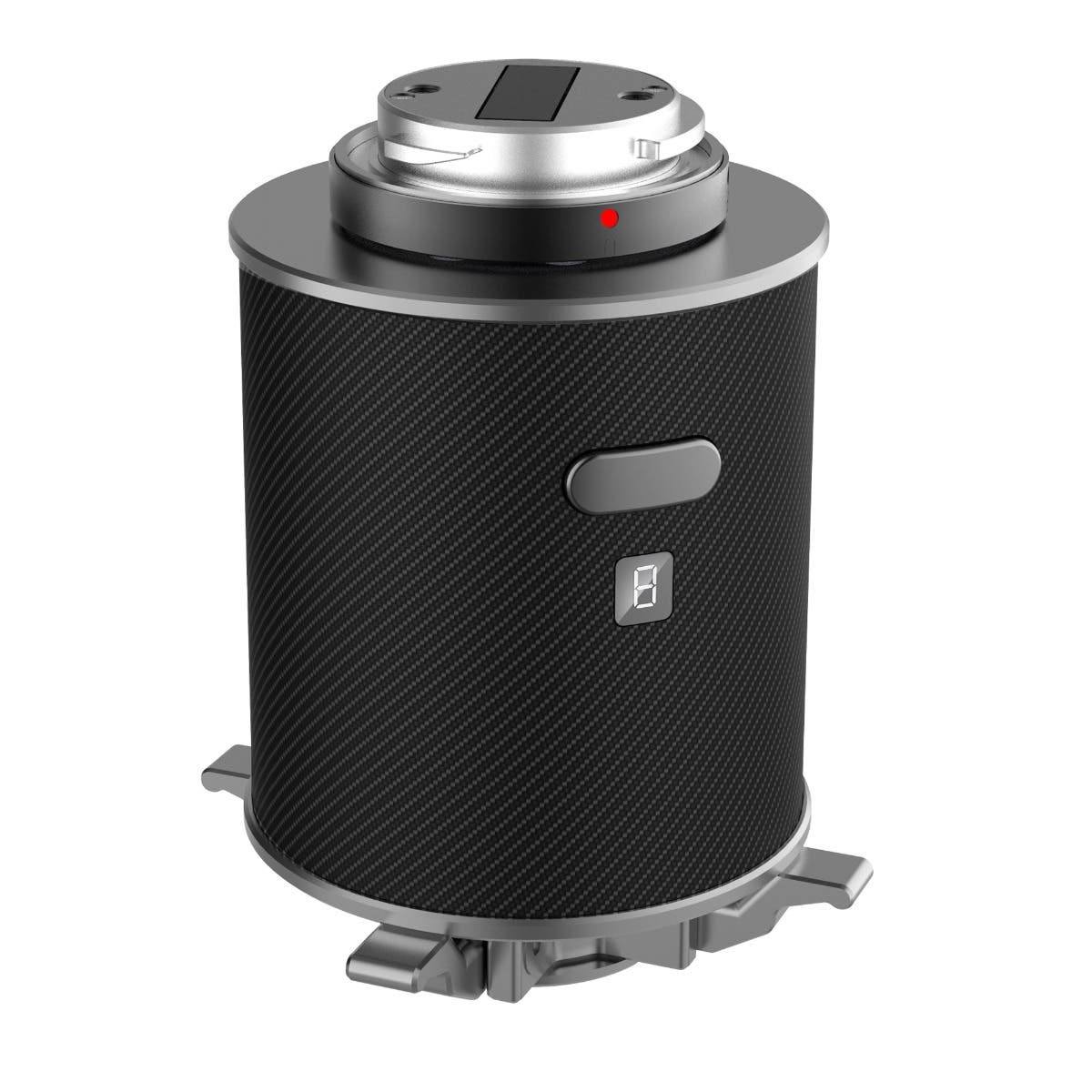
- Modular Payload Options: Some calls need spotlights. Others need loudspeakers or thermal sensors. The best drones let you swap out tools depending on the job—so you’re never flying with the wrong gear.
- Precise GPS and RTK Technology: For tasks like accident reconstruction or mapping large crime scenes, accuracy matters. These drones fly exact paths and record location data down to the centimeter.
- Secure Live Streaming and Data Encryption: Real-time video is great—but it also needs to be secure. Law enforcement drones stream directly to command without risking sensitive footage falling into the wrong hands.
- Built to Withstand the Elements: Whether it’s pouring rain, heavy winds, or extreme heat, most public safety drones are rugged enough to fly through it and still deliver what the team needs.
These features help departments respond quickly, document clearly, and protect both officers and the public in the moments that matter most.