







About the Collection
Sniffer4D Nano 2 Plus: Modular Airborne Gas Detection for Any UAS Mission
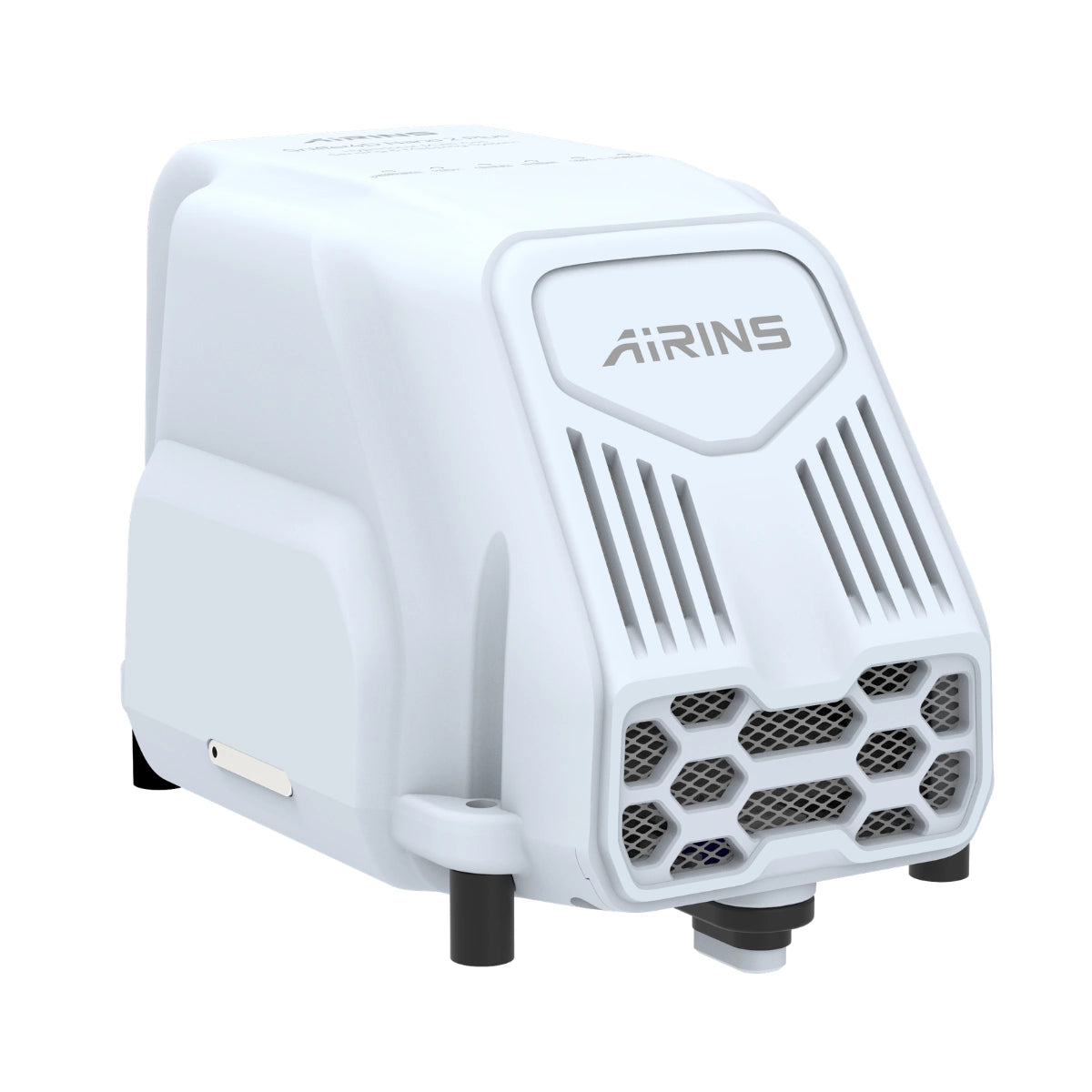
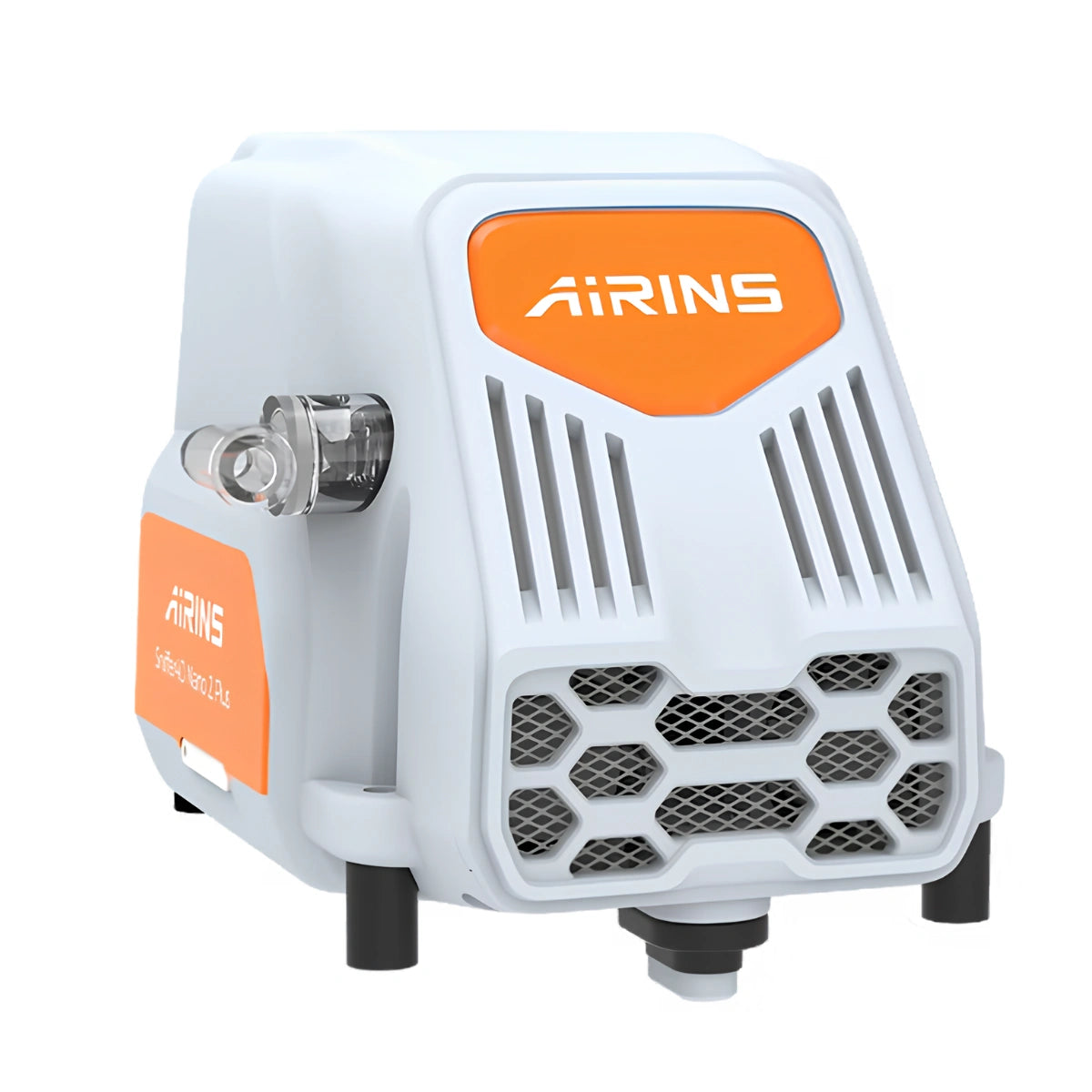
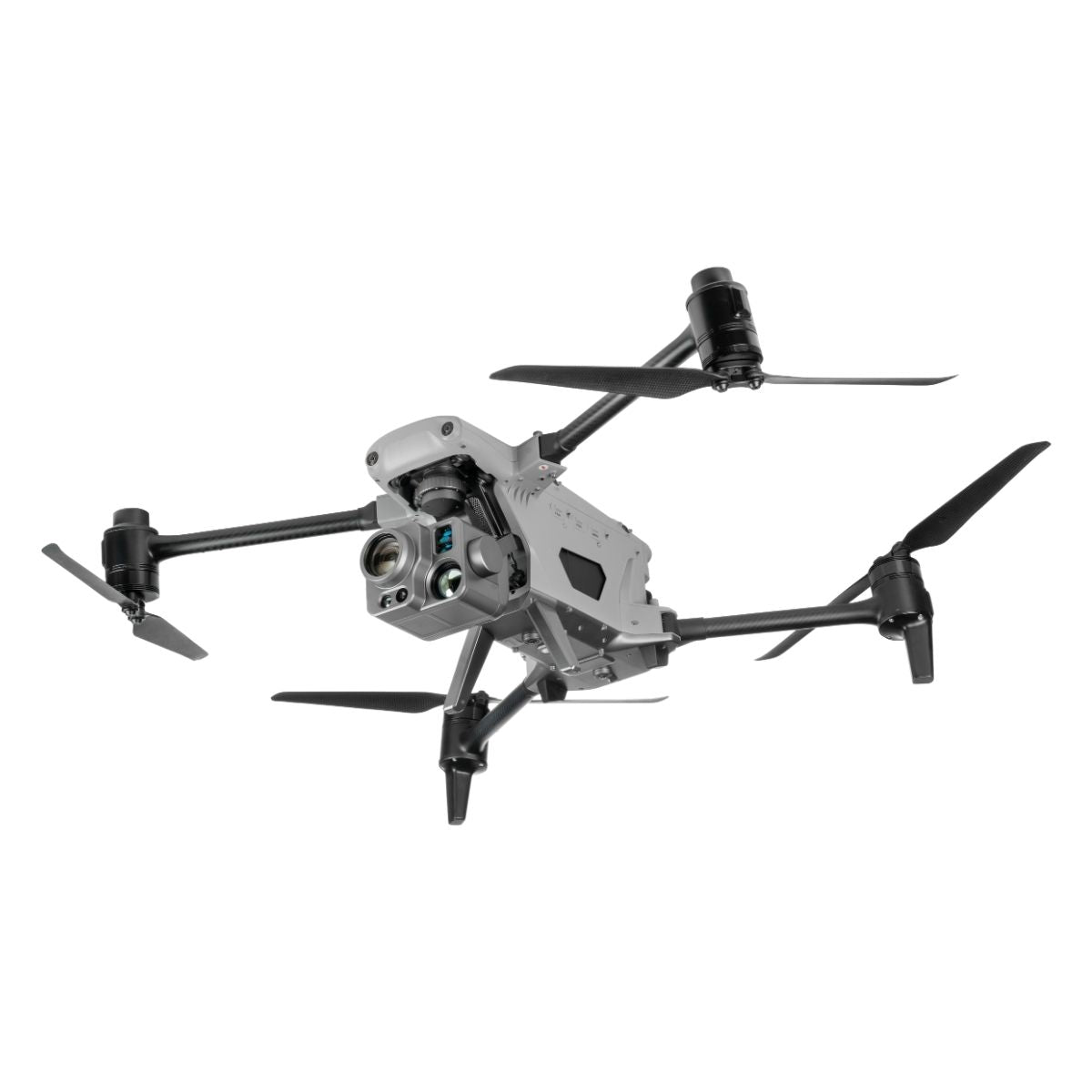
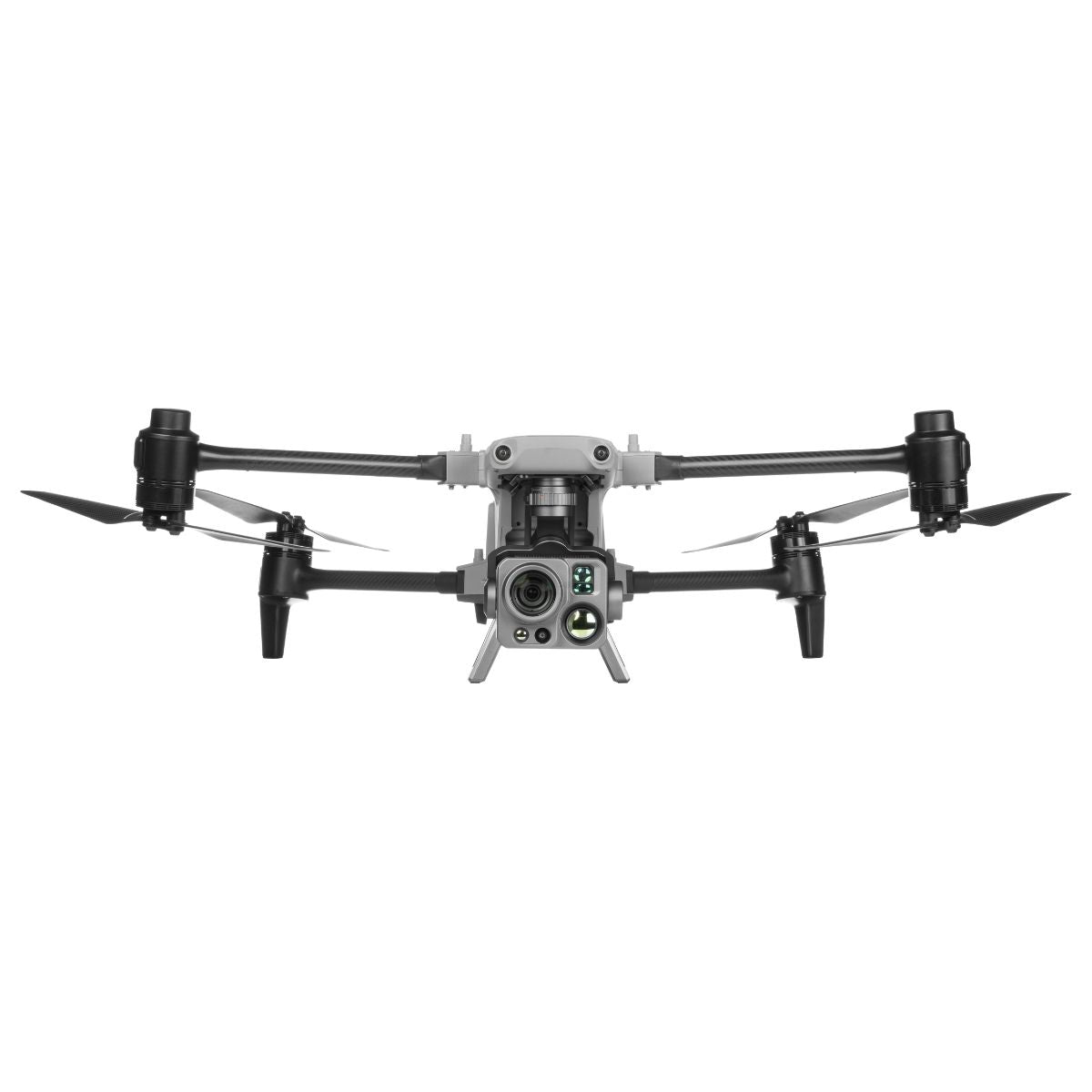
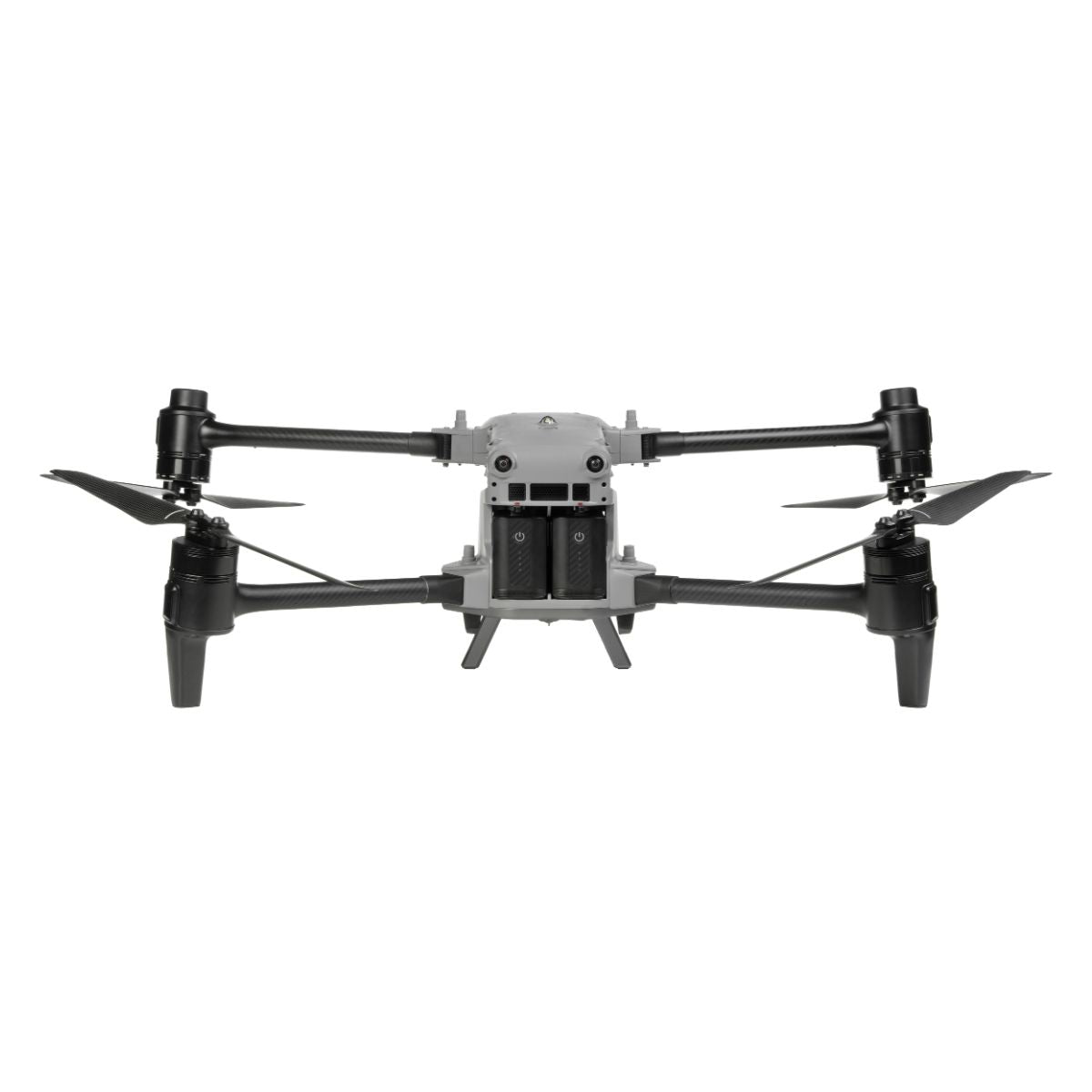
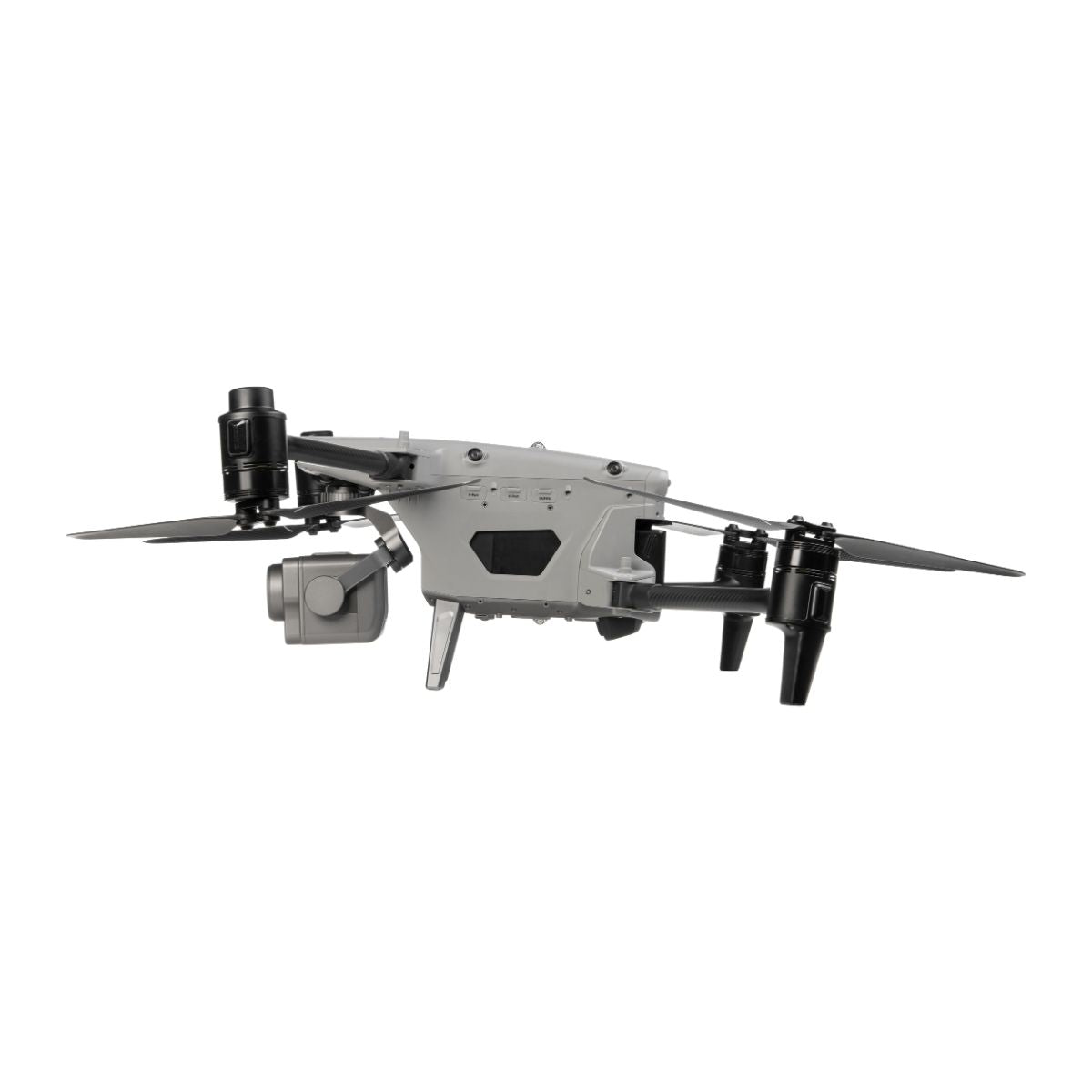
Sniffer4D Nano 2 Plus is a modular airborne gas detection platform for the DJI Matrice 4D / 4TD (Dock 3), M4E / M4T, M400 / M350 / M300, and M30 / M30T, built for teams that need to identify and map airborne hazards without grounding a crew. The platform starts with a Base Unit, available in two configurations, and expands through eleven interchangeable sensing modules covering particulates, combustion gases, industrial gases, odor, and volatile organic compounds.
Field teams choose between a Multi-Gas Base Unit with five reconfigurable module slots or a standalone Methane Unit built around dedicated laser sensing, then add integration kits and connectivity accessories to match the mission. Whether the job is a pipeline survey, a landfill inspection, or a HAZMAT response, the same core hardware adapts by swapping modules rather than swapping platforms.
Multi-Gas Base Unit vs. Methane Unit: Choosing Your Sniffer4D Configuration
- Multi-Gas Base Unit: five internal module slots, senses up to six gas parameters simultaneously depending on module selection, native E-Port connection to the Matrice 4D and 4TD, expandable to the Matrice 400, 4E and 4T, and 350 and 300 through separately sold integration kits.
- Methane Unit: standalone Multi-Pass TDLAS configuration dedicated to methane screening, 200 ppb limit of detection, contact-based sampling through an intake tube rather than remote sensing, cannot be combined with other sensing modules in the same housing.
| Spec | ConfigurationMulti-Gas Base Unit | ConfigurationMethane Unit |
|---|---|---|
| Module Slots | 5 reconfigurable slots | Standalone, no additional slots |
| Detection Method | Varies by installed module | Multi-Pass TDLAS (laser) |
| Sensing Type | Contact and diffusion, module dependent | Contact based, not remote sensing |
| Limit of Detection | Varies by module (5 μg/m³ to 1 ppm) | 200 ppb |
| Combinable with Other Modules | Yes, up to 5 at once | No, standalone only |
| Native Airframe | Matrice 4D / 4TD | Matrice 4D / 4TD |
| Kit-Supported Airframes | Matrice 400, 4E/4T, 350/300, M30/M30T | Matrice 400, 4E/4T, Matrice 350/300, M30/M30T |
| Weight | ≤240 g | ≤240 g |
| IP Rating | IP55 | IP55 |
Scroll horizontally to view all columns on smaller screens.
Sniffer4D Nano 2 Plus Core Specifications and Flight Performance
Both Base Unit configurations share the same physical housing, smaller than 110 by 76 by 80 millimeters and roughly 8.5 ounces (240 grams), with an IP55 rating for rain-safe operation and a built-in temperature, humidity, and pressure sensor active on every flight regardless of which sensing module is installed. Power comes directly from the aircraft's E-Port or a 5 to 24 volt, 2 amp maximum external source, with USB-C reserved for power only, not data.
Every unit ships with a 32GB MicroSD card for local mission logging in CSV format, and encrypted 1Hz data transmission with a 12-hour offline retrieval buffer keeps mission data intact through brief signal loss. Six status LEDs report sensor, GNSS, storage, LTE, and aircraft communication health, and the units support swarm operation, letting multiple aircraft report to one shared visualization terminal.
Response times and detection limits vary by which sensing module is installed, ranging from sub-3-second response on the TVOC and HCHO modules to roughly 2-minute warm-up on several electrochemical gas modules.
Base Unit Configurations and Sensing Modules
Base Unit configurations:
- Multi-Gas Base Unit: five-slot configurable platform for combining up to five sensing modules per flight.
- Methane Unit: fixed single-purpose MP-TDLAS platform for dedicated methane screening.
Sensing modules (field-attachable, sold separately, see comparison table below for full specs):
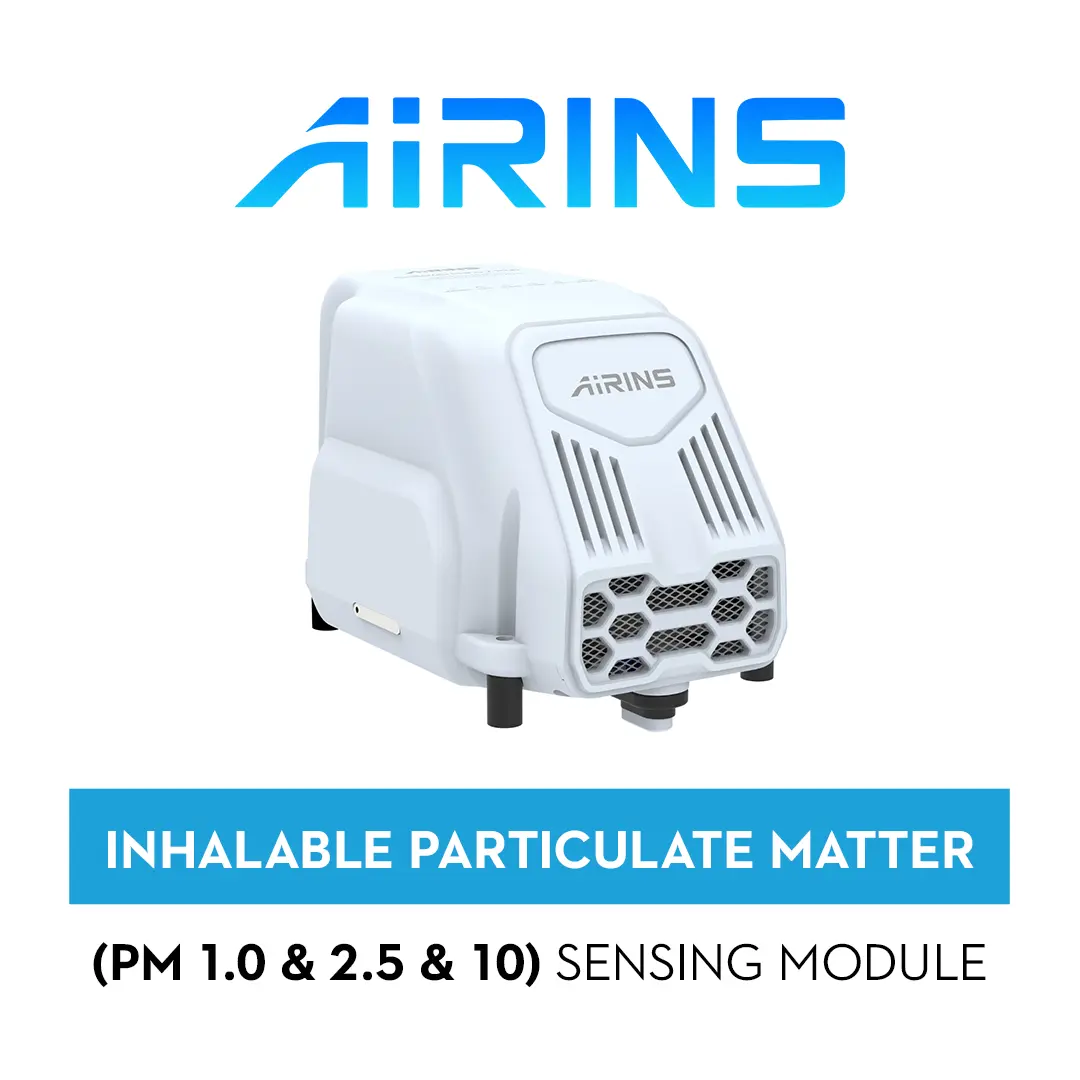
- PM 1.0, 2.5, and 10 (Particulate Matter) Sensing Module: broad particulate detection for general environmental monitoring.
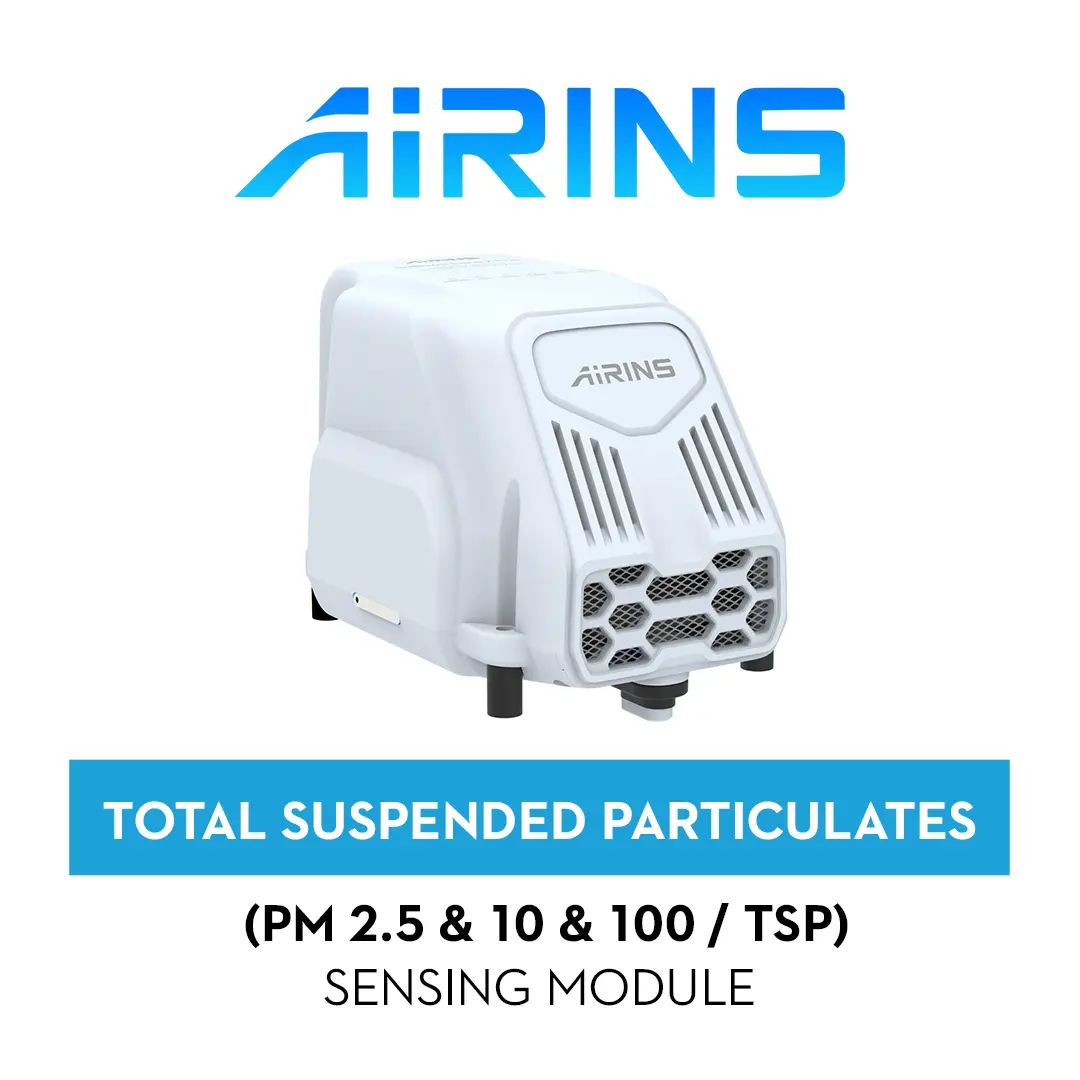
- TSP/PM 100 (Total Suspended Particulates) Sensing Module: coarse particulate detection, standalone build using all five slots.
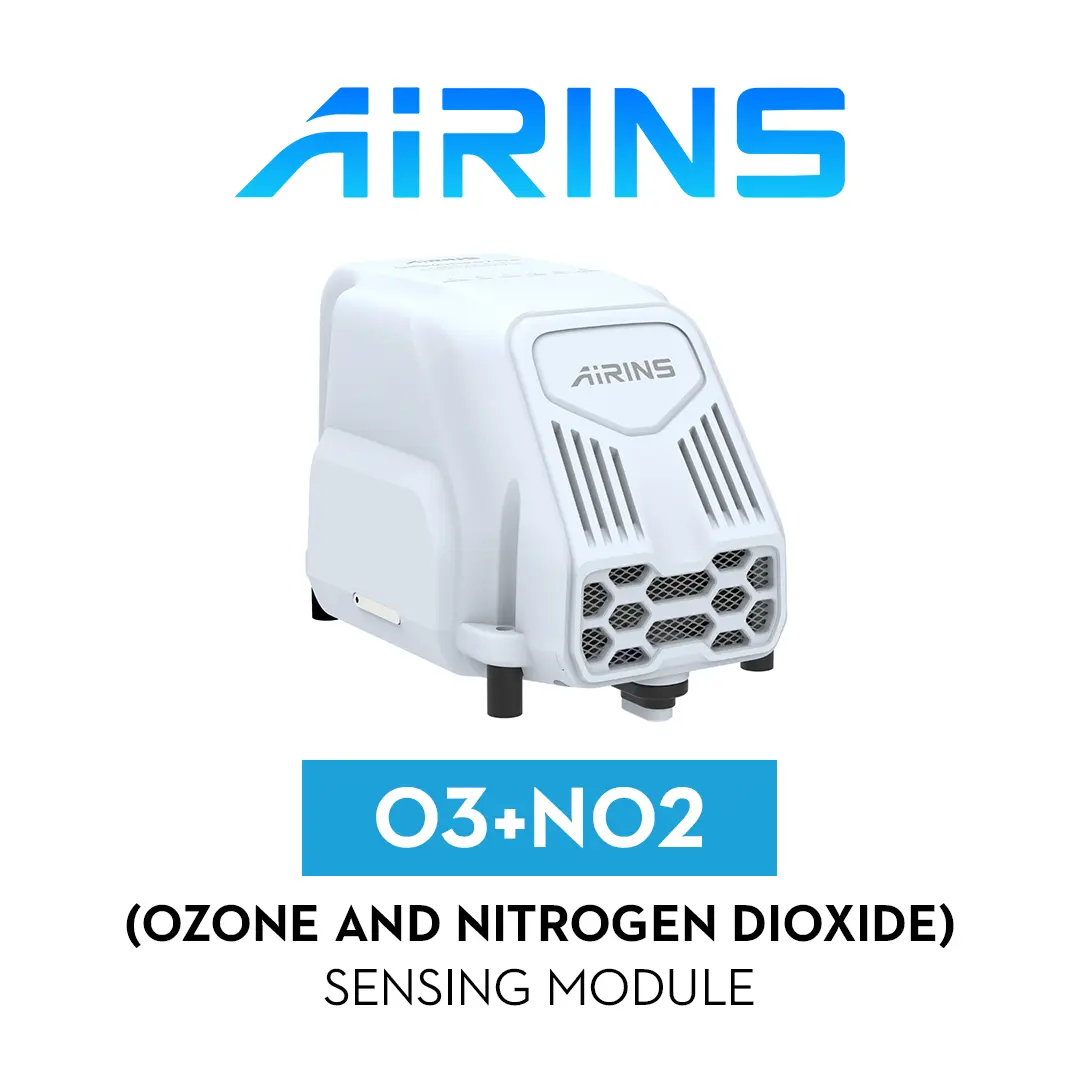
- O3+NO2 (Ozone and Nitrogen Dioxide) Sensing Module: combined oxidant sensing, pairs with a NO2 module to isolate ozone.
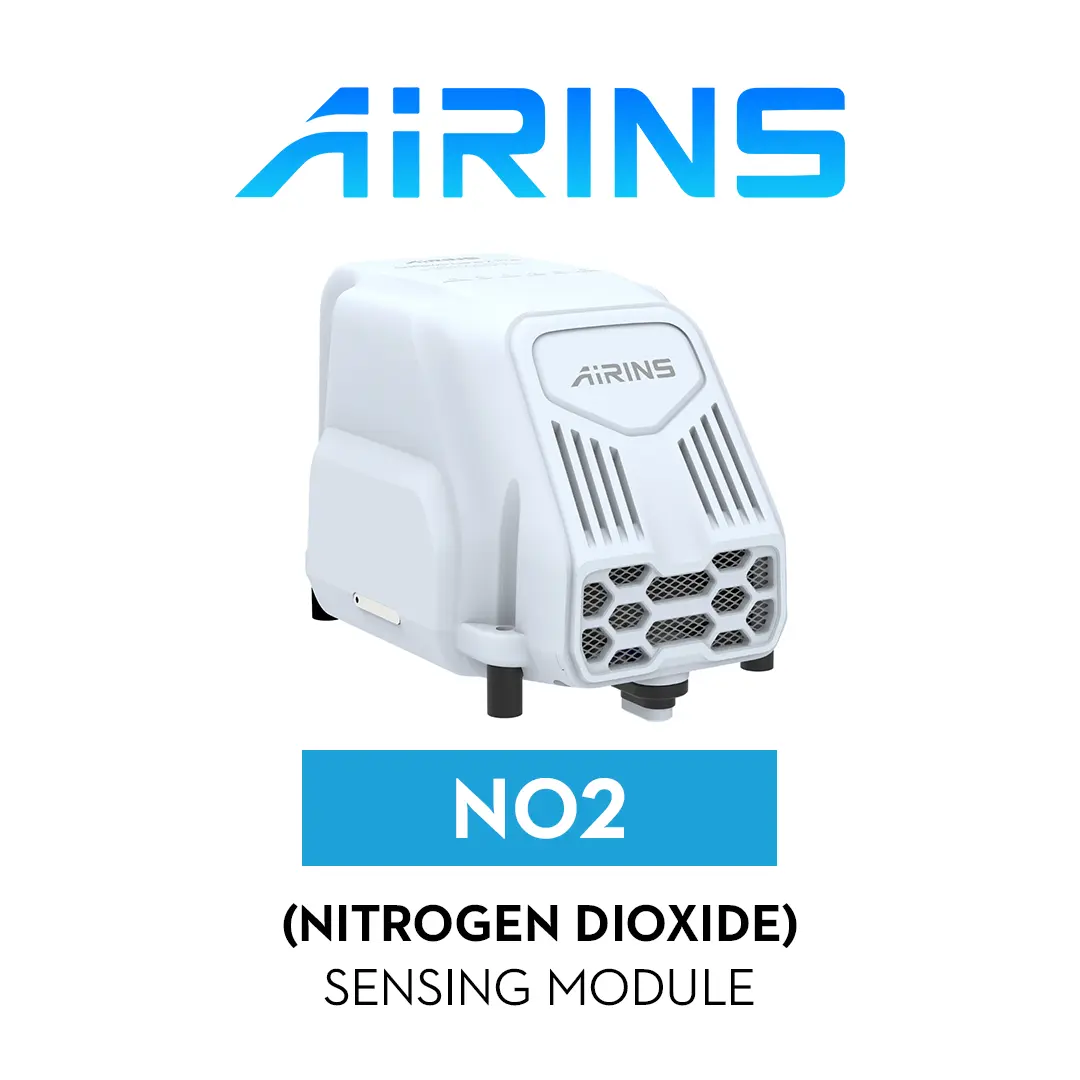
- NO2 (Nitrogen Dioxide) Sensing Module: independent nitrogen dioxide reading for HAZMAT and ship fuel work.
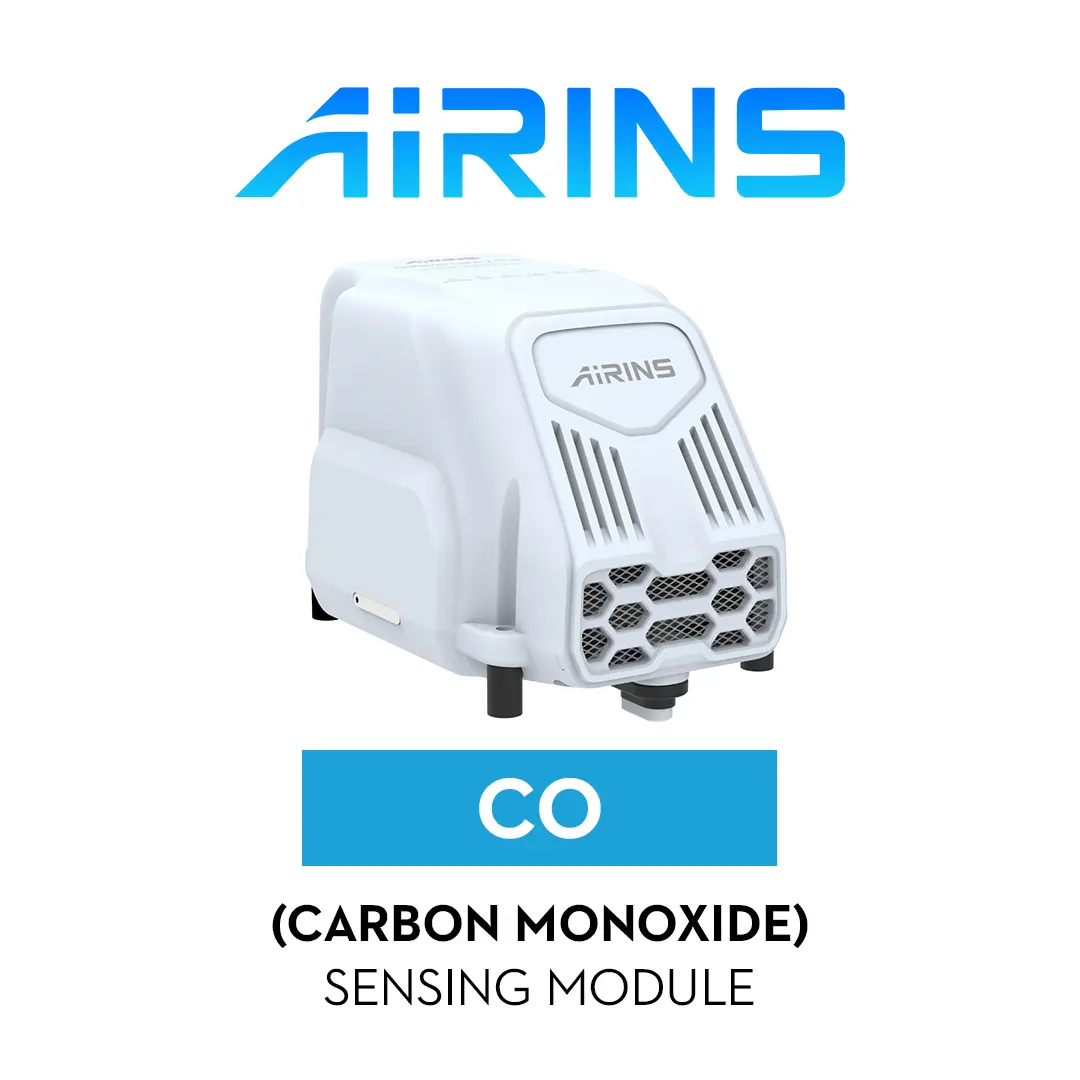
- CO (Carbon Monoxide) Sensing Module: fast carbon monoxide response for HAZMAT scenarios.
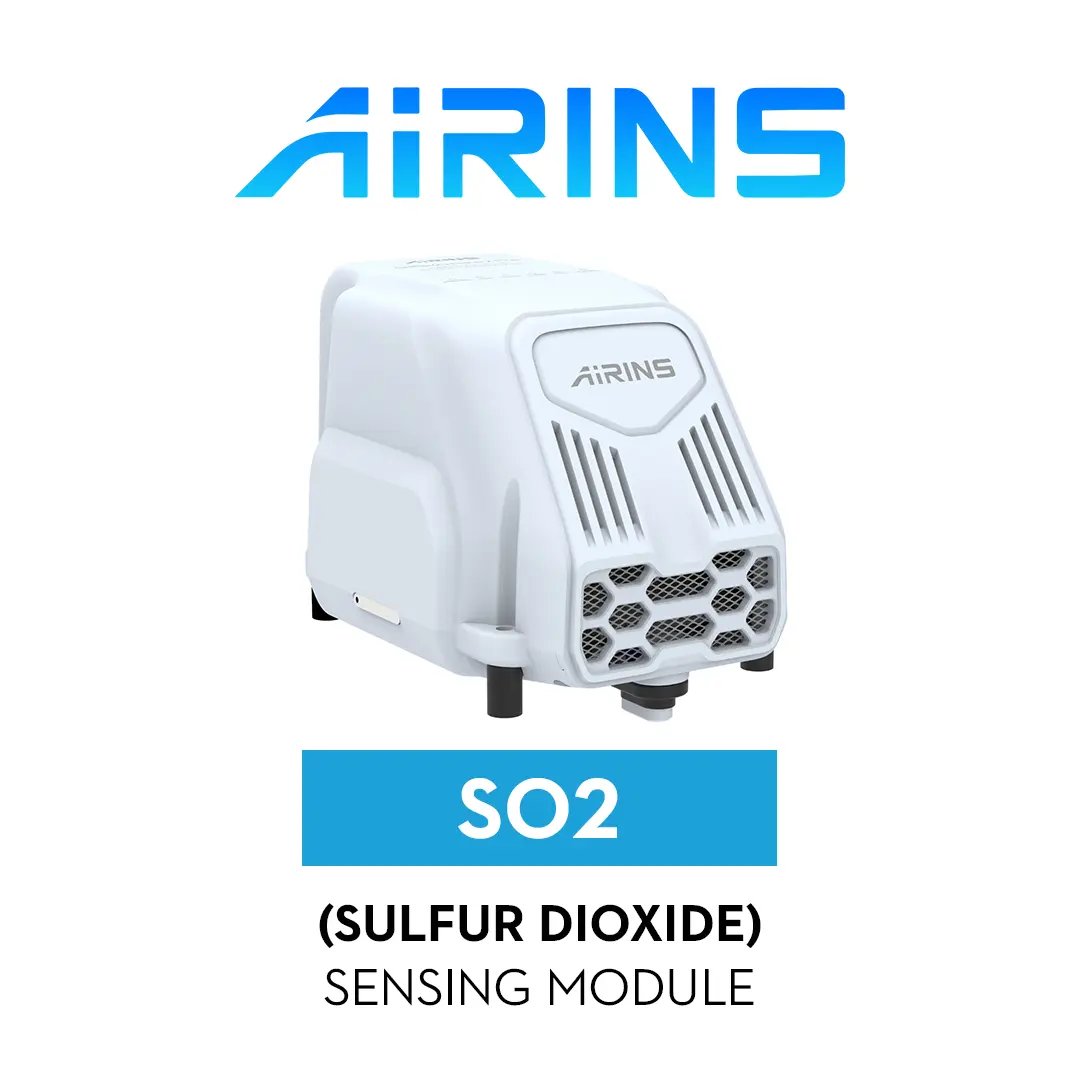
- SO2 (Sulfur Dioxide) Sensing Module: sulfur dioxide sensing for HAZMAT and ship fuel monitoring.
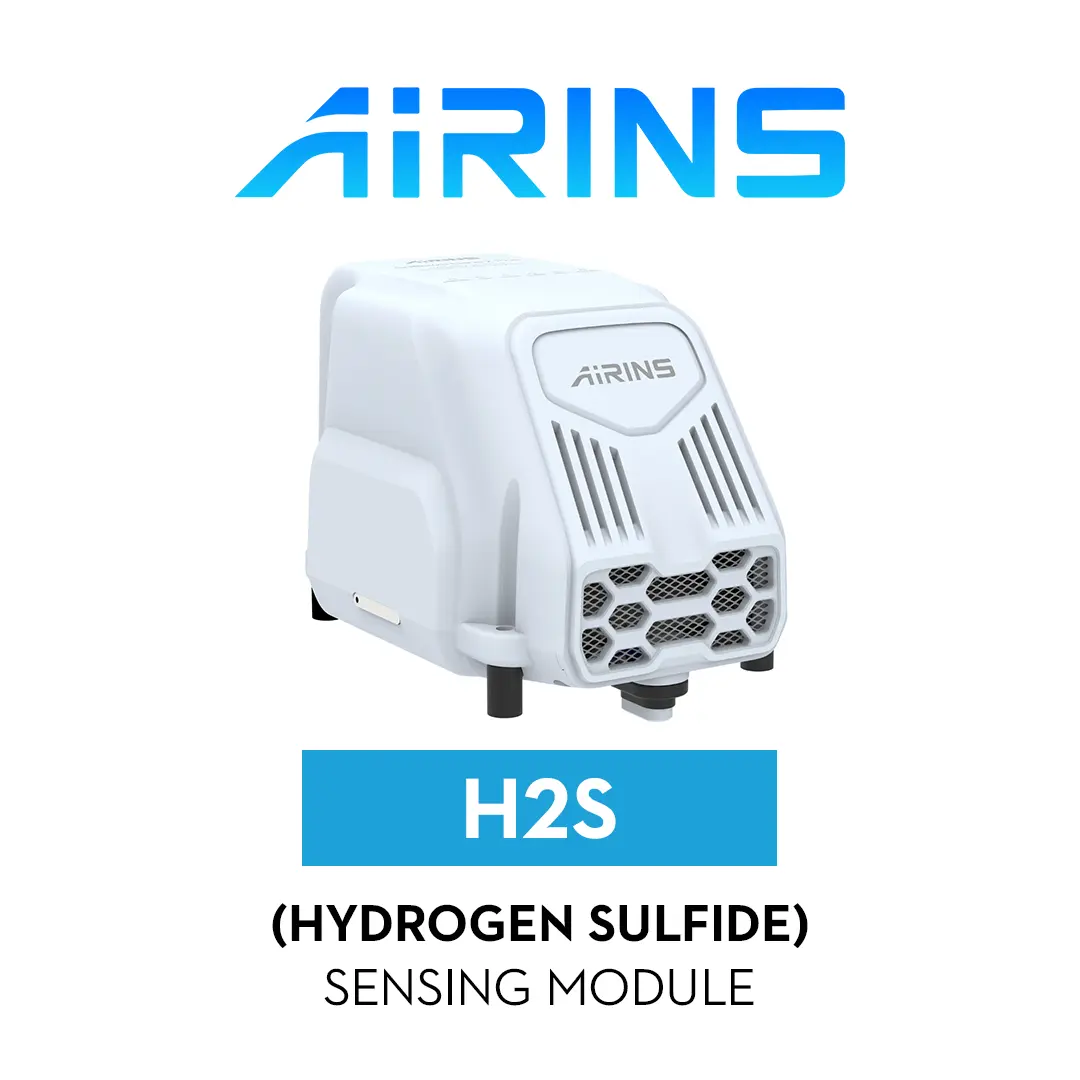
- H2S (Hydrogen Sulfide) Sensing Module: hydrogen sulfide sensing for oil and gas leak detection.
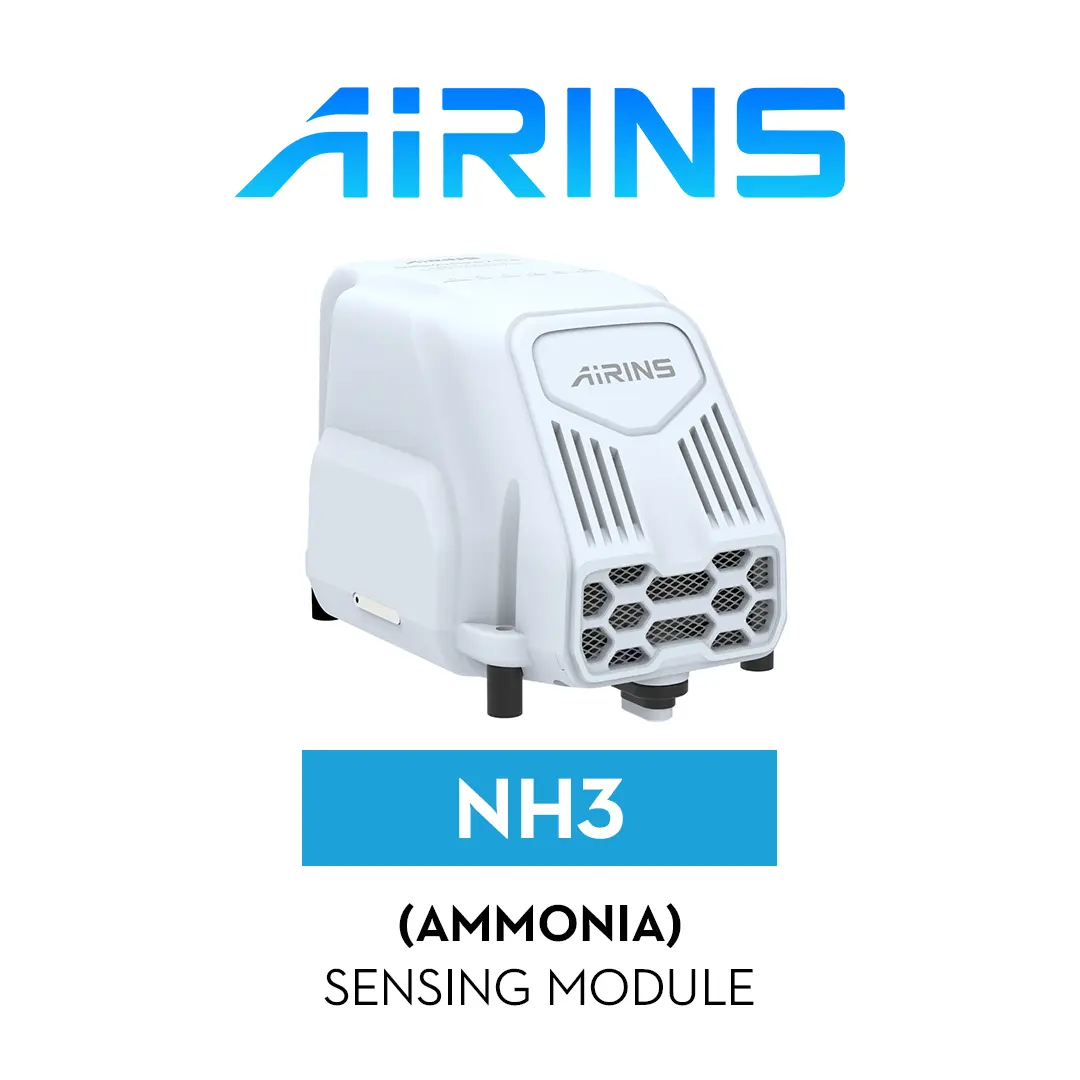
- NH3 (Ammonia) Sensing Module: ammonia sensing for odor detection and HAZMAT response.
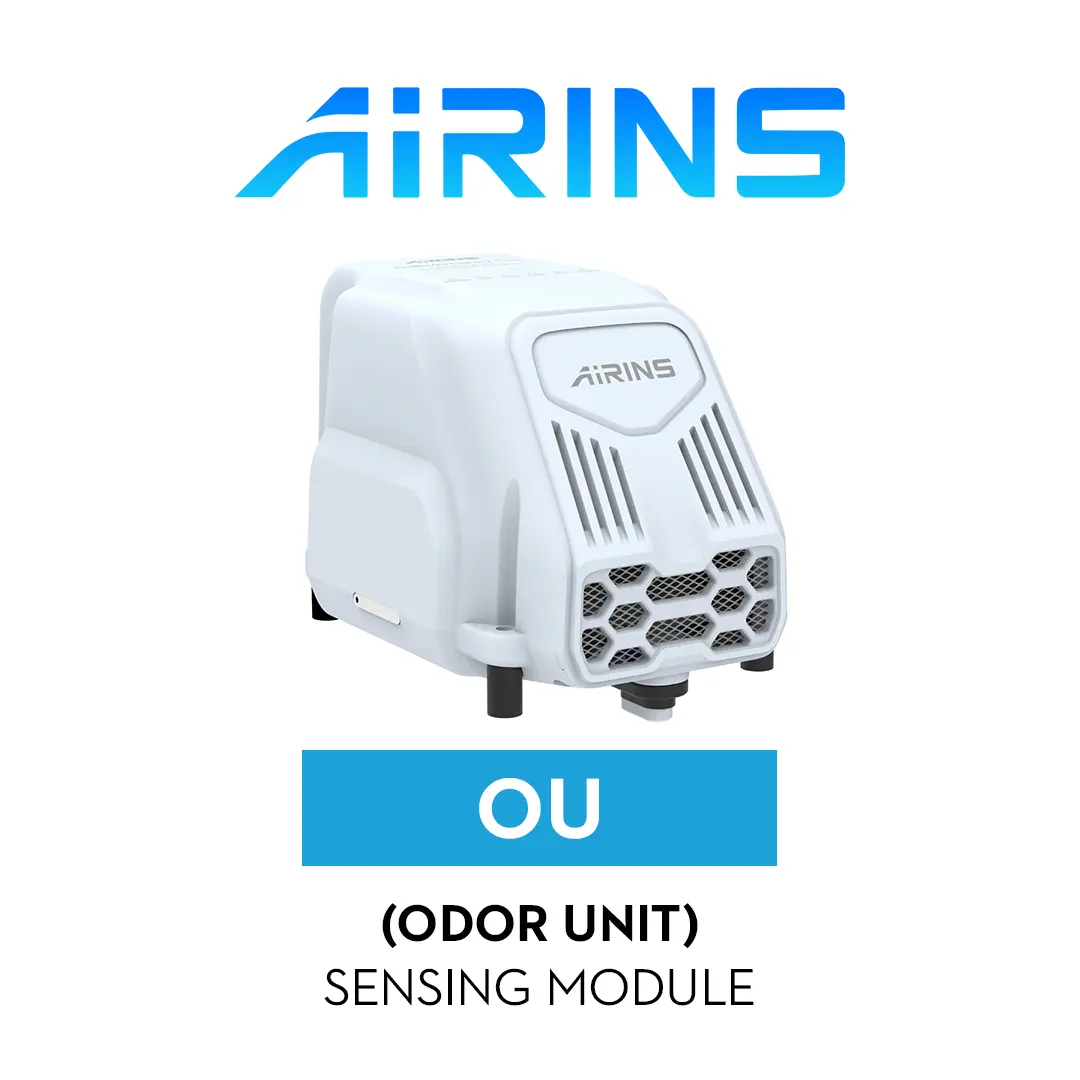
- OU (Odor Unit) Sensing Module: general odor detection and environmental monitoring.
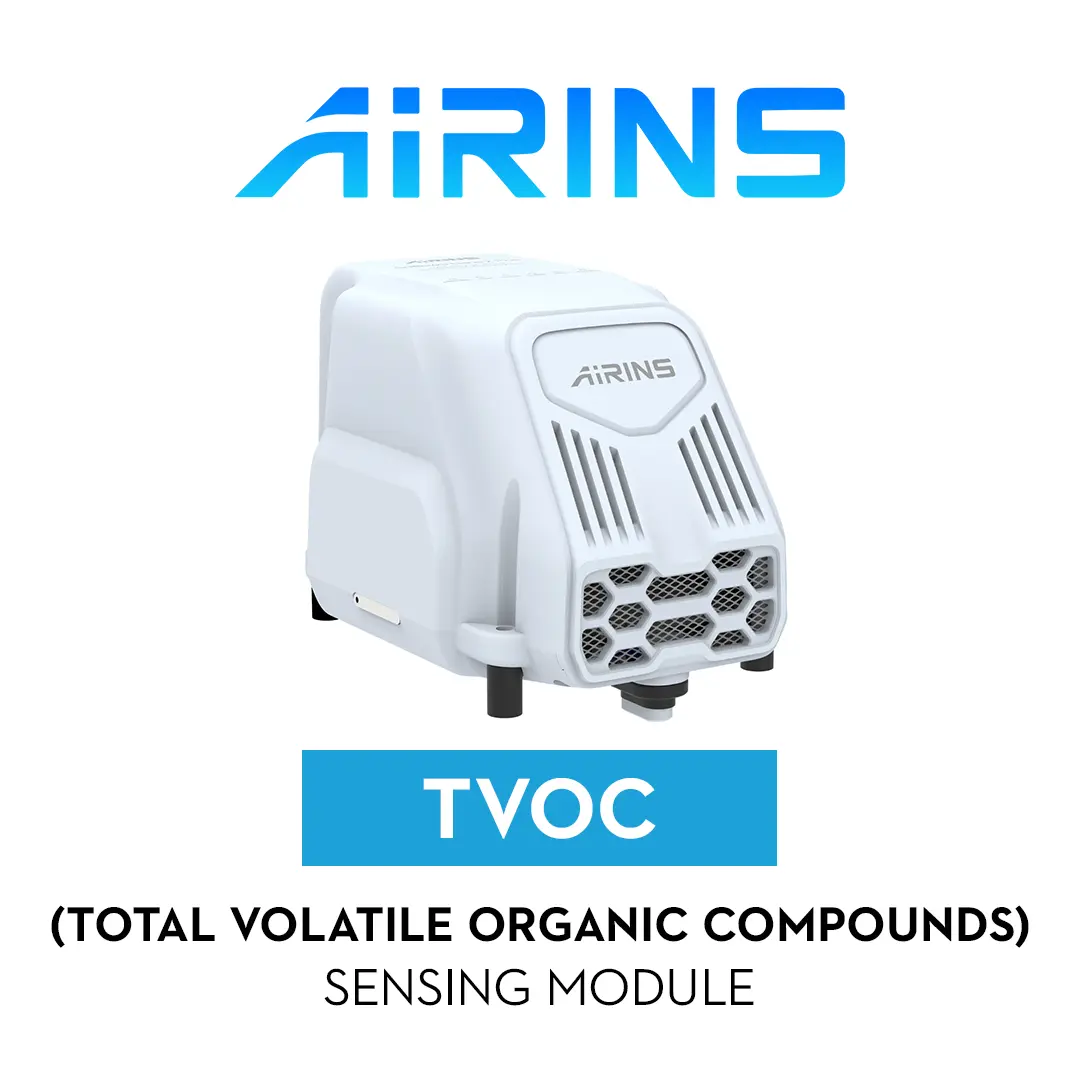
- TVOC (Total Volatile Organic Compounds) Sensing Module: fast volatile organic compound detection for leak and HAZMAT work.
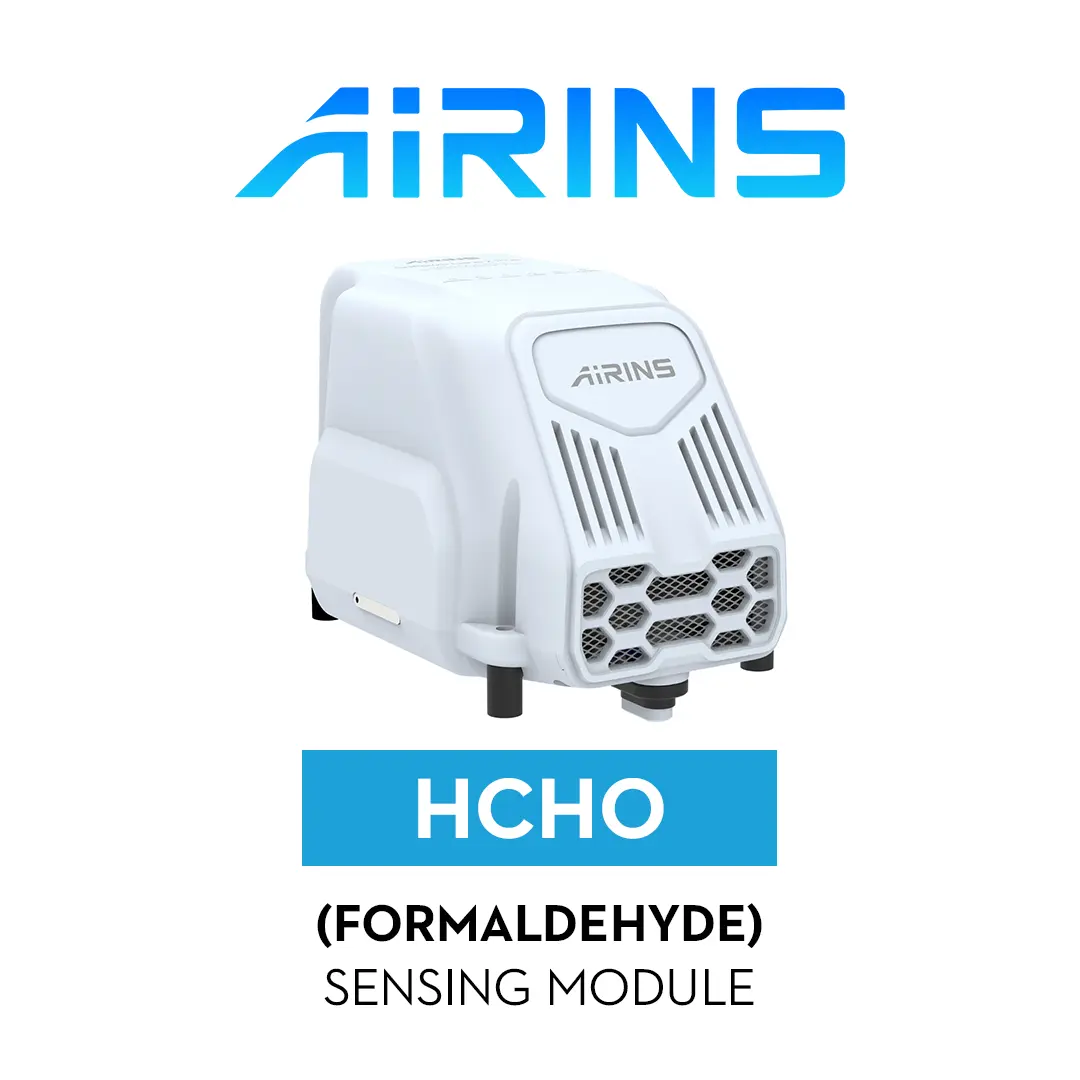
- HCHO (Formaldehyde) Sensing Module: formaldehyde detection with a fast response time.
- Base Unit Top Surface Logo Customization: laser-engraved branding, sold separately.
Integration Kits, Connectivity, and Support Hardware
Integration kits and connectivity:
- DJI Matrice 400 Integration Kit: mounting bracket and hardware for M400 deployment, sold separately, with an extended sampling tube version for the Methane Unit.
- DJI Matrice 4E and 4T Integration Kit: mounting bracket, interface cable, and hardware for M4E/4T deployment, sold separately, with a shorter sampling tube version for the Methane Unit.
- Global SIM Card with 2GB Cellular Data: 1-year validity with a same-cost top-up option, sold separately, since no SIM ships in the box by default.
Sensing Module Comparison at a Glance
| Module | Principle | Range | Limit of Detection | Response Time |
|---|---|---|---|---|
| PM 1.0/2.5/10 (Particulate Matter) | Light scattering | 5–1,000 μg/m³ | 5 μg/m³ | <10 s |
| TSP/PM 100 (Total Suspended Particulates) | Light scattering | 30–3,000 μg/m³ | 50 μg/m³ | ≤10 s |
| O3+NO2 (Ozone and Nitrogen Dioxide) | Electrochemistry | 0–11 ppm | 10 ppb | <45 s |
| NO2 (Nitrogen Dioxide) | Electrochemistry | 0–11 ppm | 10 ppb | <60 s |
| CO (Carbon Monoxide) | Electrochemistry | 0–11 ppm | 0.05 ppm | <20 s |
| SO2 (Sulfur Dioxide) | Electrochemistry | 0–15 ppm | 0.03 ppm | <40 s |
| H2S (Hydrogen Sulfide) | Electrochemistry | 0–90 ppm | 0.03 ppm | <55 s |
| NH3 (Ammonia) | Electrochemistry | 0–100 ppm | 1 ppm | <50 s |
| OU (Odor Unit) | Electrochemistry | 0–10 ppm | 0.1 ppm | <30 s |
| TVOC (Total Volatile Organic Compounds) | Photoionization | 0–50 ppm | 0.02 ppm | <3 s |
| HCHO (Formaldehyde) | Solid state electrochemistry | 0–100 ppm | 1 ppm | <3 s |
Scroll horizontally to view all columns on smaller screens.
What Every Sniffer4D Nano 2 Plus Configuration Delivers in the Field
- Light scattering, electrochemical, and photoionization sensors: broadest gas coverage in one family.
- Field configurable slots: swap modules between flights without new hardware.
- IP55 rated housing: rain safe operation on both Base Unit configurations.
- Encrypted data retrieval: twelve hour offline buffer protects mission data.
- Onboard 32GB storage: automatic CSV mission logs on every unit.
- Swarm capable architecture: multiple units report to one shared terminal.
- Built-in weather sensor: temperature, humidity, and pressure on every flight.
- Mounting hardware included: native connection to the Matrice 4D and 4TD.
- Separately sold integration kits: extend deployment to three more airframes.
- AIRINS.ai included: perpetual license, no recurring fee for standard access.
- Fast to moderate response times: matched to the urgency of each gas.
Where the Sniffer4D Nano 2 Plus Gets Deployed
- Pipeline and facility inspection: screen for leaks across infrastructure networks.
- Landfill and waste site monitoring: track methane, odor, and particulate emissions.
- HAZMAT response screening: flag hazardous concentrations before crews enter an area.
- Ambient air quality monitoring: map particulate and pollutant levels regionally.
- Industrial compliance surveys: document emissions across manufacturing and chemical facilities.
- Ship fuel sulfur monitoring: verify emissions compliance for vessel exhaust programs.
- Oil and gas leak detection: locate fugitive emissions across infrastructure sites.
- Odor source investigation: trace complaints back to a specific source area.
AIRINS.ai, DJI Pilot 2, and FlightHub 2 Integration
Every Sniffer4D Nano 2 Plus unit connects to the DJI ecosystem through DJI Pilot 2, which displays live sensor readings and controls the payload directly from the DJI remote controller, and DJI FlightHub 2, which centralizes payload monitoring and control across a fleet, including an On-Premises version for programs with stricter data handling requirements.
Full DJI Payload SDK support underlies both integrations, so the Sniffer4D system behaves like a native accessory rather than a bolted-on aftermarket sensor. On the data side, AIRINS.ai comes included with every unit under a perpetual main-account license, covering point cloud, hex grid, and heatmap visualization, automated geofenced missions, PDF and DOCX report generation, and MQTT forwarding to third-party platforms.
Programs needing additional user access beyond the main account can add a separate sub-account, and teams running mixed fleets can layer AIRINS.ai's swarm support on top of FlightHub 2's fleet-level control for one operational picture across every deployed unit.
Building Out Your Sniffer4D Nano 2 Plus Configuration
- Start with your target gas list: match sensing modules to the specific parameters your mission requires before ordering a Base Unit.
- Confirm your airframe: native E-Port deployment covers the Matrice 4D and 4TD, while the Matrice 400, 4E and 4T, and 350 and 300 require a separately sold integration kit.
- Decide between combined and independent gas readings: pair the O3+NO2 and NO2 modules if you need to isolate ozone specifically.
- Plan for slot capacity: the Multi-Gas Base Unit holds up to five modules at once, while TSP/PM 100 and the Methane Unit each require a dedicated, standalone Base Unit.
- Budget for connectivity: a Global SIM Card or your own SIM with cellular data is required for real-time transmission.
- Consider branding needs: Top Surface Logo Customization is available for fleets that want unit-level identification.
The Sniffer4D Nano 2 Plus platform exists to give UAS programs one hardware foundation for airborne gas and particulate detection instead of a different device for every parameter. By keeping detection modular, data encrypted, and software included, it turns a routine module swap into full mission readiness.
DSLRPros stocks the full Sniffer4D Nano 2 Plus lineup, from Base Units through every sensing module and integration kit, with configurations tested before they ship. Our technicians can help you build a module list around your specific target gases and airframe.
Shop the Sniffer4D Nano 2 Plus lineup at DSLRPros and get your gas detection platform mission ready.
Frequently Asked Questions
What's the difference between the Multi-Gas Base Unit and the Methane Unit?
The Multi-Gas Base Unit has five reconfigurable slots and can run up to five sensing modules at once, letting you combine parameters like particulate matter, CO, and NO2 in a single flight. The Methane Unit is a fixed, single-purpose configuration built around Multi-Pass TDLAS laser sensing, dedicated entirely to methane and unable to accept any other module. Choose the Multi-Gas Base Unit for flexible, multi-parameter missions, and the Methane Unit for dedicated, high-sensitivity methane screening. Some programs run both side by side on platforms like the Matrice 400.
Can I combine multiple sensing modules on one Base Unit?
Yes, on the Multi-Gas Base Unit, which has five internal slots and can hold up to five modules simultaneously, provided the combination fits the available slots. Two modules are exceptions: the TSP/PM 100 module occupies all five slots as a standalone build, and the Methane Unit is a separate, fixed configuration that cannot accept other modules at all. DSLRPros can help you plan a module combination that fits your specific mission requirements.
Which DJI drones work with the Sniffer4D Nano 2 Plus platform?
The platform connects natively to the DJI Matrice 4D and 4TD through the aircraft's E-Port, with mounting hardware included. The Matrice 400, Matrice 4E and 4T, and Matrice 350 and 300 are supported through separately sold integration kits built for each specific airframe. Confirm your airframe with DSLRPros before ordering so your kit selection matches your platform.
Do I need to buy a SIM card separately?
Yes. Every unit includes built-in LTE connectivity, but no SIM card ships in the box by default. DSLRPros offers a Global SIM Card with 1-year validity and 2GB of cellular data, with a same-cost top-up option for an additional 2GB. You can also provide your own SIM card if you prefer to use an existing data plan.
Is AIRINS.ai software included with every purchase?
Yes, every Sniffer4D Nano 2 Plus unit includes a perpetual main-account license for AIRINS.ai at no recurring cost, covering visualization, mission planning, and reporting. Programs that need additional user access beyond the main account can add a separate sub-account. This means there is no mandatory software subscription to budget for on top of the hardware purchase.