Speak With A Wind Turbine Inspection Drone Expert

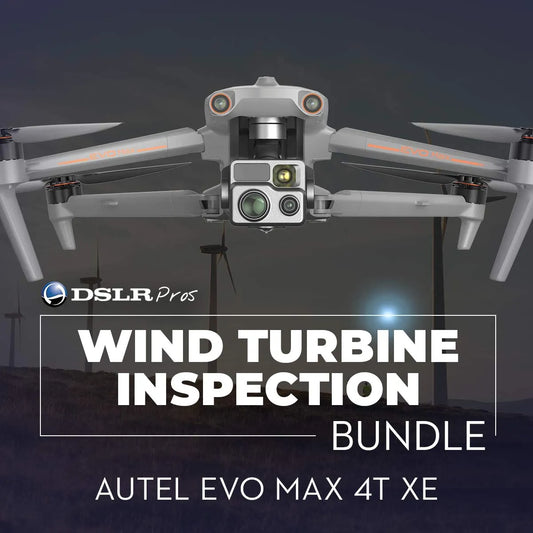
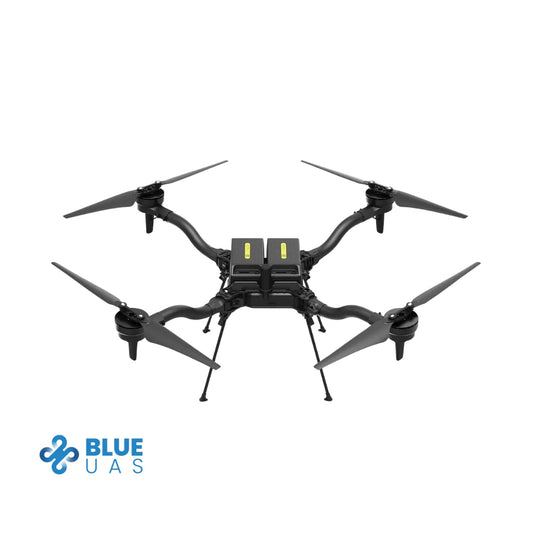
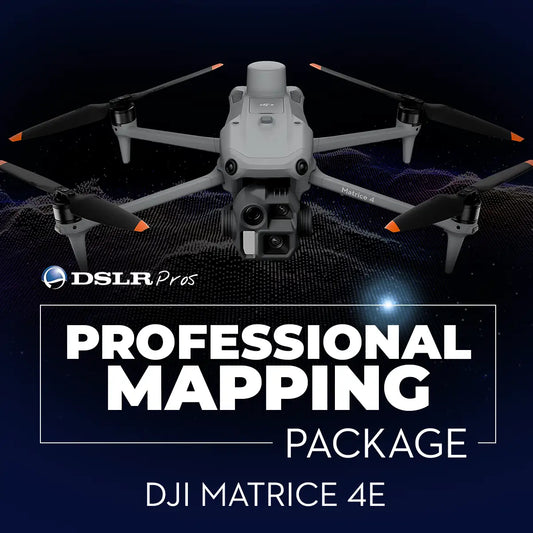
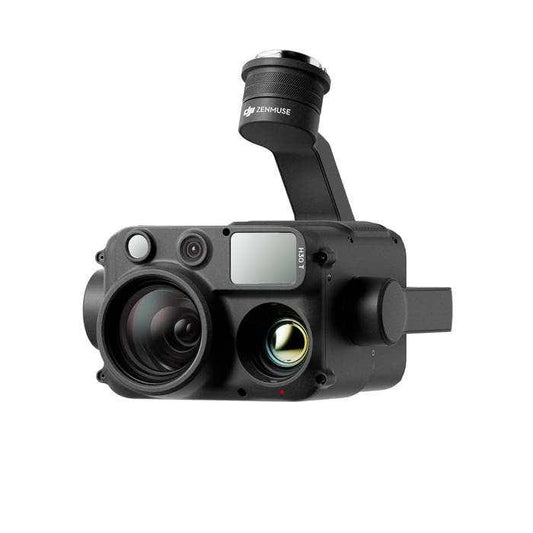
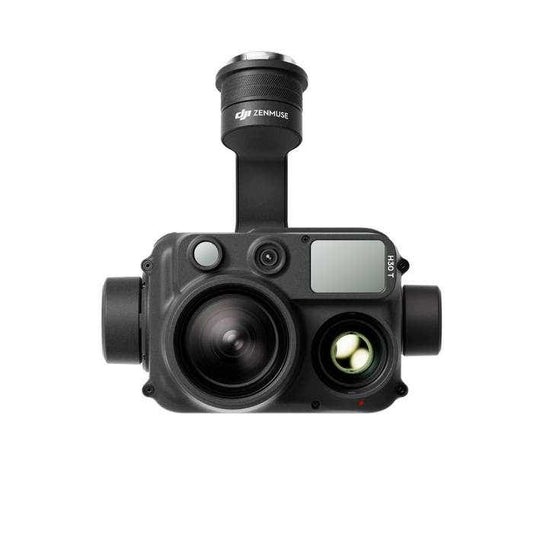
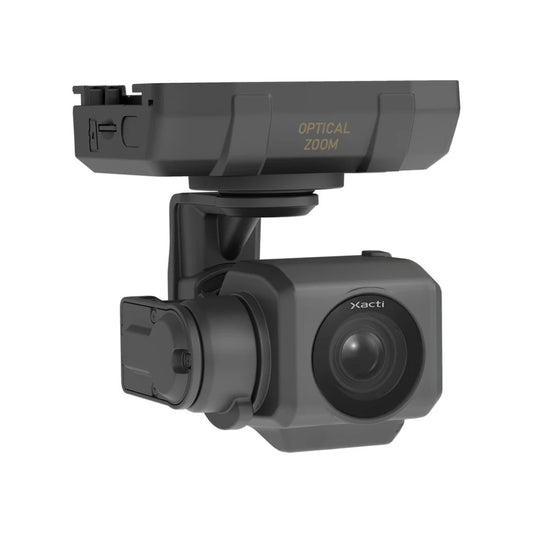
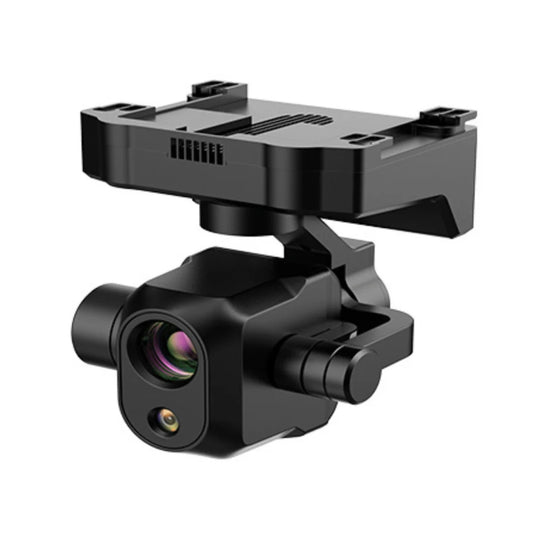
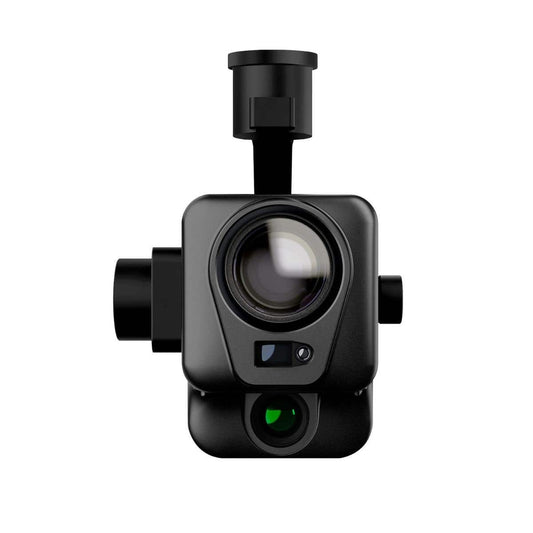
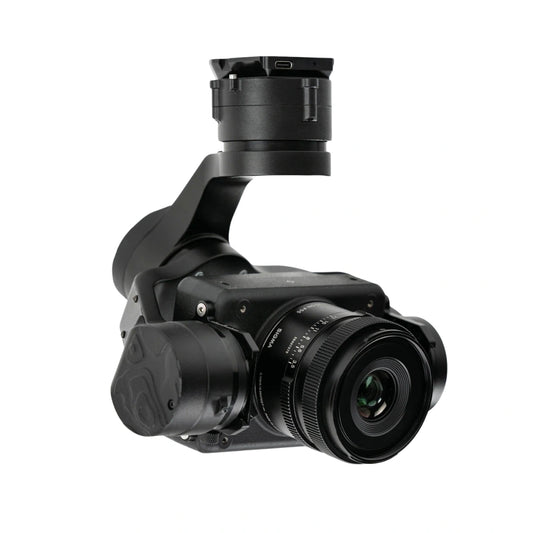
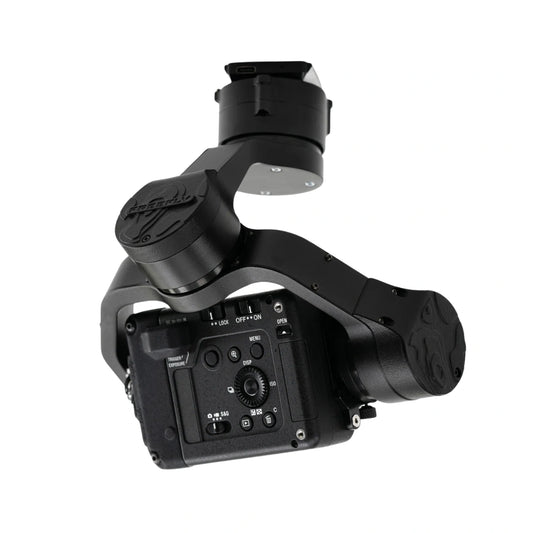
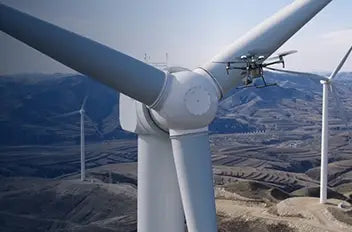
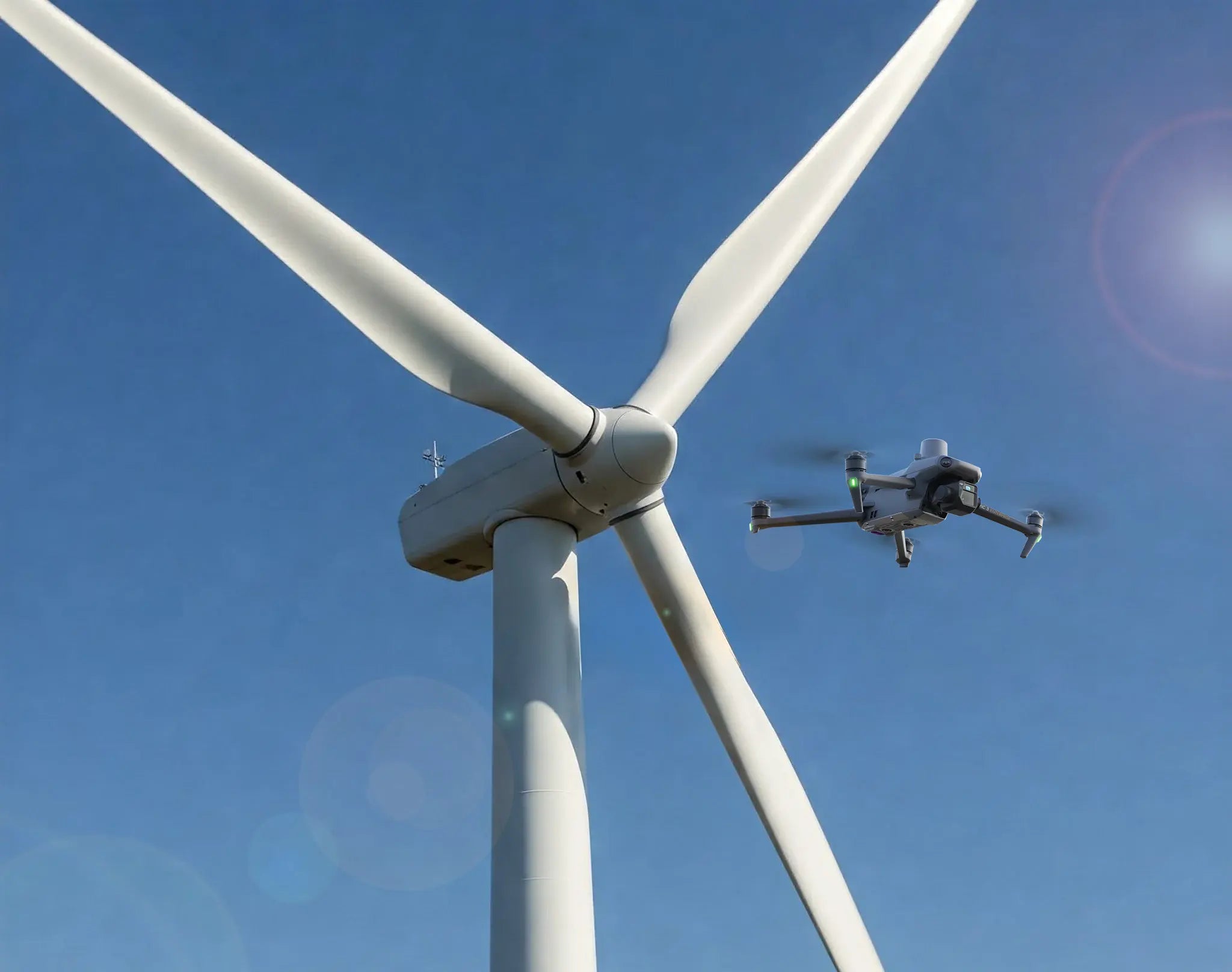
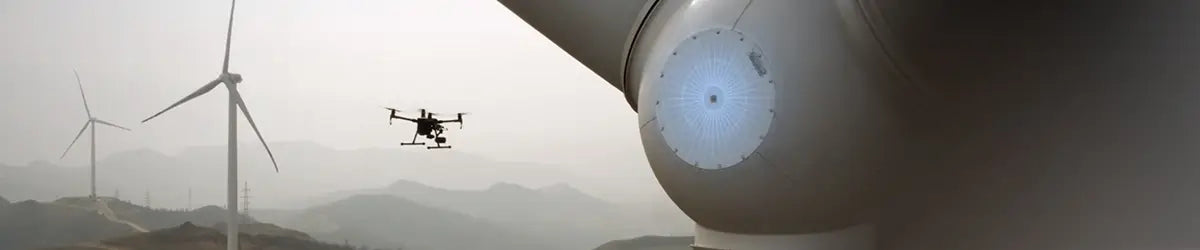
Wind turbine inspection drones are specialized aerial systems designed to inspect turbine blades, towers, and nacelles without the risks, delays, or high costs of rope access and cranes. Equipped with high-resolution visual cameras, optical zoom, thermal sensors, and obstacle-avoidance technology, these drones help teams detect blade erosion, surface cracking, lightning damage, loose hardware, and overheating components inside nacelles. By flying precisely around tall structures and curved blade surfaces, they deliver accurate, real-time data that supports faster, safer maintenance decisions. At DSLRPros, we offer purpose-built solutions for wind turbine inspections. The DSLRPros Wind Turbine Inspection Package, built around the Autel EVO Max 4T XE, provides an all-in-one platform for close-range blade inspections and nacelle thermal diagnostics. For fully autonomous operations, the DSLRPros Dock 3 Ready To Fly Bundle, which includes the DJI Dock 3 and Matrice 4TD, enables scheduled or on-demand turbine inspections without an on-site pilot. For enterprise-grade manual inspections and mapping, the DJI Matrice 400, DJI Matrice 4E Professional Mapping Package, DSLRPros Advanced Inspection Package (ACSL SOTEN + High Resolution Thermal Camera), and the DSLRPros Freefly Astro Max Mapping Bundle support full-turbine surveys, thermal fault detection, and high-accuracy blade documentation. Looking for the right inspection drone for your wind energy site? Speak with our experts or request a quote today.
  • Improved Safety

    In industries where technicians must scale great heights to do their jobs, safety is a daily concern. With wind turbine drone inspections, there's no longer a need for your technicians to climb up tall wind turbines, risking falls or other accidents. Instead, teams can control drones from the safety of the ground.

  • Faster Inspections

    Time is money, and inspection drones can save you both. With a drone, an entire wind farm can be inspected in a fraction of the time it would take using manual inspections, making it easier for you to adhere to maintenance schedules and minimize disruption to your operations.

  • Cost Savings

    Wind turbine inspection drone companies can help you cut costs in more ways than one. First is the labor costs, as fewer technicians are required for inspections. There's also no need for costly scaffolding, ropes, or other equipment that would otherwise be necessary for manual inspections.

  • Better Data Collection

    Drones equipped with high-resolution and thermal imaging cameras can capture incredible details – including those that would be nearly impossible to obtain through manual inspections. For example, if there's a small hairline crack on the blade or a corroded bolt, the drone can capture these details with precision. This allows you to make accurate assessments of your wind turbines' condition, making maintenance more efficient and effective.

  • Early Detection

    Drones can identify hairline cracks, corrosion, loose bolts, and other potential issues that might be hard to detect with the naked eye. By catching these issues early, you can extend the lifespan of your turbines, reduce costly repairs, and maintain optimal performance.

  • Access Hard-to-Reach Areas

    Inspecting the underside of a blade or the back of the nacelle using traditional methods is a tough feat. But with drones, accessing such areas is a breeze. They can fly to virtually any spot on a wind turbine, ensuring thorough inspections without the limitations that human inspectors might face.

  • Flexibility in Harsh Weather Conditions

    Unlike human inspectors, drones can operate in a wide range of weather conditions, allowing you to perform inspections even in less-than-ideal situations. This keeps your maintenance schedule on track and ensures your turbines are always in optimal condition.

  • Reduced Downtime

    With faster inspections, your turbines can be back up and running quickly, minimizing downtime and maximizing your energy production.

  • Enhanced Reporting

    Drones can provide real-time data and generate reports automatically, allowing you to analyze the inspection data efficiently and make informed decisions.

  • Environmental Benefits

    Drones operate with minimal environmental impact compared to traditional inspection methods, which often require the use of heavy equipment and machinery. Less need for on-site personnel means fewer transportation-related emissions. Finding issues early and cutting down on downtime means your wind turbines can produce more energy, making the most of their eco-friendly benefits.

1 of 10
  • Structural Inspections

    Drones equipped with high-resolution cameras can take detailed images, revealing any damage or signs of wear and tear that might go unnoticed during manual inspections.

  • Blade Inspections

    An inspection drone can easily reach the blades and capture high-definition images or videos. This allows technicians to spot any issues such as cracks, erosion, or blade separation early on, minimizing the risk of more severe damage.

  • Thermal Imaging

    By using thermal imaging cameras, wind turbine inspection drones can detect heat anomalies, which are often indicative of mechanical issues. That way you can pinpoint problems with the gearbox, bearings, and other components that could lead to costly repairs or downtime if left unchecked.

  • Remote Access

    Wind farms are often nestled in remote areas or offshore. This is not a problem for long-range inspection drones, reducing the need for expensive equipment and manpower, and saving both time and money.

  • Safety Improvements

    Drones significantly reduce the risks associated with manual inspections. Workers no longer need to climb turbines or handle dangerous equipment, ensuring a safer work environment and minimizing the chances of accidents.

  • Regular Monitoring

    With drones you can undertake regular, automated monitoring. Taking the proactive route ensures early detection of potential problems, leading to timely interventions and optimized performance.

  • Efficiency Audits

    Wind turbine inspection drones can be used to assess the overall efficiency of a wind farm. By analyzing data gathered from multiple turbines, operators can identify patterns, address performance issues, and optimize energy output.

  • Environmental Impact Assessments

    Drones can help monitor the impact of wind farms on the surrounding environment. By capturing images of local wildlife and vegetation, operators can ensure compliance with environmental regulations and minimize any negative effects.

  • Digital Twin Creation

    Wind turbine inspection drones paired with mapping and modeling software can create accurate 3D models of wind turbines. These digital twins can be used to simulate real-world conditions, making it easier to test different maintenance strategies, assess damage, or plan upgrades.

  • Corrosion Monitoring

    Wind turbines are exposed to harsh elements like salt, moisture, and extreme temperatures, which can accelerate corrosion. Drones equipped with close-up visual and thermal sensors can detect early signs of rust or material degradation. Early identification allows maintenance teams to take preventive action before it impacts structural integrity or performance.

1 of 10

Drone Technology for Wind Turbine Inspection

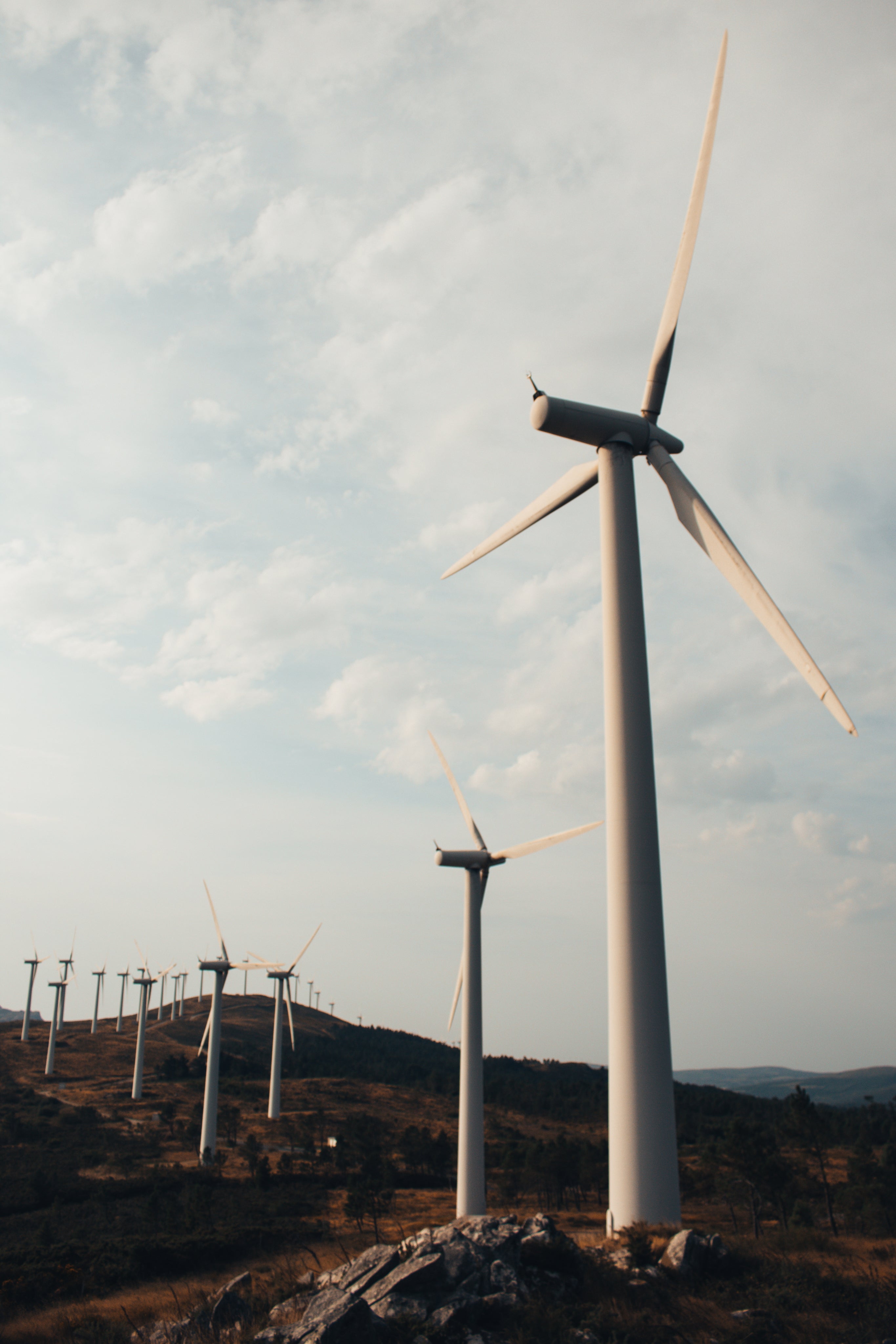
Wind turbines operate in some of the most demanding environments on earth—exposed to constant wind loading, salt air, lightning strikes, temperature swings, and mechanical fatigue. Blades flex under load, nacelles generate turbulent airflow, and towers exceed 80–120 meters in height, making traditional rope access and crane-based inspections slow, hazardous, and expensive. Drone-based inspection has become the safest and most efficient way to evaluate turbine condition while keeping crews off towers and minimizing production downtime.

Modern wind turbine inspection drones combine high-resolution visual imaging, long-range optical zoom, and thermal sensing into stabilized aerial platforms that can fly close to curved blade surfaces and vertical towers with precision. Visual sensors capture fine surface detail such as leading-edge erosion, gel-coat cracking, paint delamination, and lightning strike marks. Optical zoom allows inspectors to examine blade roots, fasteners, and hub components from safe stand-off distances, while thermal imaging reveals abnormal heat signatures inside nacelles, gearboxes, generators, and electrical cabinets that may indicate early-stage failure.

Flight stability and control reliability are critical when operating near tall structures and rotating blades. Advanced obstacle sensing, precision braking, and stabilized gimbals help maintain consistent framing during close-range blade passes and vertical tower climbs. Long endurance supports full-turbine inspections in a single sortie, reducing repositioning time and repeated climbs. High-bandwidth transmission links ensure inspectors retain real-time visual clarity when working at height or across large wind farms.

DSLRPros offers multiple drone systems built specifically around these inspection realities. The Autel EVO Max 4T XE Wind Turbine Inspection Bundle provides a compact, all-in-one platform for close-range blade inspections and nacelle thermal diagnostics, combining obstacle avoidance, optical zoom, and thermal imaging in a rugged airframe. For fully autonomous operations, the DSLRPros Dock 3 Ready To Fly Bundle enables scheduled or on-demand turbine inspections without an on-site pilot, supporting routine blade surveys, post-storm damage checks, and long-term condition monitoring.

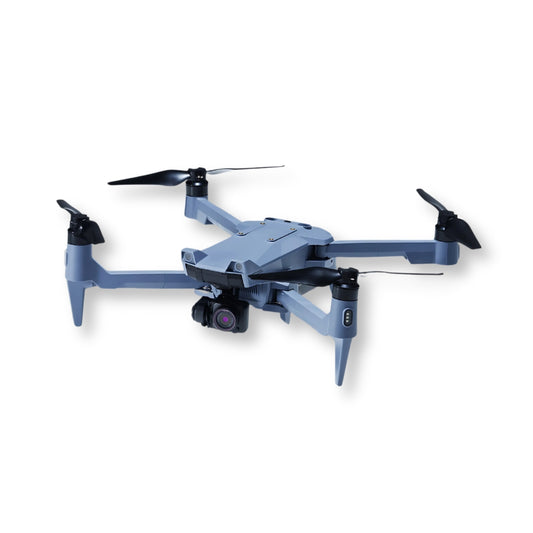
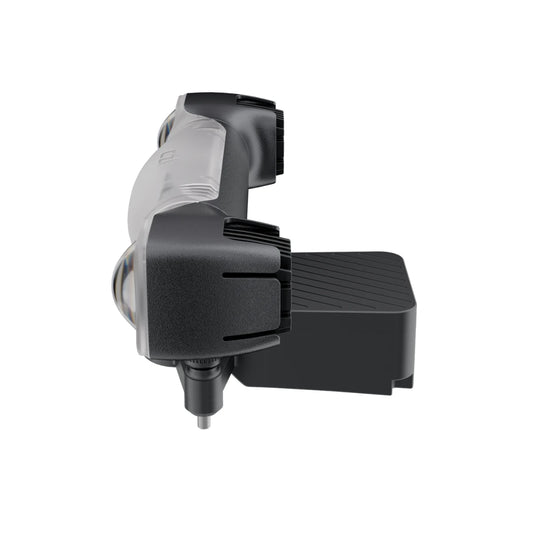
For enterprise-grade manual inspection workflows, the DSLRPros Autel Alpha with L35T Gimbal Utility Inspection Package delivers long flight times, high-resolution thermal imaging, and powerful optical zoom for nacelle diagnostics and component-level fault detection. Teams operating in regulated or security-sensitive environments can deploy the DSLRPros SOTEN Advanced Inspection Package or the ACSL SOTEN Inspection Package, both offering secure communications, stable flight performance, and thermal-zoom payload options for compliant turbine inspections.

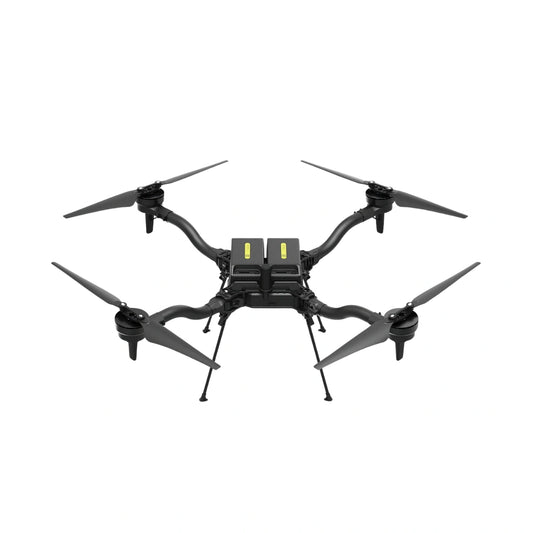
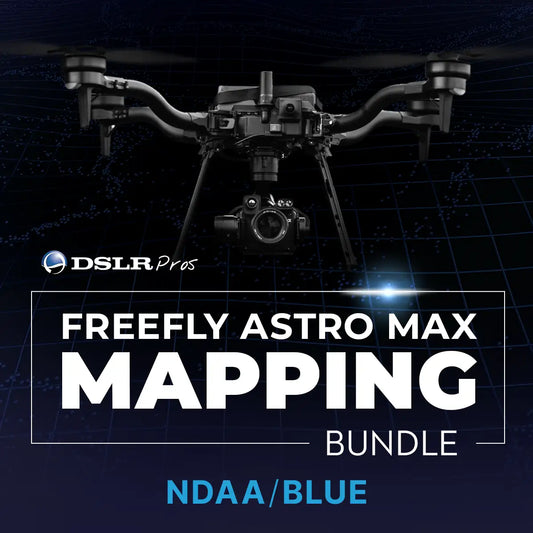
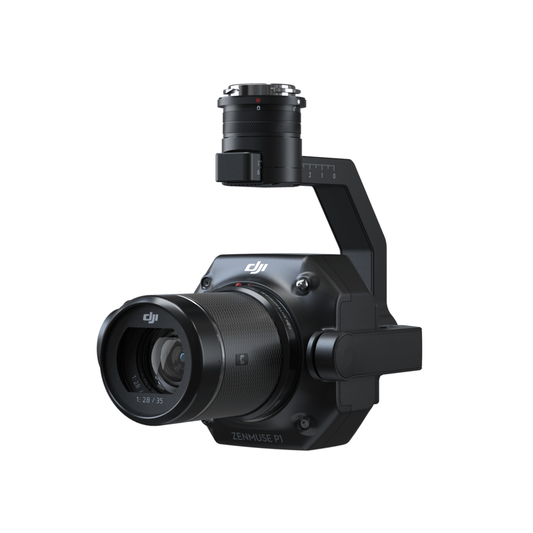
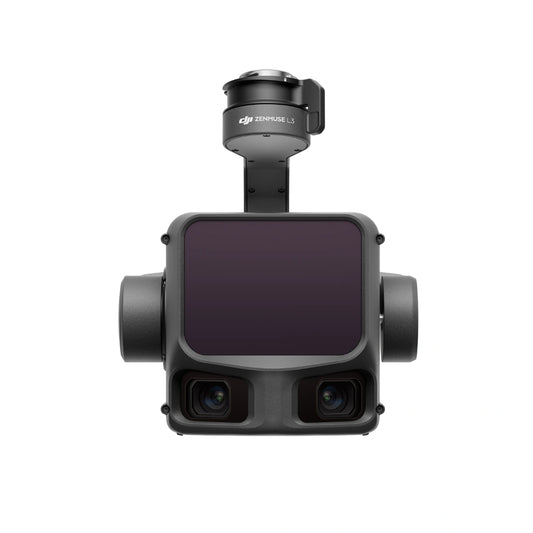
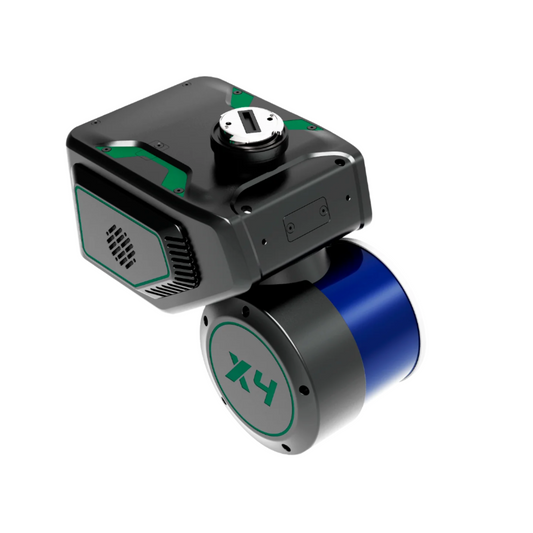
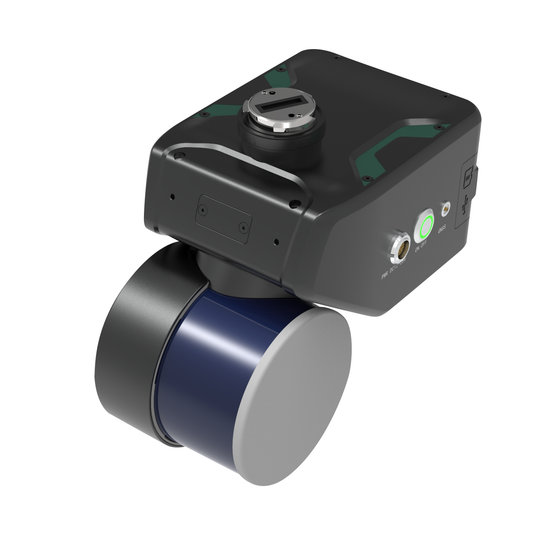
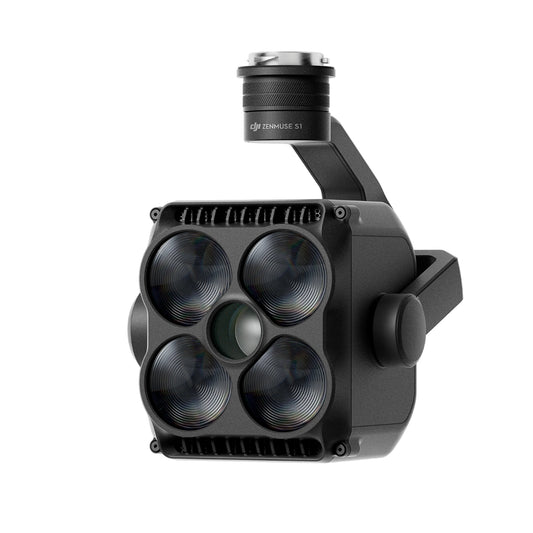
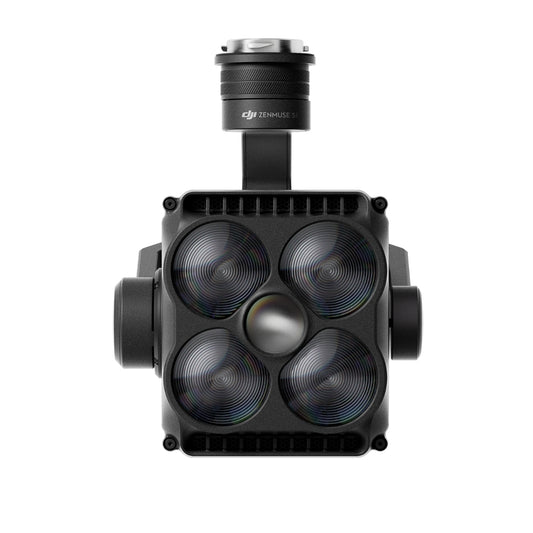
High-accuracy mapping and structural documentation are supported by advanced photogrammetry and LiDAR platforms. The DSLRPros Matrice 400 Ultimate 3D Mapping Package, which includes the Zenmuse P1, enables ultra-high-resolution visual capture for blade surface modeling, tower deformation analysis, and construction QA. For terrain modeling, turbine siting studies, and access-road planning, the DSLRPros Matrice 400 + Zenmuse L3 Mapping Bundle adds LiDAR capability for precise 3D site reconstruction. Teams requiring a high-performance non-DJI option can deploy the DSLRPros Freefly Astro Max Mapping Bundle for ultra-high-resolution turbine documentation and structural analysis.

Selecting the right wind inspection technology is about matching flight behavior, sensor capability, and automation level to the physical realities of turbine structures. With the right combination of compact thermal drones, enterprise inspection platforms, mapping systems, and autonomous dock solutions, operators can move from reactive inspections to proactive condition monitoring—reducing risk, improving maintenance planning, and extending turbine service life.

The DSLRPros Advantage

  • UAV THERMAL EXPERTS

    We are industry leaders in thermal imaging drones. As one of the pioneers in thermal drone technology, our team of experts will help you build a custom solution that meets both your budget and needs.

  • MISSION SPECIFIC SOLUTIONS

    We specialize in the development and delivery of cost-effective mission-specific enterprise solutions. All our kits are specially designed, assembled, and individually tested for quality assurance in the United States.

  • AFTER PURCHASE SUPPORT

    Our customer service doesn't just end with your purchase; we go the extra mile to make sure our customers have the guidance they need. As our customer, you will know us by name and can count on us for support whenever you need it.