Speak With A Powerline Inspection Drone Expert

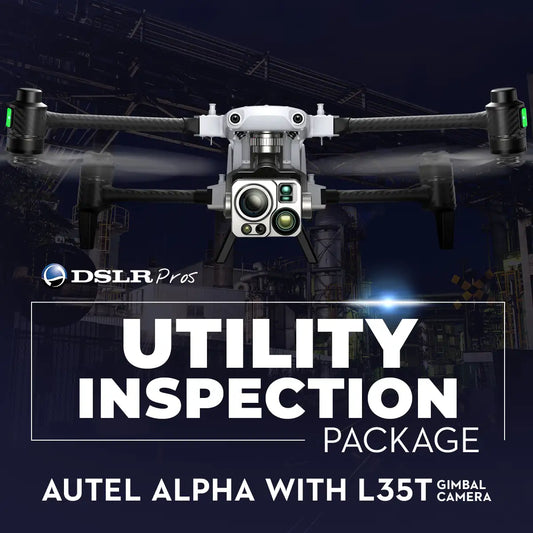
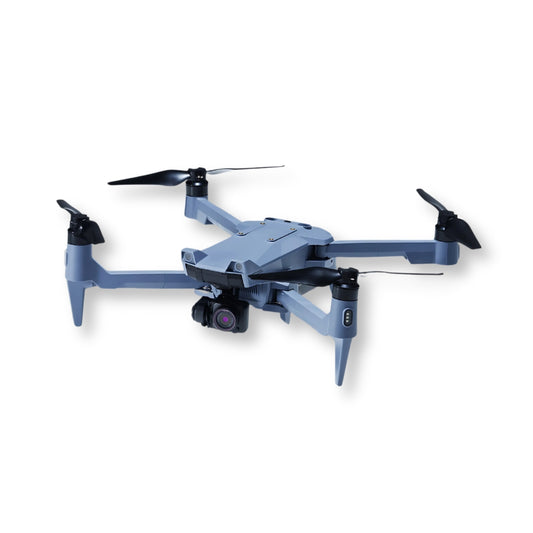
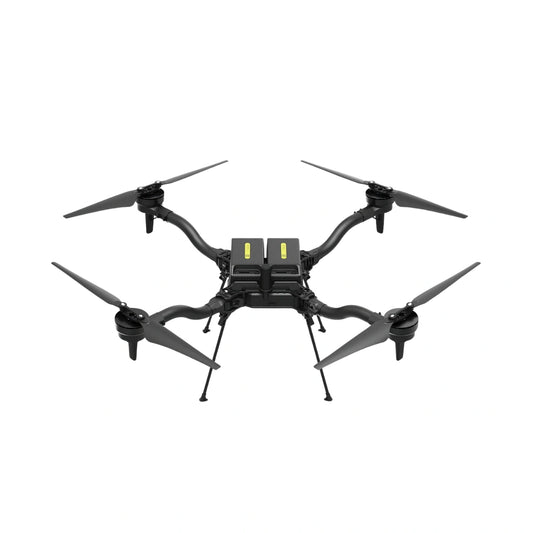
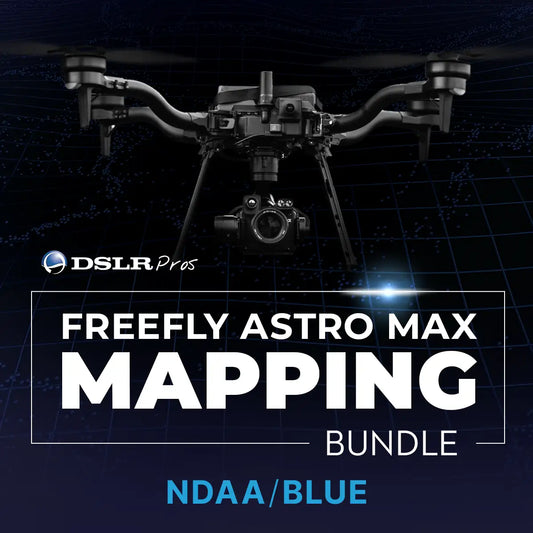
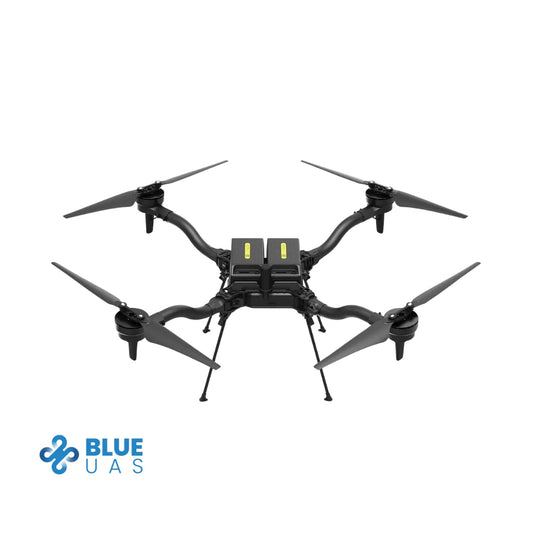
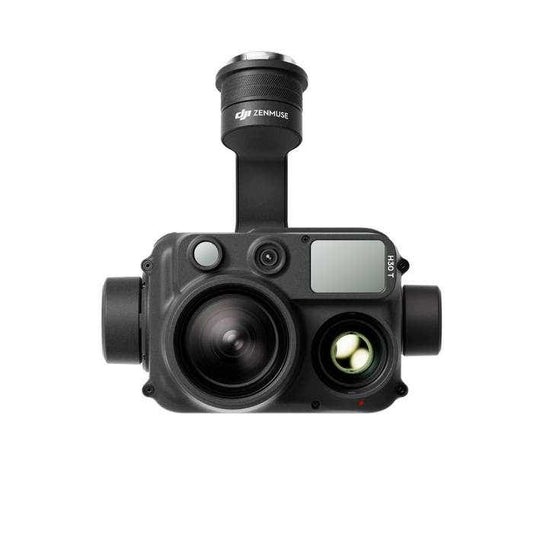
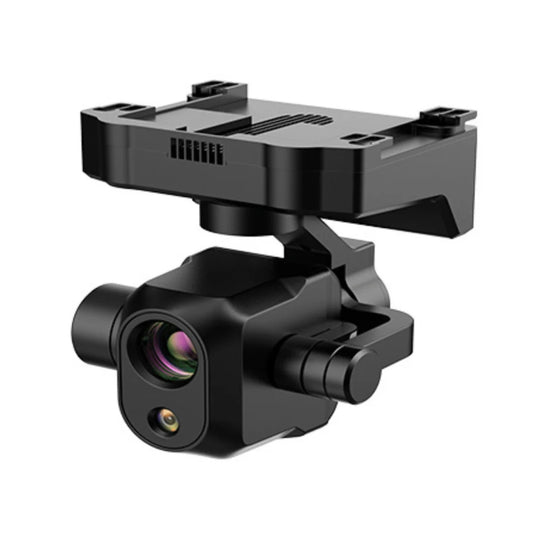
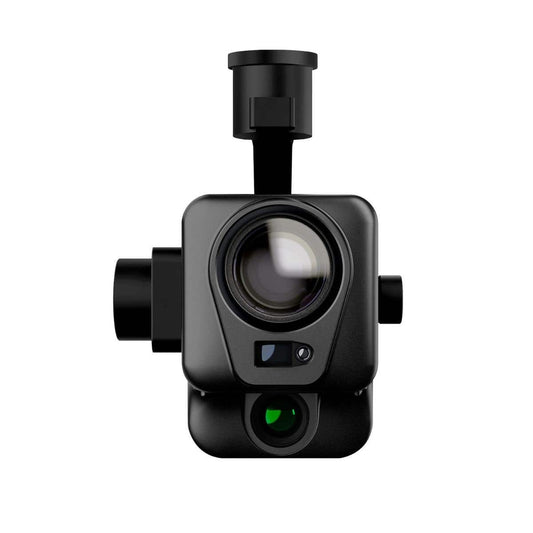
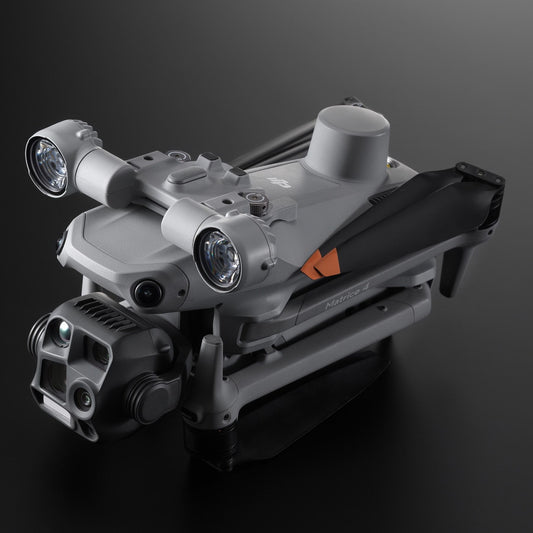
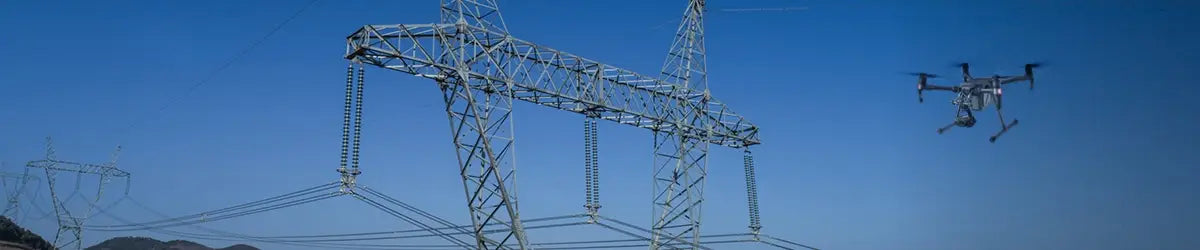
Powerline inspection drones are unmanned aerial systems designed to monitor the condition of powerlines, poles, towers, and transmission infrastructure safely and efficiently. Equipped with high-resolution visual, optical zoom, and thermal imaging payloads, these drones help operators detect hotspots, conductor damage, insulator defects, corrosion, vegetation interference, and structural weaknesses—without climbing poles or deploying helicopters. By shifting inspections to the air, utilities can improve safety, reduce costs, and capture more consistent inspection data. At DSLRPros, we offer enterprise-grade solutions purpose-built for powerline inspections. The DJI Matrice 400 supports long-endurance line patrols and corridor mapping, while the DJI Matrice 4E provides compact, rapid-deployment platforms for distribution lines and routine inspections. The Autel Alpha with L35T gimbal delivers thermal and zoom imaging for hotspot detection and component-level inspections, and the ACSL SOTEN offers secure inspection performance for regulated environments. For high-accuracy mapping and right-of-way modeling, the Freefly Astro Max Mapping Bundle provides ultra-high-resolution visual capture. Fully autonomous inspections are enabled by the DJI Dock 3 with the Matrice 4TD, supporting scheduled or on-demand missions without an on-site pilot. Whether you’re conducting routine inspections or responding to outages, DSLRPros drone solutions help you operate faster, safer, and with greater detail. Speak with one of our experts to find the right drone system for your powerline inspection needs.
  • Safety First, Always

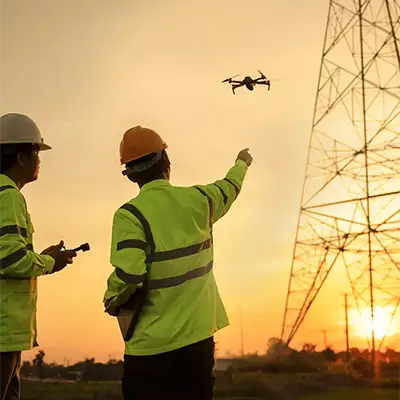
    One of the biggest challenges in powerline inspection is the inherent risk of accidents. Climbing tall poles, working in close proximity to live wires, and dealing with adverse weather conditions are all in a day's work for these brave professionals. Drones eliminate the need for human inspectors to physically navigate such situations. Now, your team can stay safe and sound on the ground while the drone does the heavy lifting.

  • Crank up the Efficiency

    Time is of the essence, and efficiency is crucial. Drones excel in both. Capable of covering vast areas swiftly, these transmission line inspection drones provide faster, more efficient powerline inspections compared to traditional methods.

  • Accuracy like Never Before

    In the world of powerline inspections, precision is paramount. Outfitted with high-resolution cameras and top-tier sensors, drones can capture intricately detailed images of power lines. This robust data collection ensures streamlines the identification and resolution of issues.

  • Pocket-Friendly Solutions

    Let's talk numbers. Employing drones for powerline inspections is a cost-effective strategy. Not only do you save on expensive equipment, but also on manpower costs. It's a win-win!

  • Reach the Unreachable

    Some areas are just too remote or treacherous for humans to inspect. However, drones thrive in these conditions. Whether it's a mountainous terrain or a dense forest, drone powerline inspection ensures no corner remains unchecked.

  • Stay Ahead with Preventive Maintenance

    Nobody likes surprises, especially when it comes to power outages. By spotting potential issues early on, drones help preempt bigger, pricier problems in the future.

  • Beyond the Naked Eye

    Drone payloads with thermal imaging detect temperature variations in power lines, enabling you to identify potential overheating components. Make sure to look for this feature when checking out different drones for transmission line inspection.

  • Go Green with Inspections

    Using drones reduces the dependency on heavy machinery and vehicles, which, in turn, reduces the carbon footprint. Plus, drones tread lightly, ensuring minimal disturbances to the surrounding wildlife and ecosystems.

  • Vegetation Encroachment Monitoring

    Drones equipped with high-resolution and zoom cameras can identify overgrown vegetation encroaching on powerlines long before it poses a threat. This capability is especially important in wildfire-prone areas, where contact between trees and lines can spark devastating blazes. By capturing detailed imagery across vast areas quickly, drones help utilities plan proactive trimming schedules, reduce emergency responses, and comply with safety regulations regarding vegetation management.

  • Comprehensive Visual Records

    Drone inspections create a reliable archive of images and video footage from each inspection flight. These timestamped visual records allow teams to monitor infrastructure changes over time, spot developing issues early, and demonstrate maintenance compliance during audits. Having a consistent digital trail also supports predictive maintenance strategies, making it easier to prioritize repairs and allocate resources based on actual wear-and-tear observed through drone data.

1 of 10
  • Visual Inspections

    Utility companies can now carry out detailed visual inspections of powerline infrastructure like a breeze with drones that come carrying with high-definition cameras. The imagery captured makes it easier to spot corrosion, wear, and other signs of damage. They are especially useful for monitoring the condition of insulators, cross-arms, and other critical components.

  • Thermal Imaging

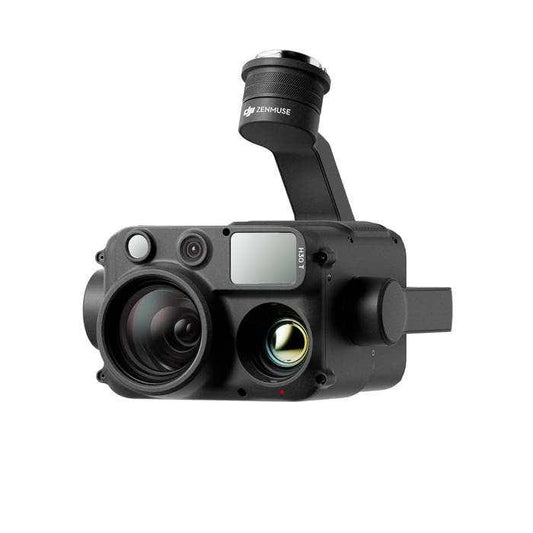
    With infrared cameras onboard, drones harness the power of thermal imaging, allowing for the detection of hotspots or anomalies in powerlines and associated equipment. These irregularities could be indicative of potential failures or defects. These imaging tools make drone powerline inspection jobs much more effective.

  • Keeping the Green at Bay: Vegetation Management

    Leafy interlopers getting too close for comfort? Drones equipped with multispectral sensors excel at monitoring vegetation growth near powerlines. Spot areas needing tree trimming or removal and keep those lines safe.

  • Conductor Clearance Analysis

    Accurately measure the distance between powerlines, buildings, encroaching branches, and other objects to maintain compliance with safety standards, with the drones providing the vital data needed.

  • Corona Discharge Detection

    Some advanced drones are equipped with ultraviolet (UV) cameras capable of detecting corona discharges in powerline equipment. Since these discharges can result in energy loss and equipment degradation, detecting them early can prevent long-term damage.

  • Mapping the Terrain: Geospatial Analysis

    With GPS and LiDAR sensors, drones can create detailed topographical maps of the area surrounding powerlines. This information is crucial for assessing terrain and potential risks from natural events like landslides or floods.

  • Asset Inventory and Management

    Streamline the process of creating a comprehensive inventory of powerline assets, including transmission towers, insulators, and other equipment. The data collected with drones is invaluable for asset management, maintenance scheduling, and regulatory compliance.

  • 3D Modeling

    Drones equipped with photogrammetry techniques can create accurate 3D models of powerline infrastructure. Engineers can utilize these models for analysis, simulations, and planning upgrades or expansions of the power grid.

  • Structural Integrity Assessment

    Drones are exceptionally good at capturing high-resolution images of powerline towers and other structures. These images enable engineers to assess the structural integrity of these assets, helping them identify rust, cracks, or other wear and tear signs.

  • Storm Damage Assessment

    In the aftermath of severe weather events like hurricanes or ice storms, drones can quickly assess the extent of damage to powerlines and related infrastructure. This helps utility companies prioritize repairs, restore power, and boost grid resilience.

1 of 10

Understanding the Technology Behind Powerline Inspection Drones

Modern powerline inspections require far more than basic aerial photography. Utilities and inspection teams need systems that can operate safely near energized conductors, remain stable in turbulent airflow around towers, and capture fine technical detail from long stand-off distances. Today’s powerline inspection drones integrate high-resolution visual sensors, long-range optical zoom, and thermal imaging into specialized platforms that allow operators to detect early signs of failure without climbing poles, shutting down lines, or deploying helicopters.

A defining capability in powerline inspection is stand-off inspection range. Optical zoom cameras make it possible to examine insulators, clamps, spacers, dampers, and conductor attachments from hundreds of feet away, while thermal imaging reveals overheated connectors, failing insulators, and resistance buildup that often precede outages. This combination enables inspectors to locate invisible faults, document asset condition, and prioritize maintenance without interrupting service.

Flight endurance, stability, and control reliability are equally critical. Long flight times support extended corridor patrols and multi-tower inspection runs, while precision flight control and stabilized gimbals help maintain visual clarity near tall structures and complex terrain. High-bandwidth transmission links ensure operators retain real-time situational awareness over long distances, supporting safe operations around live conductors and substations.

Thermal-first inspection workflows are supported by multiple specialized platforms. The DSLRPros Autel Alpha with L35T Gimbal Utility Inspection Package combines long flight times, high-resolution thermal imaging, and powerful optical zoom for hotspot detection and component-level fault identification along long stretches of line.

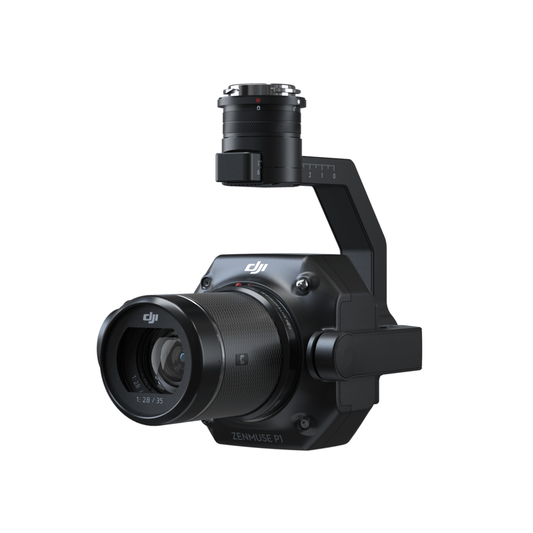
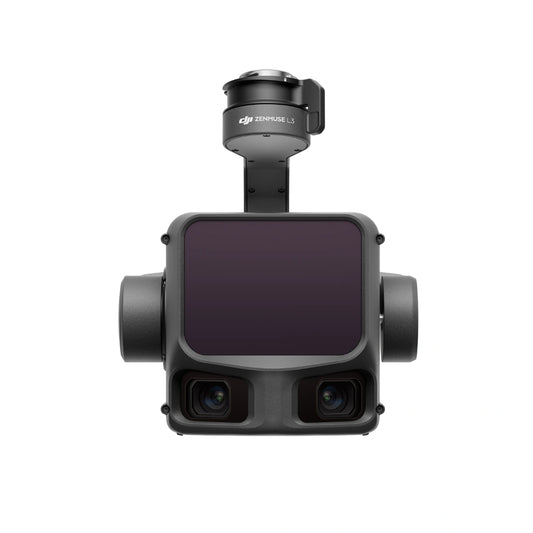
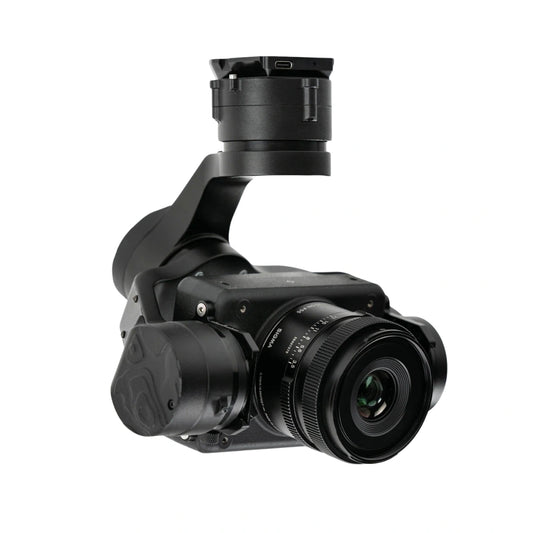
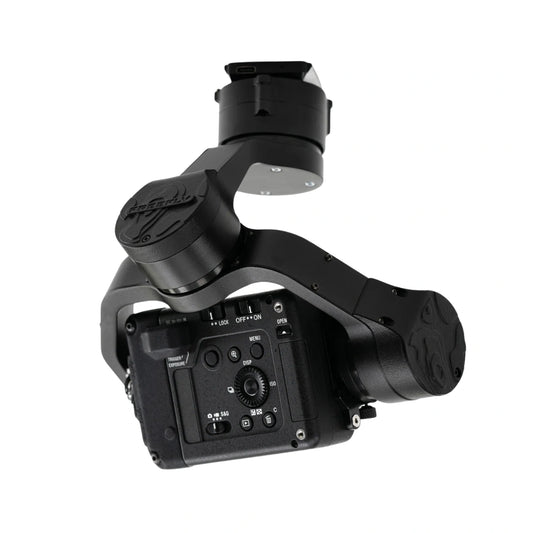
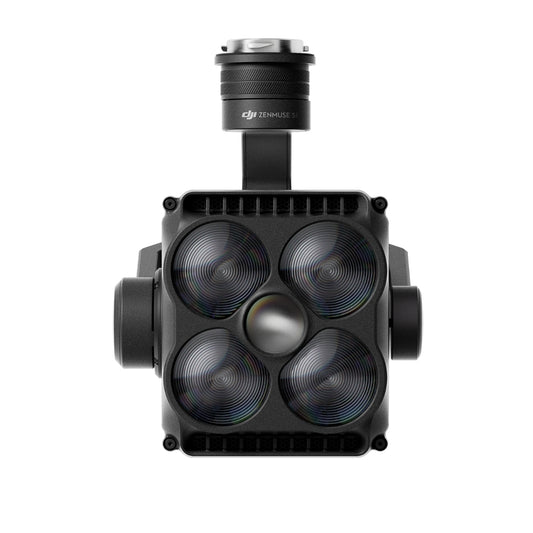
DSLRPros offers multiple drone systems built specifically around these operational realities. The DSLRPros Matrice 400 Ultimate 3D Mapping Package, which includes the Zenmuse P1, delivers high-resolution photogrammetry for tower documentation, hardware condition records, and infrastructure alignment verification. For elevation modeling, vegetation encroachment analysis, and conductor-clearance assessment, the DSLRPros Matrice 400 + Zenmuse L3 Mapping Bundle adds LiDAR capability for precise 3D corridor modeling and right-of-way planning.

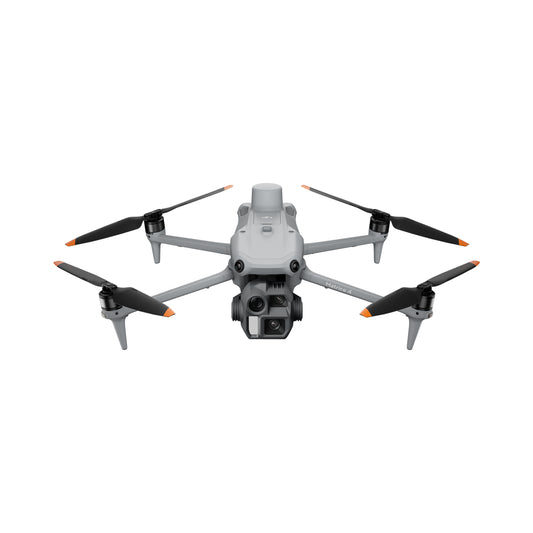
Compact and rapid-deployment platforms support routine patrols and distribution-line inspections. The DSLRPros Matrice 4E Professional Mapping Package provides high-resolution visual imaging with RTK positioning in a fast-deployable form factor suited to substations and hard-to-reach sites. It is also a highly portable option for storm response, damage checks, and quick visual assessments when speed and accessibility matter most.

For secure operations in regulated or sensitive environments, the DSLRPros Advanced Inspection Package, which includes the ACSL SOTEN and ACSL SOTEN High Resolution Thermal Camera, delivers stable flight performance, secure communications, and reliable thermal diagnostics. The DSLRPros GDU S220 Pro 640 Version Inspection Bundle / Hunting Bundle provides a compact thermal option for rapid deployment and long-range thermal visibility in challenging field conditions.

For large-area mapping and non-DJI inspection requirements, the DSLRPros Freefly Astro Max Mapping Bundle delivers long endurance and ultra-high-resolution visual capture for transmission-line documentation, construction QA, and right-of-way modeling. Organizations with compliance or procurement constraints can deploy the DSLRPros Freefly Astro Max Mapping Bundle (NDAA/Blue) for the same mapping performance in an NDAA-compliant configuration.

Automation is now extending these capabilities even further. The DSLRPros Dock 3 Ready To Fly Bundle, which includes the DJI Dock 3 and Matrice 4TD, enables scheduled or on-demand inspection missions without an on-site pilot. This system supports routine line patrols, post-storm damage assessments, and continuous asset monitoring with minimal human intervention. Teams seeking a compact, all-in-one thermal solution can also deploy the DSLRPros Solar Panel Inspection Bundle, which includes the Autel EVO Max 4T XE, for rapid inspections, hotspot detection, and routine performance checks along distribution lines.

These drone platforms enable a layered inspection strategy that spans routine line patrols, thermal fault detection, tower and hardware documentation, corridor mapping, and autonomous monitoring. Utilities can deploy compact systems for rapid response, enterprise platforms for detailed inspections, LiDAR for clearance and vegetation analysis, and dock-based systems for continuous surveillance—without relying on helicopters or ground crews in hazardous environments.

Building the right inspection technology stack allows utilities to move from reactive maintenance to proactive grid management. With improved visibility into conductor condition, thermal anomalies, and right-of-way risks, inspection teams can prioritize repairs, reduce outage exposure, and strengthen long-term network reliability while operating more safely around energized infrastructure.

The DSLRPros Advantage

  • UAV THERMAL EXPERTS

    We are industry leaders in thermal imaging drones. As one of the pioneers in thermal drone technology, our team of experts will help you build a custom solution that meets both your budget and needs.

  • MISSION SPECIFIC SOLUTIONS

    We specialize in the development and delivery of cost-effective mission-specific enterprise solutions. All our kits are specially designed, assembled, and individually tested for quality assurance in the United States.

  • AFTER PURCHASE SUPPORT

    Our customer service doesn't just end with your purchase; we go the extra mile to make sure our customers have the guidance they need. As our customer, you will know us by name and can count on us for support whenever you need it.