Speak With A Firefighting Drone Specialist

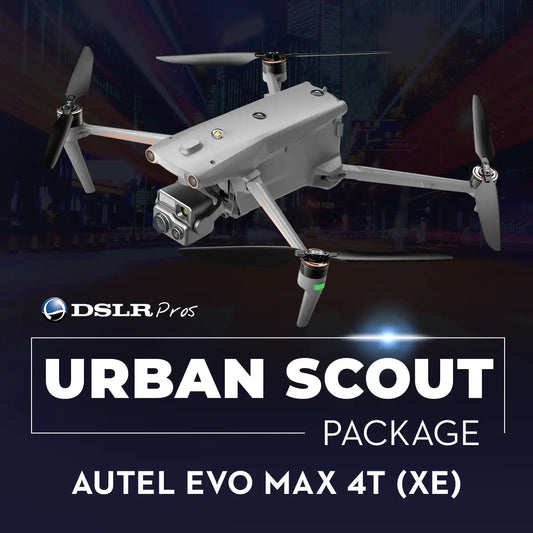
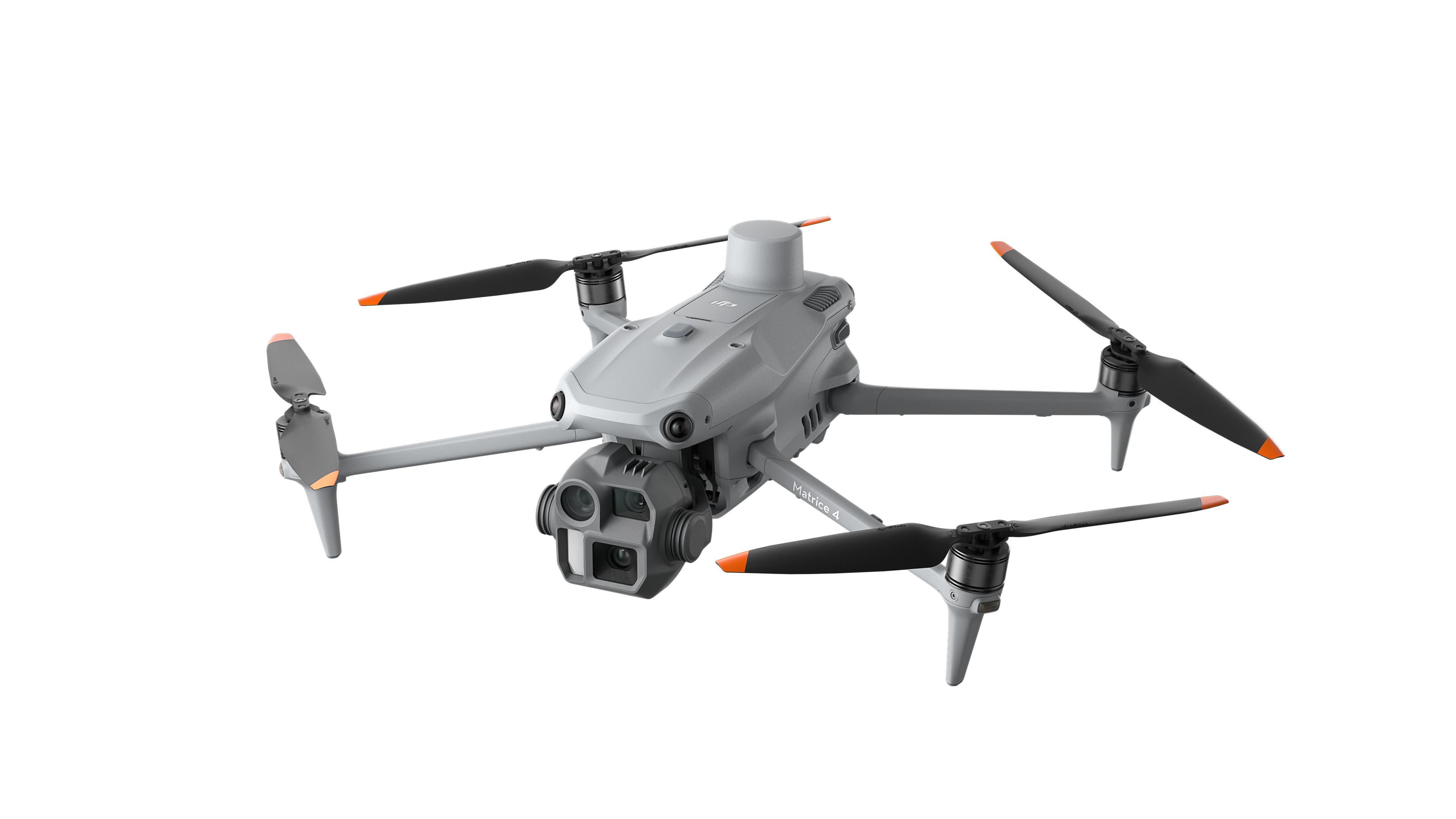
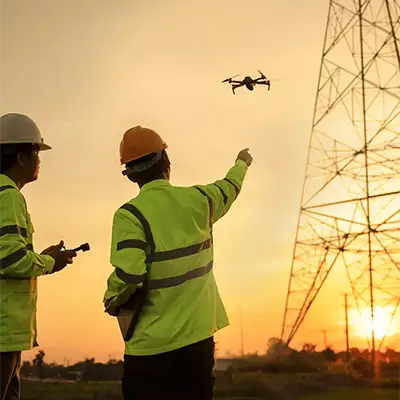
Firefighting drones are specially equipped UAVs that help crews see through smoke, detect hot spots, and gain a clear aerial view of fast-moving fires—all without putting personnel in harm’s way. These drones aren’t just cameras in the sky—they’re critical tools that deliver thermal imaging, live mapping, and remote situational awareness when every second counts. Whether deployed during an active blaze or for post-fire assessment, firefighting drones give teams the ability to respond quickly, cover more ground, and make better decisions in real time. They’re especially useful in hard-to-reach locations or when visibility on the ground is compromised. With just one flight, incident commanders can identify escape routes, track flame movement, or locate trapped individuals faster than traditional methods allow. With advanced UAVs like the DJI Matrice 400, Autel EVO Max 4T, and DJI Matrice 4T, departments can monitor large areas, assess building integrity, and support wildland, urban, or industrial response from above. Each platform offers a combination of endurance, durability, and payload flexibility that’s built for emergency response. Explore custom drone and payload packages built for fire crews. Talk to a drone specialist today and find the right fit for your department.

  • Real-time Surveillance and Data Collection

    Drones equipped with high-definition cameras can provide real-time aerial views of a fire, enabling firefighting agencies to assess the scale, direction, and intensity of the blaze. This immediate intelligence can help incident commanders make better-informed decisions about where to deploy resources and personnel.

  • Infrared and Thermal Imaging

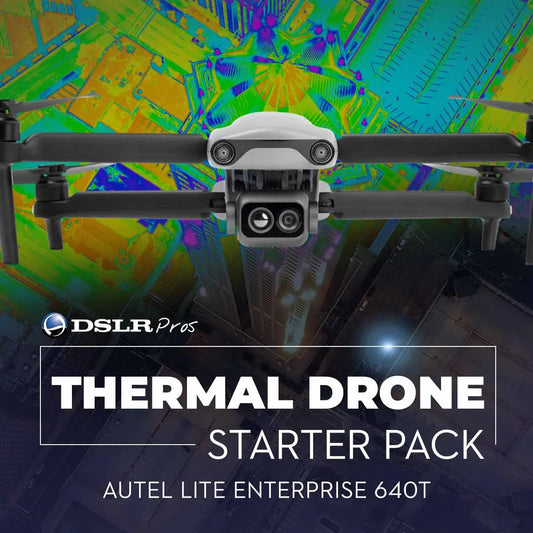
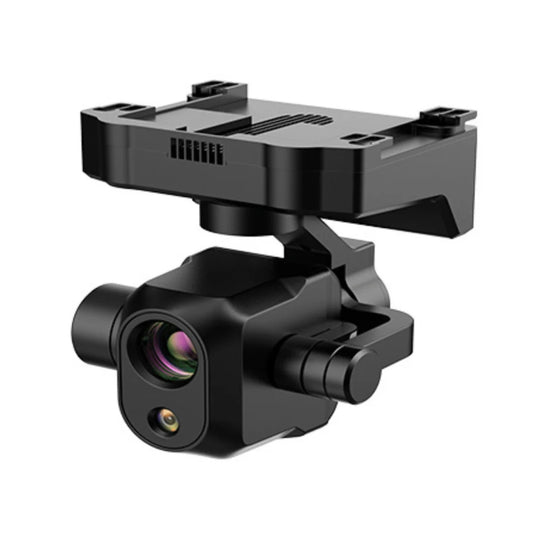
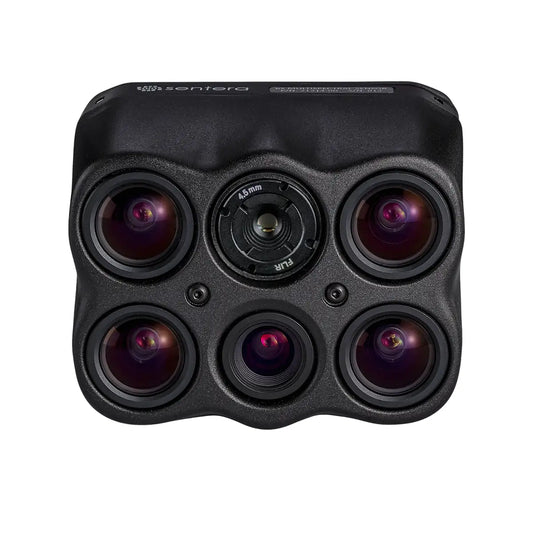
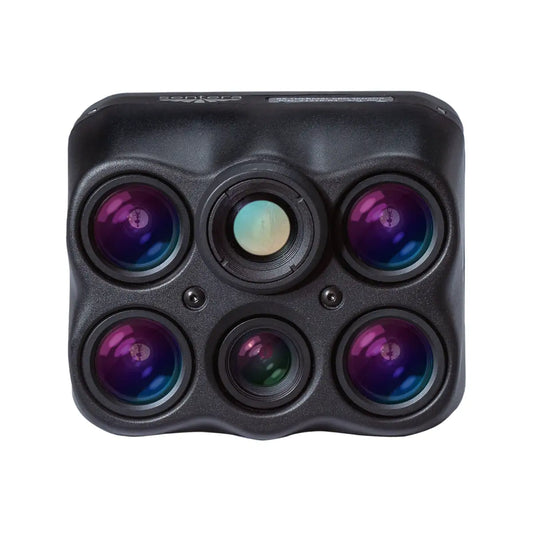
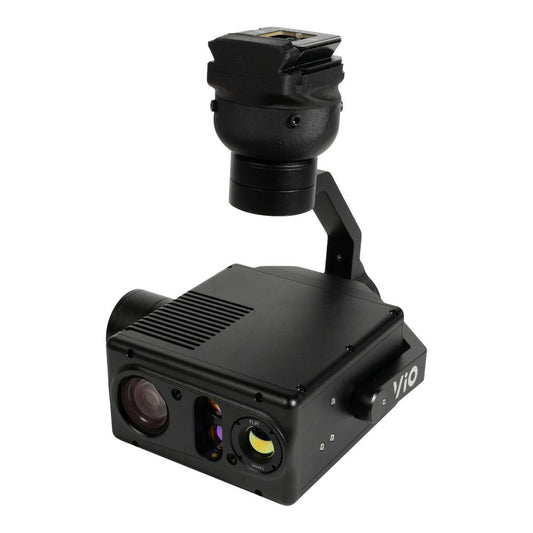
    Thick smoke and darkness often block human vision, but not thermal sensors. Firefighting drones equipped with infrared and thermal imaging cameras can detect hotspots hidden inside walls, roofs, or even under layers of debris. These cameras pick up heat signatures invisible to the naked eye, allowing crews to identify dangerous areas, detect flare-ups before they spread, and ensure full extinguishment. Whether you're fighting a structure fire or monitoring containment in a wildland zone, thermal drones help confirm what’s out, what’s still burning, and where resources need to be redirected—fast.

  • Safety and Risk Assessment

    Before sending in teams, it's crucial to know what they're walking into. By providing aerial views, drones can help identify potentially hazardous areas, such as those with high concentrations of combustible materials, tanks of gas, or unstable structures like a collapsing roof, reducing the risks faced by firefighters on the ground.  Among the many applications of drone thermal imaging is that it provides aerial views and identifies potentially hazardous areas, such as those with high concentrations of combustible materials, tanks of gas, or unstable structures like a collapsing roof, reducing the risks faced by firefighters on the ground.

  • Communication and Coordination

    A perfect example of how thermal drones help fight wildfires is it can act as communication relays, especially in areas where traditional communication devices might not work due to interference from the fire or other obstacles.
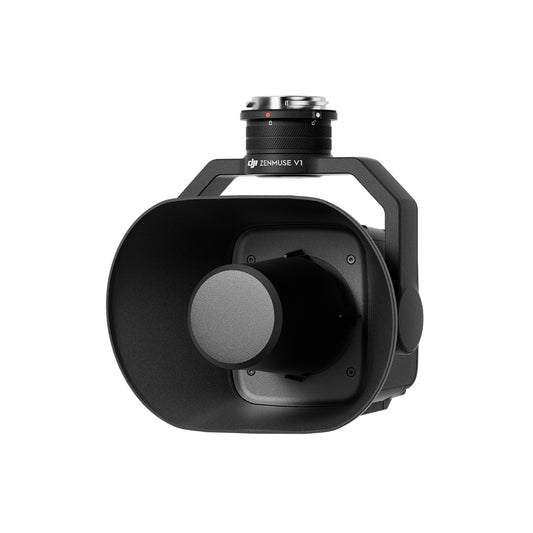
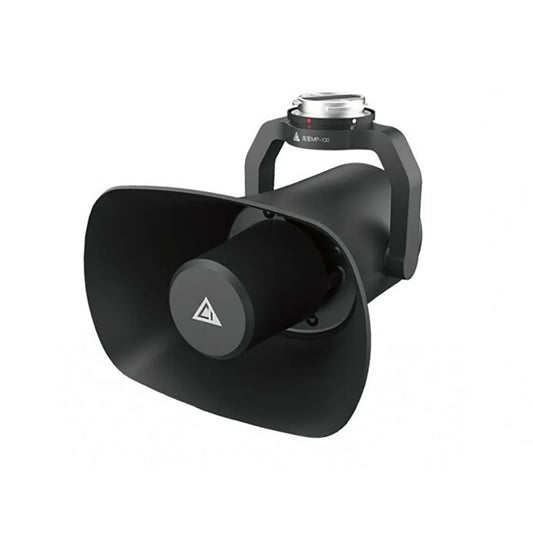
    When radio signals cut out or crews get spread thin across large areas, drones become flying relays. With real-time video transmission, drones help command centers stay visually connected to the front line. Loudspeaker-equipped models can issue evacuation orders, direct civilians, or relay instructions to firefighters when radios fail or visibility is low. During chaotic events—like a fast-moving brush fire or a multi-structure response—drones help everyone stay on the same page, no matter how big the scene gets.

  • Search and Rescue

    In situations where individuals are lost or in distress, drones demonstrate their life-saving capabilities, particularly during search and rescue operations in challenging environments or low visibility. Drones can quickly survey vast expanses and come equipped with speakers, facilitating communication with those stranded, and allowing rescuers to provide crucial directions or assistance.

  • Post-fire Assessment

    After the flames are out, the job isn’t over. Drones are critical for post-fire assessment, flying over charred structures, collapsed rooftops, and smoldering embers to document the full extent of damage. With high-resolution cameras and mapping software, you can generate 3D models, create insurance-ready visuals, and even evaluate areas at risk for reignition. This kind of documentation is invaluable for investigations, claims, and long-term fire mitigation planning—and it saves teams from walking into unstable terrain unnecessarily.

  • Training and Simulation

    Real-world training is essential, but it’s not always safe to recreate high-risk fire scenarios. That’s where drones shine. Crews can run full-scale simulations with drone support—scanning structures, identifying heat signatures from staged sources, and coordinating movement based on aerial feedback. After the drill, flight footage can be reviewed to spot gaps in timing, coordination, or coverage. It’s a safer, smarter way to sharpen skills without waiting for a real fire to test them.

  • Wildfire Line Mapping

    In a fast-moving wildfire, containment lines are everything. Drones give fire crews a clear overhead view to confirm where those lines are holding—and where they’re failing. Using real-time GPS and mapping tools, teams can track fire growth, pinpoint breaches in containment, and make faster calls about where to reinforce. This is especially helpful in rugged terrain, where ground access is limited and visibility from the surface is poor. With drones, incident commanders can redraw strategies on the fly and adapt to changing wind or fuel conditions with more precision.

  • Hazardous Material Detection

    When unknown substances are involved, entering a scene blind is dangerous. Drones equipped with chemical, gas, or particulate sensors act as early detectors, scanning the air for potential hazards before responders move in. Whether it’s a warehouse fire with toxic smoke or a crash site leaking flammable vapor, this technology helps hazmat crews stay out of harm’s way until the full risk is known. The data collected can also be shared in real time with command, so decisions are made based on facts—not guesswork.

  • Night Operations Support

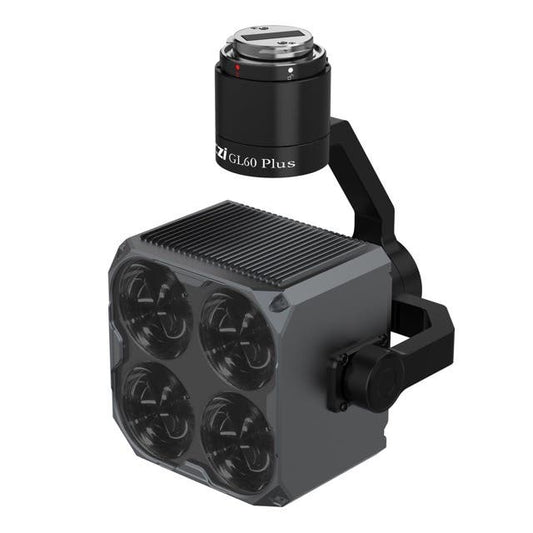
    Fire doesn’t stop when the sun goes down, and neither do drone capabilities. Thermal payloads, infrared sensors, and high-powered spotlights let drones maintain visibility in total darkness. For departments stretched thin on overnight rotations, drones become essential tools for monitoring structure integrity, spotting new flare-ups, or watching for rekindles in previously burned zones. Instead of sending out full crews, you can keep an eye on the scene from a distance—and act only when it’s needed most.

1 of 10

Learn About The Products and Technology Behind Drones for Firefighting

If you're exploring drones for firefighting, there are a few key capabilities that matter most: rapid response, thermal visibility, flight endurance, and operational safety.

Response time is critical. That’s why many departments prioritize drones that can launch quickly and provide immediate aerial awareness. Compact thermal platforms like the DJI Matrice 4 Series are ideal for fast scene checks, giving teams a quick overhead view and thermal scanning to help identify hotspots, track fire spread, or confirm conditions before crews move in.

But speed alone isn’t enough. Extended flight time and stronger sensor payloads can make a major difference during longer incidents. For sustained overwatch and high-detail intelligence, the DJI Matrice 400 paired with the Zenmuse H30T delivers a powerful combination of zoom, high-resolution thermal imaging, laser rangefinding, and long-endurance performance, helping incident command make safer decisions with better real-time data.

Safety and reliability also matter in unpredictable conditions. Fire scenes often involve smoke, low visibility, shifting hazards, and complex environments. Platforms designed for enterprise response missions support more stable flight, better situational awareness, and more dependable performance when conditions aren’t ideal.

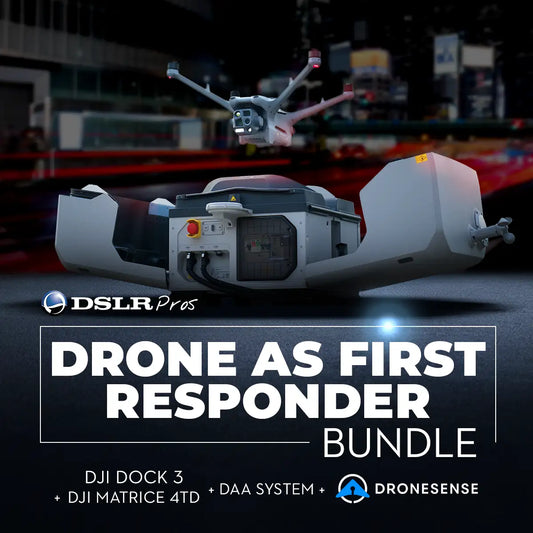
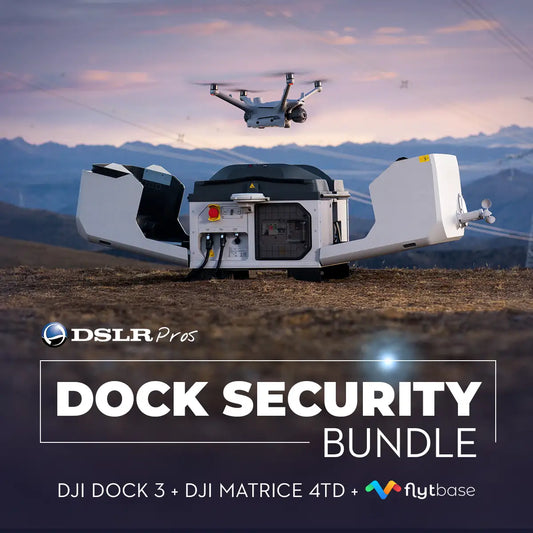
Finally, adaptability is essential. Some incidents require rapid response from a distance or coverage before crews arrive. For agencies building modern remote-response capability, Drone as First Responder (DFR) solutions using DJI Dock 3 with Matrice 4D/4TD aircraft enable automated launch and real-time aerial visibility, supporting faster decisions and better coordination during time-sensitive calls.

In short, the best firefighting drone setups aren’t defined by one feature. They’re built around the right mix of fast deployment, thermal + zoom intelligence, endurance, and mission-ready flexibility—so your team can act faster, safer, and with better information.

The DSLRPros Advantage

  • UAV THERMAL EXPERTS

    We are industry leaders in thermal imaging drones. As one of the pioneers in thermal drone technology, our team of experts will help you build a custom solution that meets both your budget and needs.

  • MISSION SPECIFIC SOLUTIONS

    We specialize in the development and delivery of cost-effective mission-specific enterprise solutions. All our kits are specially designed, assembled, and individually tested for quality assurance in the United States.

  • AFTER PURCHASE SUPPORT

    Our customer service doesn't just end with your purchase; we go the extra mile to make sure our customers have the guidance they need. As our customer, you will know us by name and can count on us for support whenever you need it.