Speak With Our Solar Panel Drone Expert

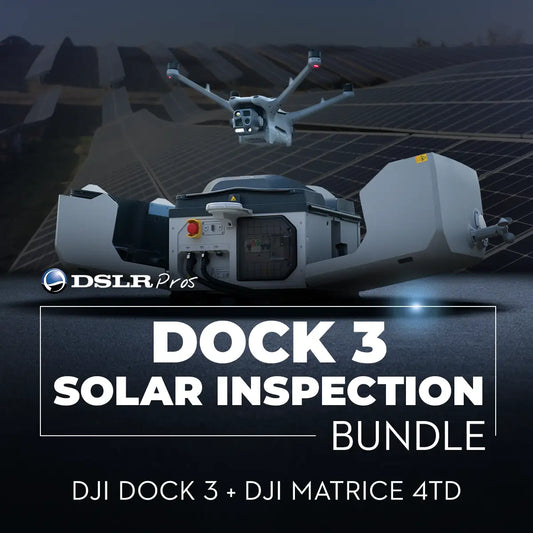
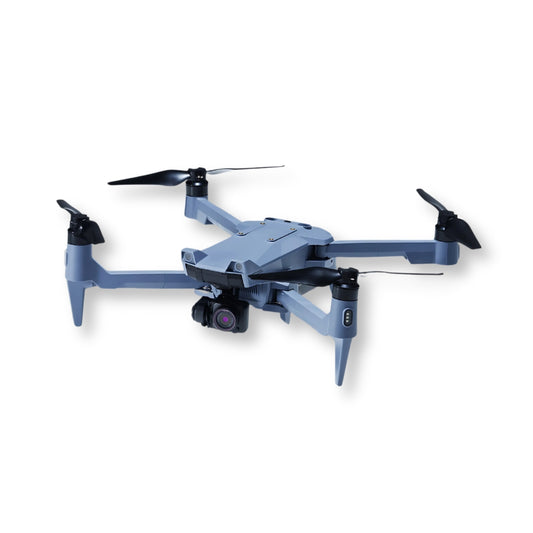
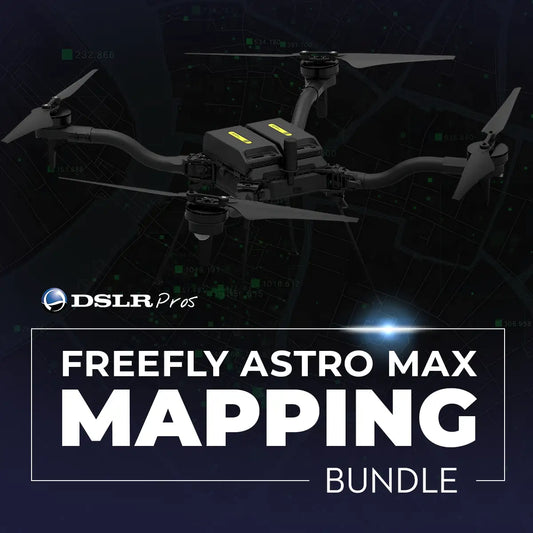
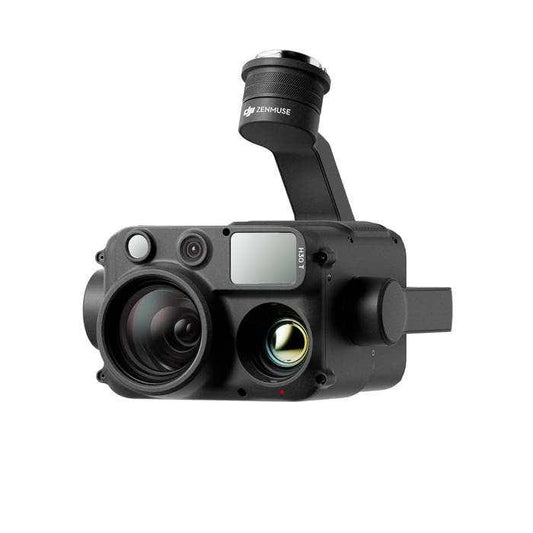
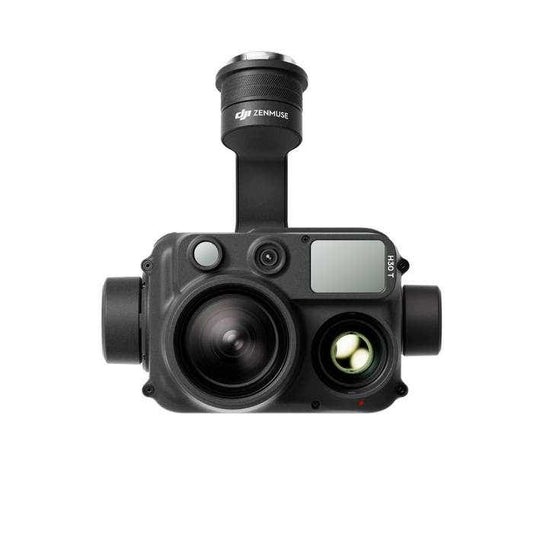
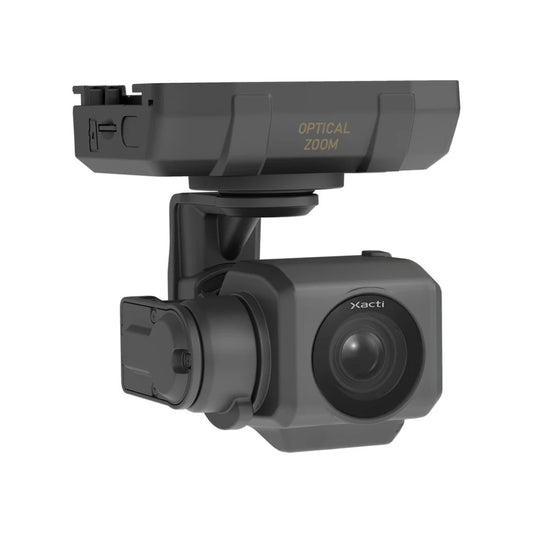
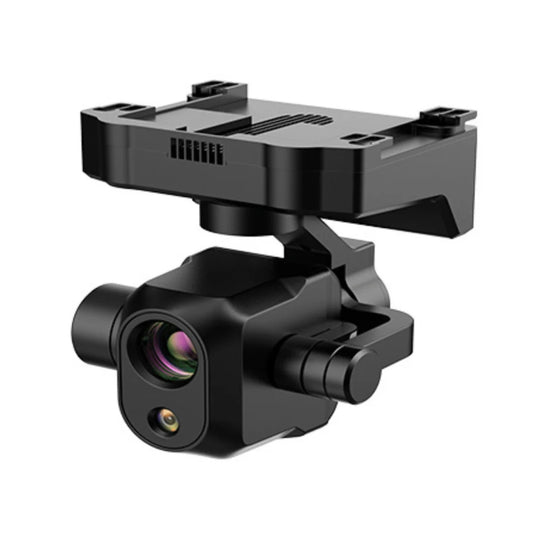
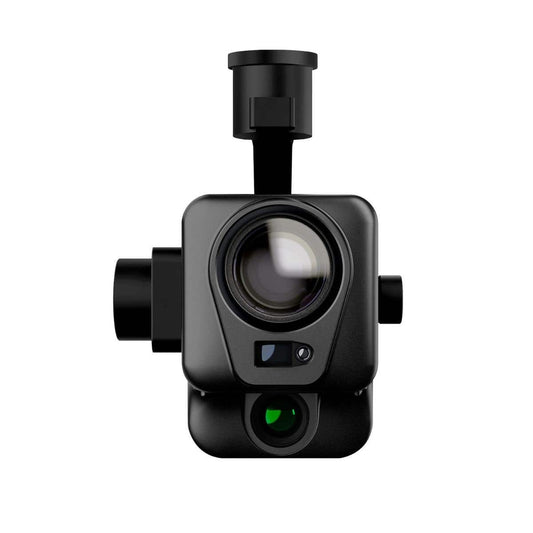
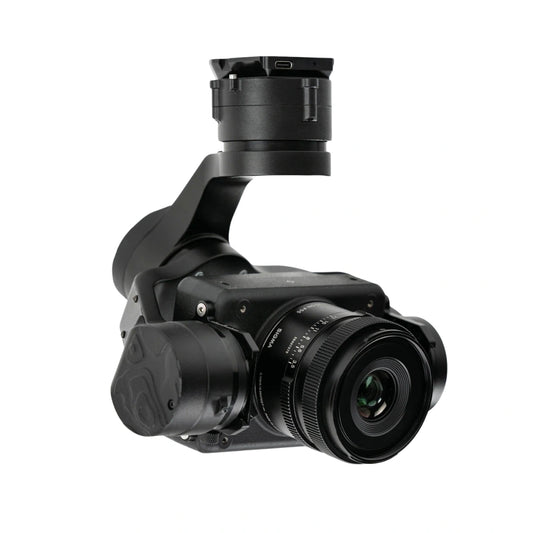
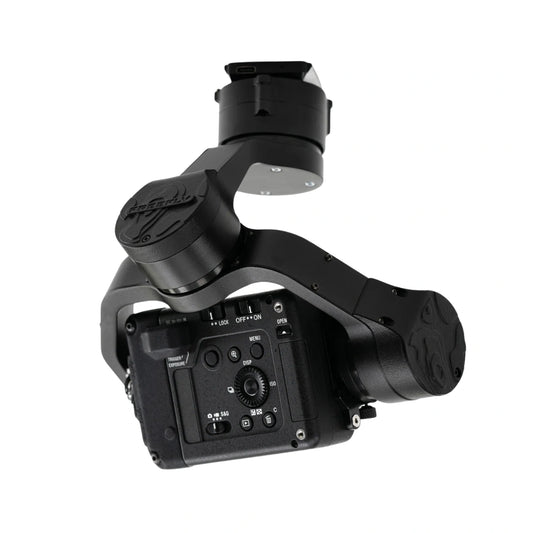
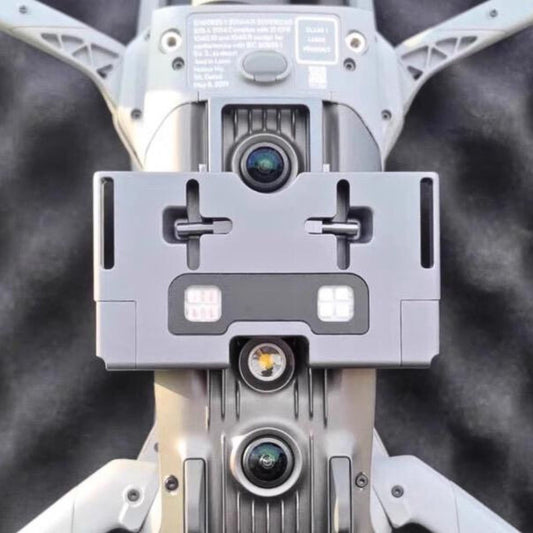
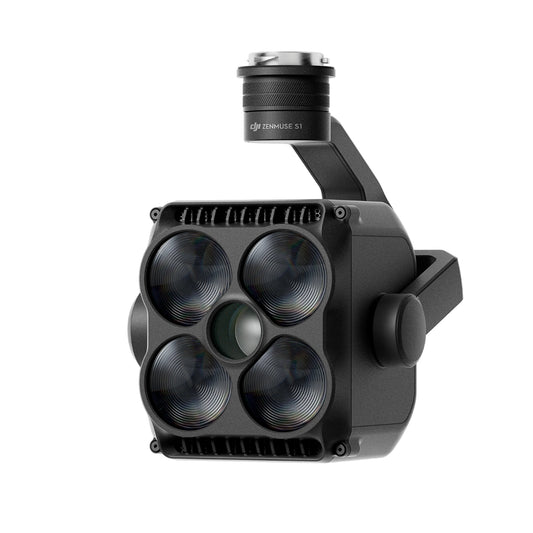
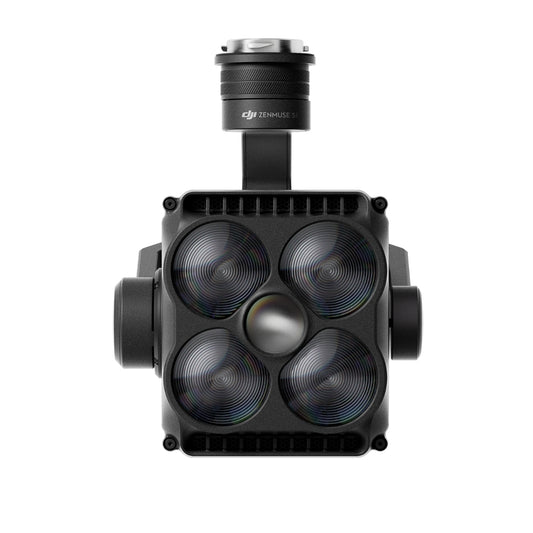
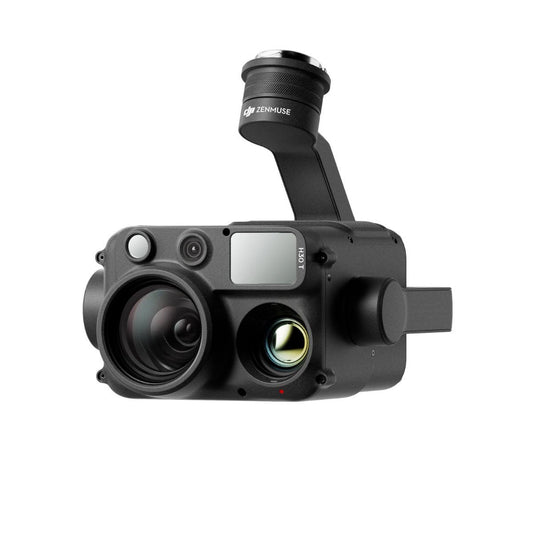
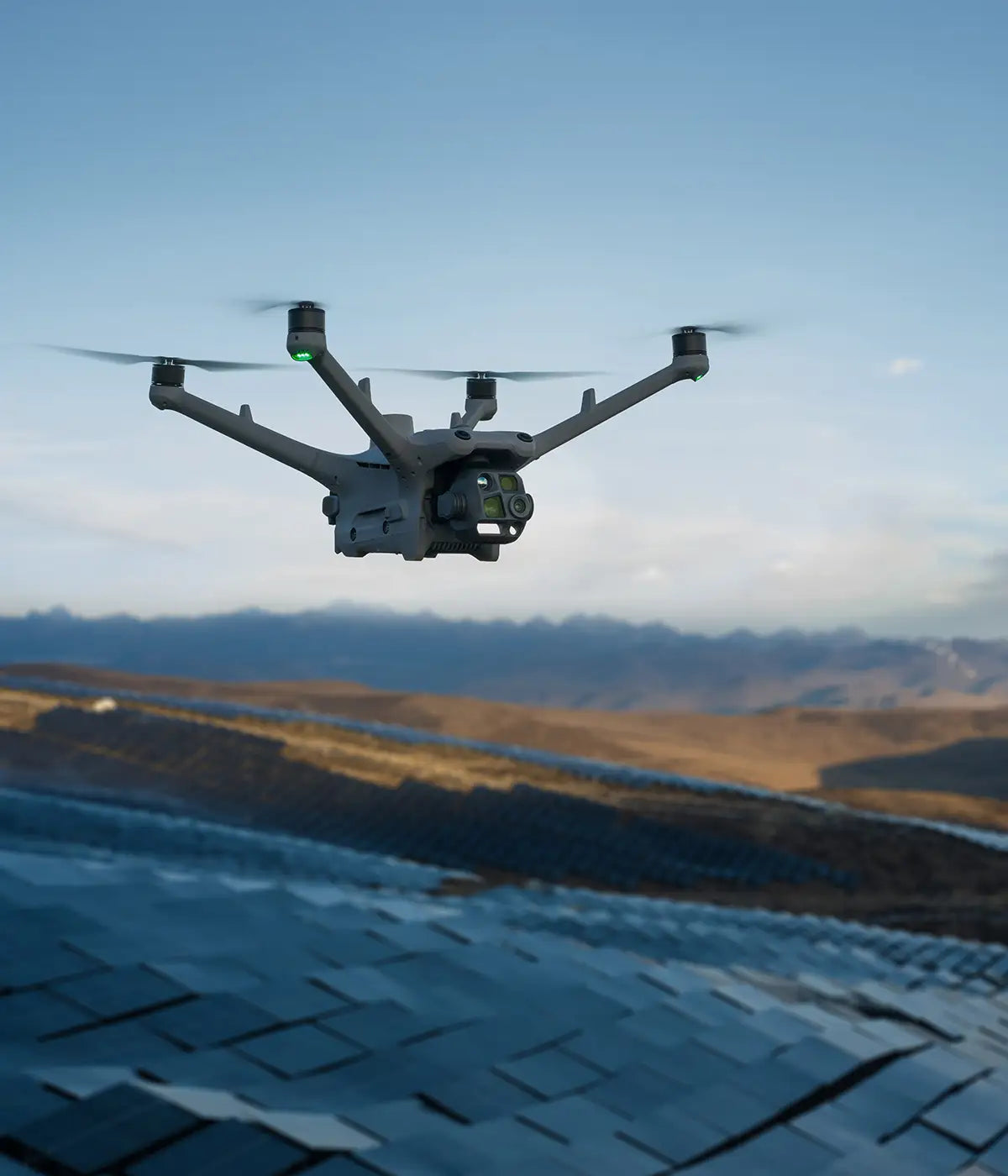
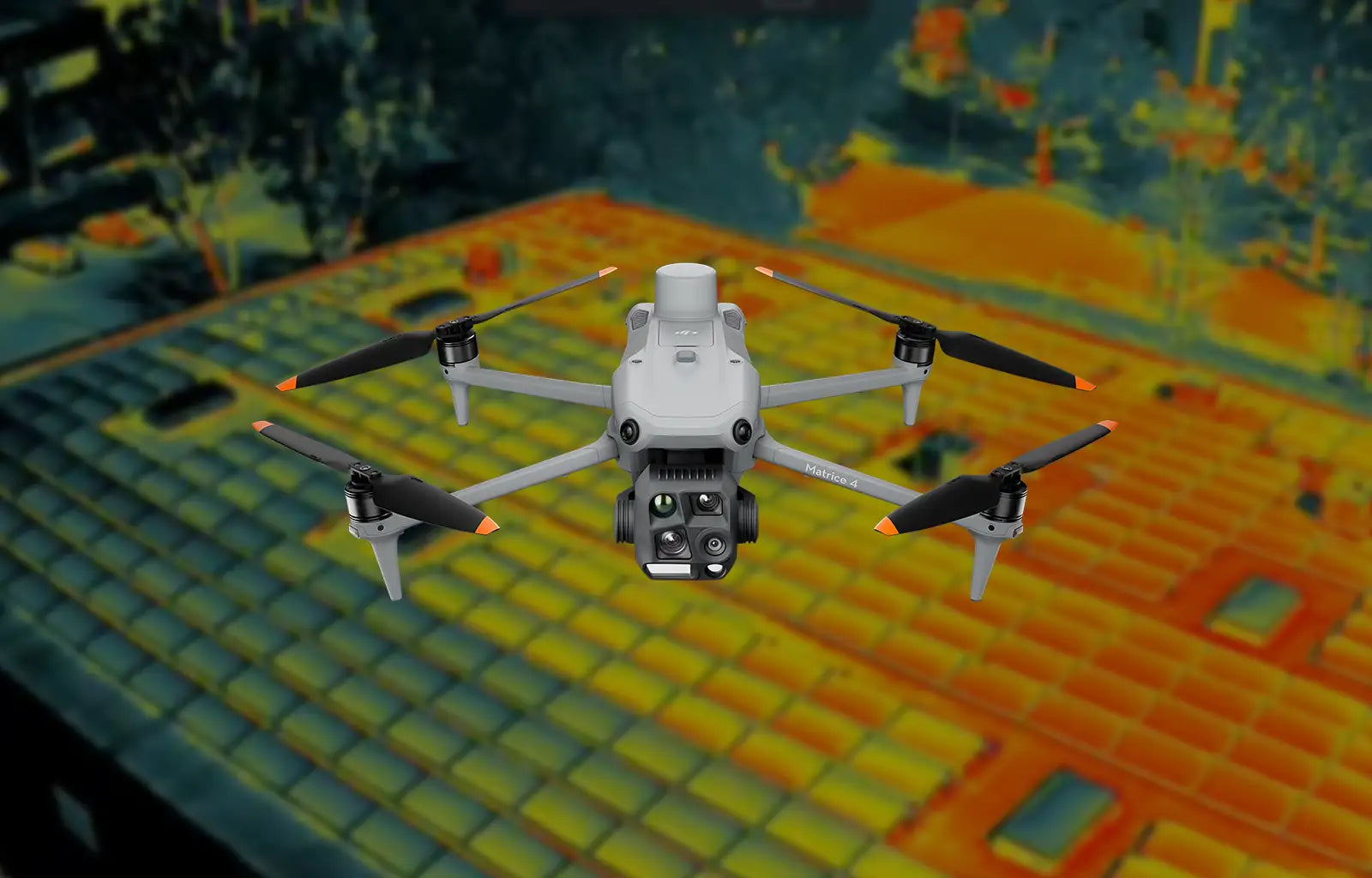
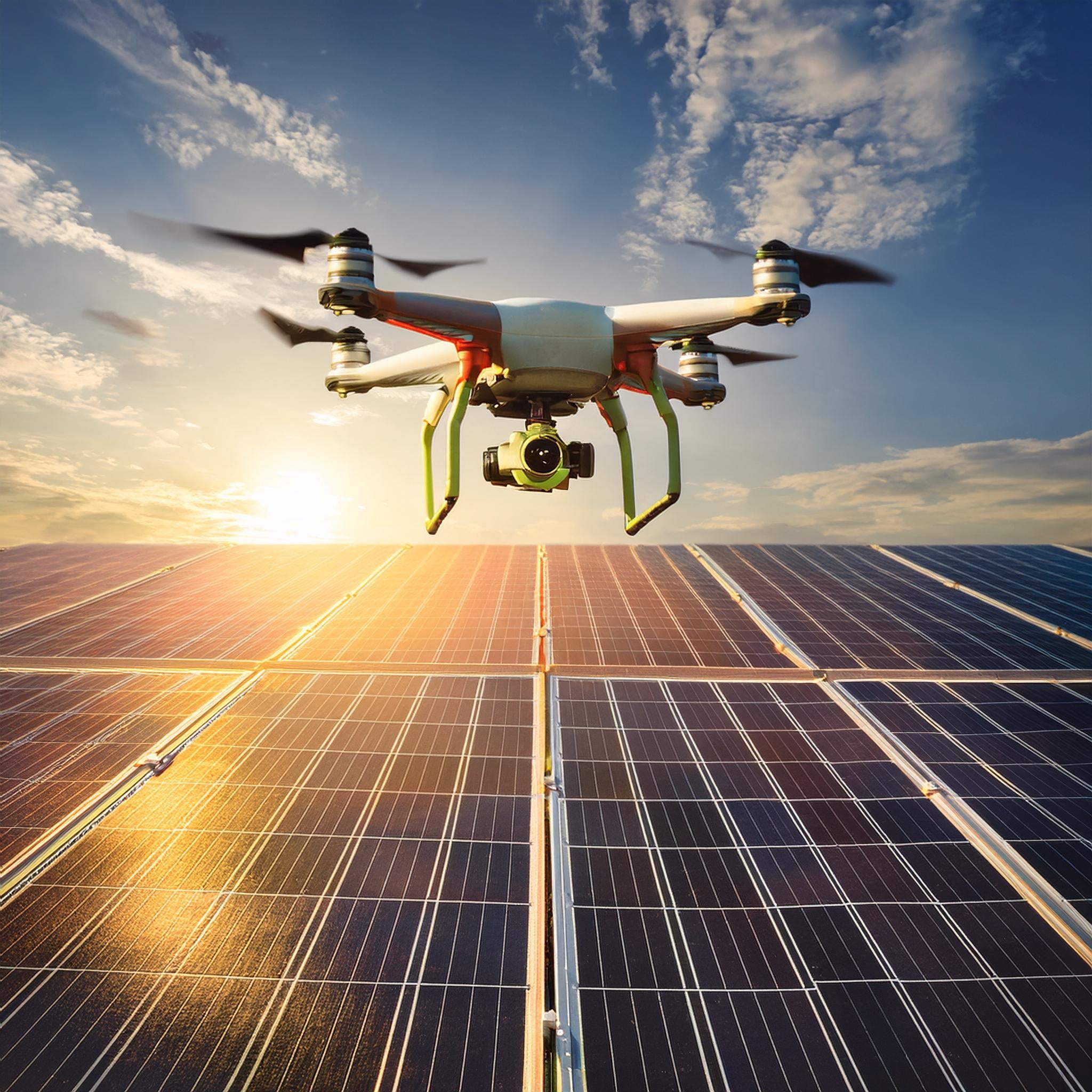
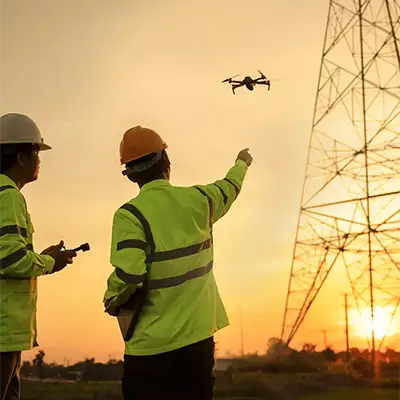
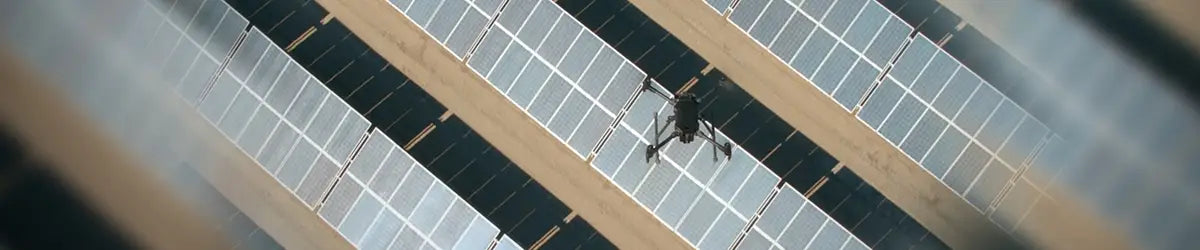
Solar panel inspection drones are unmanned aerial systems equipped with high-resolution visual cameras and thermal sensors that enable fast, accurate assessment of photovoltaic (PV) installations. These platforms allow operators to detect hotspots, faulty cells, wiring issues, physical damage, and dirt buildup—without placing technicians on rooftops or walking large solar fields. By replacing manual inspection methods with aerial data capture, organizations reduce labor costs, improve inspection consistency, and minimize safety risks while collecting actionable thermal and visual intelligence at scale. Whether you are managing a small rooftop array or a utility-scale solar farm, there is a drone solution designed to match your operational needs. Enterprise platforms such as the DJI Matrice 400 paired with the Zenmuse L3 deliver long endurance, multi-sensor flexibility, and high-throughput inspection capability for large sites. For rugged, integrated visual-thermal performance, the Autel EVO MAX 4T XE combines zoom, thermal, and wide-angle imaging in a single platform. The compact Matrice 4E supports rapid-deployment inspections for smaller sites and spot checks, while the Autel Alpha with L35T Camera offers long flight times and high-resolution thermal imaging for demanding solar farm conditions. Alternative enterprise platforms such as the ACSL SOTEN support regulated environments, while the Freefly Astro Max Mapping Bundle—featuring the Sony ILX-LR1 61 MP camera with a Sigma 24 mm f/3.5 lens—delivers ultra-high-resolution visual mapping for layout validation, defect documentation, and shading analysis. For full automation, the DJI Dock 3 with the Matrice 4TD Solar Inspection Bundle enables remote, unattended inspections. Speak with one of our drone experts today to find the right system for your operation.

  • Efficiency

    Drones have the ability to cover large areas quickly, streamlining the inspection process. In contrast, manual inspections are often labor-intensive and can take a considerable amount of time.

  • Cost Savings

    By using a solar panel inspection drone, you can significantly reduce the costs associated with inspections. With fewer workers needed for the job and faster inspection times, drone inspections lead to less budgetary strain for solar farm operators.

  • Safety

    Operators and engineers carrying out the inspection can remotely assess solar panels without the need for dangerous climbs or the use of heavy equipment, reducing the risk of workplace accidents and injuries.

  • High-Quality Imaging

    Drones equipped with high-resolution cameras can capture detailed images of solar panels, making it easier to identify damage, dirt, or defects that may not be visible to the naked eye. This can be especially helpful in spotting small issues before they snowball and cause irrevocable damage.

  • Thermal Imaging

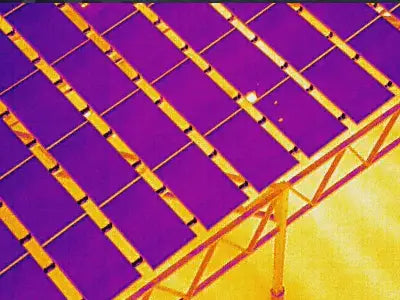
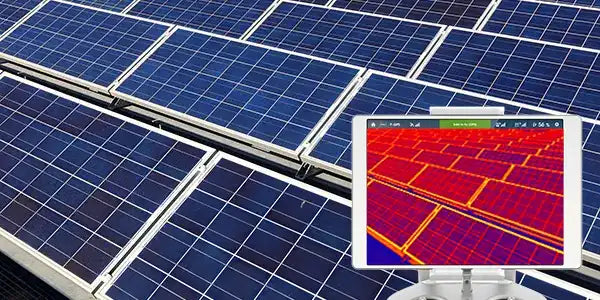
    Drones with thermal imaging cameras that can detect "hotspots" on solar panels where energy may be getting wasted due to damage or other issues. This technology helps operators identify areas in need of repair or replacement.

  • Accurate Data Collection

    Capture precise data, including GPS coordinates, altitudes, and angles of images with the help of integrated drone software, like Pix4D and DJI Terra.  You can also set up automated flight paths for drones, so they can carry out thorough and repeatable inspections of your panels.

  • Preventative Maintenance

    Regular drone inspections can identify potential issues before they become major problems, enabling operators to perform preventative maintenance and extend the lifespan of the panels.

  • Real-Time Insights

    Drones being piloted on-site transmit images and data in real-time, for operators to quickly assess and address any issues they identify during the inspection. Immediate insights mean faster responses and solutions.

  • Improved Documentation

    Drones create comprehensive digital records of solar panel inspections, making it easier to track changes over time and compare the condition of panels across different inspection periods. This can be helpful for further analysis, warranty claims, insurance purposes, and overall system management.

  • Minimized Downtime

    With faster inspections, maintenance or repair work can be scheduled promptly, minimizing downtime and maximizing the energy production of the solar panels.

  • Storm Aftermath Review

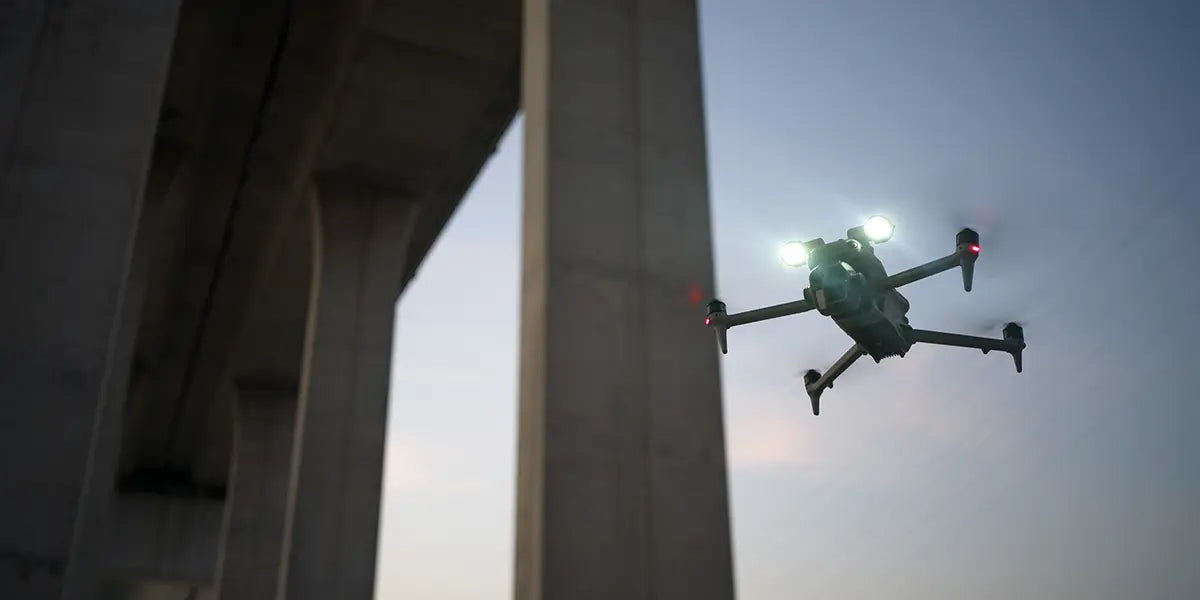
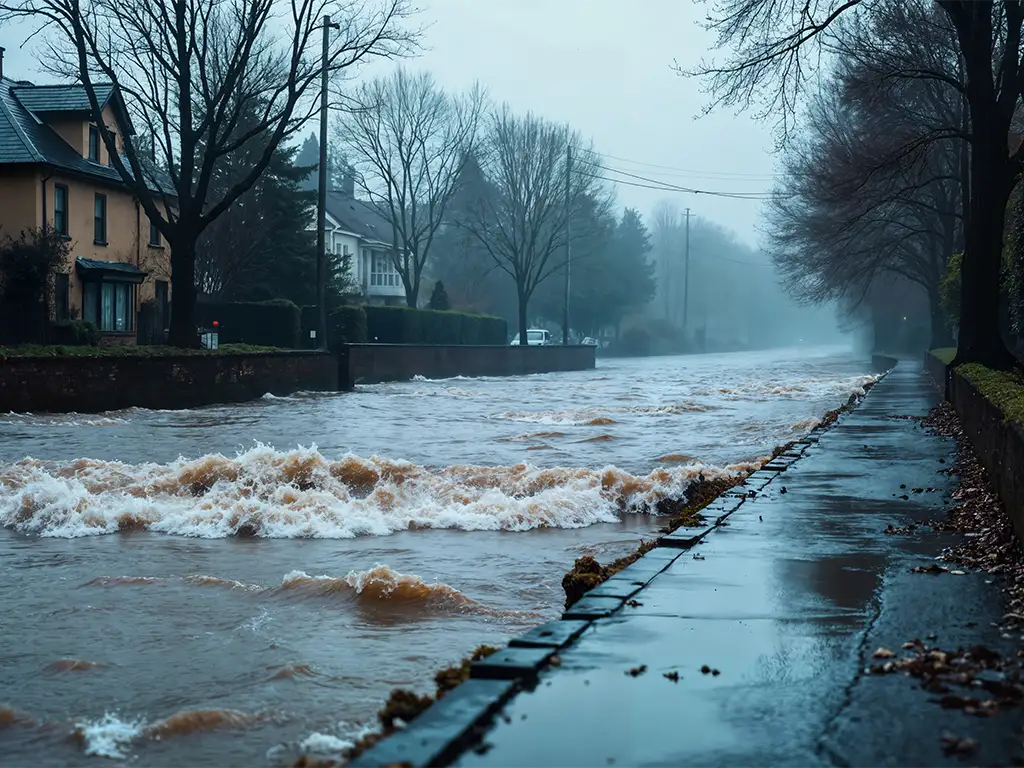
    Drones can be deployed immediately after a storm to check for wind, hail, or water damage to solar panels and their frames. This quick deployment helps operators respond swiftly and document any issues for insurance or repairs.

  • Warranty Compliance Checks

    Using drones, operators can capture visual records of a solar system’s condition over time. This documentation is useful when validating warranty claims or proving regular maintenance has been performed.

1 of 12
  • Damage Assessment

    With a drone for solar panel inspection, you can quickly detect damage like cracks or broken panels even in extensive solar arrays. Drones with high-res drone cameras can pick up even the smallest details, making finding problems a breeze.

  • Thermal Imaging

    Our drones equipped with thermal imaging cameras are perfect for identifying "hotspots" or areas of excessive heat on solar panels. These can indicate defects or inefficiencies in the system.

  • Soiling Analysis

    Using a drone solar panel inspection method, you can easily detect and assess the buildup of dirt, dust, and debris on solar panels. This is important because such build-up can reduce their efficiency over time.

  • Maintenance Inspections

    Drones can perform routine maintenance inspections effectively. This means that solar farm operators can catch problems early and fix them before they get worse, saving money on costly repairs down the road.

  • Performance Verification

    After maintenance or repairs, use a solar panel inspection drone to verify the proper functioning of solar panels and ensure all issues have been resolved. This helps in maintaining consistent energy output.

  • Inverter and Equipment Inspection
    In addition to solar panels, drones can also inspect inverters and other related equipment. This comprehensive inspection ensures your entire solar system is in optimal condition.

  • Large-scale Solar Farm Assessment

    Our drones can efficiently assess large-scale solar farms, helping operators monitor the condition of thousands of panels swiftly and effectively.

  • Building-Integrated Solar Inspections

    For solar panels integrated into awnings or canopies over walkways and entrances, those across multiple levels or sections of the roof, all through to technologies like solar windows – drones offer an accessible and safe way to inspect these hard-to-reach installations.

1 of 8

Choosing the Right Drone Technology for Solar Panel Inspection

When selecting a drone for solar panel inspection, several technical factors determine how accurate, safe, and efficient your inspections will be. One of the most important is imaging technology. Thermal cameras reveal hotspots caused by faulty wiring, degraded cells, or bypass diode failures, while high-resolution visual sensors make it easier to document cracks, soiling, mounting issues, and other physical defects. Resolution and sensor quality directly affect how small of a defect you can detect, especially when inspecting large arrays from safe stand-off distances.

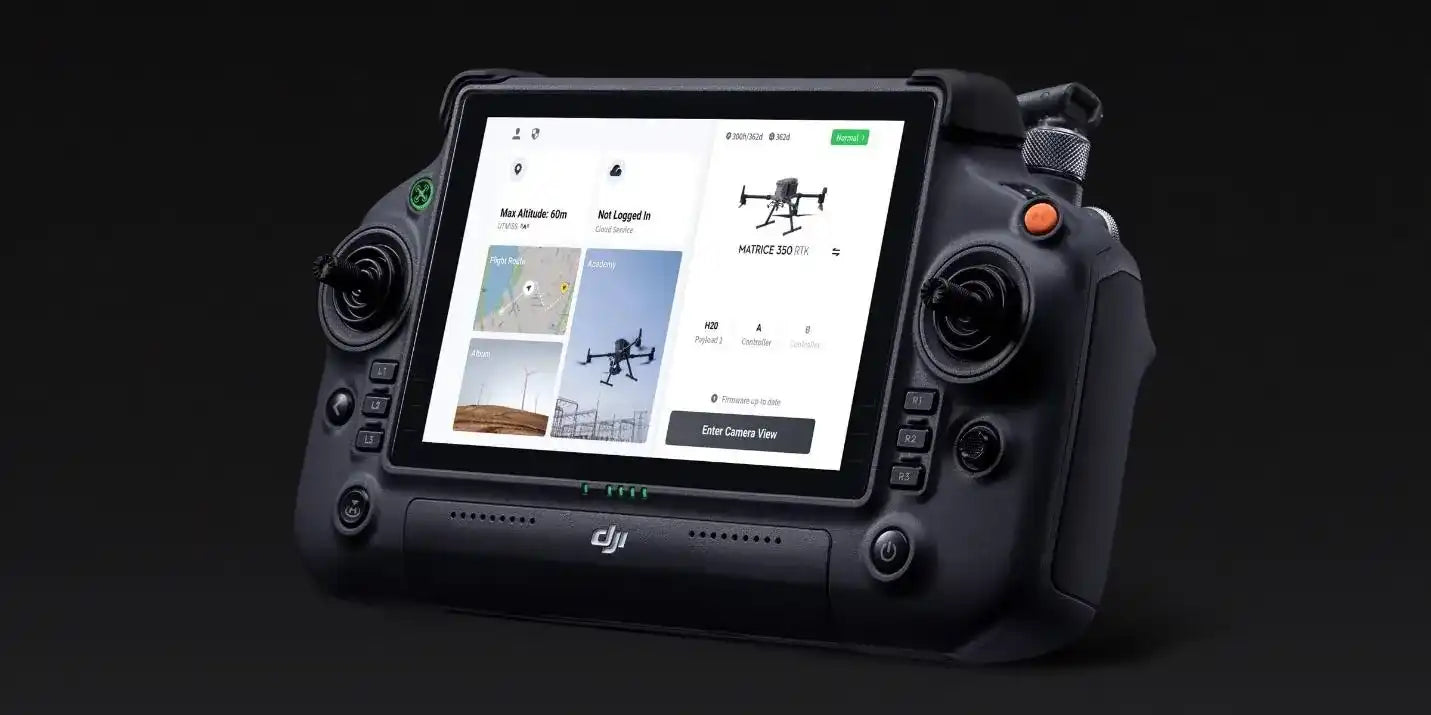
Other critical considerations include flight time and endurance for covering large solar fields, obstacle avoidance and safety systems for operating near structures and racking, RTK positioning for mapping and repeatable flight paths, and software integration for turning raw images into usable inspection and reporting data. Battery capacity, controller type, and automation capabilities also play a major role in how quickly inspections can be completed and how consistently results can be reproduced over time.

DSLRPros offers a range of solar inspection–ready drone bundles built around these core technology requirements. For fully autonomous, around-the-clock inspections, the DSLRPros Dock 3 Solar Panel Inspection Bundle, which includes the DJI Dock 3 and Matrice 4TD, enables scheduled and on-demand missions without an on-site pilot. This system is ideal for early-morning thermal scans, post-storm damage assessments, and continuous performance monitoring across large utility-scale solar farms.

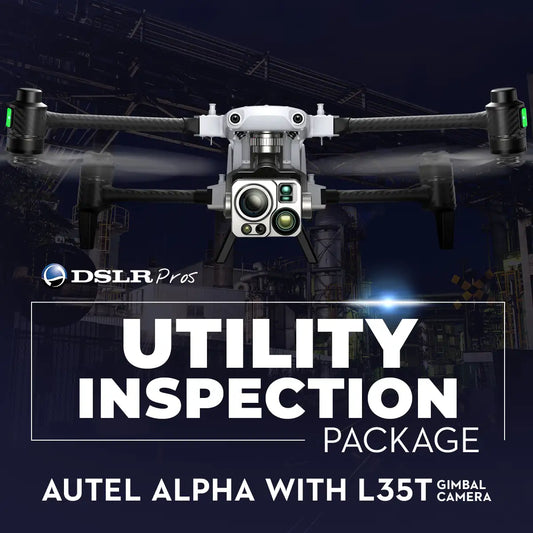
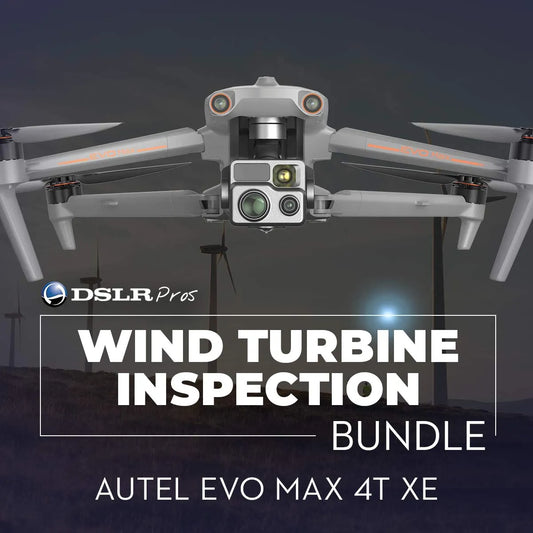
High-performance manual inspection workflows are supported by platforms such as the DSLRPros Autel Alpha with L35T Gimbal Utility Inspection Package, which combines long endurance with high-resolution thermal and zoom imaging for detecting hotspots, bypass diode failures, and underperforming panel strings. Teams seeking a compact but powerful thermal solution can turn to the DSLRPros Solar Panel Inspection Bundle built around the Autel EVO Max 4T XE, offering an efficient all-in-one platform for rapid inspections, routine performance checks, and hotspot detection.

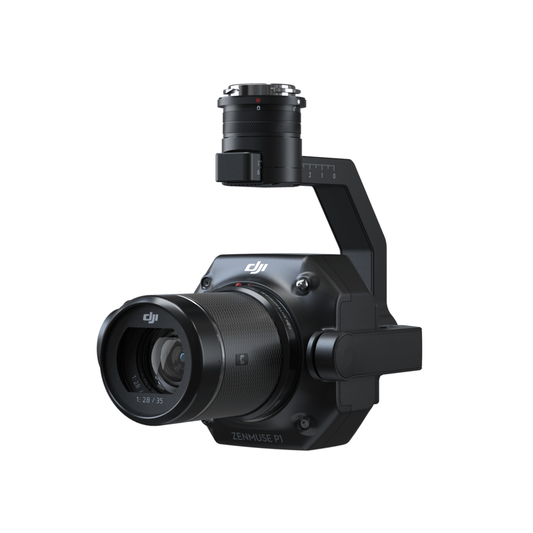
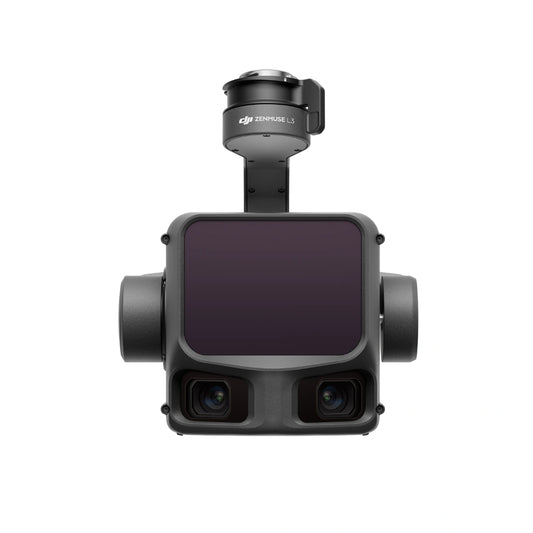
For mapping, layout validation, and site optimization, DSLRPros provides multiple enterprise-grade solutions. The DSLRPros Matrice 400 Ultimate 3D Mapping Package, which includes the Zenmuse P1, delivers high-resolution photogrammetry for row alignment verification, shading-impact analysis, and detailed visual documentation. Workflows that require terrain modeling and elevation data benefit from the DSLRPros Matrice 400 + Zenmuse L3 Mapping Bundle, which adds LiDAR capability for grading analysis, drainage planning, racking design inputs, and vegetation encroachment assessment.

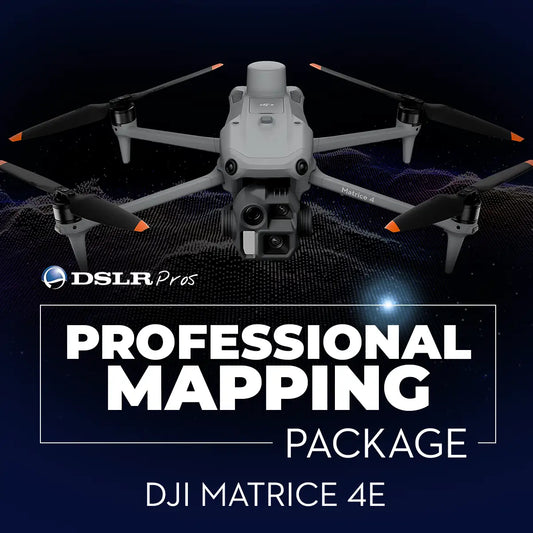
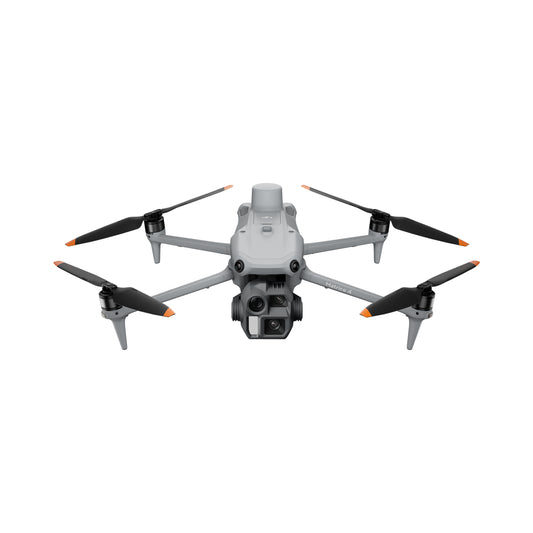
Portable and mid-size mapping needs are well served by the DSLRPros Matrice 4E Professional Mapping Package, which provides high-resolution visual capture, RTK positioning, and fast deployment for rooftop systems and mid-scale solar sites.

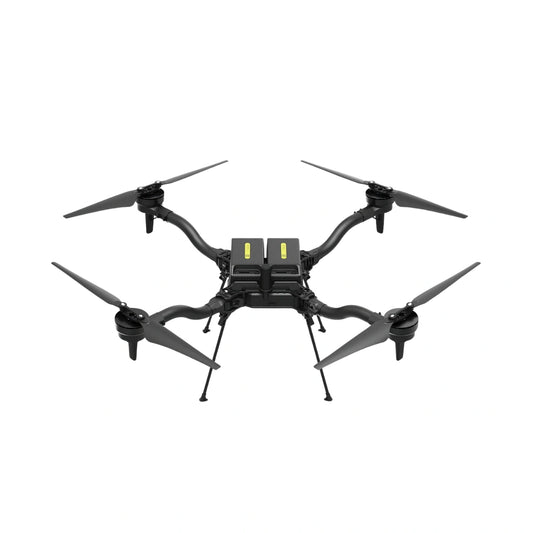
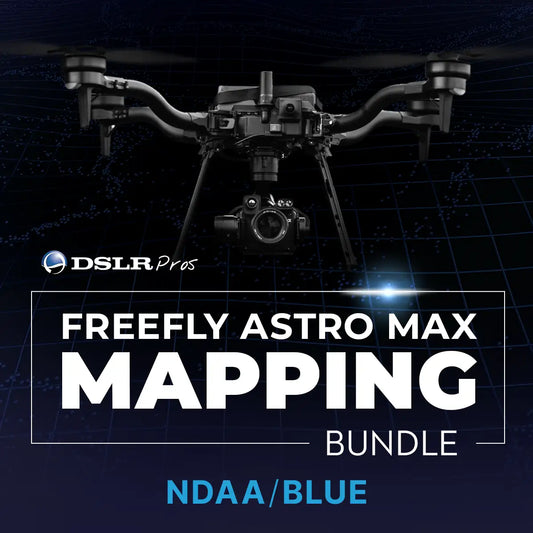
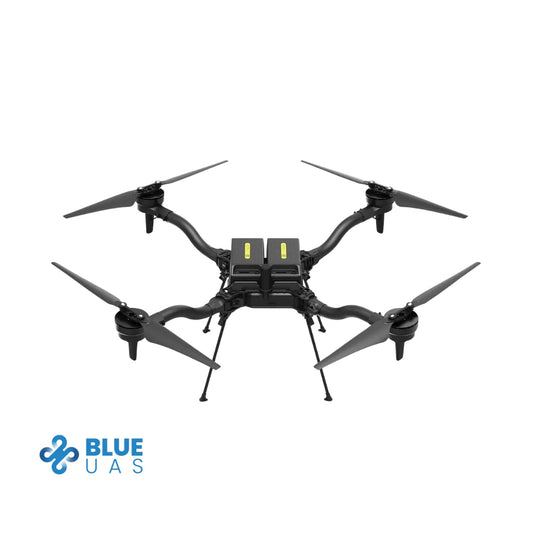
Operators who need a non-DJI, high-performance mapping platform can deploy the DSLRPros Freefly Astro Max Mapping Bundle, which delivers long endurance, high positional accuracy, and ultra-high-resolution visual capture for large-area solar mapping, layout planning, and construction QA. For government, utility, and defense-adjacent organizations with compliance requirements, the DSLRPros Freefly Astro Max Mapping Bundle (NDAA/Blue) provides the same mapping performance in an NDAA-compliant configuration suitable for regulated environments.

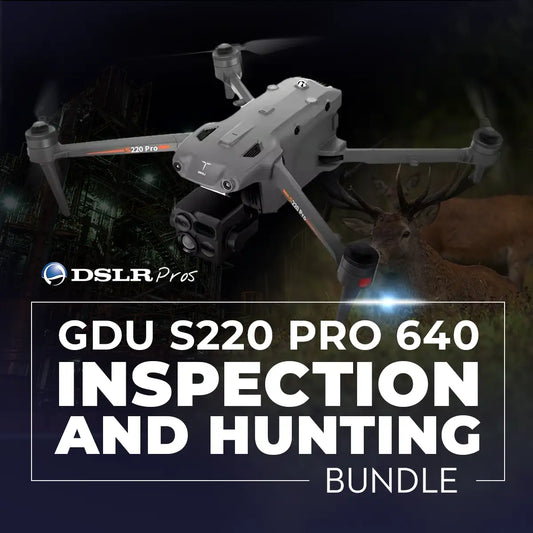
For regulated or sensitive environments, the DSLRPros SOTEN Advanced Inspection Package, which includes the ACSL SOTEN and ACSL SOTEN High Resolution Thermal Camera, offers secure communications, stable flight performance, and reliable thermal diagnostics for hotspot detection and string-level anomaly analysis. The DSLRPros GDU S220 Pro 640 Version Inspection Bundle / Hunting Bundle provides an additional compact thermal option for operators seeking rapid deployment and long-range thermal visibility in challenging field conditions.

Together, these systems cover the full solar inspection lifecycle—from thermal diagnostics and defect documentation to high-accuracy mapping, LiDAR terrain modeling, and fully autonomous operations. Choosing the right combination of drone platform, imaging payload, and software ensures faster inspections, safer operations, and more reliable performance data across the entire solar asset lifecycle.

The DSLRPros Advantage

  • UAV THERMAL EXPERTS

    We are industry leaders in thermal imaging drones. As one of the pioneers in thermal drone technology, our team of experts will help you build a custom solution that meets both your budget and needs.

  • MISSION SPECIFIC SOLUTIONS

    We specialize in the development and delivery of cost-effective mission-specific enterprise solutions. All our kits are specially designed, assembled, and individually tested for quality assurance in the United States.

  • AFTER PURCHASE SUPPORT

    Our customer service doesn't just end with your purchase; we go the extra mile to make sure our customers have the guidance they need. As our customer, you will know us by name and can count on us for support whenever you need it.