Search and rescue missions are rarely predictable. From missing persons in remote wilderness areas to large-scale disaster response in urban zones, each situation demands fast decisions, reliable tools, and clear aerial visibility. Drones have become a core asset in these operations, offering SAR teams the ability to assess danger zones, locate victims, and coordinate efforts more efficiently than ever before. The real-world applications of drone technology go beyond theory—across diverse environments, drones are helping save lives with thermal imaging, rapid deployment, and autonomous capabilities. Below are several examples that demonstrate how drones are actively reshaping modern rescue efforts.
Infrared Drone Finds Missing Elderly Man in Malibu Within 20 Minutes
In December 2024, as temperatures dropped into the low 40s in Malibu, California, a 78-year-old man with early-onset dementia went missing after leaving his home to check the mail. Hours passed without any sign of him. Despite calls and searches by family members, there was no response—he had collapsed and was unable to move or signal for help.
Rescue teams launched a heat-detecting drone equipped with infrared imaging. Within just 20 minutes of flight, the drone detected a bright thermal signature—a clear contrast against the cool surroundings. That signature turned out to be the missing man, curled on the ground and shivering. He was located quickly, and responders were able to retrieve him safely, just in time for Christmas.
According to local deputies, this was the first time their team successfully located a person using drone-based thermal technology, which had only been deployed about 20 times prior. The success highlighted the unique ability of drones to detect heat signatures invisible to the naked eye, especially in low-light conditions. In a region that receives over 150 search and rescue calls annually, this case reinforces the growing role drones play in saving lives—quietly, quickly, and effectively.
Watch the video here.
Drones Aid Nighttime Rescue of Trapped Teen in Rimrock, California
In the rugged landscape of Rimrock, CA, a 15-year-old boy became trapped between large boulders while rock climbing with his family. After multiple failed attempts to free him, the family called 911 late in the day. San Bernardino County Fire crews arrived after dark to find the teen wedged 30 feet down a narrow crevice, with limited ability to breathe—a life-threatening situation that required a highly coordinated rescue effort.
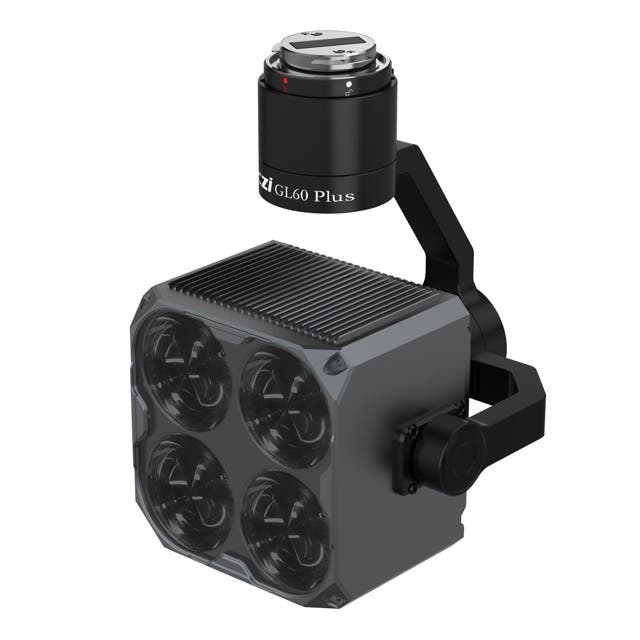
Drones played a critical support role by providing high-powered overhead lighting and continuous live video of the scene. This allowed the incident commander to assess the terrain, monitor rescue progress from above, and coordinate resources more safely and effectively. In a location with steep rock formations and poor visibility, the drone’s aerial perspective was vital for navigating the technical rope operation.
After hours trapped, the teen was rescued using a rope system and found to be suffering from hypoxia, dehydration, and hypothermia. Paramedics on scene delivered advanced life support before transporting him to Desert Regional Medical Center. The case highlights how drones, when integrated with rescue operations, can dramatically improve scene visibility, reduce risk to responders, and help bring complex rescues to a safer, faster conclusion.
Watch the video here.
Learn About The Products and Technology
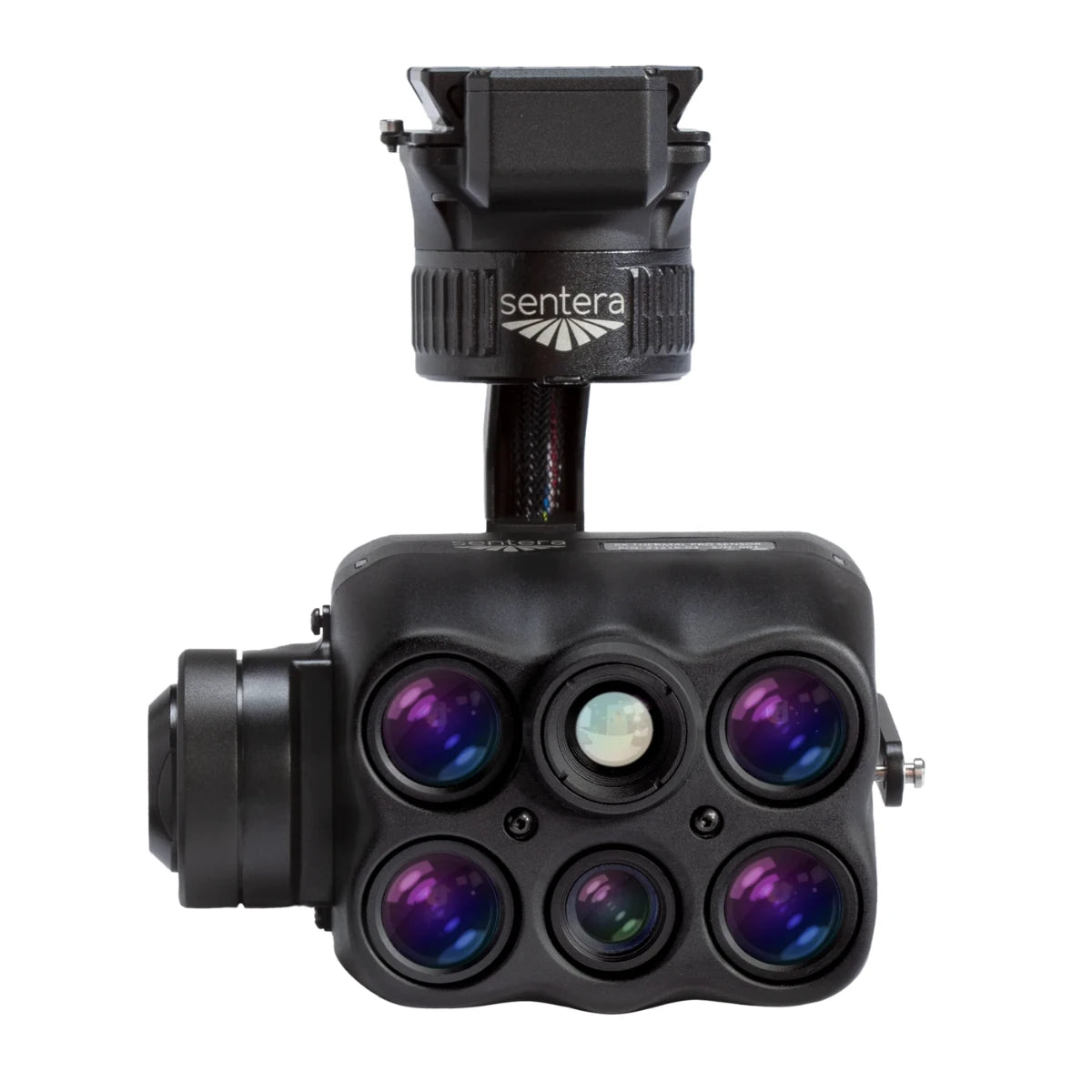
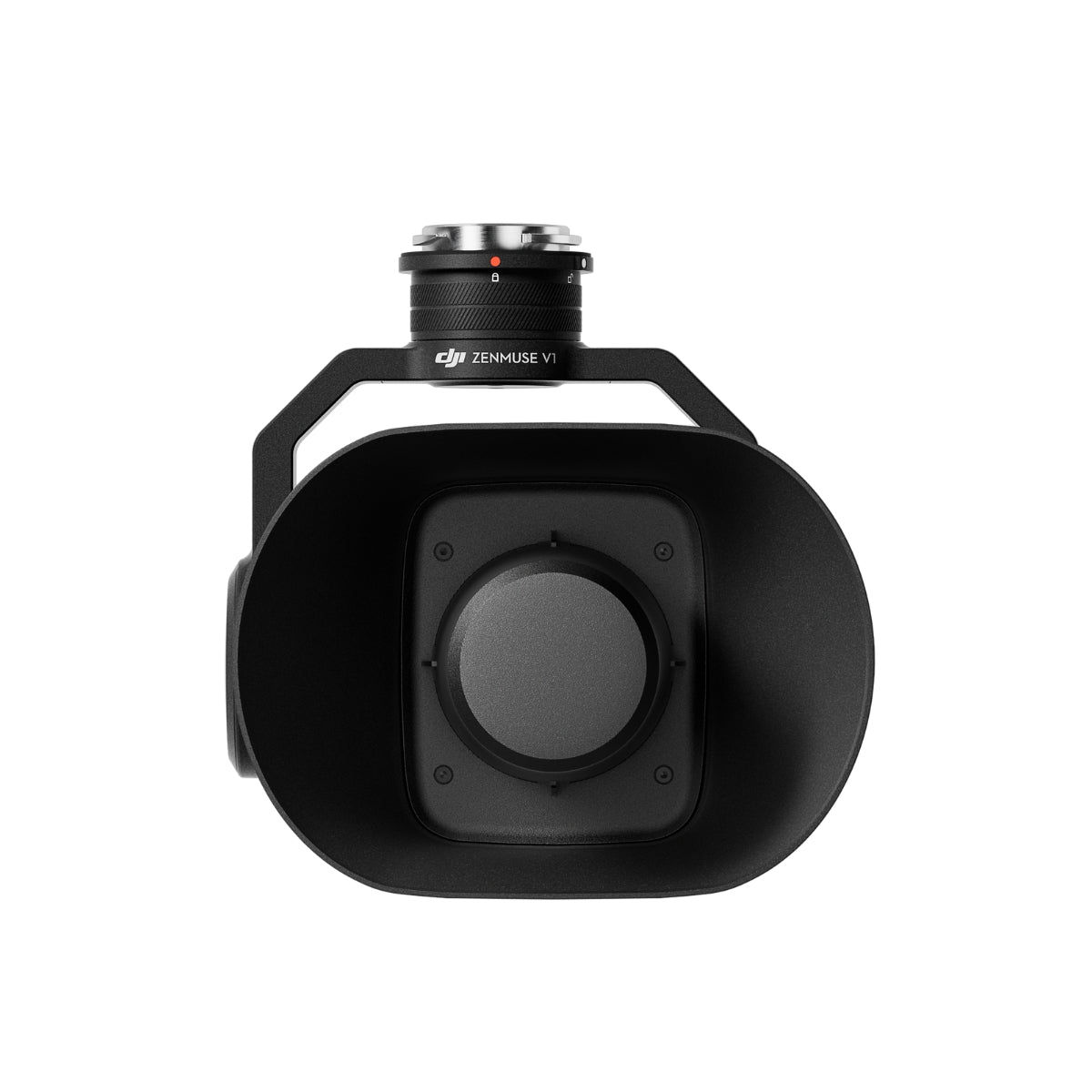
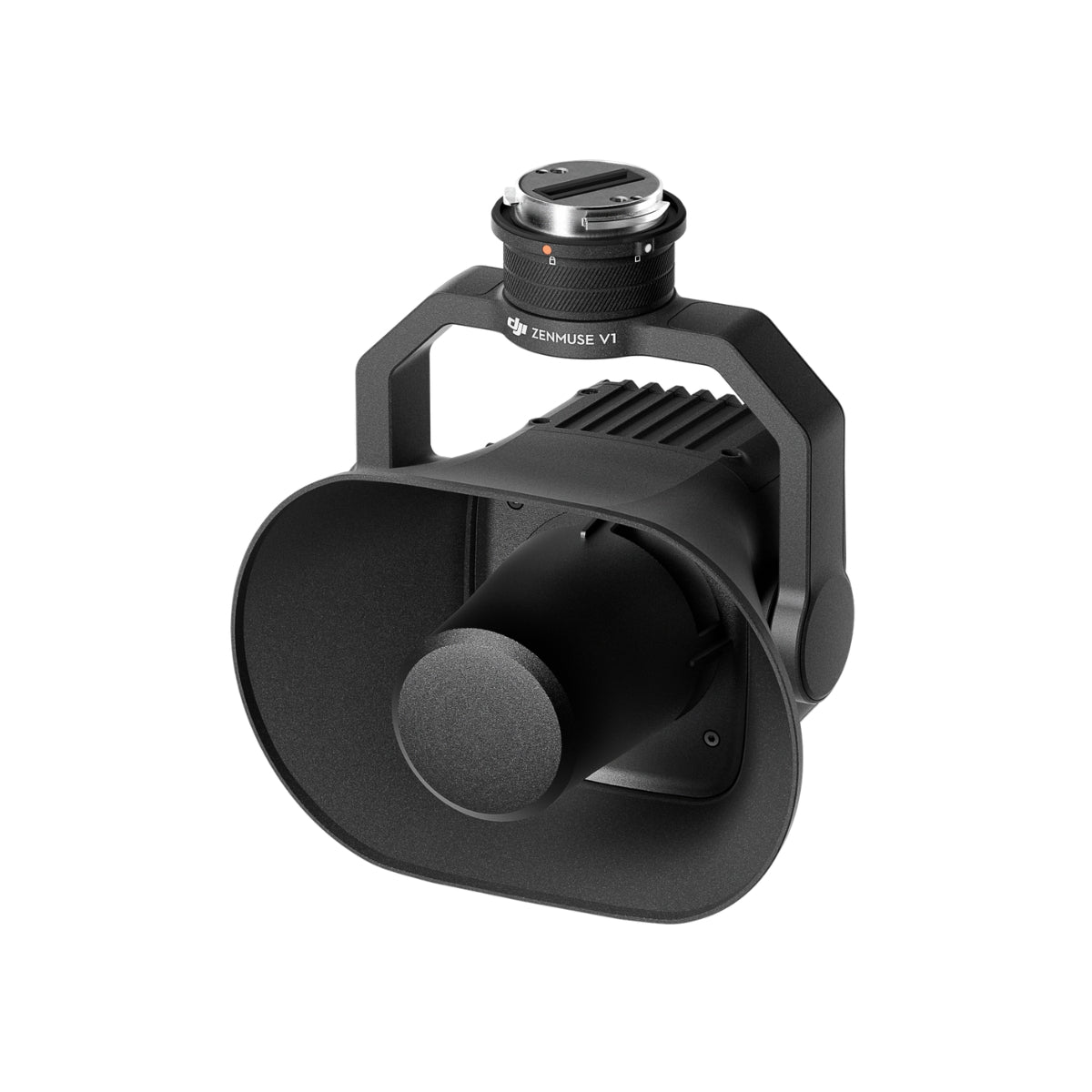
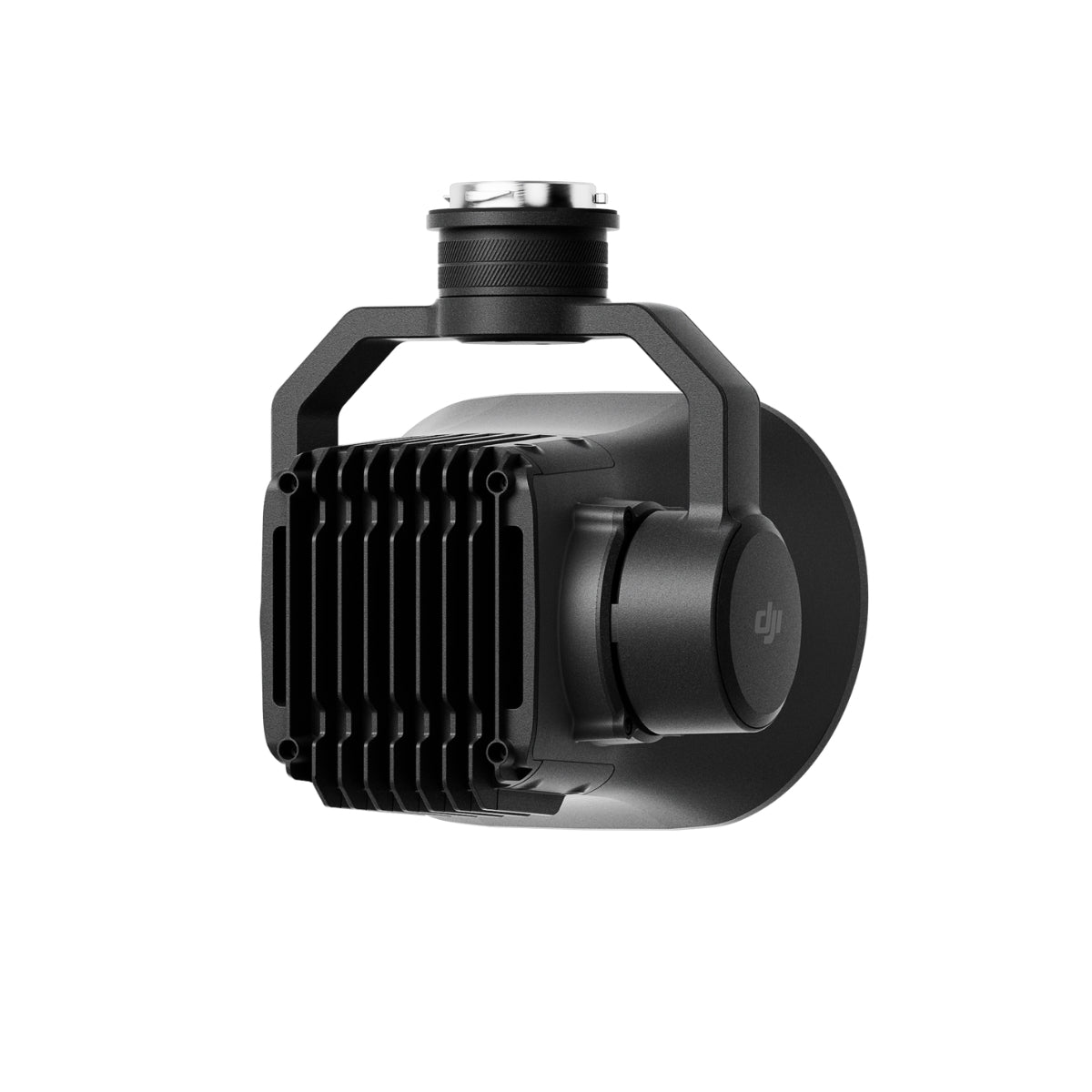
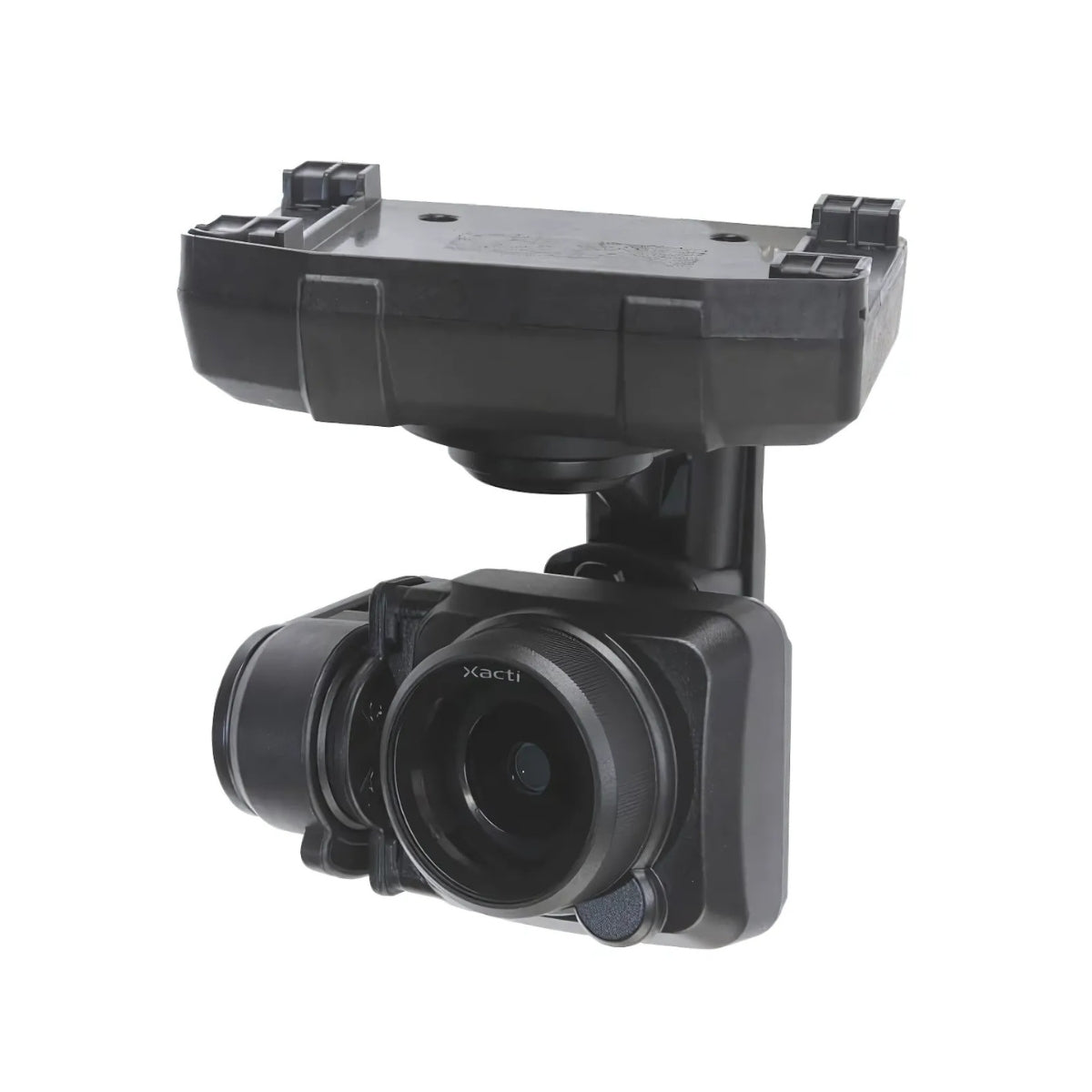
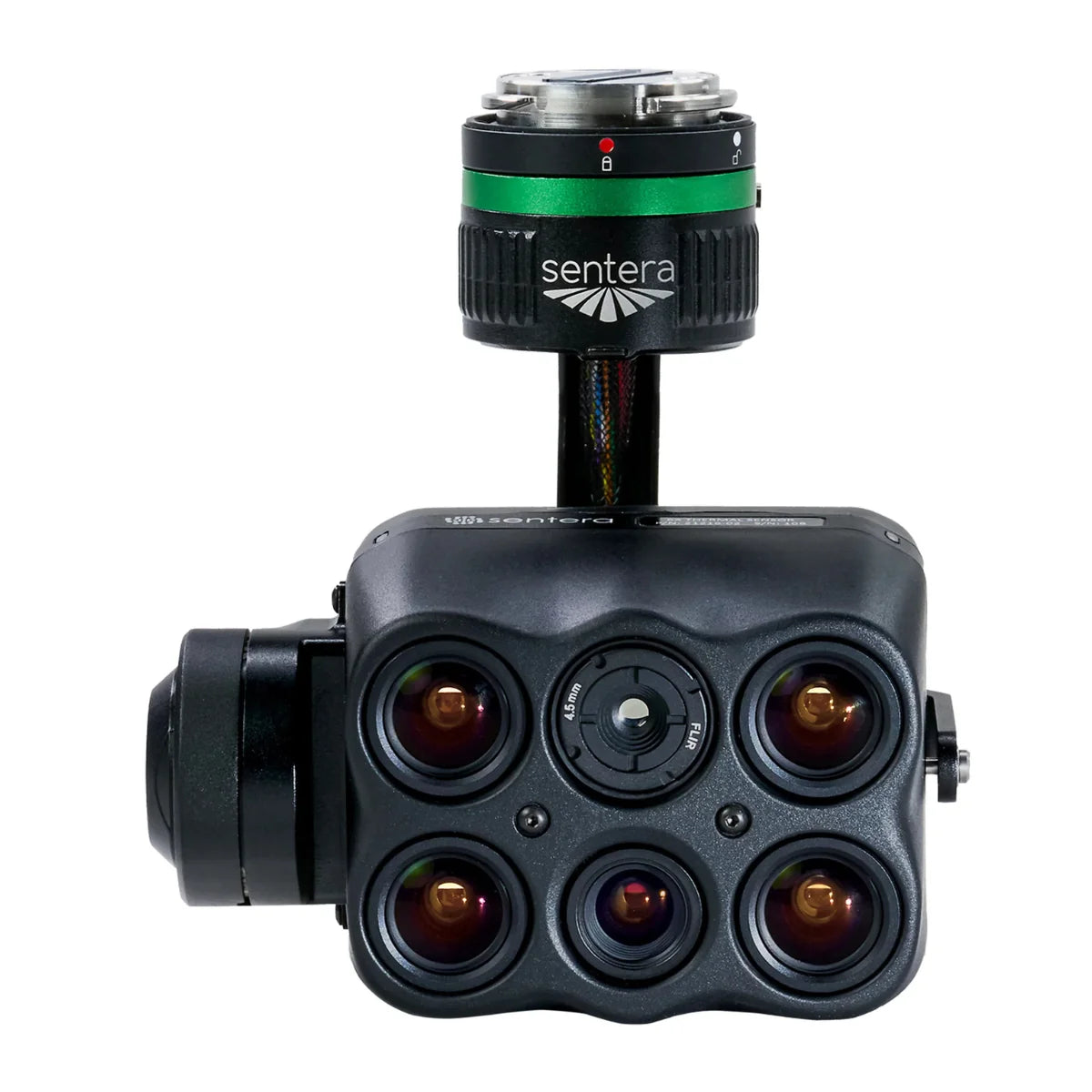
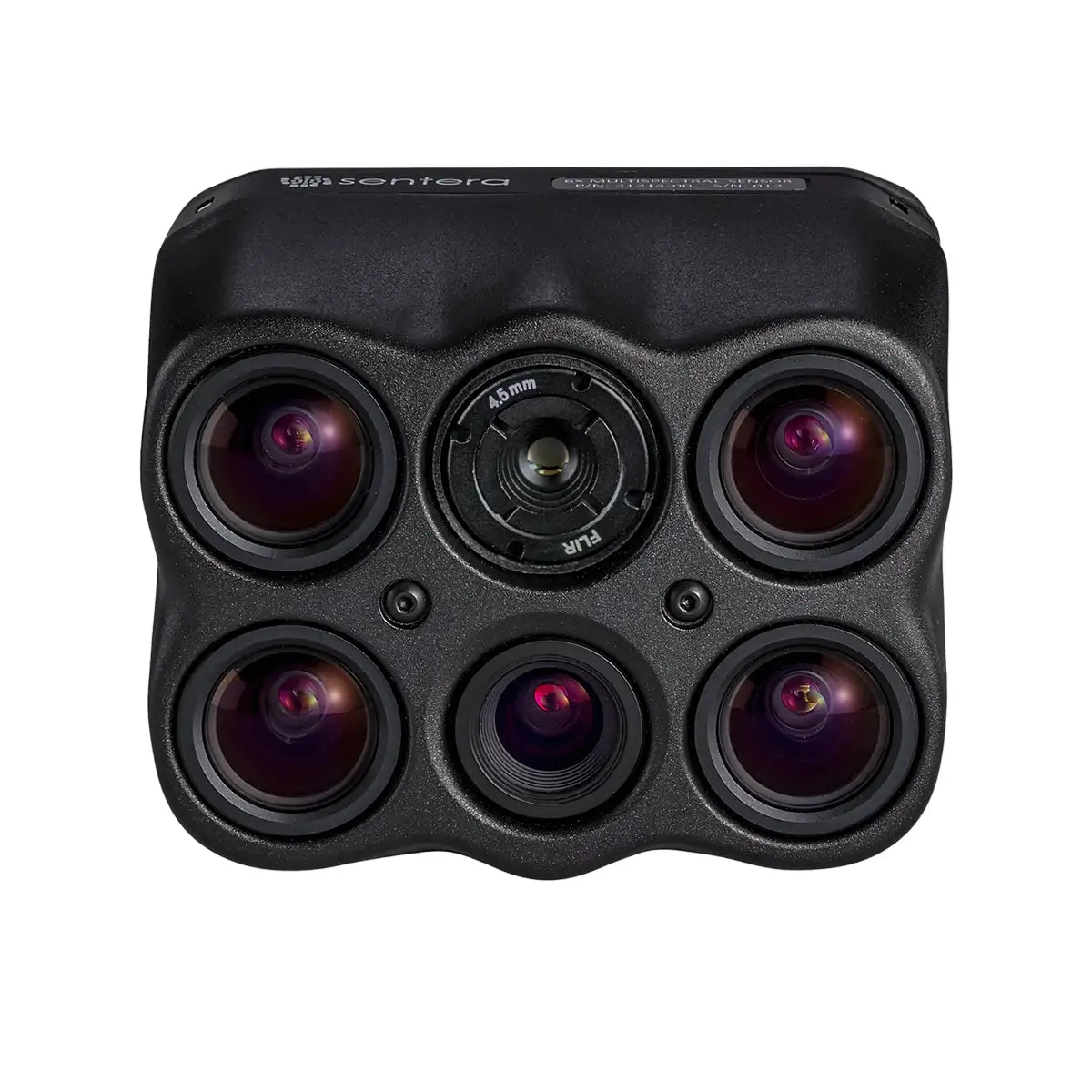
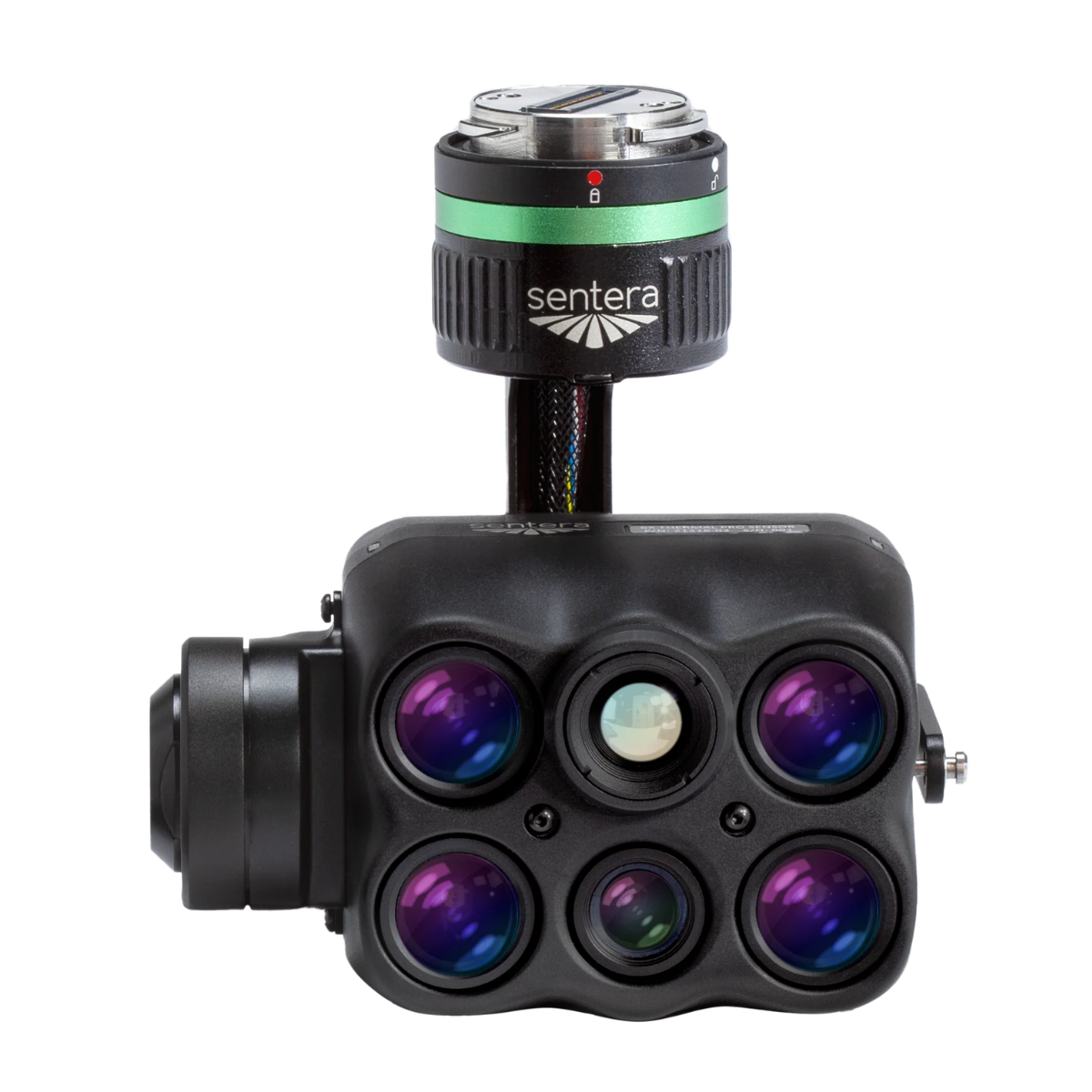
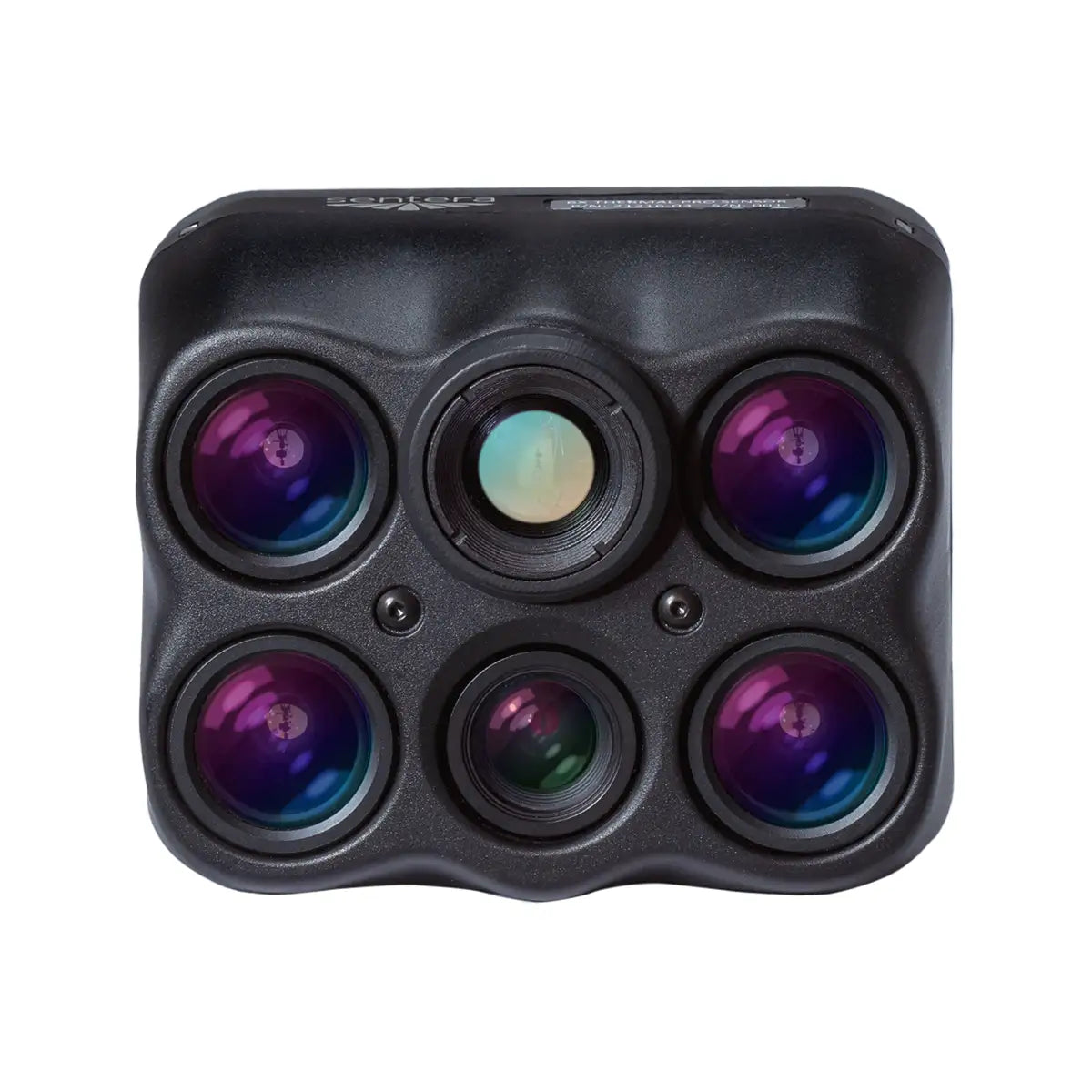
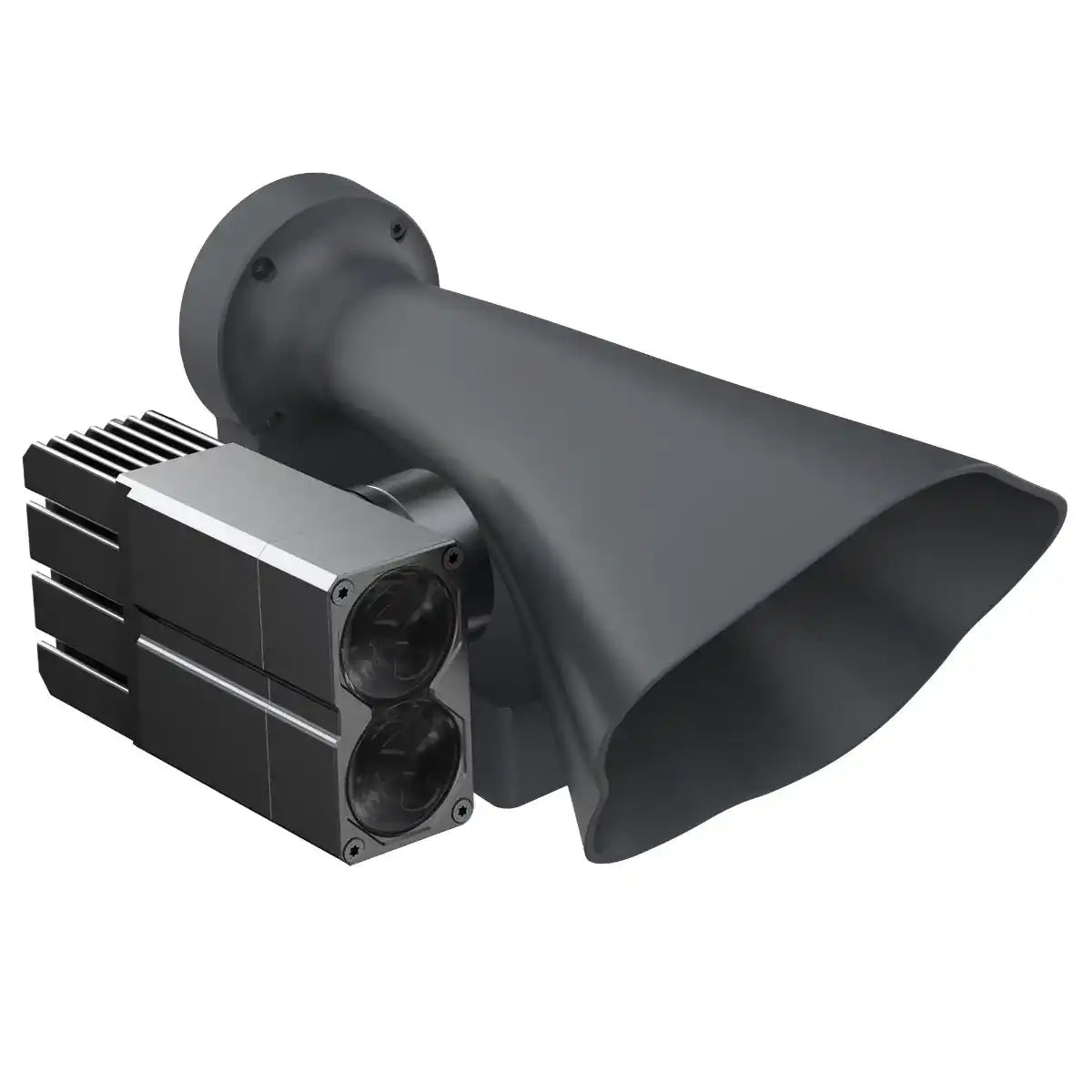
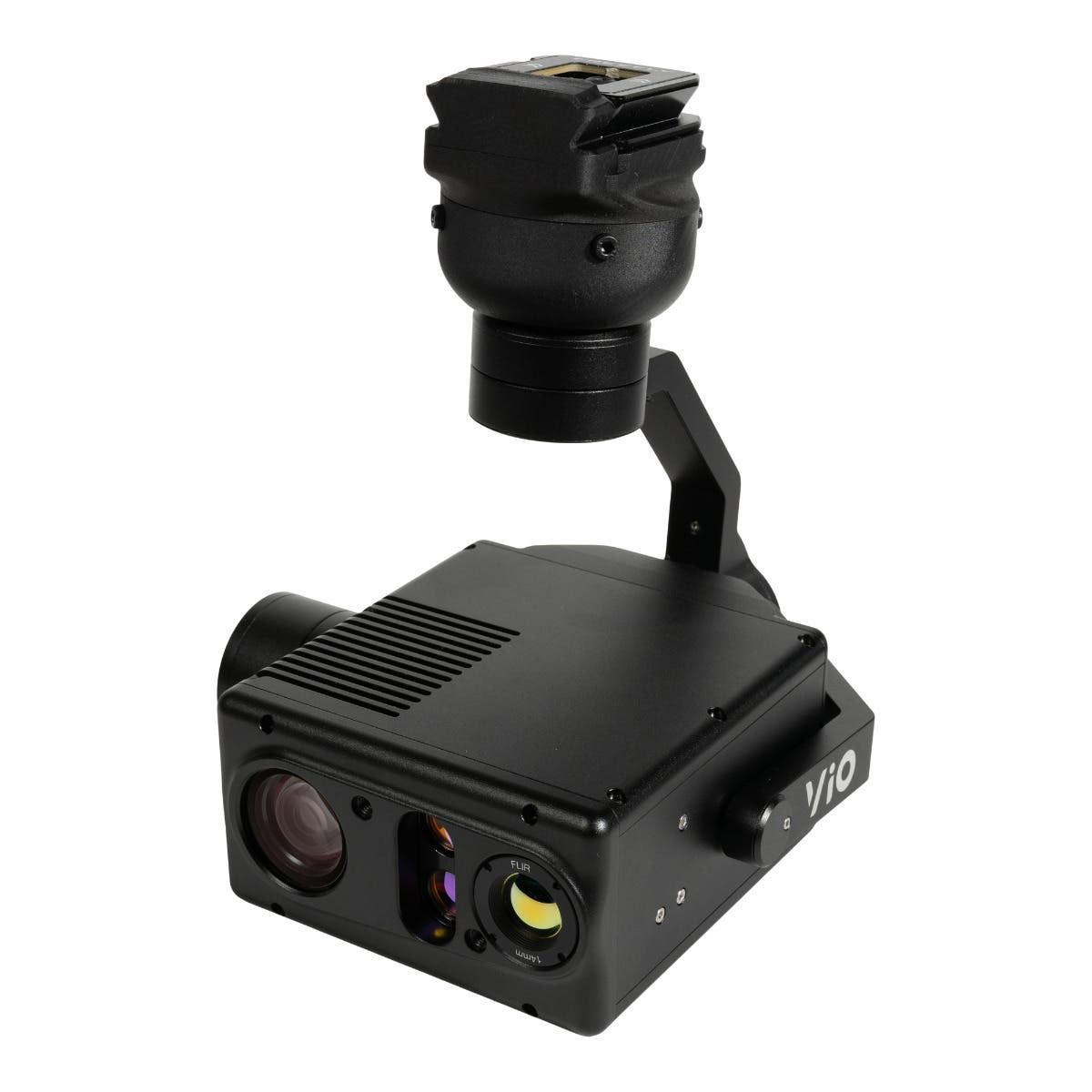
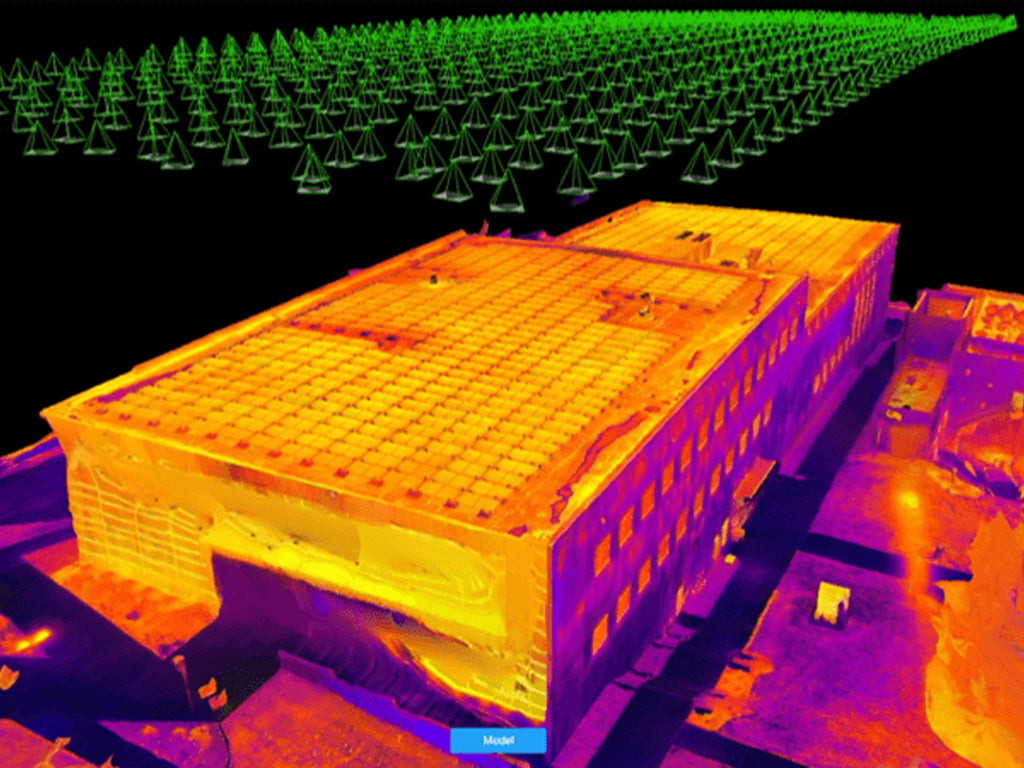
Search and rescue teams benefit a lot from the applications of thermal imaging in drones. Forward-looking infrared (FLIR) cameras detect infrared, or thermal (heat) radiation, emitted from a heat source, and then put together a video image with the assembled data. The heat source could be something like an engine, a fire, or a warm body. In SAR missions, this means that as long as there is a living body emitting heat, the infrared camera will pick up the image, night or day, allowing operators to spot the person in distress. This also means that infrared cameras would be less useful in picking one person out of a crowd, in which case a zoom camera would be the tool of choice.
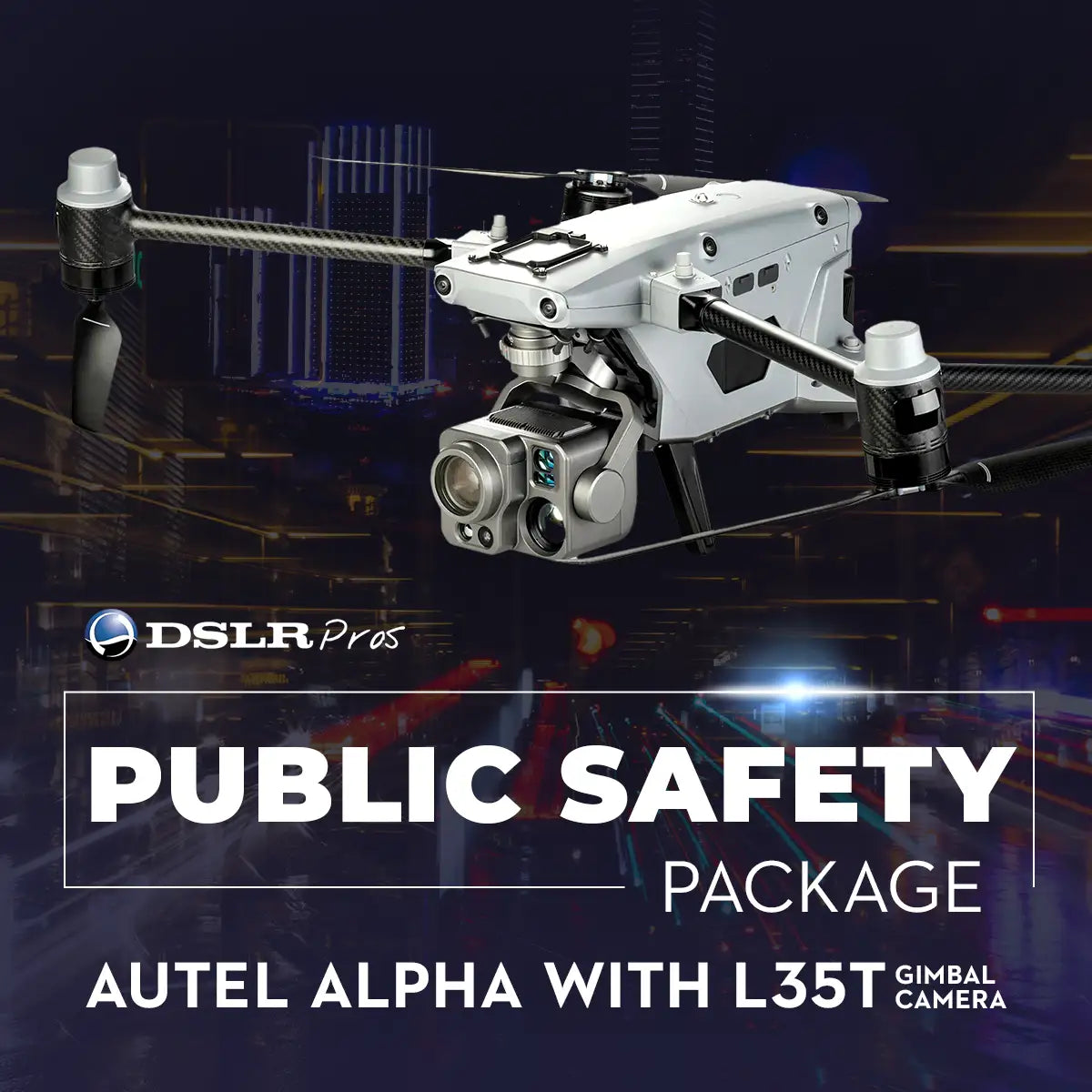
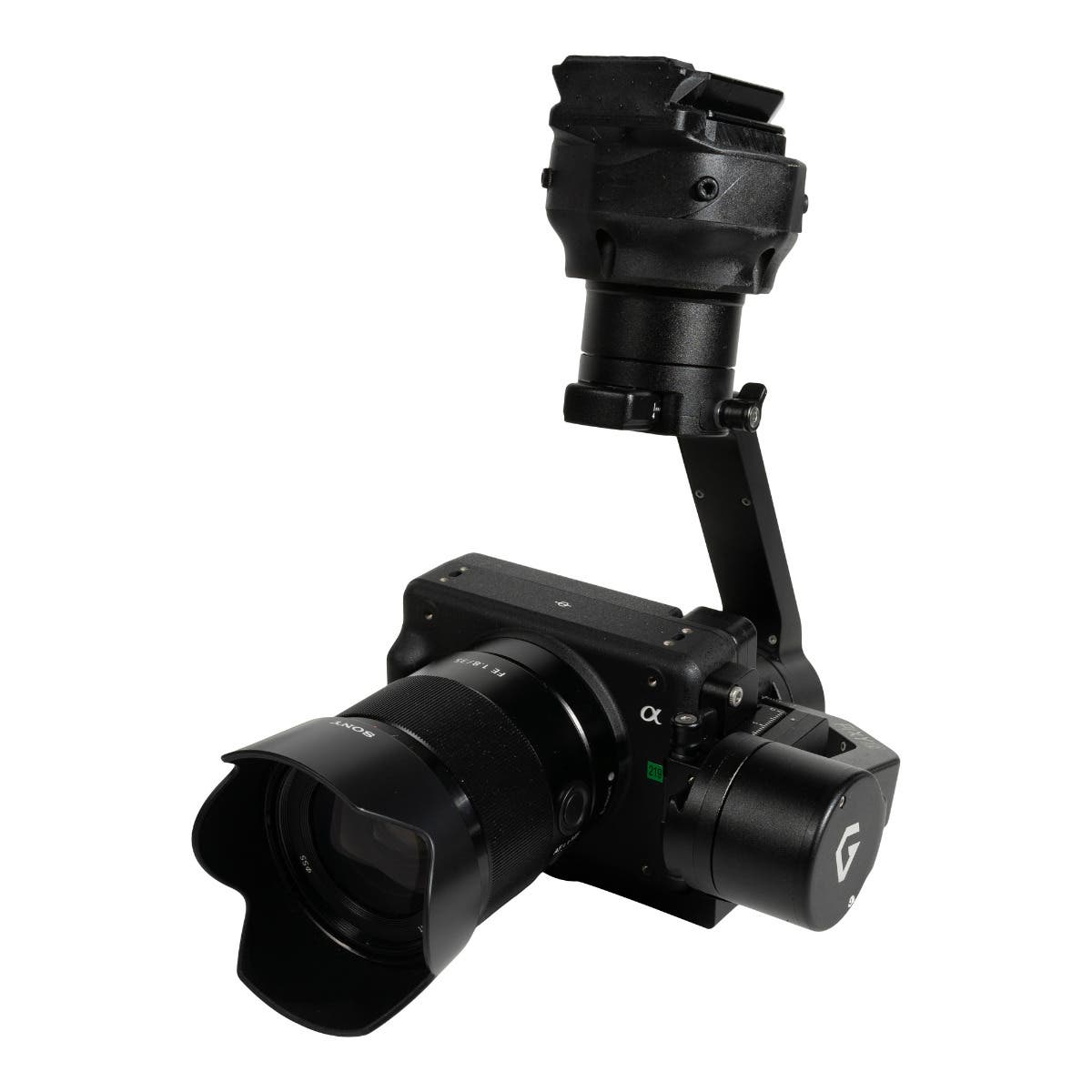
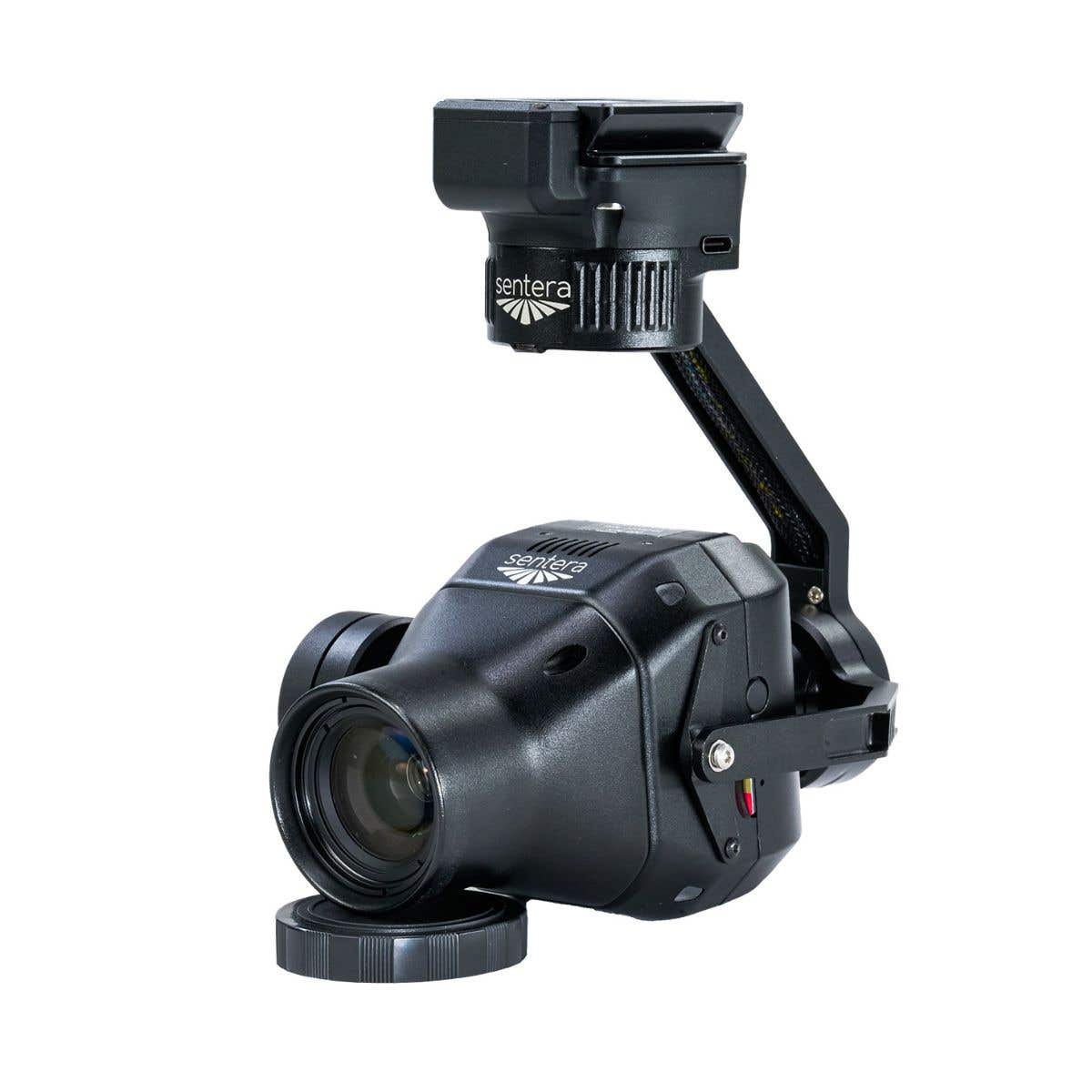
Successful drone rescue missions may not always run smoothly as the surrounding environment itself could pose challenges. In cases, for instance, of missing hikers, where large areas of territory need to be covered in the search and rescue operation, animal bodies emitting heat could be a potential confounding factor. However, most infrared cameras produce a clear enough image, usually aided by digital image processing, to give a fairly accurate idea of the shape of the body in view. A 4K camera and an infrared camera would commonly both be installed on a SAR drone, to allow the operators to select the most useful tool in a given situation.
Drone technology alone isn't enough—effective deployment in search and rescue missions also depends on the skill and preparedness of the operator. Understanding how to read thermal data, navigate challenging terrain, and make fast, informed decisions are critical in time-sensitive rescue scenarios. To learn more about what it takes to operate drones in SAR missions, including essential skills and training requirements, check out our guide: Drone Training and Skills Required for Search and Rescue Operations.
Every moment counts in search and rescue missions. Find the perfect drone to optimize your operations, and for any queries, reach out to us! Call (877) 299-1075/(213) 262-9436or drop us a line on sales@DSLRPros.com.
DSLRPros SAR Drone Solutions Built for Real-World Rescue
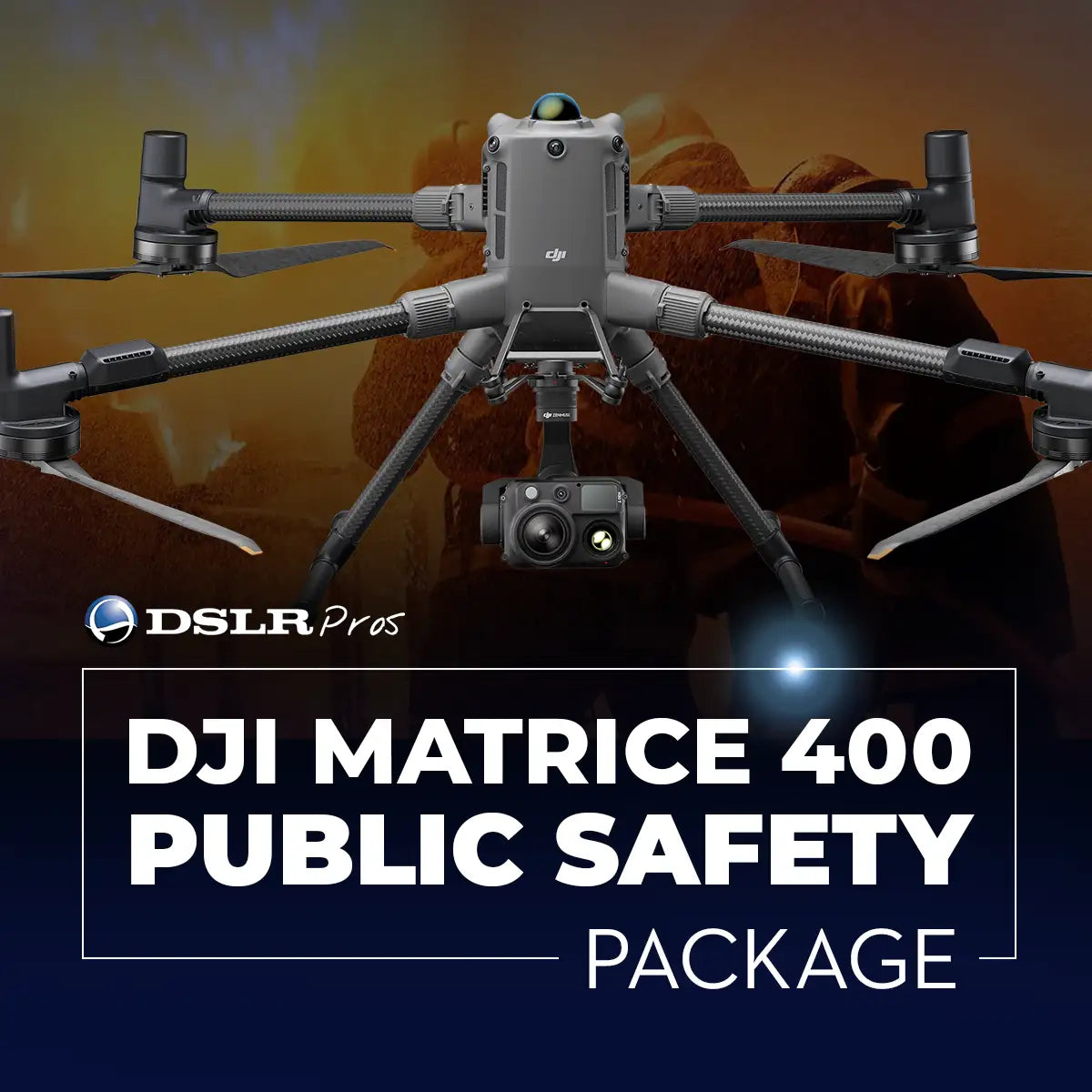
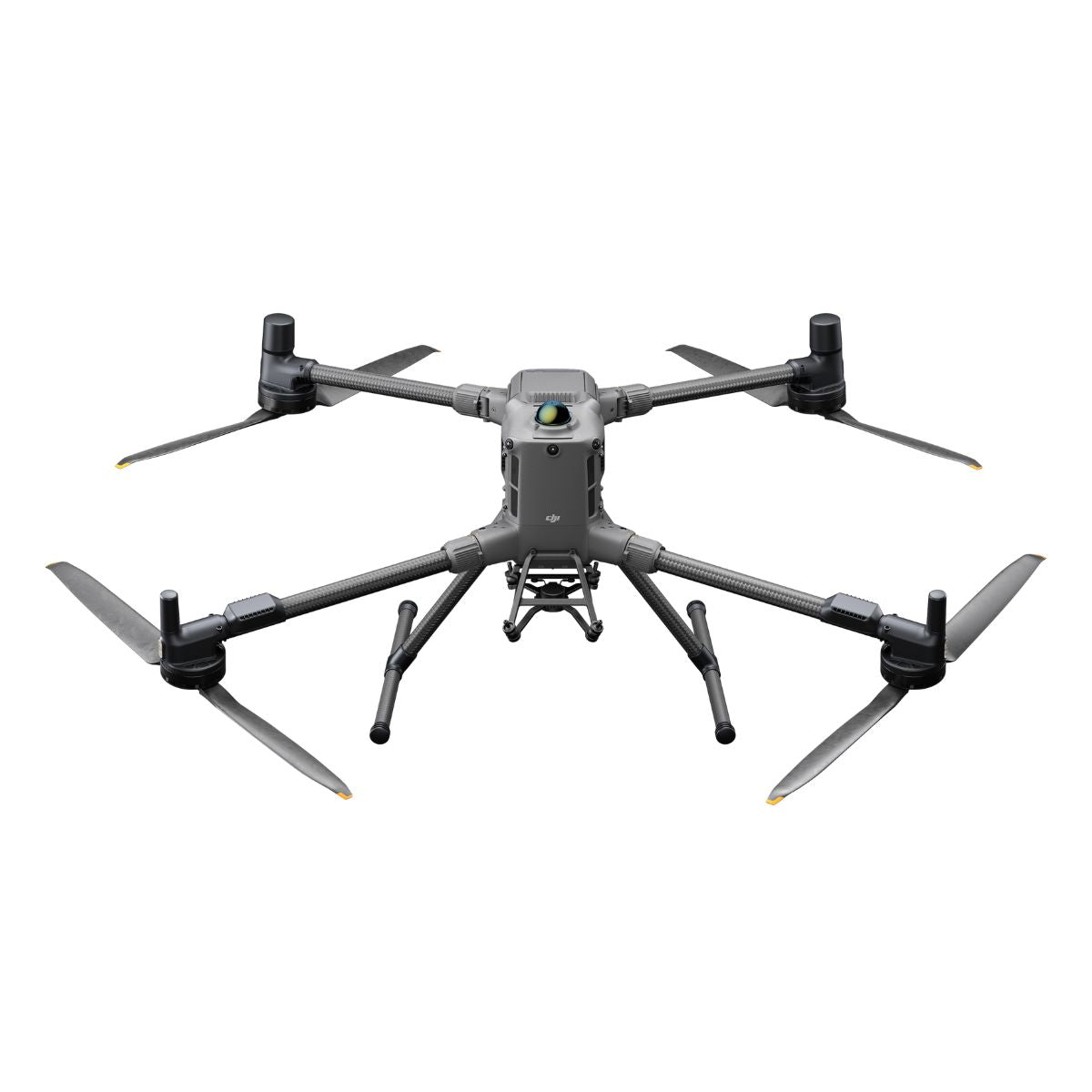
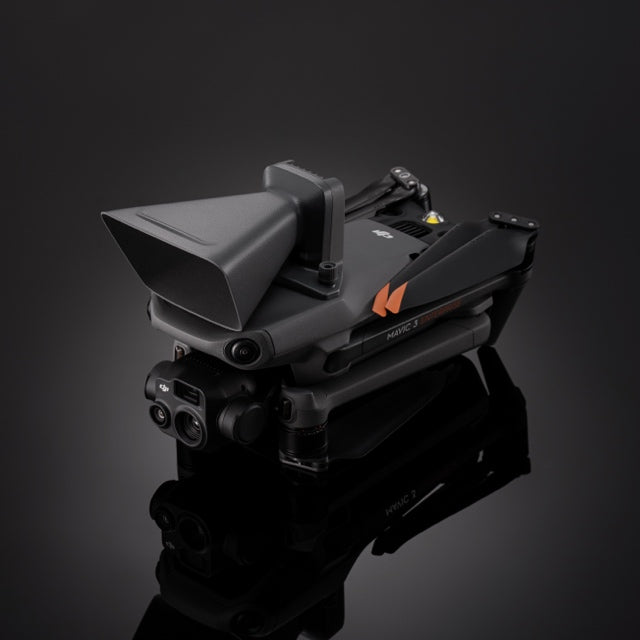
Search and rescue teams rely on speed, clarity, and precision. The DJI Matrice 4 Series brings that—and more. Engineered for high-stakes aerial support, it offers advanced sensors, smart flight features, and rugged reliability built for SAR missions.
Real-Time Visibility in Critical Moments
The DJI Matrice 4 delivers stable, high-definition video through O3 Enterprise Transmission, giving SAR teams immediate situational awareness across large, rugged areas—urban zones, dense forests, and remote cliffsides where ground visibility is limited or nonexistent.
Live Mission Recording enables post-mission review, while AI Spot-Check automates repeatable flight paths for grid searches and perimeter sweeps. With up to 20 km of stable signal range, the Matrice 4 keeps responders connected—no guesswork, just real-time intel when it counts.
Built to Withstand Harsh Rescue Conditions
Search and rescue doesn’t pause for bad weather—and neither does the Matrice 4. Built to operate in temperatures from -20°C to 50°C, it features an IP-rated airframe that resists water, dust, and debris. Dual hot-swappable batteries extend mission time, while obstacle sensing in all directions ensures safe flight through complex environments. Whether flying through wildfire smoke or above collapsed structures, the Matrice 4 stays mission-ready.
Thermal + Zoom Payloads for Day or Night Missions
Visibility shifts fast. The Matrice 4 adapts with support for up to three payloads per flight—no need to land, swap, or reset mid-mission. Choose between the following models:
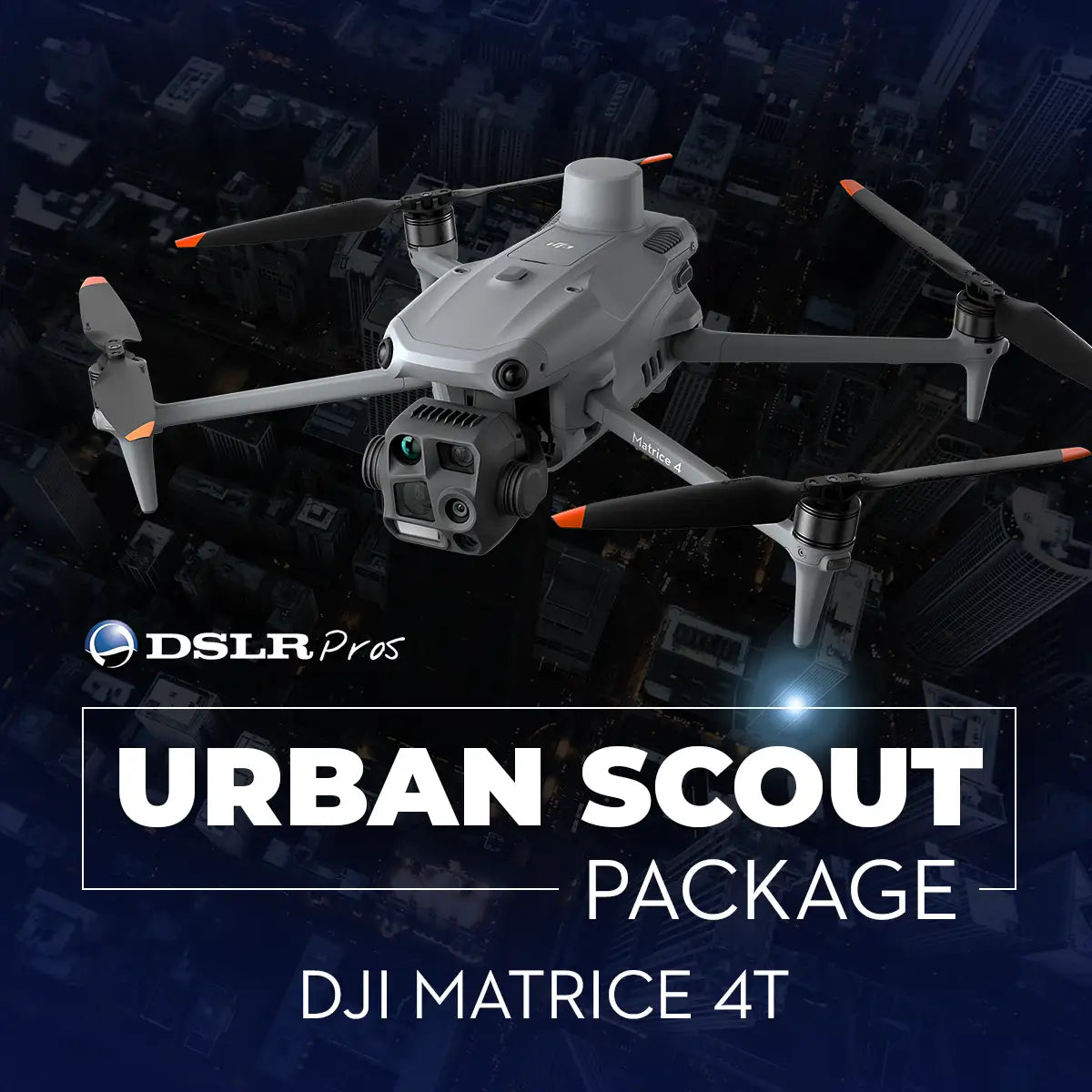
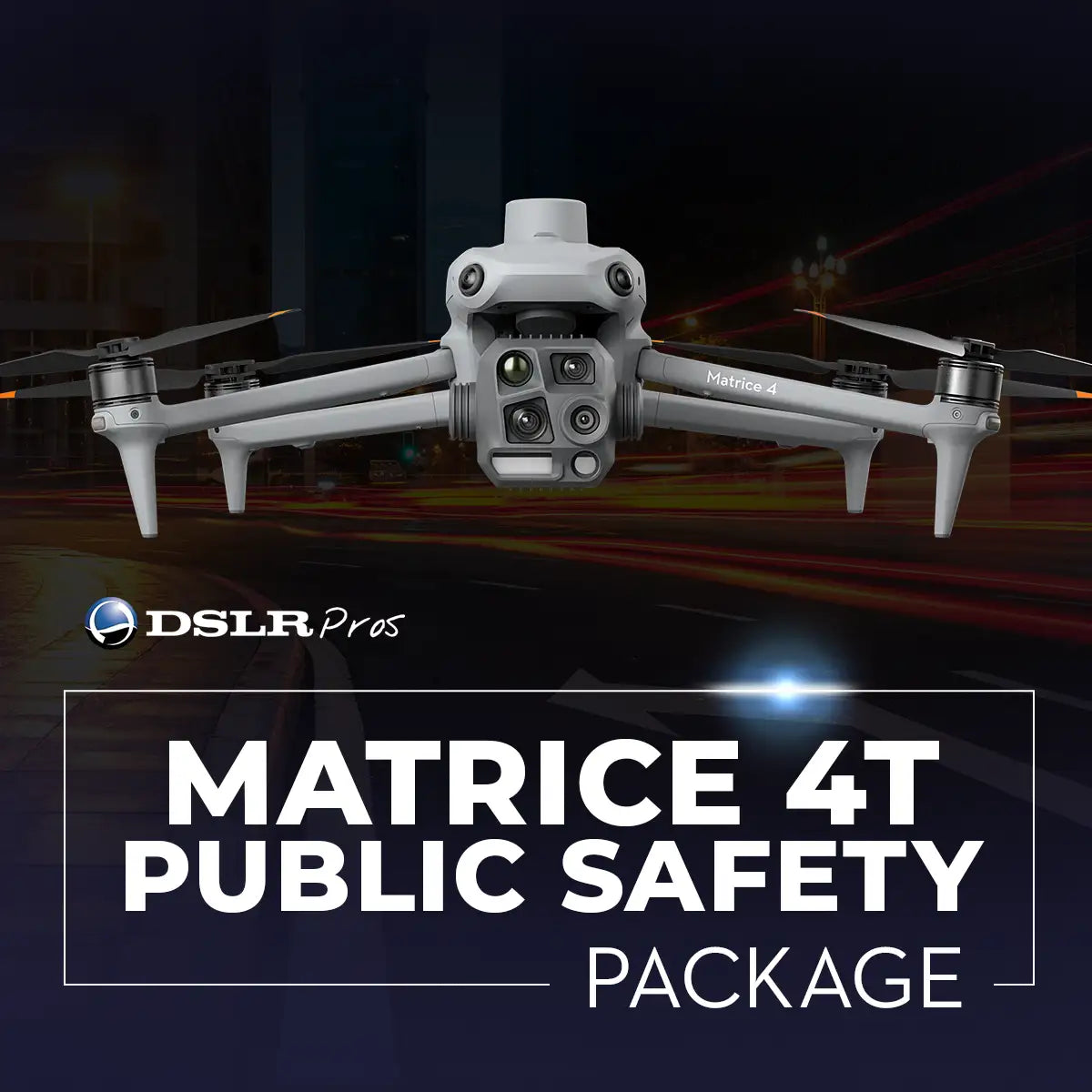
DJI Matrice 4T
- H30T camera with 640×512 thermal, 4K zoom, and laser rangefinder
- Ideal for missing person searches, night operations, and SAR in dense terrain
DJI Matrice 4E
- H30 camera with wide-angle, zoom, and laser ranging
- Strong for daylight missions, post-disaster documentation, and large-area scans
Both models work seamlessly with DJI Pilot 2 for full control and precise tracking.
Automation That Lightens the Load
The Matrice 4’s automation features streamline every mission. Waypoint 3.0 ensures consistent, GPS-locked search patterns, while Terrain Follow maintains a steady altitude—even across uneven ground.
AI Route Planning adapts flight paths in real time to avoid obstacles, and RTK positioning delivers centimeter-level accuracy for mapping or evidence collection. The result: less pilot fatigue, more reliable data, and fewer errors in high-pressure situations.
The DJI Matrice 4 for search and rescue drones is a no-compromise platform for life-saving missions. Thermal imaging, zoom optics, and smart automation—ready when time isn’t on your side.
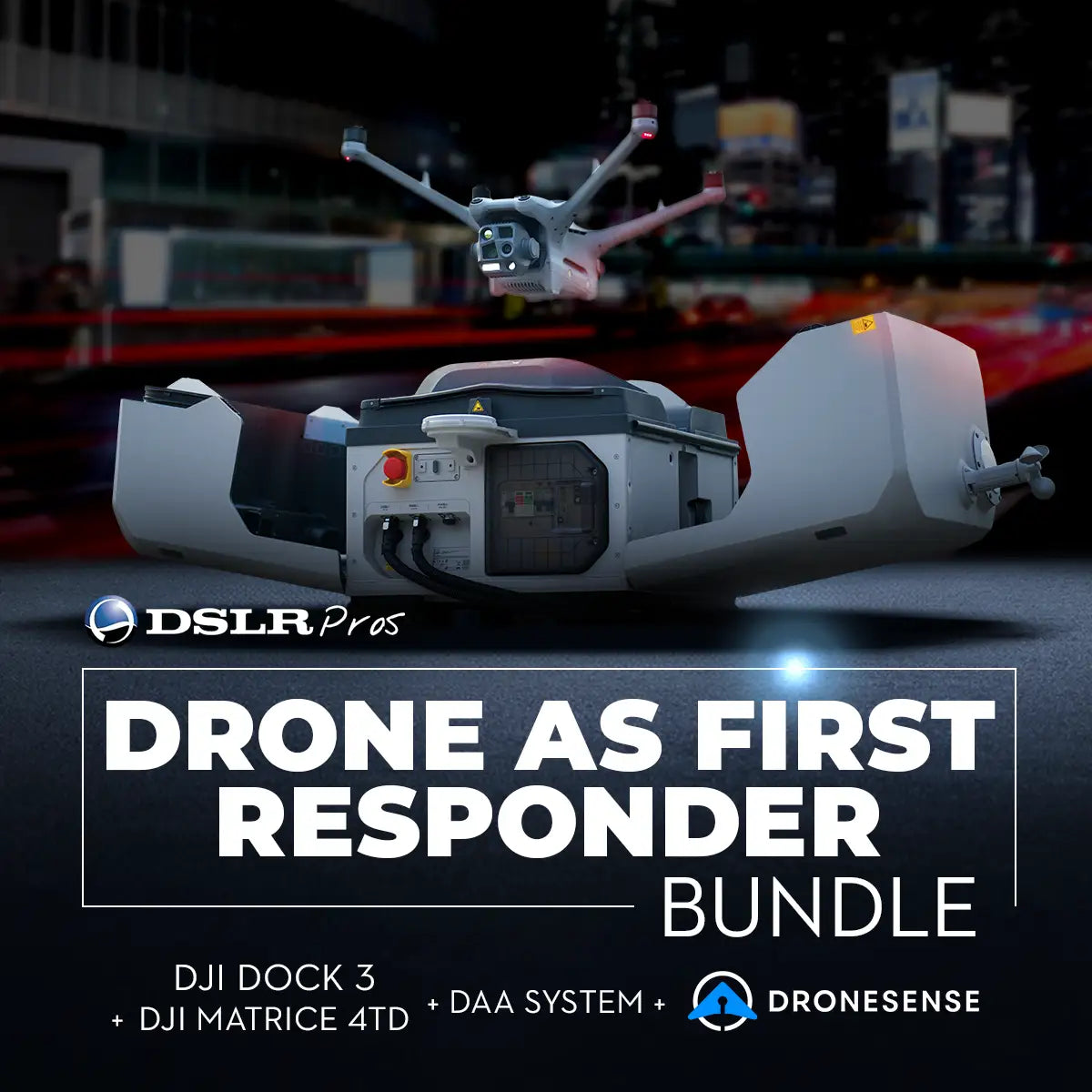
When seconds count, manual drone prep isn’t fast enough. The DJI Dock 3 brings full automation to search and rescue (SAR) operations, delivering persistent aerial coverage, real-time intelligence, and round-the-clock readiness—without needing a pilot on site.
Fast, Hands-Free Deployment in Crisis Situations
SAR missions don’t wait, and DJI Dock 3 doesn’t ask you to.
Once deployed, Dock 3 handles the heavy lifting: autonomous takeoff, precision landing, smart battery charging, and seamless data upload. Linked to DJI FlightHub 2, the system gives remote operators full visibility and control—live streaming video, managing fleets, or launching new missions from command posts miles away. Its 32-minute recharge cycle minimizes downtime between sorties.
For high-pressure emergencies, Dock 3 ensures your drone’s already airborne—so your team doesn’t have to be.
Designed for the Harshest Environments
Disasters rarely happen in ideal weather. DJI Dock 3 is built for that reality.
An IP55 rating protects the enclosure against water, dust, and debris. Dock 3 operates in temperatures ranging from -25°C to 45°C. Its active climate control maintains optimal conditions for internal systems and drone batteries, preserving performance in the middle of a storm or heatwave.
This is more than field equipment—it’s a permanent, rugged SAR solution.
Compact Footprint, Full Capability
At 75% smaller than its predecessor, DJI Dock 3 is highly portable—without compromise.
It fits easily on rooftops, mobile units, or temporary SAR bases. With built-in antennas, weather sensors, and backup power, it’s designed for standalone deployment in isolated areas or forward operating zones.
You can move it fast. And once in place, it’s always mission-ready.
Dock 3 Search and Rescue Bundles: Built for the Job
DSLRPros now offers Dock 3 bundled with specialized Matrice platforms to meet search and rescue demands.
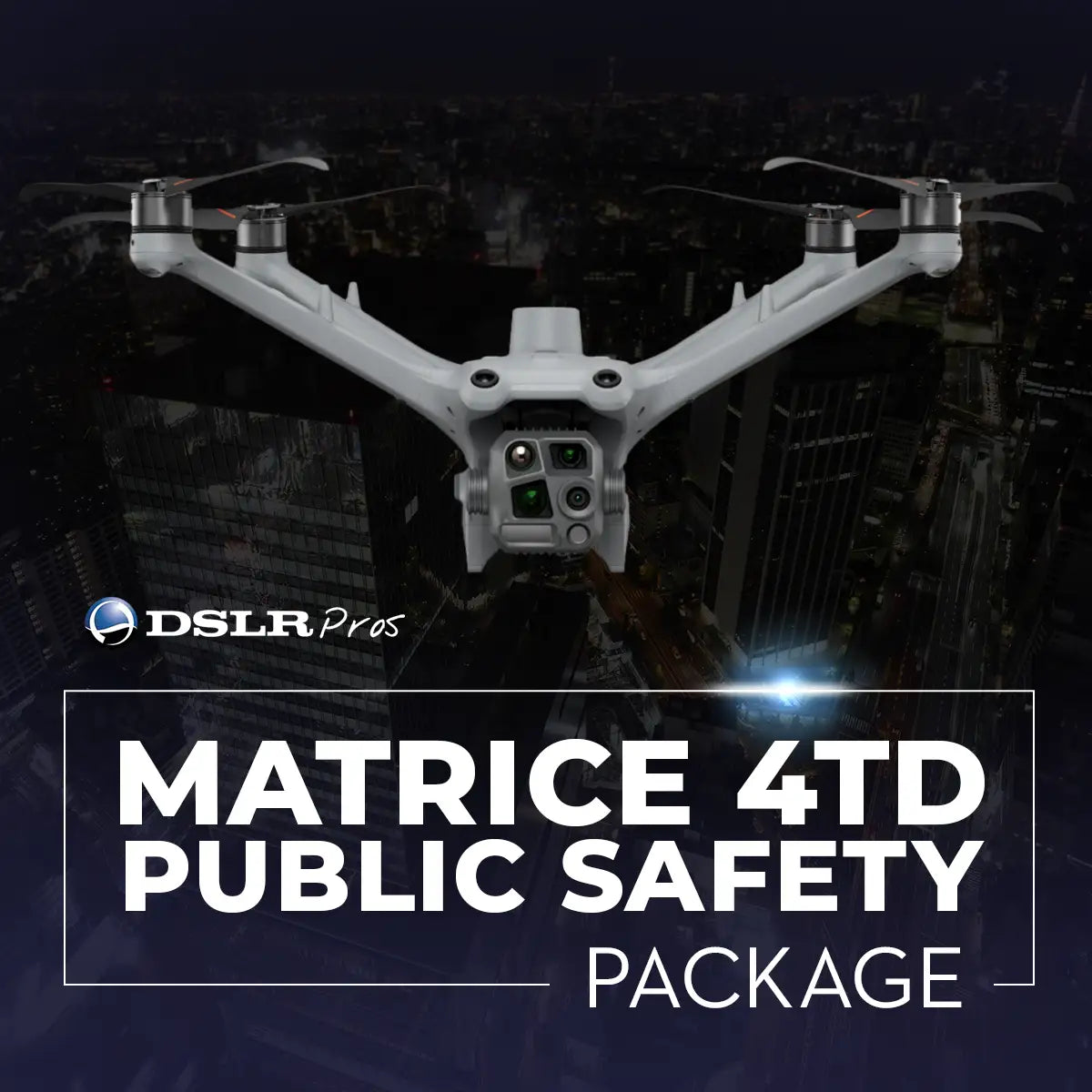
- DJI Dock 3 + Matrice 4TD
Paired with the Matrice 4TD, this bundle combines wide, zoom, and thermal imaging with a laser rangefinder—essential for locating heat signatures, pinpointing distances, and maintaining visibility in smoke or low-light terrain. Supports real-time transmission via FlightHub 2 and includes DJI Care Enterprise Plus for added protection.
Search Smarter. Respond Faster. Deploy Safer.
DJI Dock 3 for search and rescue drones changes the game. It turns every drone mission into a remote-controlled, always-ready response—automating workflows and accelerating outcomes when time is tight and visibility is limited.