Speak With A Disaster Response Drone Expert

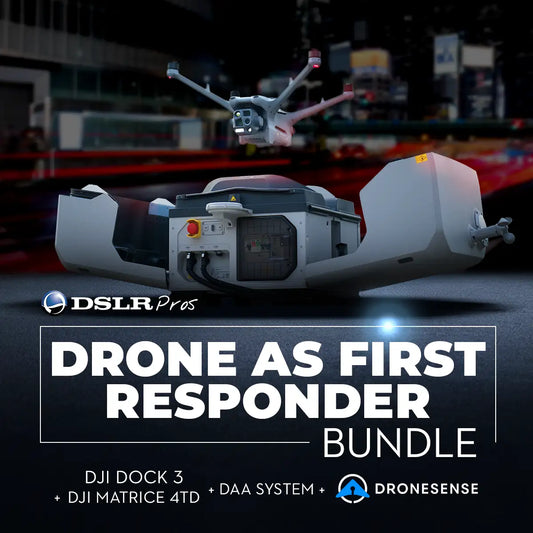
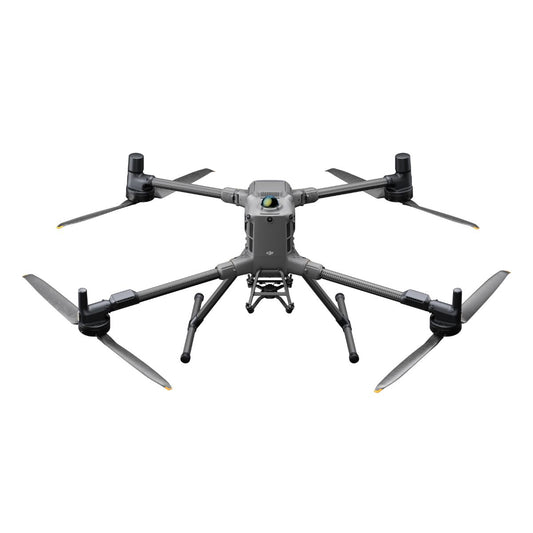
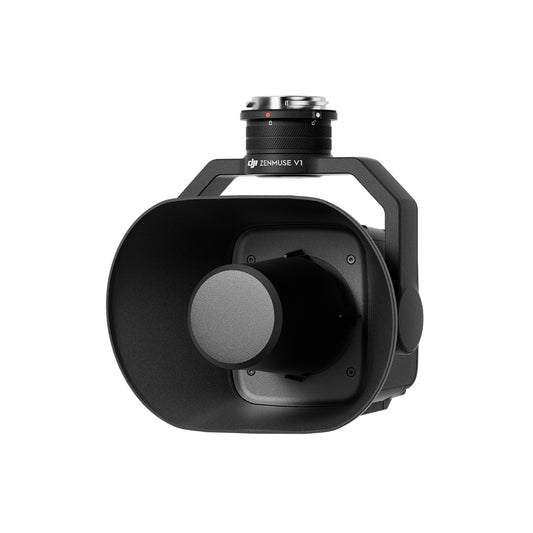
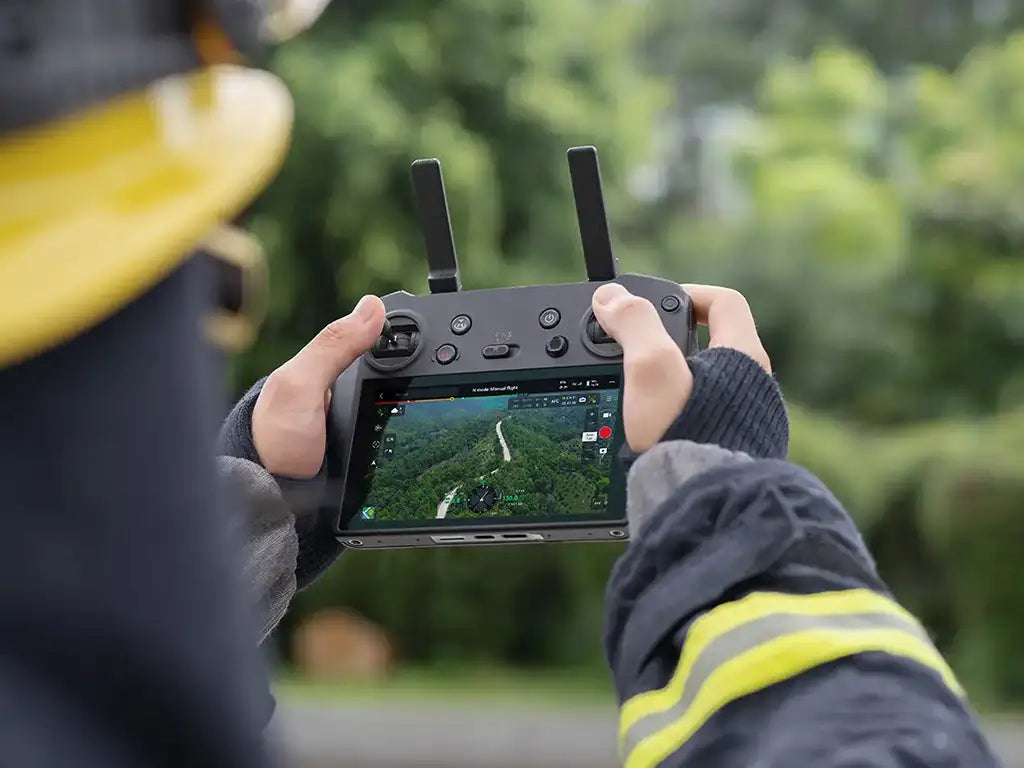
Disaster response drones provide real-time visibility and actionable data during emergencies—whether it’s a wildfire, flood, hurricane, industrial accident, or search-and-rescue mission. Built for high-risk, time-sensitive operations, these systems help teams assess damage faster, locate survivors, monitor hotspots, and coordinate response efforts while keeping personnel out of harm’s way. At DSLRPros, we offer mission-ready solutions tailored for emergency teams. The DJI Matrice 400 paired with the Zenmuse H30T delivers long-endurance performance with advanced thermal, zoom, and rangefinding capabilities for wide-area coverage and detailed incident intelligence. For rapid deployment and portable response, the DJI Matrice 4 Series is a compact option that still provides strong thermal visibility in the field. And for automated remote operations, the DJI Dock 3 + Matrice 4TD/4D enables always-ready, autonomous launch and real-time situational awareness—ideal for ongoing monitoring and fast-moving incidents. Need help choosing the right setup? Speak with our team or request a quote today to build a disaster response drone solution that fits your mission.

  • Quick Assessment

    Emergency response drones can be dispatched immediately post-disaster. They provide a rapid overview, allowing responders to assess the scale and severity of the damage without delay.

  • Safety First

    In situations where it's risky for human teams to enter, drones for disaster response ensure that evaluations can be made safely from the air, minimizing human exposure to dangers.

  • Cost-Efficient

    Drone disaster response efforts are generally more cost-effective than deploying helicopters or larger manned aircraft. This results in budget savings and more resources for the affected.

  • Versatile Imagery

    With high-resolution cameras and thermal imaging, drones capture detailed photos and videos, enabling authorities to locate victims, fires, or gas leaks even in challenging conditions.

  • Access Remote Areas

    Drones easily navigate to hard-to-reach places, proving invaluable in vast landscapes or congested urban settings where traditional vehicles might struggle.

  • Real-Time Feedback

    Streaming live footage, drones provide instant information to command centers, ensuring that decisions can be made on the spot, optimizing the drone emergency response.

  • Long Operation Hours

    Many drones have significant flight times, allowing for extended surveillance and monitoring without frequent returns to base.

  • Enhanced Communication

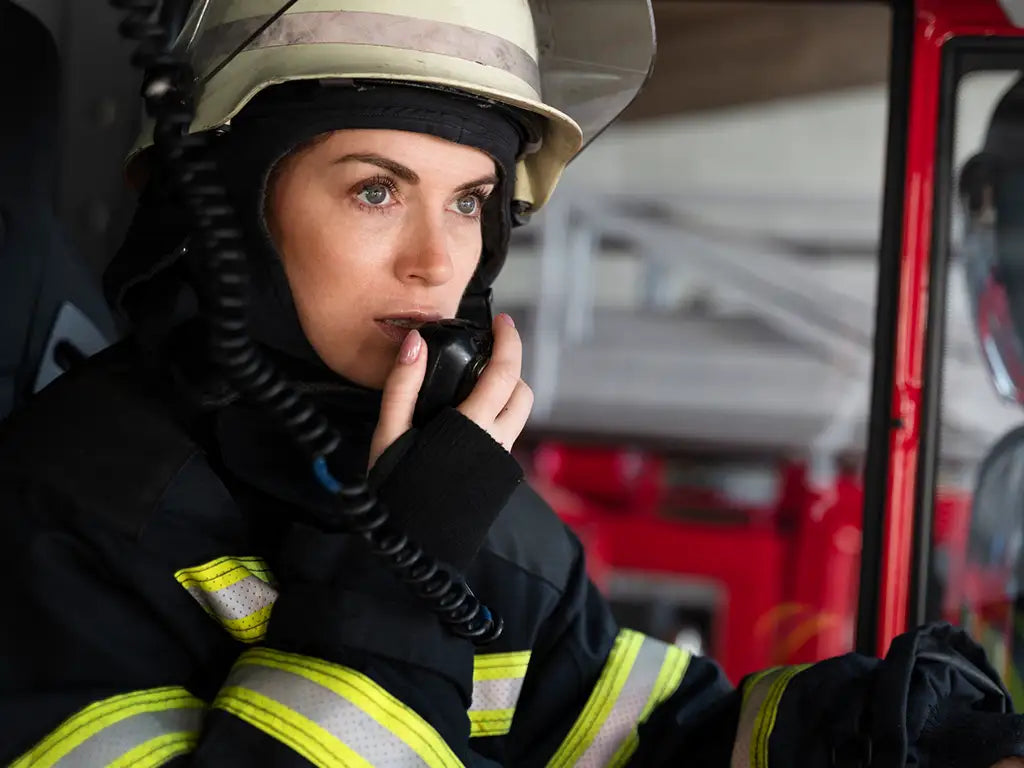
    Drones can serve as communication relays, especially when conventional communication infrastructures are damaged or overloaded.

  • DJI Matrice 4T Worry-Free Plus Combo

    Environmental Analysis

    Drones for disaster response and relief operations can also monitor environmental changes, detecting potential secondary hazards like gas leaks or landslides.

  • Supply Delivery

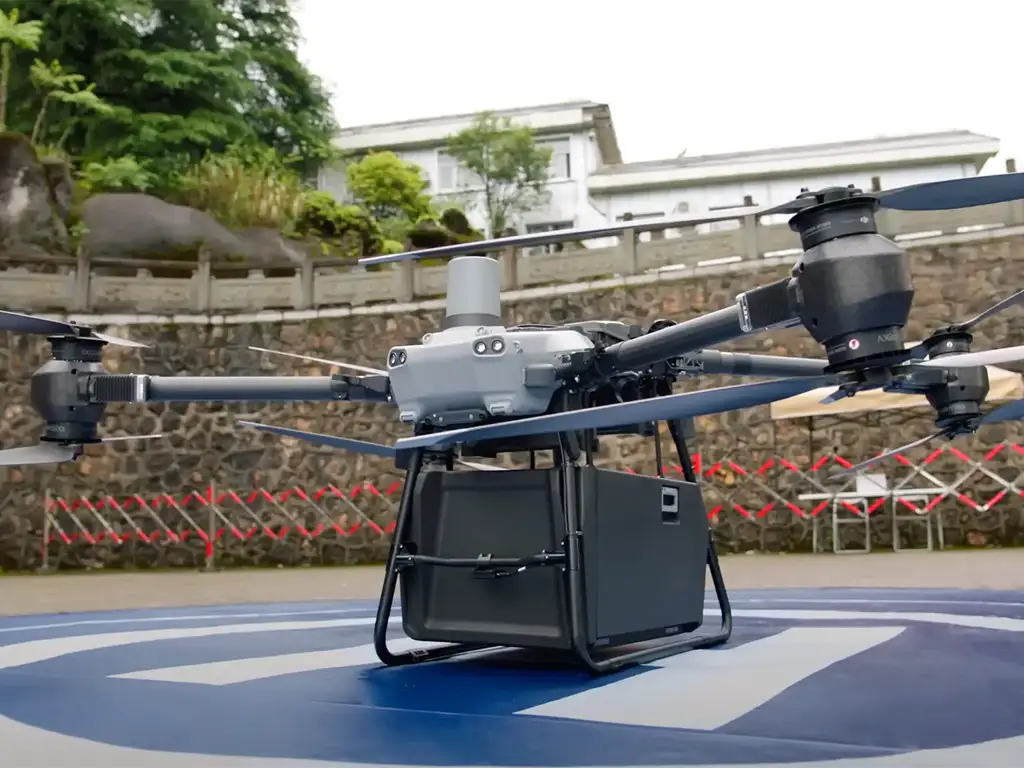
    In situations where immediate delivery of medical supplies or essentials is needed, drones can swiftly transport goods, especially to remote or isolated victims.

1 of 10
  • Search and Rescue

    SAR missions demand speed, precision, and safety. Drones for search and rescue can quickly cover large areas or navigate the intricate confines of collapsed buildings with ease. Their high-res cameras and thermal imaging features spot heat signatures, helping find people who might be trapped or lost. By providing real-time visuals to rescue teams, they have a better shot at finding victims and staying safe while doing it.

  • Fire Monitoring

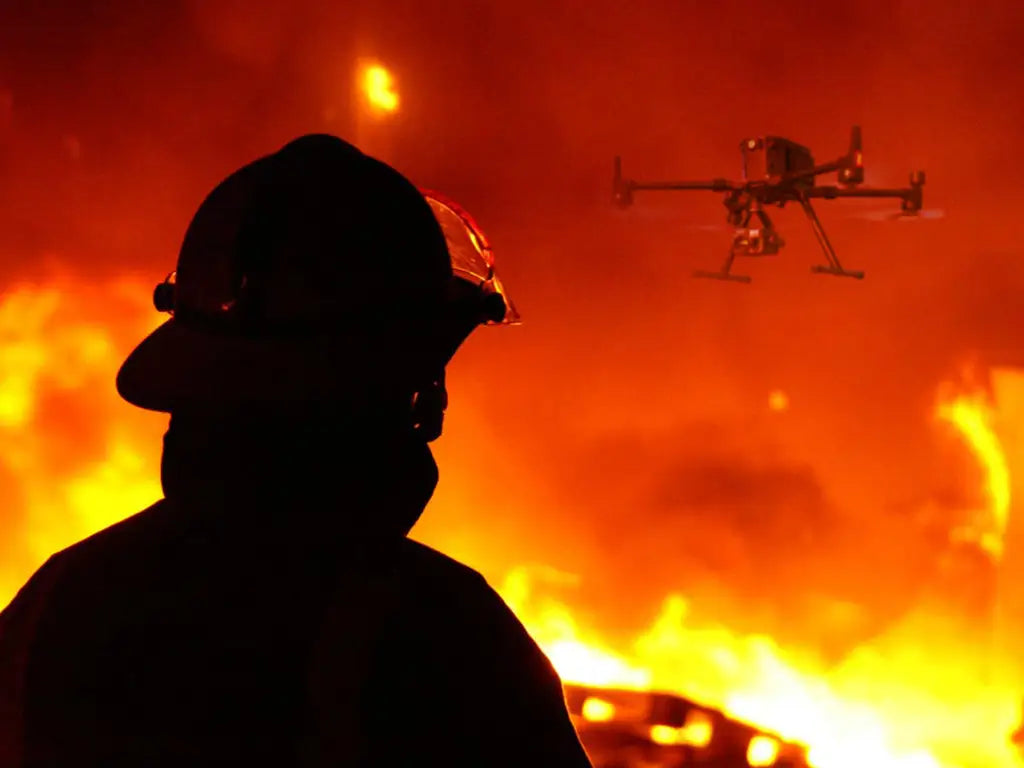
    When equipped with thermal imaging cameras, drones can detect hotspots that might not be visible to the naked eye, enabling firefighters to identify areas most at risk of igniting or spreading. Incident commanders get to keep track of how the fire's moving, adapt strategies on the fly, and allocate resources more effectively.

  • Flood Analysis

    Drones, when flown over flooded or potentially flood-prone areas, can quickly and accurately measure water levels and monitor the flow rates of rivers or streams. That way experts can model and predict the potential path of a flood, highlighting areas most at risk. As a result, communities can receive early warnings and implement preventive measures, significantly reducing the impact and ensuring the safety of residents in danger zones.

  • Infrastructure Inspection

    Post-disaster, drones with high-resolution cameras and sensors, can quickly survey and inspect structures like bridges, roads, and buildings from various angles. Their ability to capture detailed images and data allows experts to see what's damaged, what might break next, and what needs fixing ASAP.

  • Hazardous Material Detection

    Industrial disasters can result in the discharge of a range of harmful substances that pose both immediate and extended risks. Drones, equipped with advanced sensors, can swiftly be sent out to identify materials such as toxic chemicals, flammable gases, biohazardous agents, and corrosive liquids, even in trace amounts. This enables response teams to implement effective containment measures, notify the surrounding community, and arrange timely evacuations when necessary.

  • Mapping and Damage Assessment

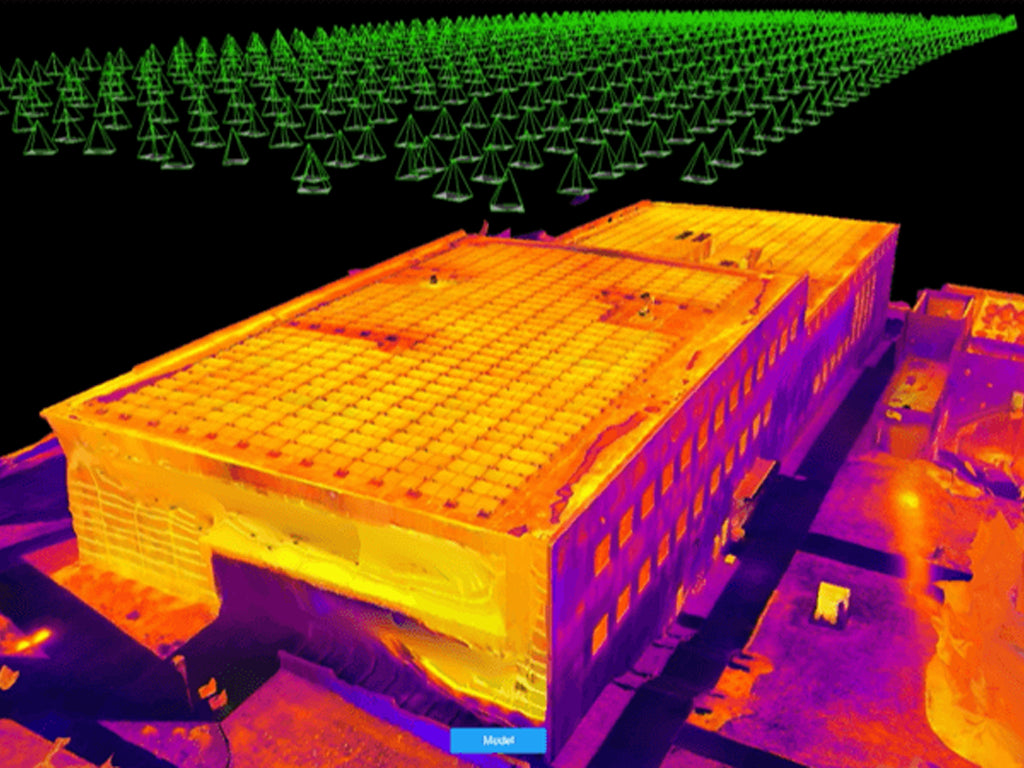
    The aerial vantage of drones, coupled with high-resolution cameras, enables disaster response teams to chart out detailed maps of the affected areas, capturing the nuances of damage that might be missed from the ground. These detailed visuals, available in real-time, aid in quantifying the extent of devastation and identifying the most critically impacted zones. Such precise data ensures that resources for relief and reconstruction are allocated judiciously, speeding up recovery while ensuring no area is overlooked. See how drone technology played a vital role in real-world disaster recovery efforts in the NYPD’s response to a major earthquake: Read the full story

  • Medical Supply Delivery

    Medical emergencies during disasters are amplified when accessibility becomes a challenge. Drones, with their nimble maneuverability, can be used to deliver vital medical supplies such as blood, vaccines, or life-saving medications. Whether it's reaching an isolated patient in a remote area or ensuring a timely restock to a medical facility cut off by floodwaters or debris, drones guarantee that medical aid gets to where it's most needed. This delivery system saves time in emergencies and can mean the difference between life and death.

  • Communication Relay

    In the wake of disasters, communication infrastructures are often among the first casualties, leaving affected populations and emergency teams isolated. Drones, however, can be used as aerial communication relays. They bridge the gap by establishing temporary links, allowing for data transfer or voice communications - reconnecting a stranded community and ensuring that emergency teams can coordinate effectively.

  • Evacuation Assistance

    Evacuations during emergencies can be chaotic, with risks of gridlocks or inadvertently guiding residents towards danger. Drones with real-time imaging capabilities capture both the imminent threat and the state of evacuation routes. With this aerial perspective, authorities can identify and relay the safest and most efficient paths for residents to evacuate, avoiding bottlenecks or compromised areas. This also plays a pivotal role in minimizing panic and ensuring the safety of those fleeing from peril.

  • Environmental Monitoring

    The aftermath of disasters often unveils a cascade of environmental threats that extend beyond immediate visible damages. Drones with the required payloads can detect radiation spills from damaged nuclear plants, chemical leaks from industrial sites, oil spills in water bodies, or even disruptions in wildlife habitats due to land degradation. Proactive measures, from containment to cleanup, can be initiated, safeguarding ecosystems and ensuring that communities aren't exposed to prolonged environmental hazards.

1 of 10

Learn About The Technology of Disaster Response Drones

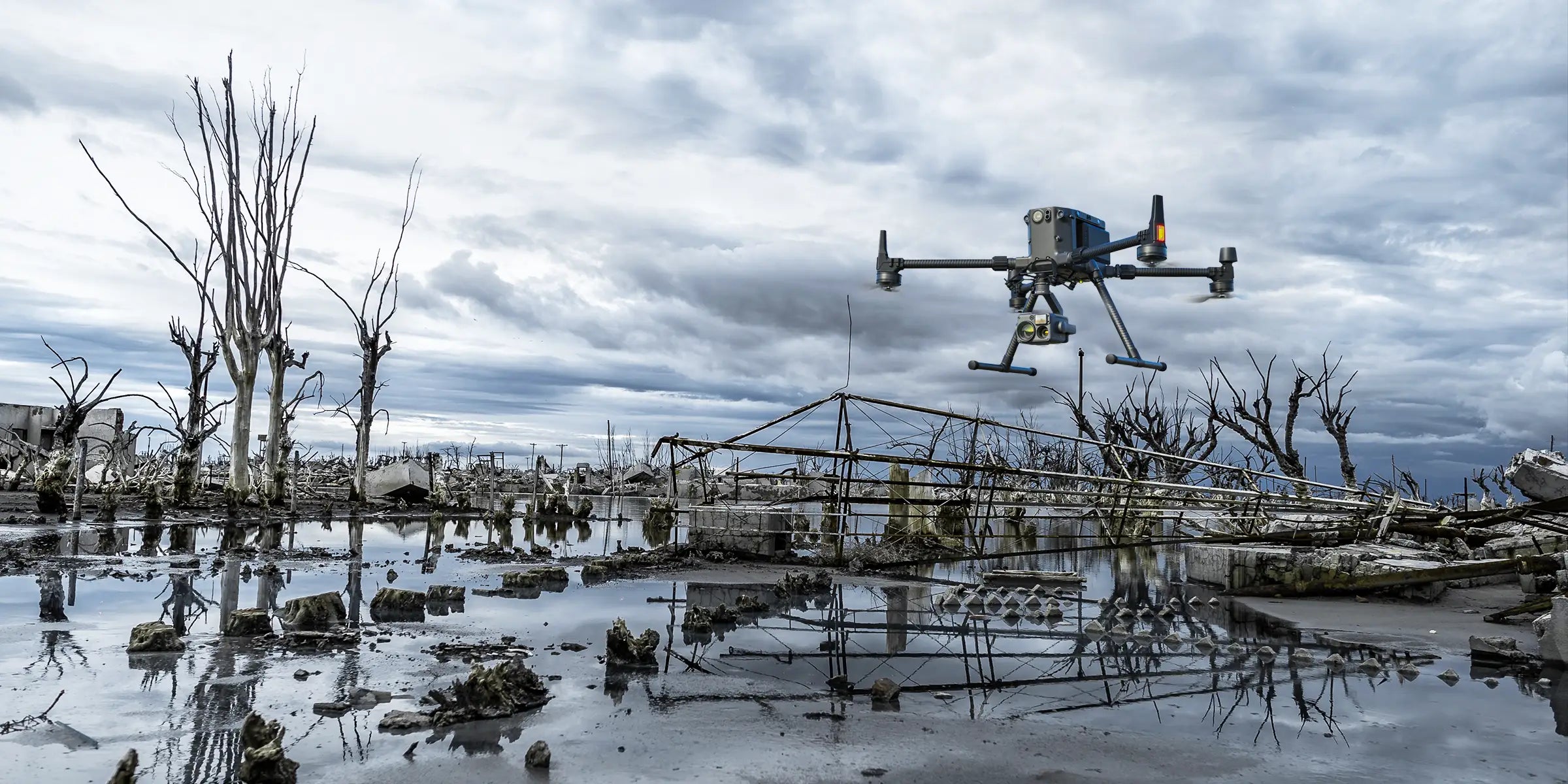
Disasters create fast-changing, high-risk environments. Visibility drops. Access routes get blocked. And teams need accurate information now, not after the scene stabilizes. That’s where disaster response drones come in. They give first responders a safe way to assess conditions, locate hazards, and coordinate resources in real time.

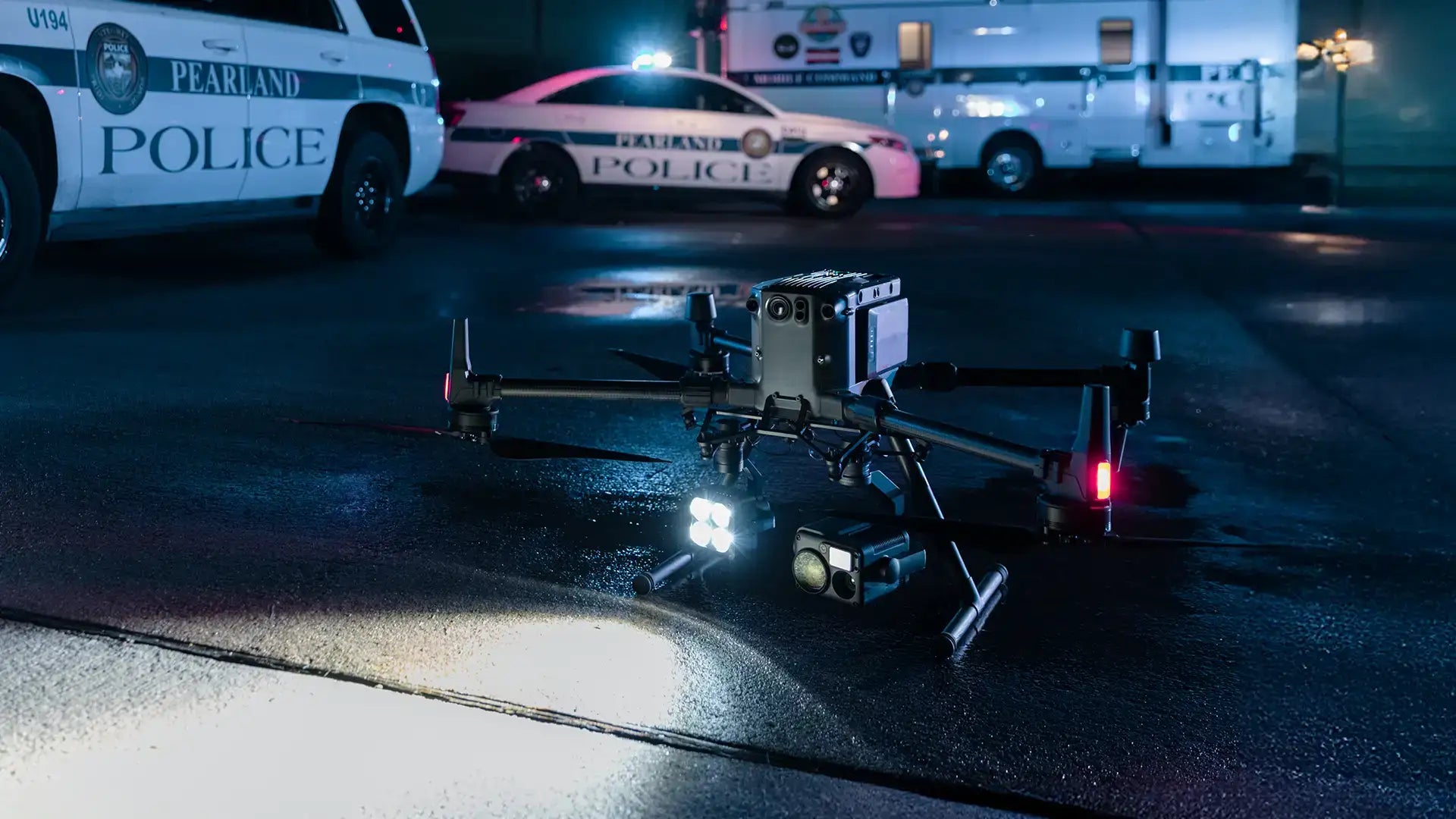
If you’re arriving at a scene in darkness, smoke, or heavy weather, a long-endurance, multi-sensor platform makes the biggest difference. The DJI Matrice 400 paired with the Zenmuse H30T is built for exactly that kind of work. It delivers extended flight time for wide-area scanning, plus zoom and thermal imaging for identifying heat sources, damaged infrastructure, and potential survivors—without putting ground teams in immediate danger. Its rugged design and advanced obstacle sensing also support safer operations in complex environments.

For agencies that need automated coverage and repeatable missions, the DJI Dock 3 + Matrice 4TD/4D enables remote launch and persistent overwatch. This is especially useful when conditions are unsafe for crews to enter, or when you need quick aerial intel before teams arrive on scene.

And when portability matters—like rapid deployments from a vehicle or moving between sites—the DJI Matrice 4 Series is a strong compact option. It provides thermal and visual situational awareness in a lighter, faster-to-pack setup.

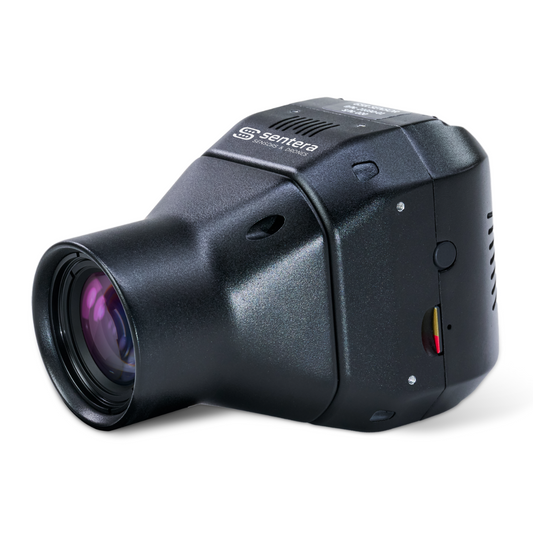
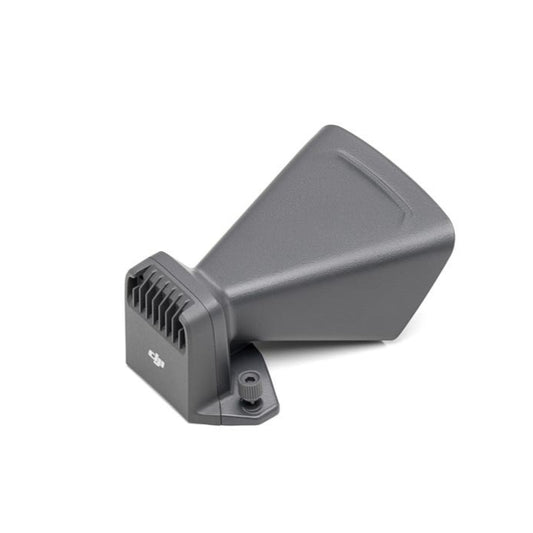
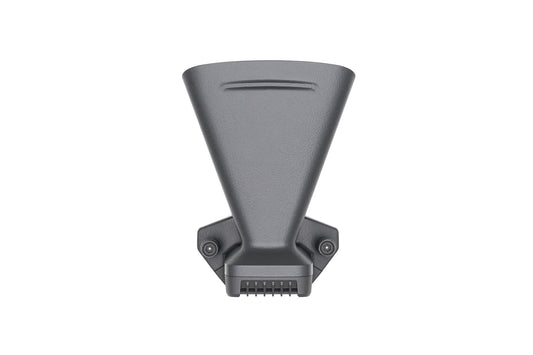
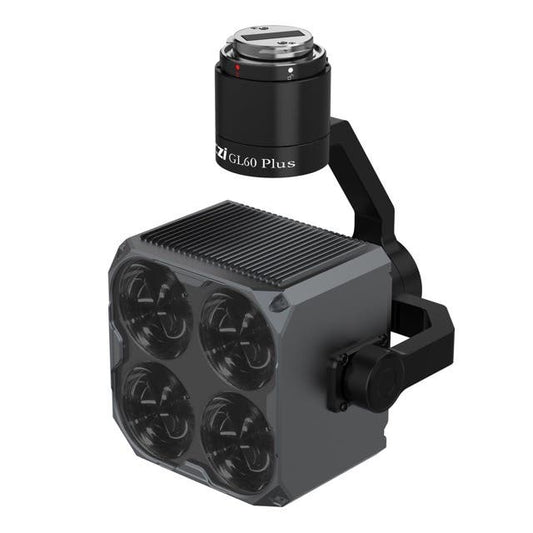
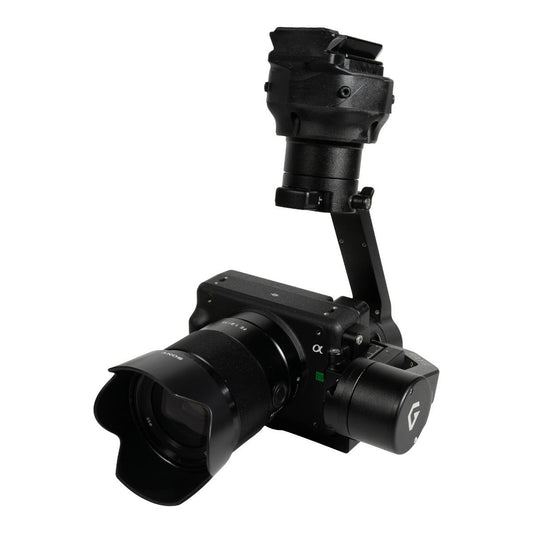
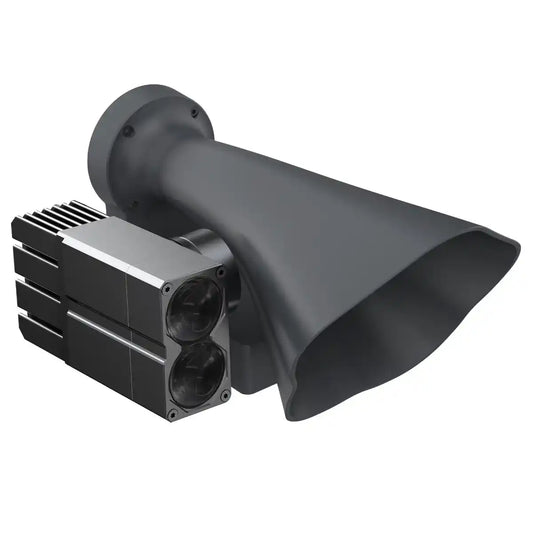
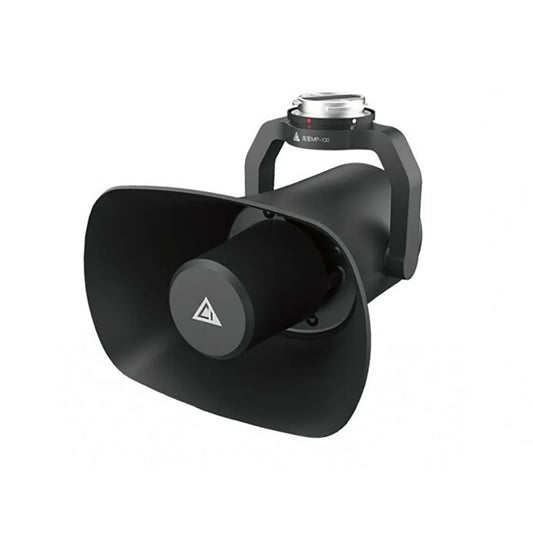
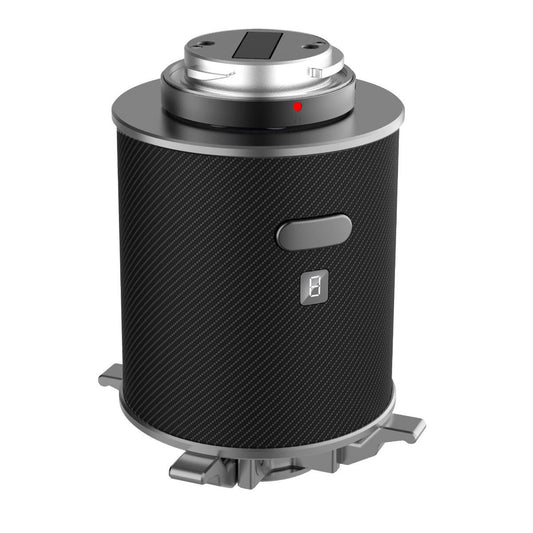
Choosing the right drone is only half the equation. The payloads you fly—thermal sensors, spotlights, loudspeakers, and other mission tools—often determine whether the operation is effective. If you want a deeper breakdown of what to deploy and when, link out to your payload guide so readers can match the right gear to the scenario.

As you decide on the right fit for your operations, consider factors like flight time, camera capabilities, and overall durability. With DSLRPros’ extensive lineup, you’re sure to find the perfect match for your specific needs.

Disasters are unpredictable, but your response doesn’t have to be. Explore our wide range of disaster response drones and ensure you’re always prepared. Have questions? Let’s chat. Call us at (877) 299-1075, (213) 262-9436, or email sales@DSLRPros.com.

The DSLRPros Advantage

  • UAV THERMAL EXPERTS

    We are industry leaders in thermal imaging drones. As one of the pioneers in thermal drone technology, our team of experts will help you build a custom solution that meets both your budget and needs.

  • MISSION SPECIFIC SOLUTIONS

    We specialize in the development and delivery of cost-effective mission-specific enterprise solutions. All our kits are specially designed, assembled, and individually tested for quality assurance in the United States.

  • AFTER PURCHASE SUPPORT

    Our customer service doesn't just end with your purchase; we go the extra mile to make sure our customers have the guidance they need. As our customer, you will know us by name and can count on us for support whenever you need it.