











Drone monitors and remote controllers for professional UAV operations
Mission-critical control interfaces built for visibility, precision, and reliability in the field
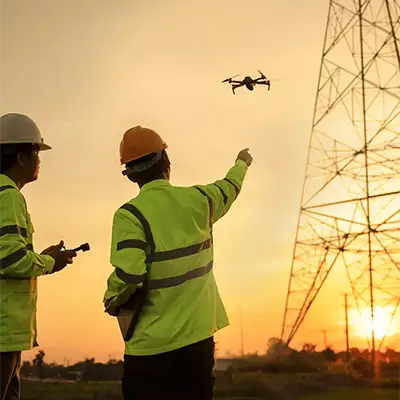
Drone monitors and remote controllers form the primary control and decision interface in professional UAV operations. In enterprise, industrial, and public safety environments, the controller is not simply a flight input device-it is the operational command center for aircraft control, payload management, situational awareness, and mission confidence.
Unlike consumer remotes that rely on mobile devices and casual operating conditions, professional drone controllers are engineered to perform reliably in direct sunlight, adverse weather, long-duration missions, and high-stakes operational scenarios. This category covers enterprise-grade controllers designed to support those demands across inspection, mapping, security, and emergency response workflows.
The role of professional controllers in enterprise drone programs
In professional operations, controller performance directly affects mission safety, data quality, and operational efficiency. A controller must remain usable when conditions are less than ideal and when mission interruptions are not acceptable.
Enterprise-grade controllers are typically designed to support:
- Clear visibility in full daylight without external monitors
- Precise aircraft and payload control using physical inputs
- Stable performance during long or repeated missions
- Operation across wide temperature ranges
- Tight integration with enterprise aircraft and software ecosystems
These characteristics allow operators to maintain control confidence regardless of environment or mission duration.
Common classes of enterprise drone controllers
Rather than being defined by brand or model, professional drone controllers generally fall into several functional categories. Understanding these roles helps future-proof purchasing decisions as product lineups evolve.
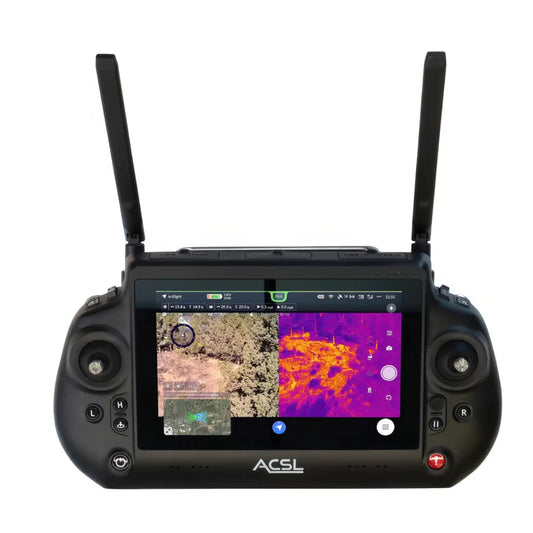
Large-format enterprise command controllers
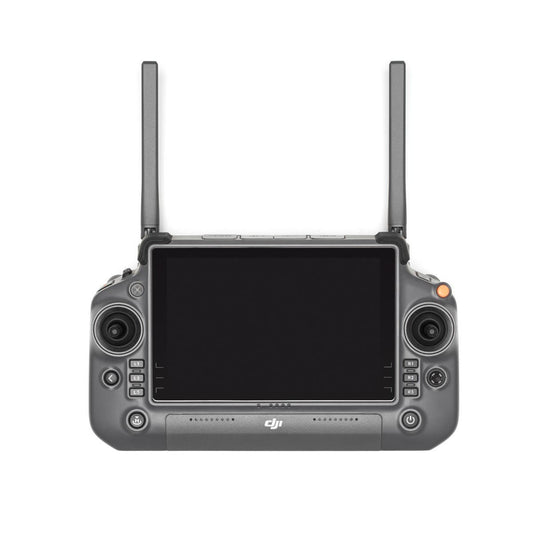
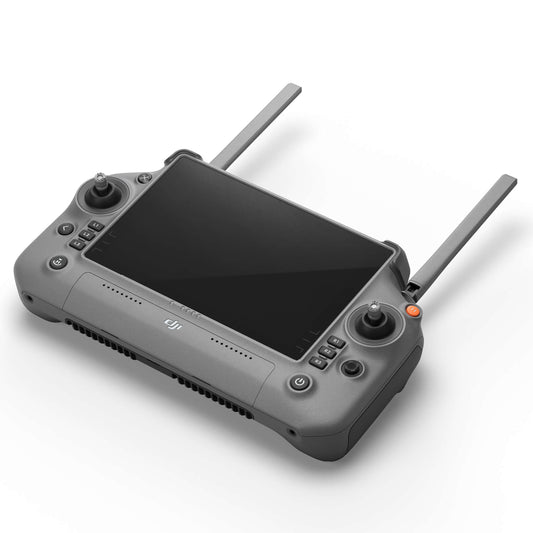
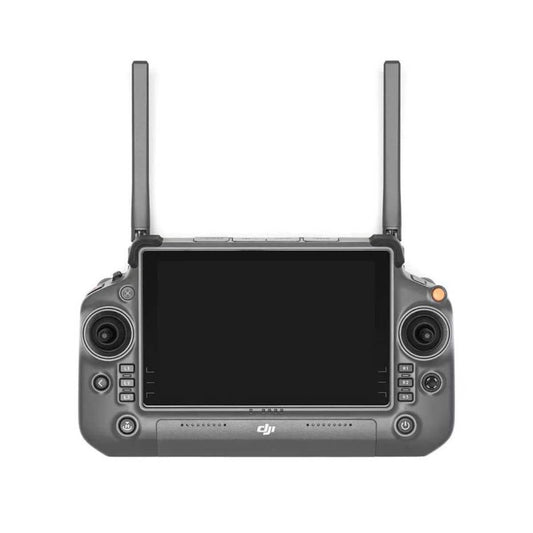
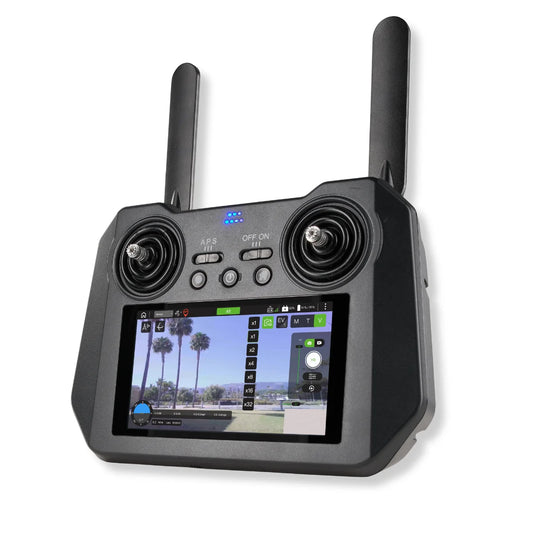
These controllers are designed as full-featured command stations for demanding operations. They typically feature large integrated displays, high brightness for outdoor visibility, and robust environmental protection.
Typical characteristics include:
- Integrated displays optimized for daylight readability
- Physical controls for camera, zoom, gimbal, and payload operation
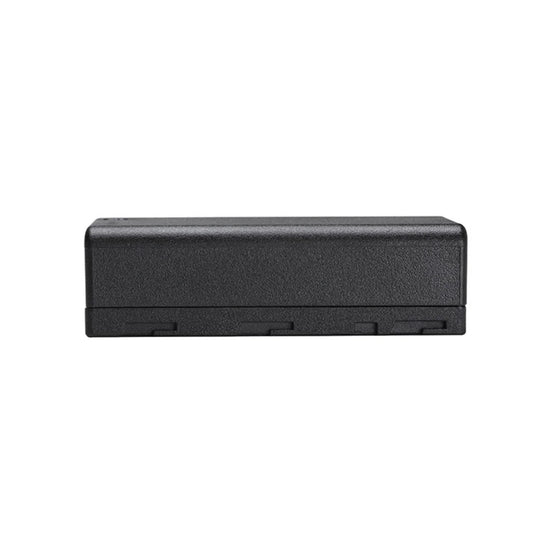
- Support for extended missions through external or hot-swappable batteries
- Designed for use with enterprise and industrial aircraft
This class of controller is commonly used in surveying, infrastructure inspection, public safety, and industrial monitoring where screen visibility and control precision are critical.
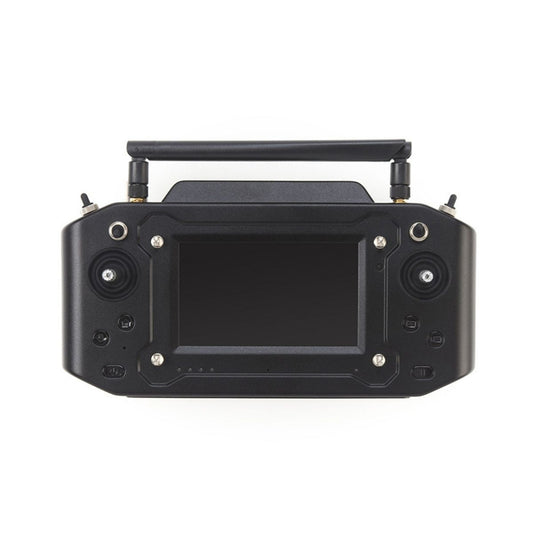
Compact professional controllers
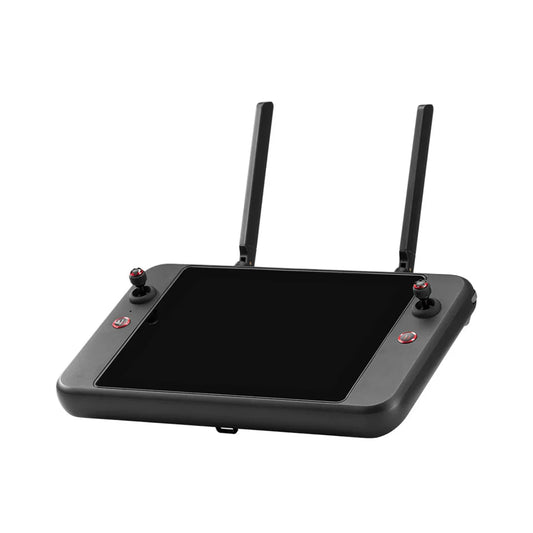
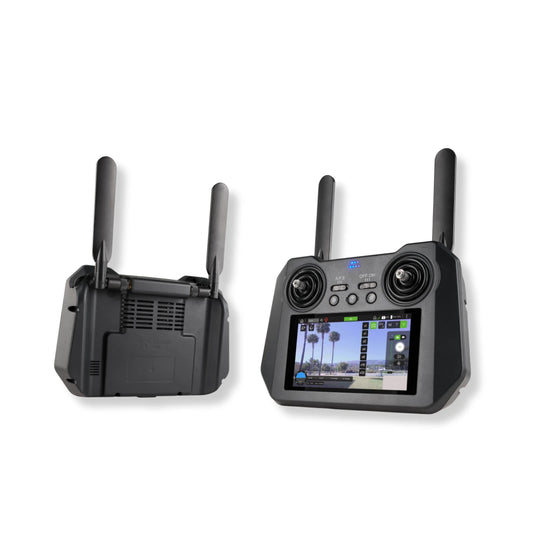
Compact professional controllers prioritize mobility while maintaining strong performance. They are often chosen by teams that require high-quality live video, responsive control, and portability without carrying larger command stations.
Typical characteristics include:
- High-brightness integrated screens in a smaller form factor
- Powerful onboard processing for smooth video and mapping display
- Customizable buttons and precision control sticks
- Balanced design for both field mobility and professional control
These controllers are often used for high-end imaging workflows, inspection missions, and mobile operations where rapid deployment is important.
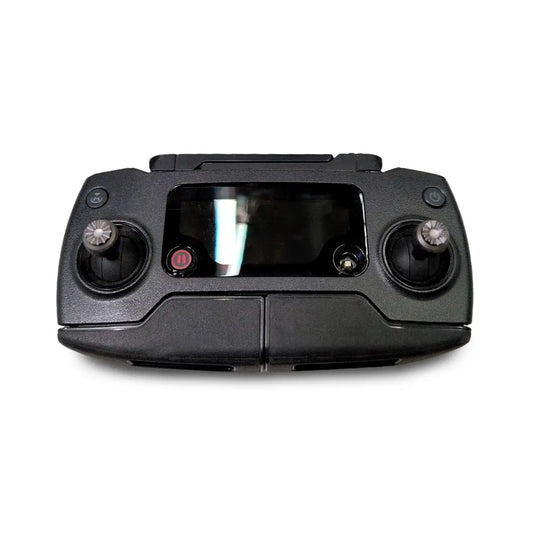
Platform-specific integrated controllers
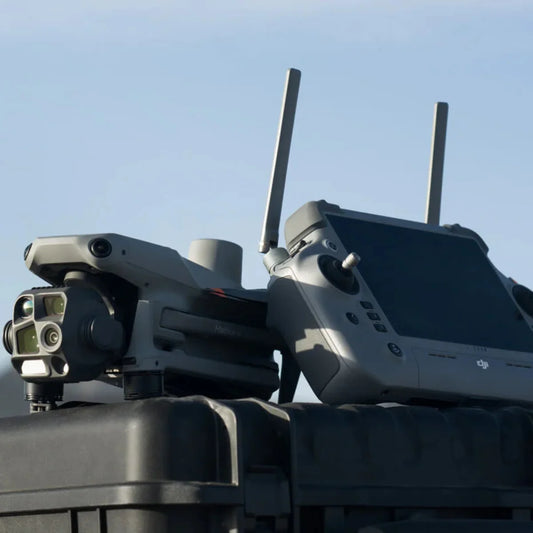
Some enterprise UAV ecosystems use controllers designed specifically for a particular aircraft family. These controllers emphasize seamless integration, simplified workflows, and optimized payload control.
Common traits include:
- Native integration with aircraft software and payloads
- Simplified user interfaces tailored to specific mission types
- Optimized thermal, zoom, or multisensor operation
- Reduced setup time and training overhead
These controllers are widely used in public safety, industrial inspection, and regulated environments where standardization and reliability are prioritized.
Why integrated displays matter in professional operations
One of the defining differences between consumer and professional controllers is the use of integrated high-brightness displays. In enterprise operations, relying on a separate mobile device introduces additional failure points, including glare, overheating, and battery limitations.
Integrated displays provide:
- Consistent brightness in direct sunlight
- Reduced setup time and fewer external accessories
- Improved reliability in hot or cold conditions
- A more secure and stable operating platform
For long missions or safety-critical tasks, this reliability is essential.
Environmental durability and operational readiness
Professional controllers are built for environments that consumer electronics are not designed to handle. Dust, moisture, temperature extremes, and extended exposure are common realities in field operations.
Enterprise controllers typically feature:
- Environmental sealing for resistance to dust and light rain
- Operating temperature ranges suitable for year-round deployment
- Ruggedized housings designed for transport and field use
- Battery systems designed for long or repeat missions
These design choices reduce downtime and support consistent operations across varied environments.
Choosing the right controller for long-term programs
Selecting a controller should be based on operational needs rather than current product names. The most important considerations tend to remain stable even as hardware generations change.
Key decision factors include:
- Aircraft and payload compatibility
- Display visibility requirements
- Mission duration and power strategy
- Operating environment and weather exposure
- Level of payload control complexity
- Software ecosystem integration
By focusing on these factors, organizations can build drone programs that remain adaptable as controller models evolve.
Built to support evolving enterprise fleets
As enterprise UAV platforms continue to advance, controller lineups will change. An effective controller strategy prioritizes capability class and integration rather than individual model longevity. This approach allows teams to adopt newer hardware without disrupting established workflows or retraining entire crews.
Professional drone monitors and remote controllers remain a foundational component of safe, efficient, and scalable UAV operations.
Frequently Asked Questions
What is the best drone monitor for professional use?
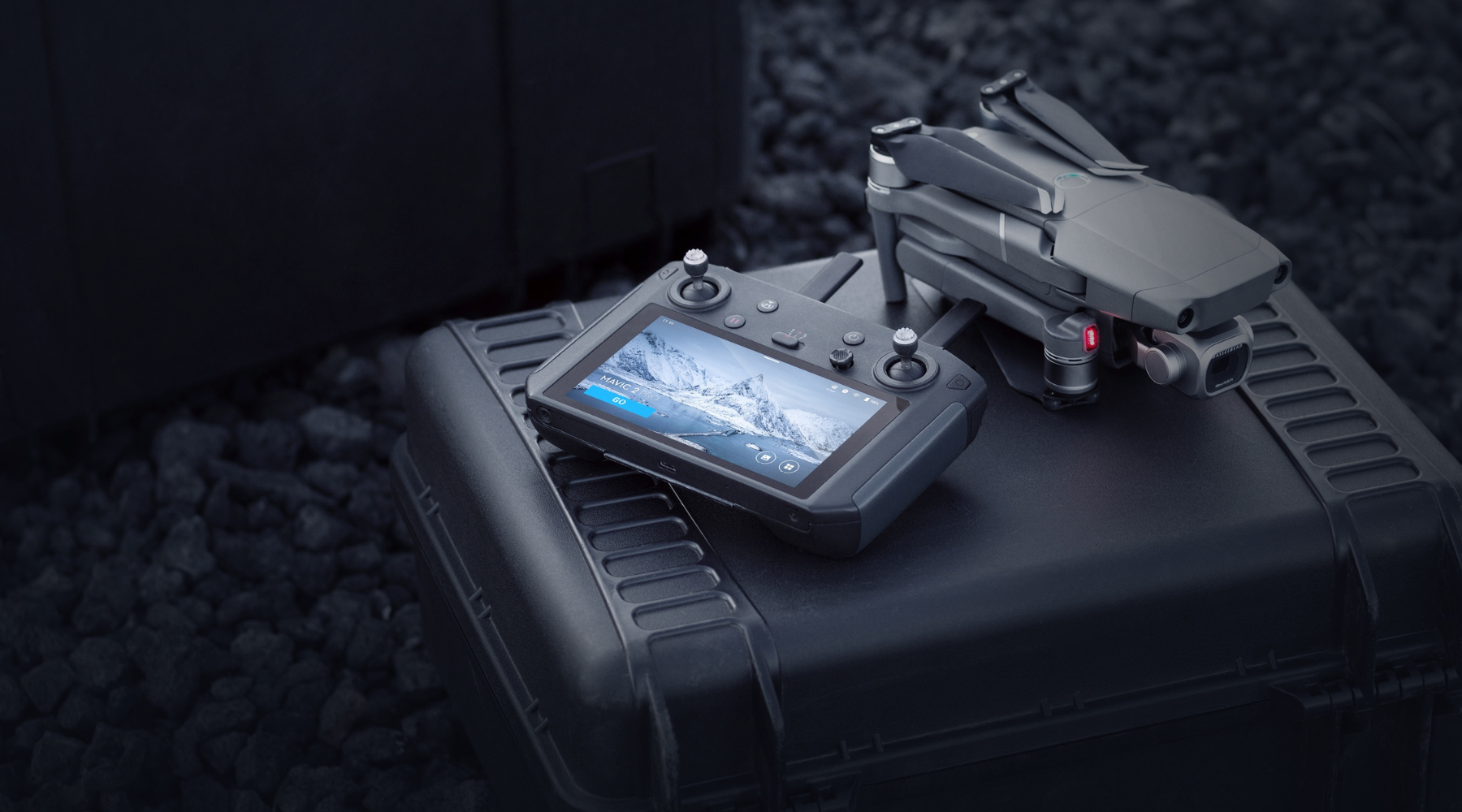
For professionals, monitors with built-in 5.5" or 7.9" ultra-bright displays (like the DJI RC Pro or Autel Smart Controller) are recommended for their reliability, sunlight readability, and seamless integration with DJI drones.
Can I use a regular tablet as a drone monitor?
You can, but consumer tablets are not built for field use. They often overheat, lack brightness, or experience app crashes. A dedicated drone monitor is a more stable and efficient option.
Do all drone monitors come with integrated displays?
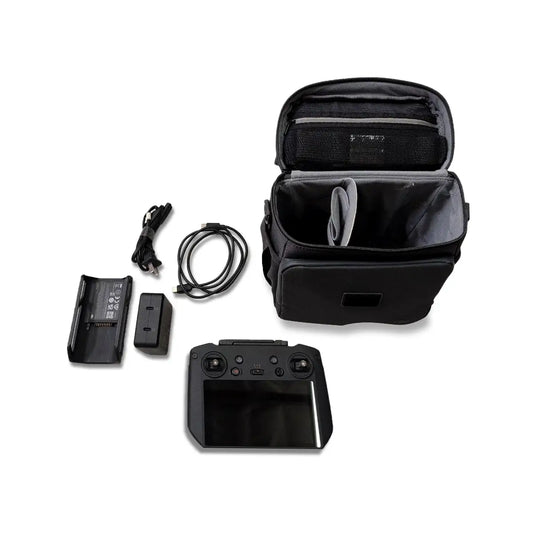
No. Some monitors are external displays that require a separate mounting system. Others, like DJI's smart controllers, have built-in screens.
Are these monitors compatible with all drones?
Most monitors on DSLRPros are compatible with DJI Enterprise platforms. Always check compatibility details on the product page or ask our team.
What's the difference between a smart controller with screen vs. an external monitor?
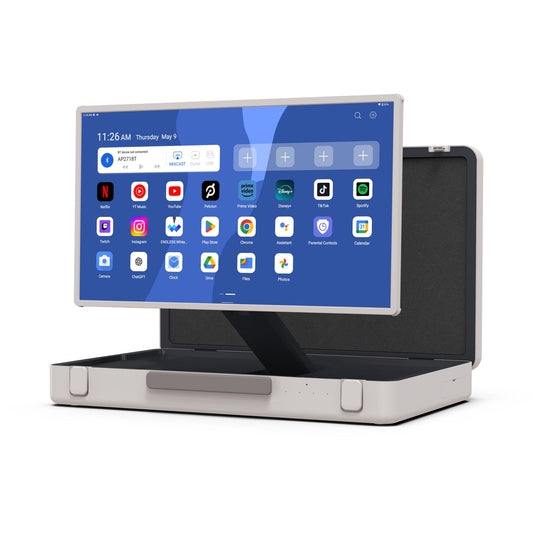
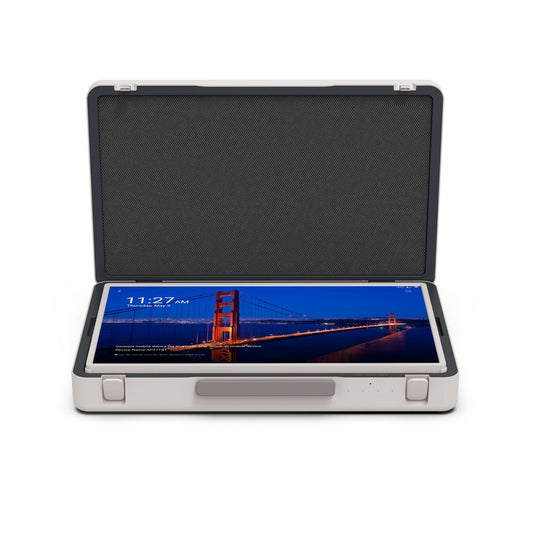
A controller with screen is an all-in-one solution, offering control and display in one device. External monitors are used with a separate controller and are ideal for dual-operator workflows.


