Enterprise drone programs are entering a new phase.
For years, drones have helped organizations capture aerial images, inspect assets, map job sites, respond to emergencies, and improve situational awareness. But most drone operations have still depended on manual launch, manual piloting, manual scheduling, and manual data collection.
That model works for occasional missions. It does not scale easily for organizations that need repeatable visibility, rapid response, scheduled inspections, perimeter patrols, or always-ready aerial intelligence.
That is where autonomous drone operations come in.
By combining DJI Dock 3 with FlytBase, organizations can move from occasional drone flights to structured, repeatable, remotely managed aerial workflows. Instead of treating the drone as a single piece of equipment, the dock, aircraft, software, sensors, workflows, and support model become part of an integrated operational system.
For DSLRPros customers, this opens the door to a new class of drone-enabled outcomes across security, construction, public safety, utilities, energy, industrial inspection, agriculture, emergency response, and critical infrastructure.
What Autonomous Drone Operations Really Mean
Autonomous drone operations are not just about a drone flying by itself.
The real value comes from building a system that can support repeatable missions, remote oversight, automated launch and recovery workflows, live situational awareness, structured data capture and analysis, and integration into the customer’s operational environment.

A modern autonomous drone operation may include:
- A drone dock installed at a strategic site location
- A drone configured for specific mission types
- Remote mission planning and monitoring software
- Scheduled patrols or inspection routes
- Event-based response workflows
- AI-assisted detection and alerting
- Live video streaming and situational awareness
- Data capture, reporting, and operational records
- Support for multiple sites, users, and workflows
The goal is not simply to fly more often. The goal is to make aerial intelligence available when and where the organization needs it.
Why FlytBase and DJI Dock 3 Are a Strong Combination
DJI Dock 3 provides the physical foundation for remote drone operations. It supports automated drone launch, landing, charging, and storage in a compact field-deployable system. Paired with compatible DJI enterprise aircraft, it allows organizations to place aerial capability closer to the location where missions need to happen.
FlytBase provides the software layer that helps transform drone hardware into a more complete automation platform. It supports mission planning, remote operations, fleet visibility, AI-enabled workflows, alerts, and operational control across use cases and locations.
Together, the dock and software platform help organizations answer a practical question:
How do we make drone operations repeatable, scalable, and operationally useful without needing a pilot manually launching every mission from the field?
That is the business case for autonomous drone operations.
The DSLRPros Role: From Equipment to Operational Capability
Autonomous drone operations require more than buying a dock and connecting software.
Customers need to understand where the dock should be installed, what missions should be automated, what connectivity is required, how alerts should be handled, who will monitor operations, what training is needed, what procedures should be documented, and how the system will create value for the business.

DSLRPros helps customers bridge that gap.
- Use-case discovery and solution design
- Site readiness assessment
- Dock placement planning
- Hardware configuration guidance
- FlytBase workflow planning
- Mission route and response workflow design
- Operator enablement and training coordination
- Acceptance testing and launch readiness
- Ongoing service expansion planning
The result is a more practical path from concept to deployment.
Vertical Use Cases and Specialized Outcomes
Autonomous drone operations can support many industries, but the value is strongest when the deployment is tied to a clear outcome. Below are several examples of how organizations can use DJI Dock 3 and FlytBase-enabled operations across different environments.

Security and Surveillance
Security teams often need faster visibility across large, remote, or high-risk areas. Fixed cameras are valuable, but they only see what they are pointed at. Patrol guards are important, but coverage can be limited by distance, visibility, terrain, and response time.
Autonomous drones can add a flexible aerial response layer.
Potential outcomes include:
- Scheduled perimeter patrols
- Rapid aerial response to alarms
- Visual confirmation of intrusions
- Coverage of blind spots beyond fixed cameras
- Support for night and low-light security workflows
- Event-based monitoring for high-risk areas
- Aerial documentation of incidents
For construction sites, logistics yards, energy facilities, campuses, and industrial properties, this can create a stronger security posture without relying only on permanent camera infrastructure.
Construction Site Monitoring
Construction sites change daily. Managers need visibility into progress, equipment movement, site safety, access roads, staging areas, and subcontractor activity. Traditional site walks and occasional drone flights may not provide enough consistency.
Autonomous drone operations can help construction teams create a repeatable site intelligence workflow.
Potential outcomes include:
- Scheduled progress flights
- Aerial documentation of site conditions
- Visual records for project managers and owners
- Monitoring of materials, equipment, and staging areas
- Support for safety reviews and incident documentation
- Recurring imagery for comparison over time
- Faster visibility for remote stakeholders
The value is not just the drone image. The value is creating an ongoing visual record of the project.

Utilities and Energy Infrastructure
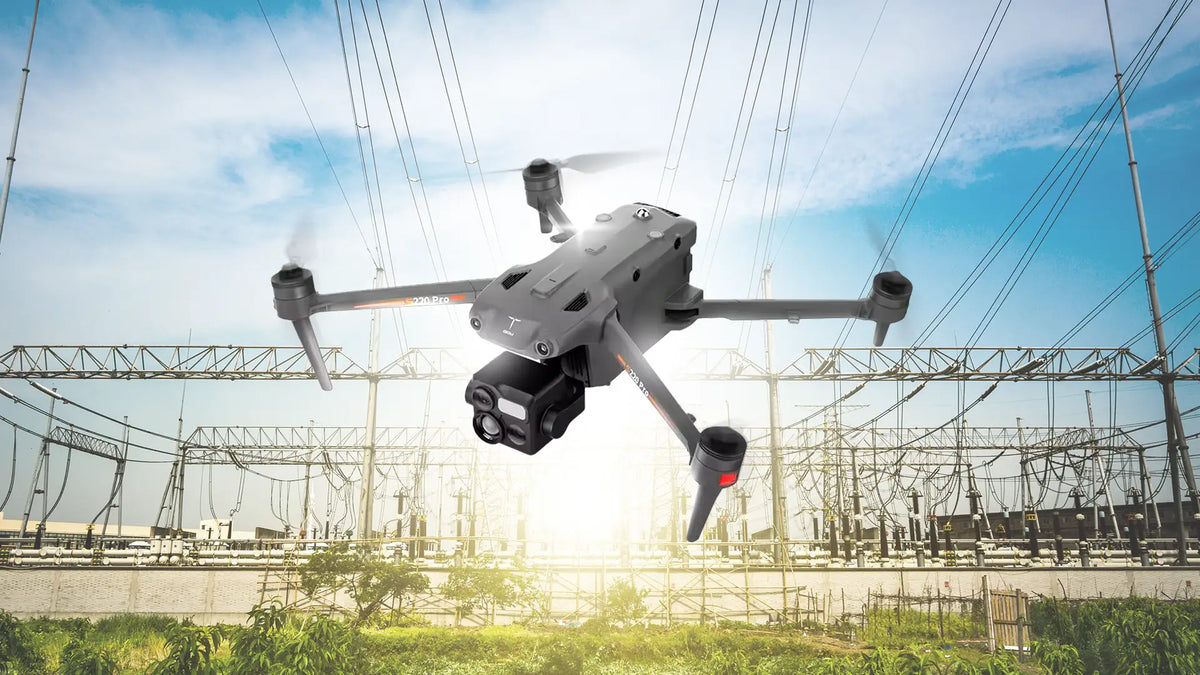
Utilities and energy companies operate distributed assets across large geographic areas. These assets may include substations, solar farms, transmission corridors, pipelines, storage facilities, water infrastructure, and remote equipment sites.
Autonomous drone operations can help teams create recurring inspection and monitoring workflows near critical assets.
Potential outcomes include:
- Routine asset inspection
- Perimeter monitoring of critical sites
- Storm or incident response support
- Thermal inspection workflows where applicable
- Visual confirmation of site conditions
- Reduced need for frequent manual site visits
- Faster awareness after alarms or abnormal events
For high-value infrastructure, the ability to launch a drone remotely and capture immediate aerial context can improve operational awareness and response coordination.
Public Safety and Emergency Response
Public safety teams need rapid situational awareness. In emergencies, the first few minutes matter. A drone dock placed near a strategic area can support faster aerial visibility for fire, law enforcement, search and rescue, traffic incidents, hazardous conditions, or emergency management.
Potential outcomes include:
- Rapid aerial overview of an incident area
- Support for fireground or disaster assessment
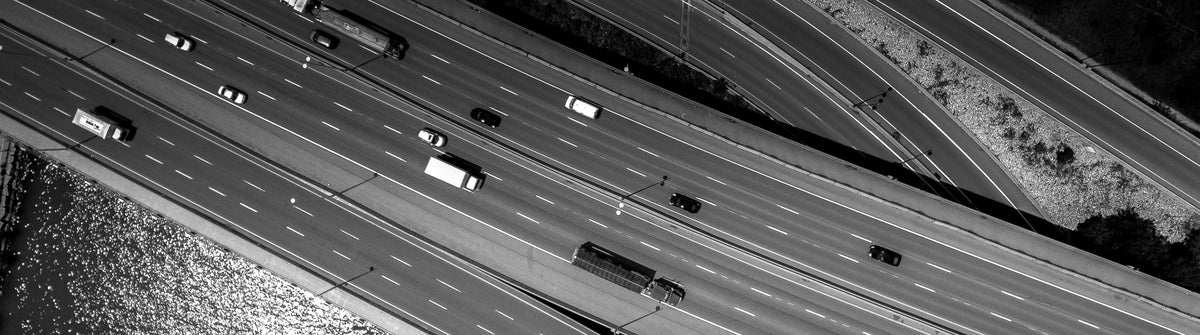
- Traffic and crowd situational awareness
- Search and rescue area scanning
- Hazardous scene evaluation before personnel entry
- Support for command staff and remote stakeholders
- Repeatable response routes for known high-risk areas
Autonomous drone operations do not replace emergency personnel. They can provide another layer of information that helps teams make better decisions faster.
Industrial Inspection and Facility Operations
Industrial facilities often include complex environments, restricted areas, elevated structures, tanks, pipes, storage yards, rooftops, and remote zones. Manual inspection can be time-consuming, expensive, or difficult to repeat frequently.

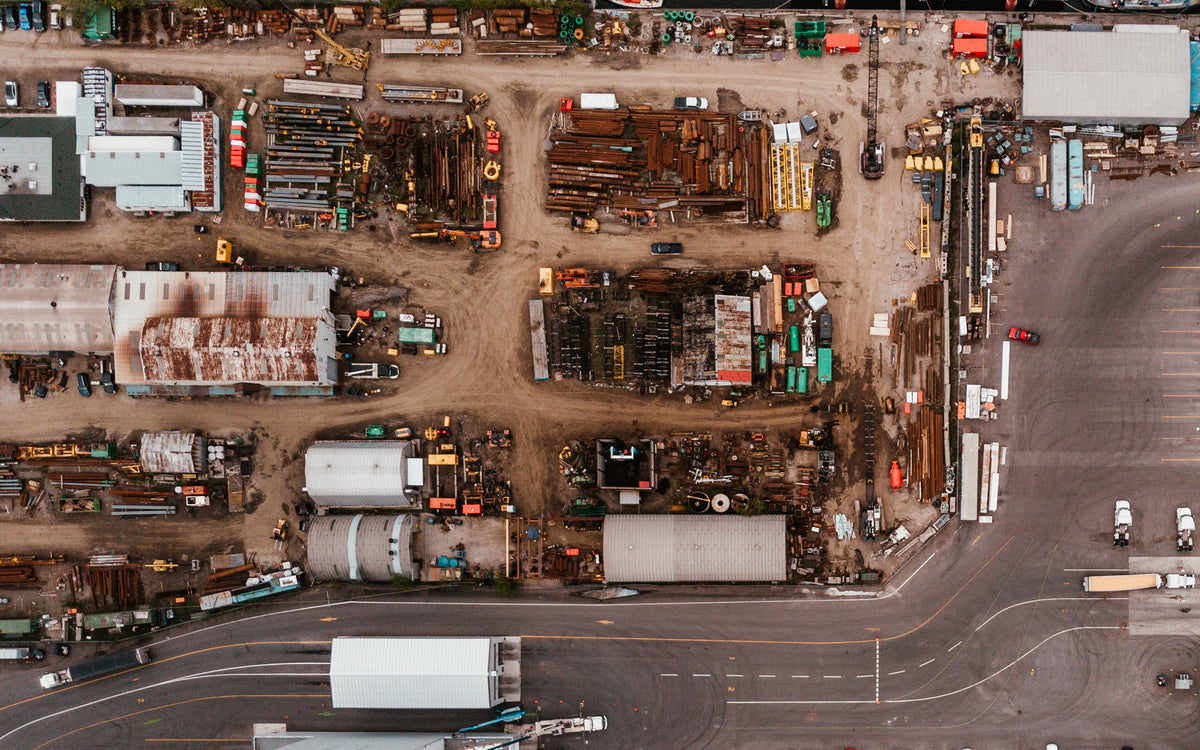
DJI Dock 3 and autonomous drone ecosystem supporting remote monitoring, inspections, and operational awareness across an industrial site.
Autonomous drone operations can support inspection workflows that are repeatable, trackable, and easier to standardize.
Potential outcomes include:
- Scheduled visual inspection routes
- Equipment condition monitoring
- Roof, tank, and structure inspection support
- Incident documentation
- Safety and access monitoring
- Visual records before and after maintenance work
- Faster inspection of hard-to-access areas
For industrial operators, the drone becomes part of a broader site intelligence strategy.
Oil, Gas, and Critical Facilities
Oil and gas facilities, processing plants, storage yards, and critical infrastructure sites often require strong perimeter security, equipment monitoring, and rapid response capability. These sites may be large, remote, or difficult to inspect from the ground.
Autonomous drone operations can support both security and operational visibility.
Potential outcomes include:
- Perimeter patrols
- Flare, tank, and pipeline visual observation
- Emergency response support
- Remote condition assessment
- Intrusion verification
- Inspection support after weather events
- Support for safety and compliance documentation
A dock-based drone system can help operators see more of the site with less delay.
Agriculture and Land Management
Large farms, plantations, forestry areas, and land management operations often need visibility over wide areas. Autonomous drones can help teams monitor site conditions, detect changes, and support recurring observation workflows.
Potential outcomes include:
- Field condition monitoring
- Crop health observation support
- Irrigation and drainage visibility
- Perimeter and property surveillance
- Wildlife or nuisance monitoring
- Storm damage assessment
- Recurring imagery for seasonal comparison
For agricultural and land management teams, the benefit is consistent visibility without requiring every flight to be manually organized from scratch.
Ports, Logistics, and Warehousing
Ports, logistics yards, and warehouse campuses often have moving vehicles, containers, storage areas, perimeter zones, and safety-sensitive traffic patterns. Visibility matters, especially across large outdoor areas.
Autonomous drone operations can support security and operational awareness.
Potential outcomes include:
- Yard visibility and perimeter patrol
- Incident response support
- Container or asset area observation
- Traffic and congestion awareness
- Support for safety investigations
- Night or after-hours monitoring
- Rapid visual confirmation of alarms
This can help security and operations teams gain a more complete view of activity across complex facilities.
Environmental Monitoring and Disaster Preparedness
Environmental teams, emergency managers, and land agencies may need to monitor changing conditions over time. Drones can support visibility in areas that are difficult, dangerous, or time-consuming to reach.
Potential outcomes include:
- Flood condition monitoring
- Fire risk observation
- Coastal, river, or watershed visibility
- Wildlife and habitat observation support
- Storm damage documentation
- Repeatable monitoring of high-risk locations
- Emergency response situational awareness
When dock-based drones are placed near known risk zones, they can provide a faster way to observe changes and support response planning.
Specialized Outcomes Customers Can Build Toward
The strongest autonomous drone programs are designed around business outcomes. DSLRPros helps customers define the mission before deploying the technology.
Common specialized outcomes include:
Faster Alarm Verification
When an alarm is triggered, a drone can provide aerial context before personnel arrive or before a false alarm consumes resources.
More Consistent Inspection Coverage
Scheduled missions help teams collect comparable data over time instead of relying on irregular or inconsistent manual flights.
Better Remote Site Visibility
Teams can observe distant, restricted, or large sites without always dispatching personnel first.
Improved Safety Awareness
Drones can help assess hazardous areas, elevated structures, difficult terrain, or active industrial environments before people are sent into the area.
Stronger Incident Documentation
Drone imagery and video can support investigation, reporting, claims, compliance documentation, and operational review.
Scalable Multi-Site Operations
A software-driven approach can help organizations standardize workflows across several locations instead of building one-off drone programs at each site.
Faster Time to Decision
The faster a team can see what is happening, the faster it can decide what to do next.
Important Deployment Considerations
Autonomous drone operations should be planned carefully. A successful program depends on more than the hardware.

Drone-generated aerial intelligence providing facility-wide visibility for industrial operations and asset management.
Customers should consider:
- Site layout and dock placement
- Power availability
- Network connectivity
- Weather and environmental conditions
- Airspace and regulatory requirements
- Mission types and operational limits
- User roles and permissions
- Escalation procedures
- Data retention and reporting needs
- Training and change management
- Support and maintenance requirements
DSLRPros helps customers work through these details before deployment, which can reduce risk and improve launch success.
Why Start with a Services-Led Approach?
Many customers are excited by autonomous drone technology but are unsure where to begin. A services-led approach helps avoid common mistakes such as selecting the wrong location, underestimating connectivity needs, skipping workflow design, or deploying technology before the operational model is clear.
With DSLRPros, customers can start with a structured conversation:
What outcome are we trying to achieve?
Which site should we start with?
What missions should be automated first?
What users need access?
What data needs to be delivered?
How will alerts be handled?
How will success be measured?
What should we scale after the pilot?
This makes deployment more strategic and more measurable.
Building the Future of Drone Operations
The future of enterprise drones is not just better aircraft. It is better operational systems.
FlytBase and DJI Dock 3 help make autonomous drone operations more practical for organizations that need repeatable, scalable, and remotely managed aerial intelligence. DSLRPros helps customers turn that technology into a working solution that fits the real-world needs of their industry.
Whether the goal is site security, emergency response, infrastructure inspection, construction visibility, utility monitoring, or environmental awareness, autonomous drone operations can help organizations see more, respond faster, and operate with greater confidence.
Ready to Explore Autonomous Drone Operations?
DSLRPros can help you evaluate use cases, assess site readiness, design workflows, configure deployment options, and plan a practical path toward autonomous drone operations using FlytBase and DJI Dock 3.
Contact DSLRPros to discuss your site, your operational goals, and the outcomes you want to achieve.