🇺🇸 +1 877-299-1075 | Mon-Fri 7am-5pm PST
DSLRPros | Enterprise Drone Sales & Comprehensive Services

Revolutionizing Farming with Precision, Speed, and Data

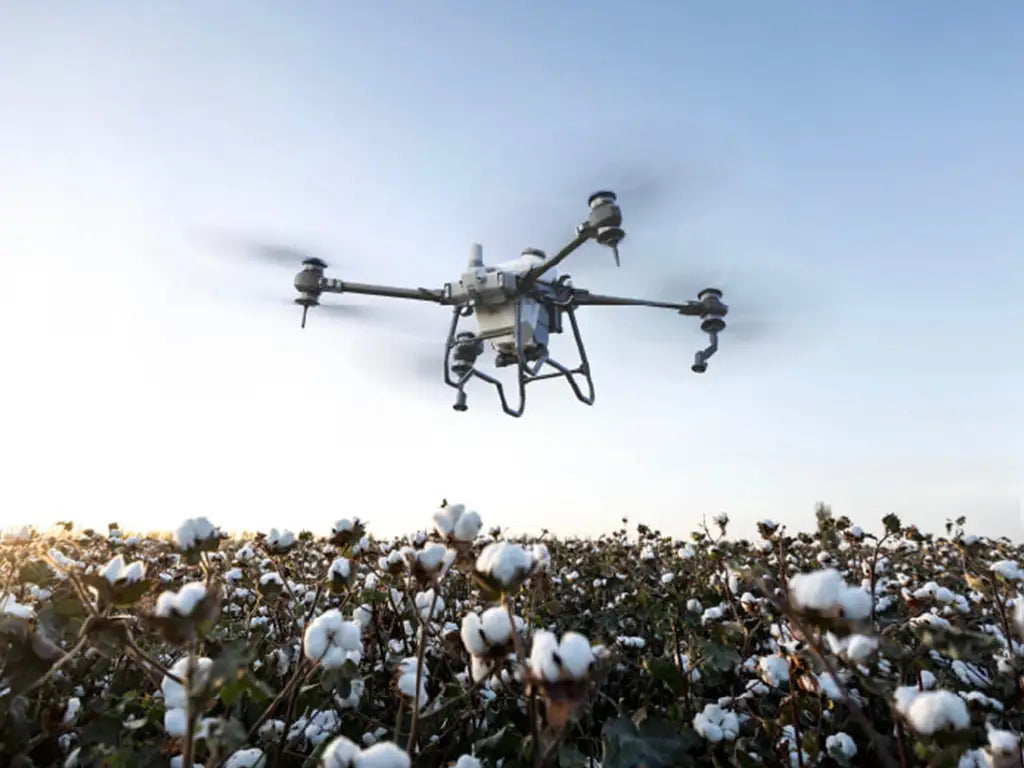
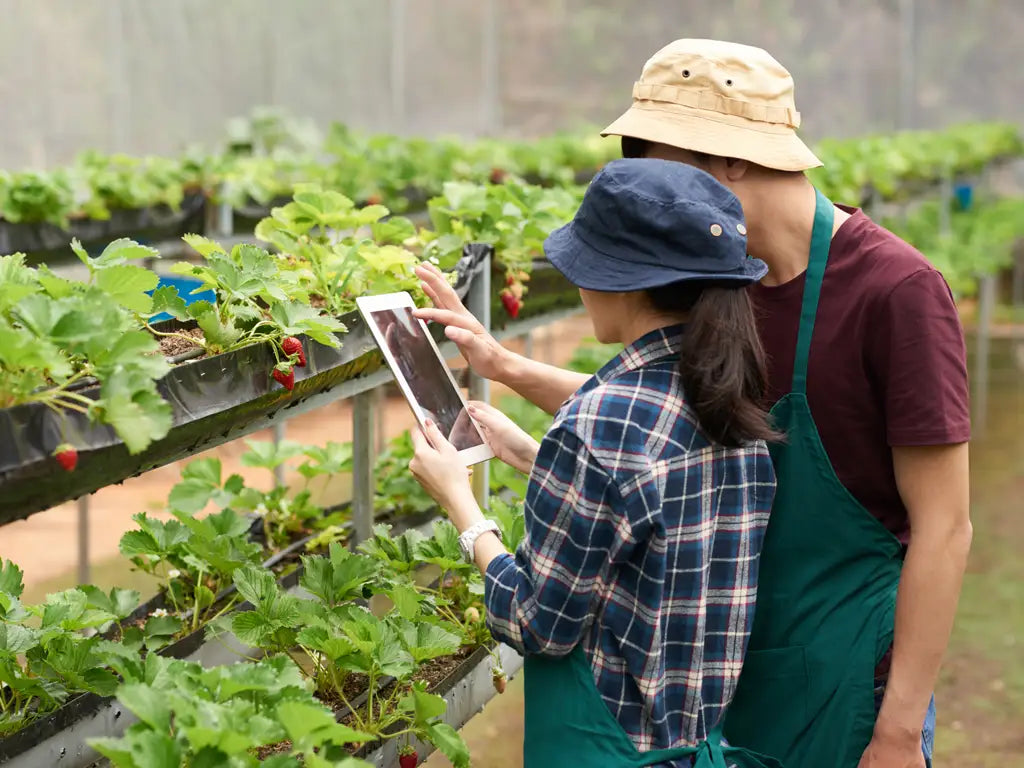
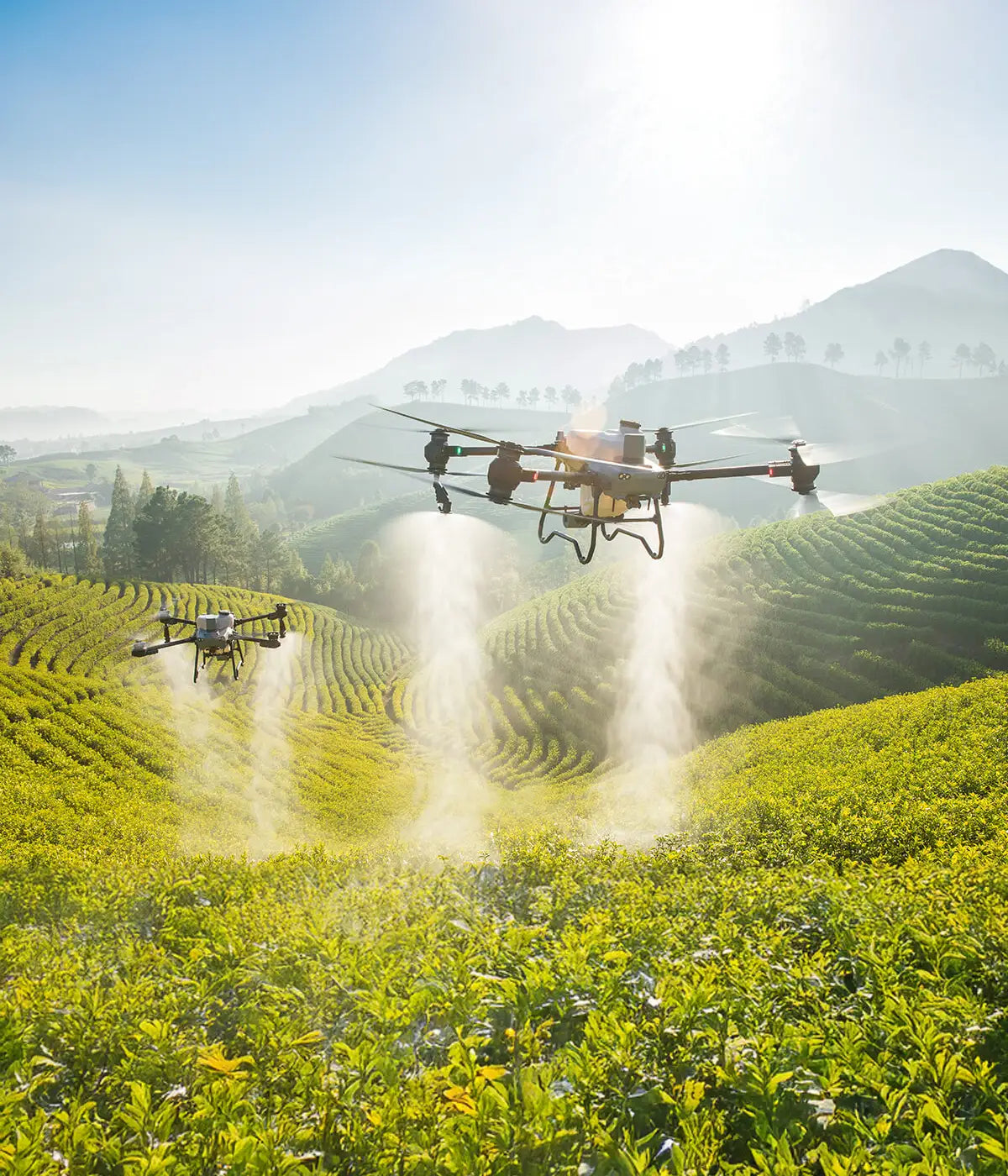
Agriculture drones streamline spraying, monitor crop health in real time, and provide actionable insights. Farmers boost efficiency, reduce waste, and make smarter decisions with accurate aerial data.
Agriculture & Farming Drones and Bundles

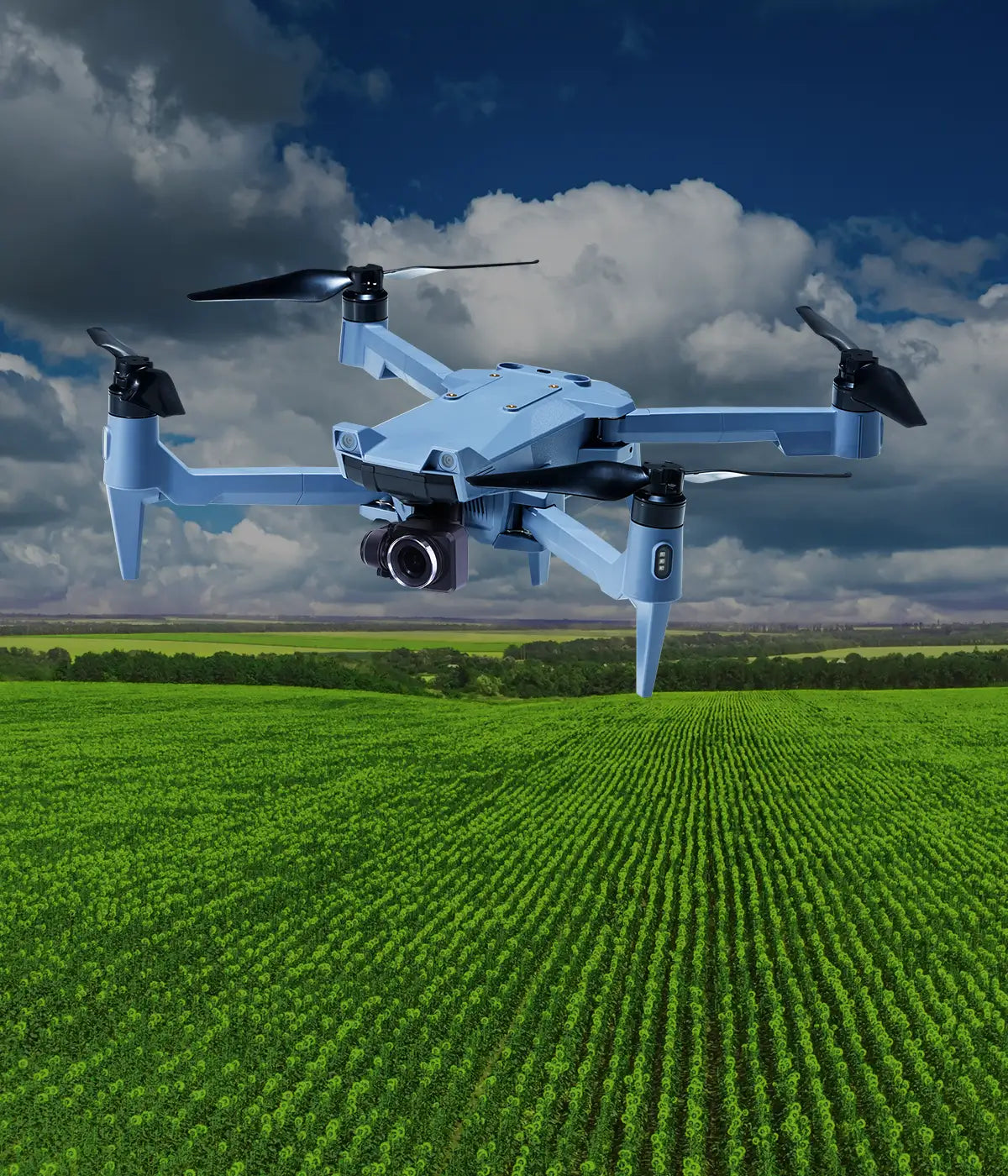
Drones enhance farming with precision, speed, and data—and we have bundles perfect for crop monitoring, spraying, irrigation, and livestock oversight, offering solutions from entry-level to fully automated systems.
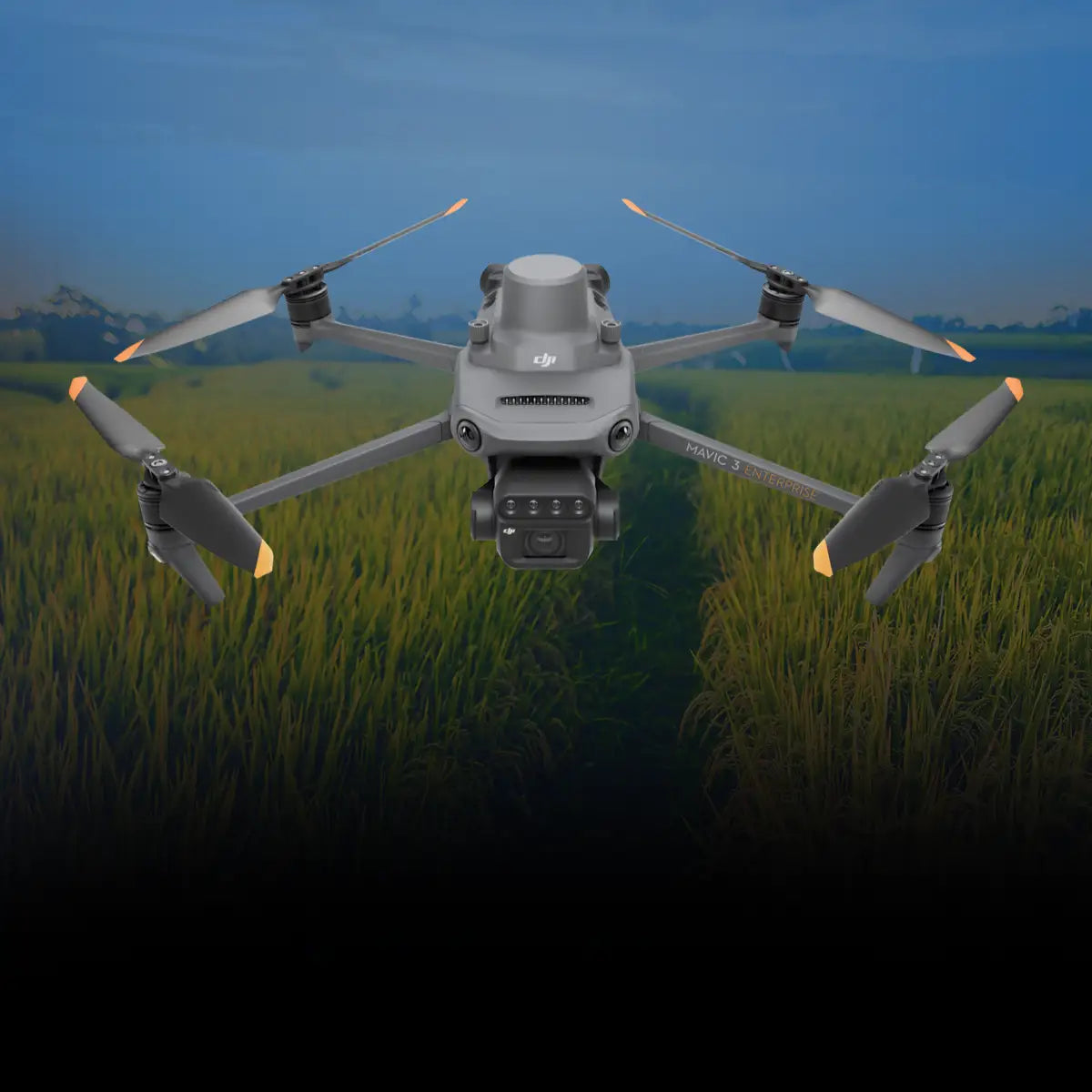
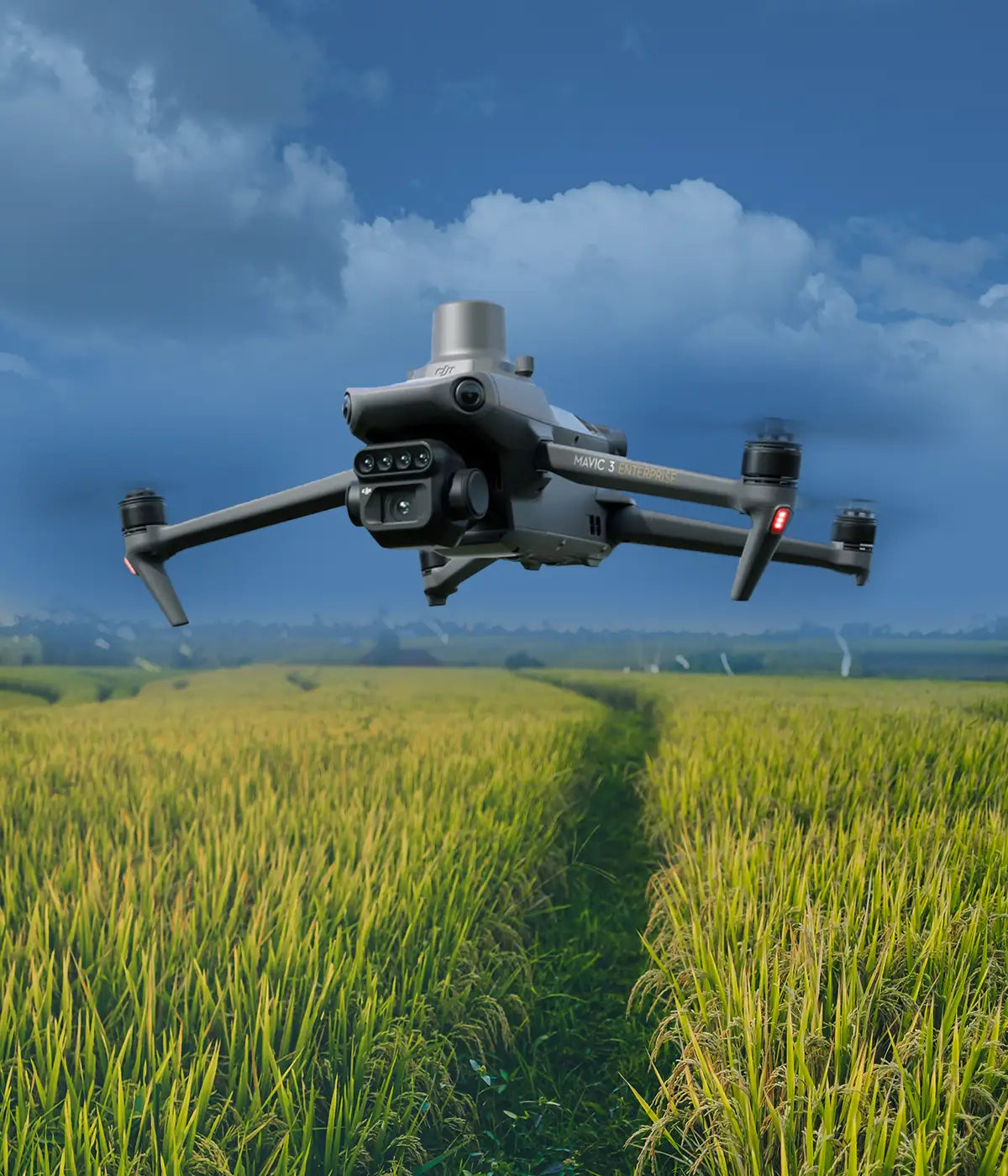
DSLRPros DJI Mavic 3 Multispectral RTK Agriculture Monitoring Package

20MP 4/3 CMOS RGB camera

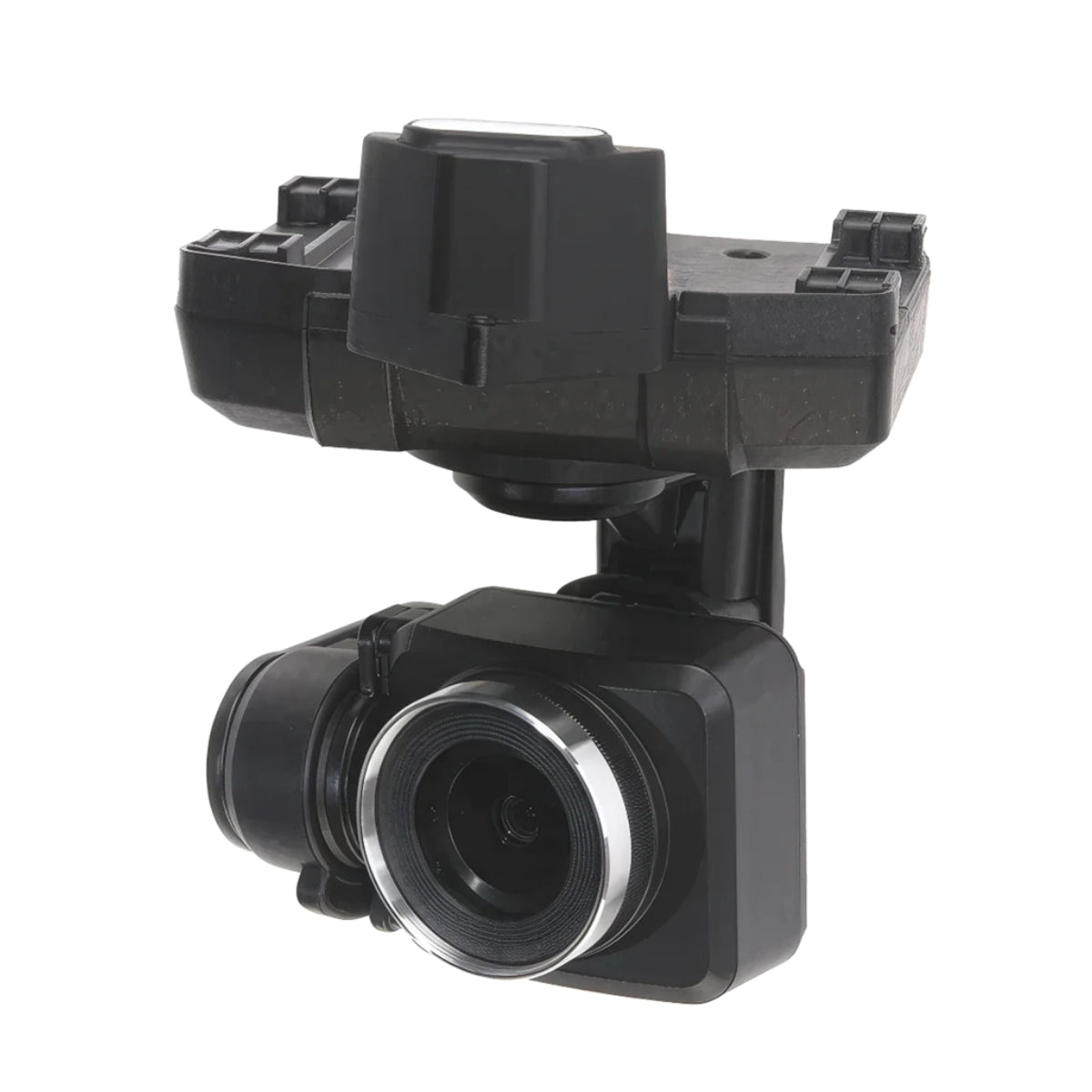
Four 5MP multispectral cameras

Sunlight sensor

RTK module

43-minute max flight time

200-hectare coverage in one flight

Fast charging

O3 transmission up to 15km

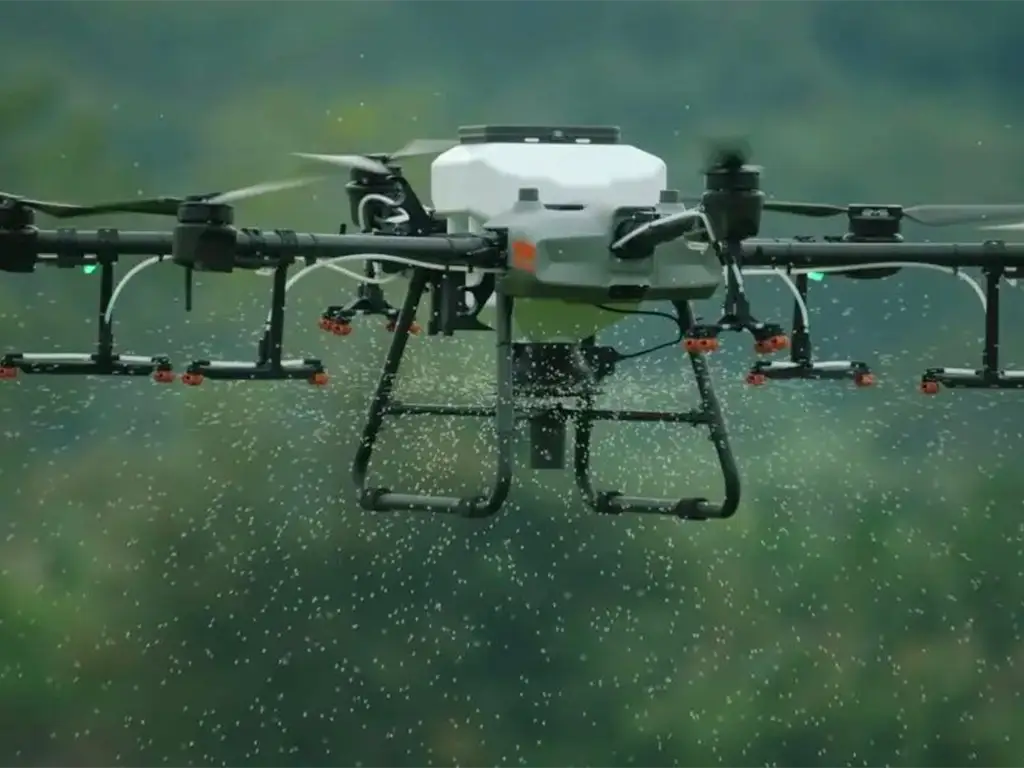
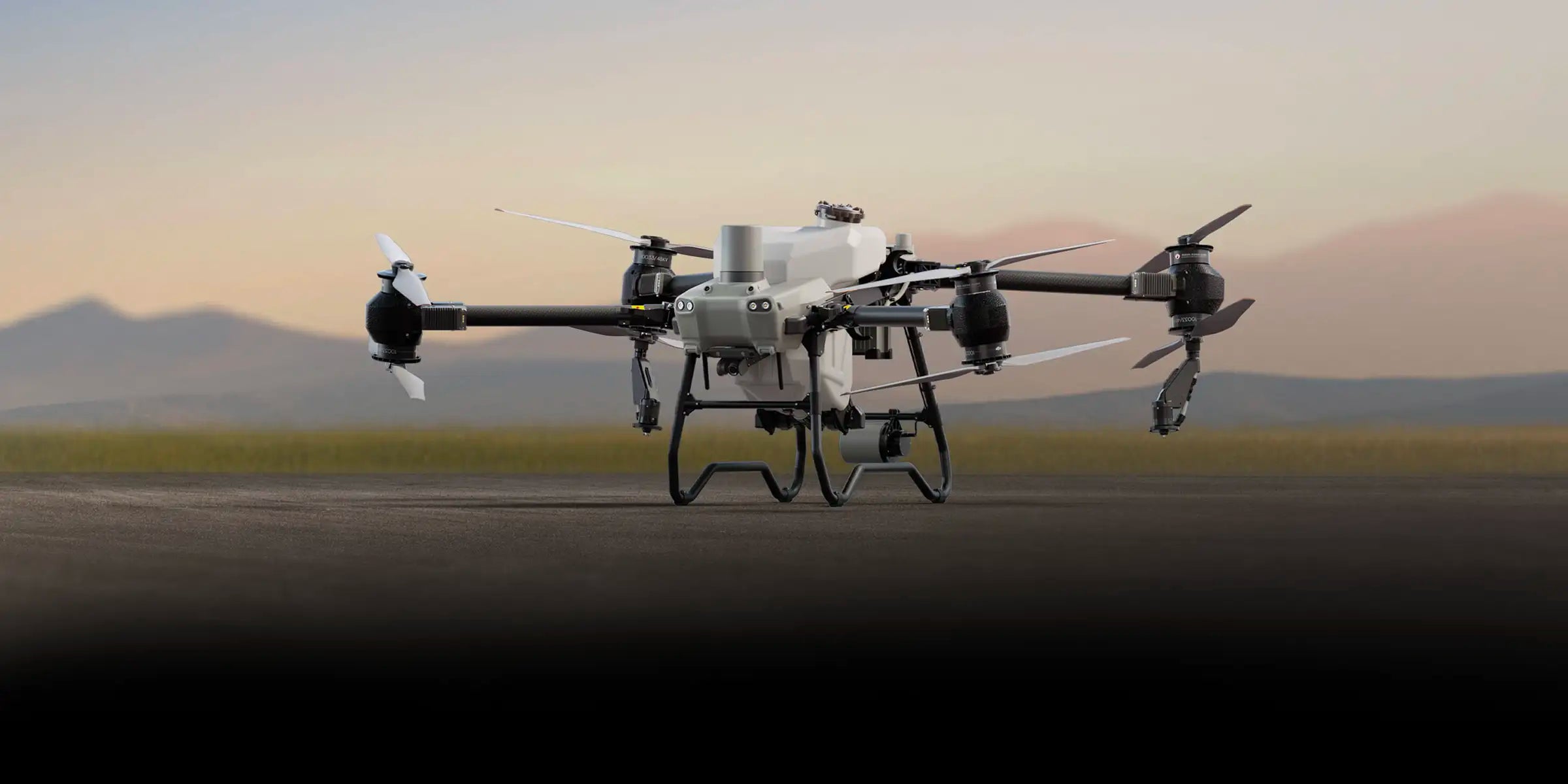
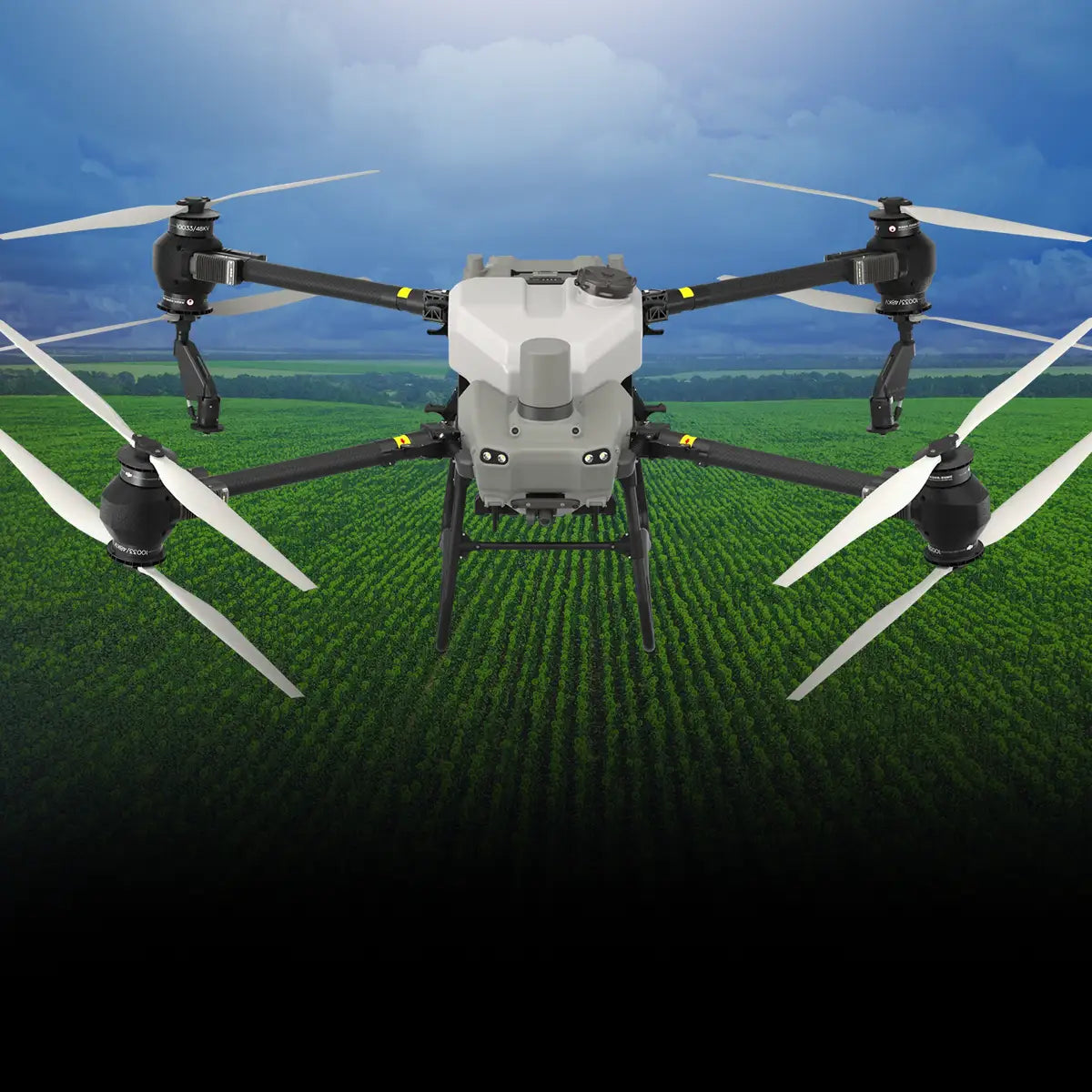
DSLRPros DJI Agras T50 Crop Spraying Package

Covers 52 acres (21.3 hectares) per flight hour

10.56-gallon (40 liters) spray tank with 12-megapixel adjustable camera

36 ft (11m) spray width with centrifugal nozzles and coaxial twin rotor system

Magnetic drive dual pump system with 24 L/min flow rate

Adjustable droplet sizes from 50 to 500 μm

Phased array radar and binocular vision systems for obstacle detection

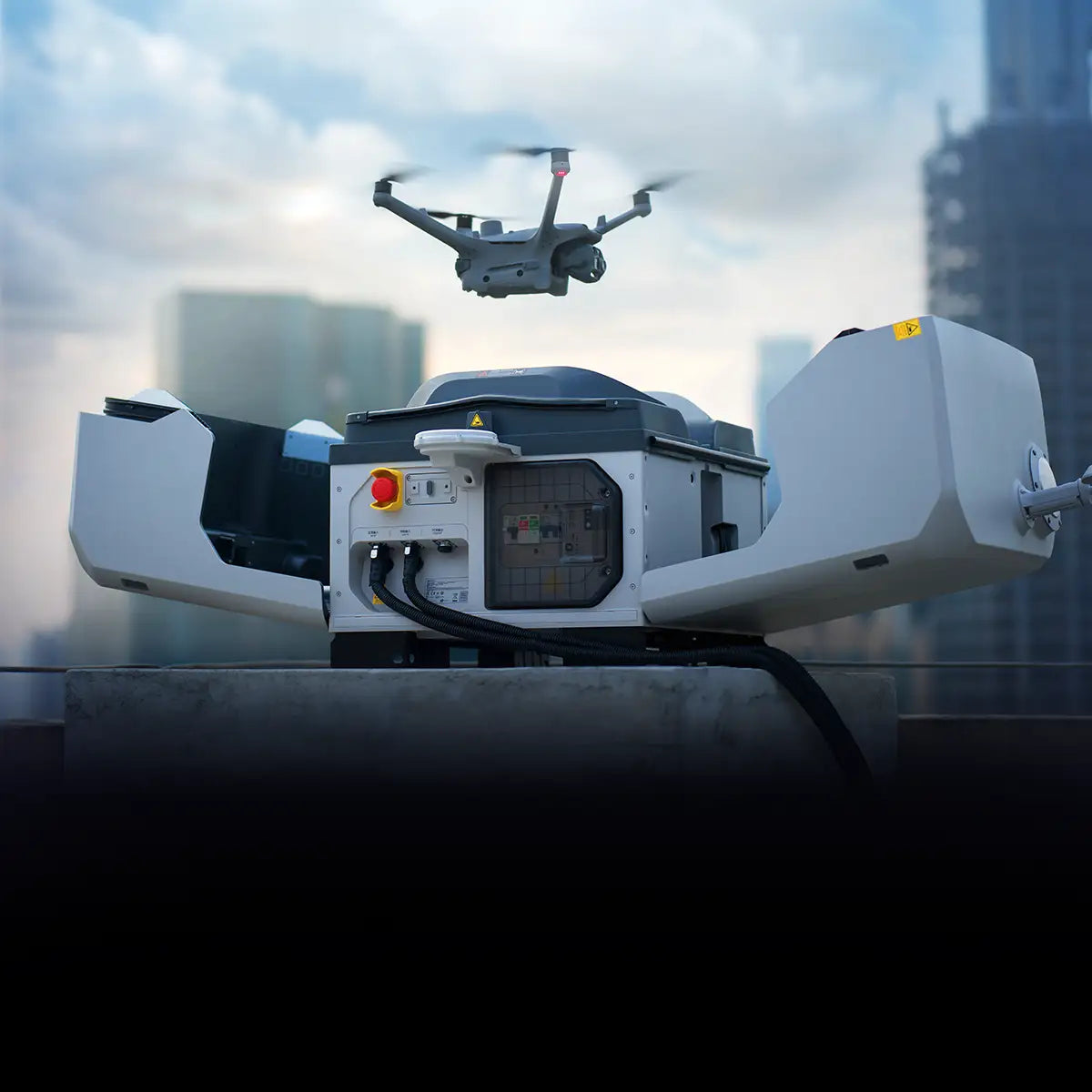
DSLRPros Dock 3 Ready To Fly Bundle

DJI Dock 3 for all-weather automated drone operations and vehicle-mounted deployment

DJI Matrice 4TD drone for advanced thermal and visual imaging

FlytBase Zero subscription for cloud-based mission control

DJI RC Pllus 2 Enterprise Controller for reliable and precise drone command

Pre-configured bundle ready for immediate deployment

ACSL SOTEN Agriculture Package

NDAA‑compliant drone and smart controller with AES256‑grade encryption

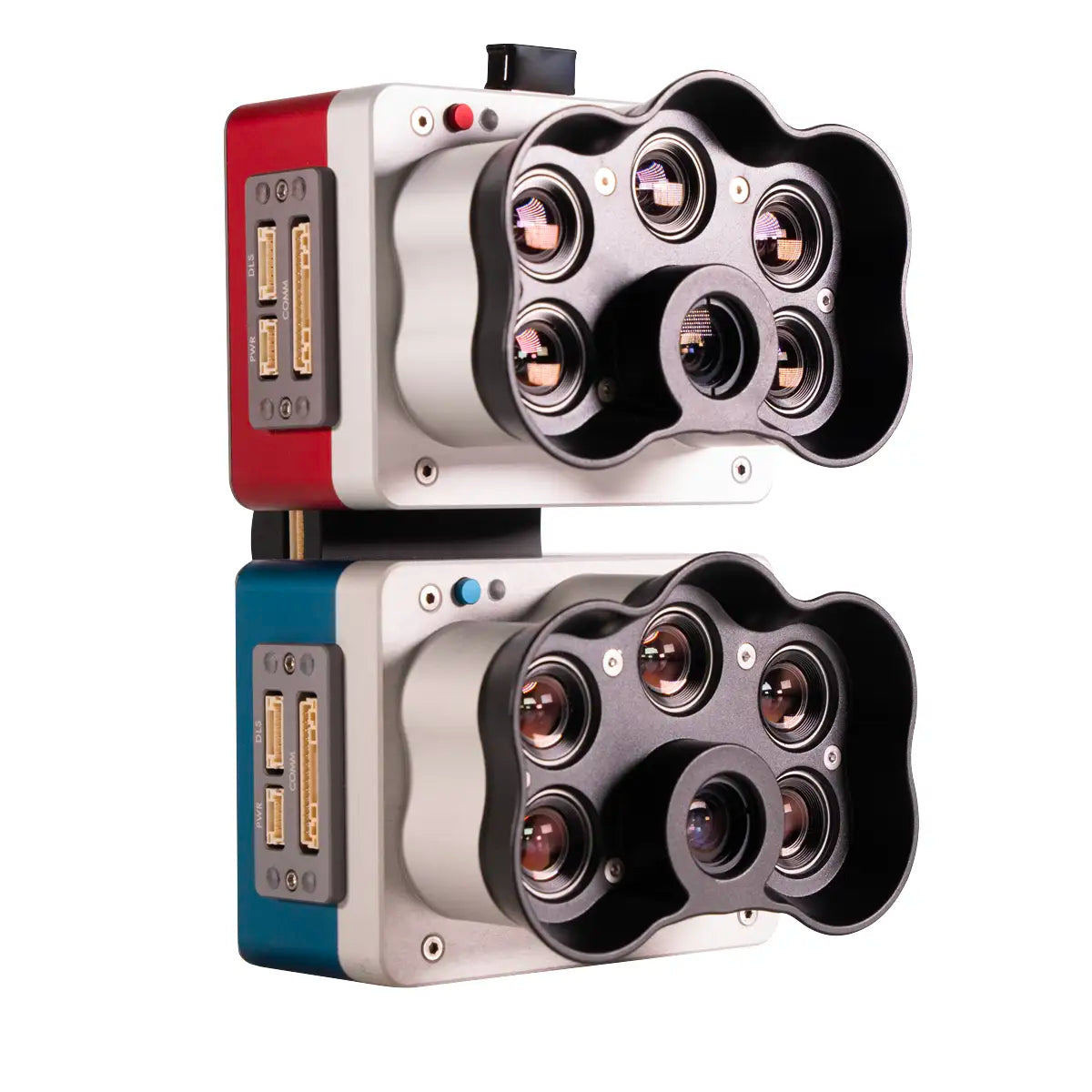
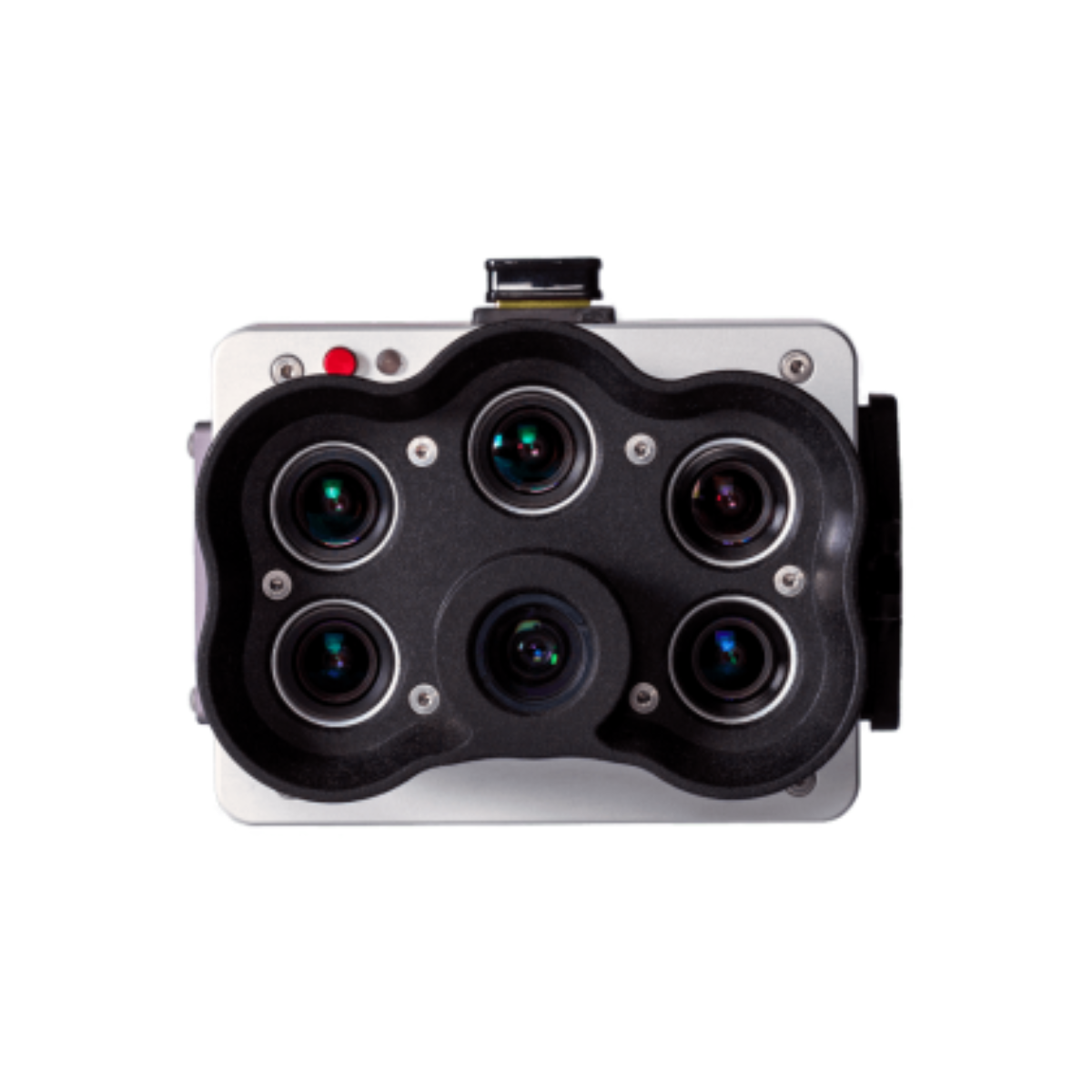
ACSL SOTEN Multispectral Camera captures 550nm, 680nm, 850nm wavelengths

TENSO Smart Controller: IP43-rated, 5” HD display, sunlight-readable

Real-time video latency reduced 25% for fast visual feedback

One-touch swappable camera bay for payload flexibility

LTE‑enabled BVLOS flight range up to 2.5 miles

FAA Remote ID‑ready and ISO15408‑certified system

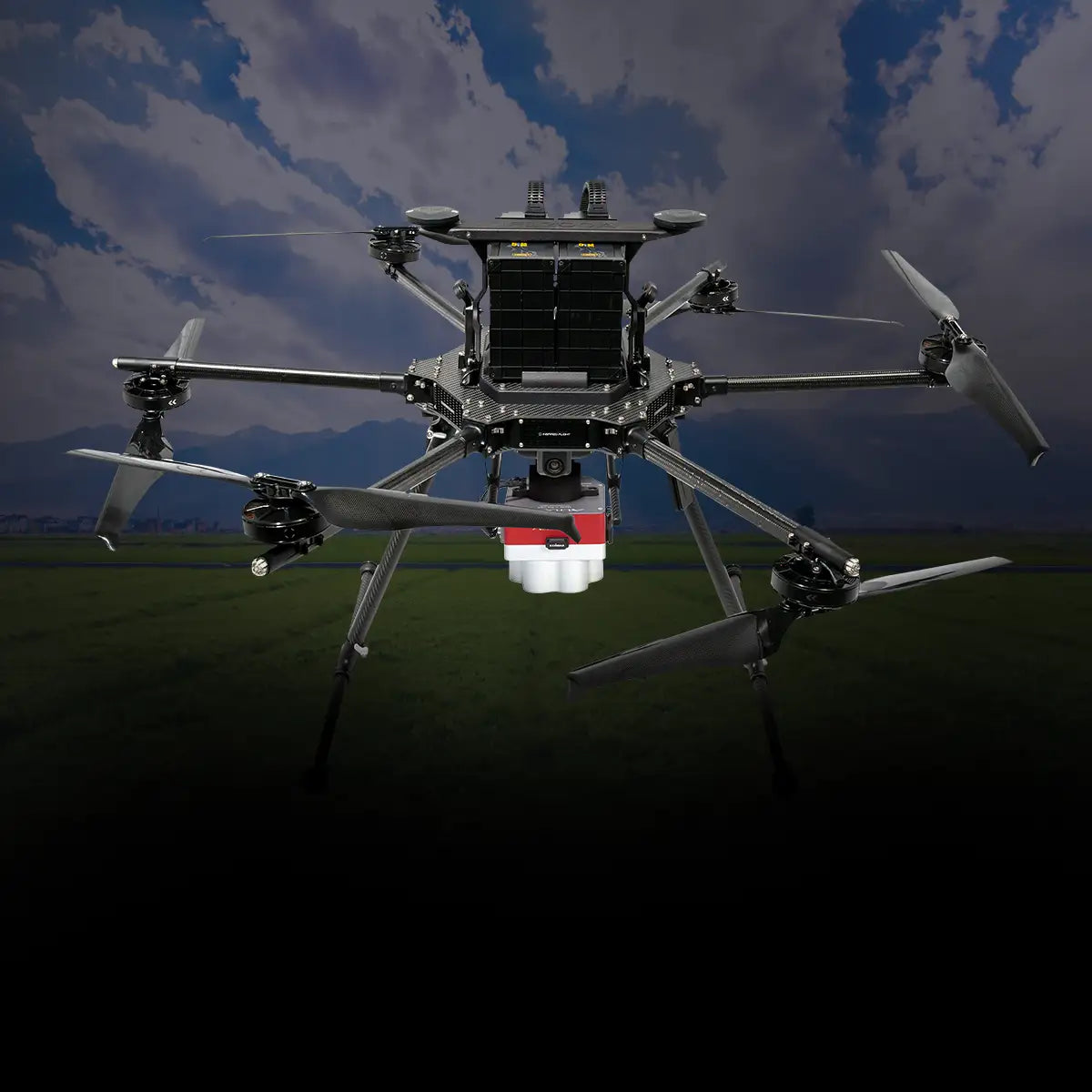
DSLRPros Inspired Flight IF800 Agricultural Monitoring Package

Inspired Flight IF800 Blue UAS–approved quadcopter

NDAA-compliant, U.S.-made and supported platform

Up to 40-minute flight time with typical agricultural payloads

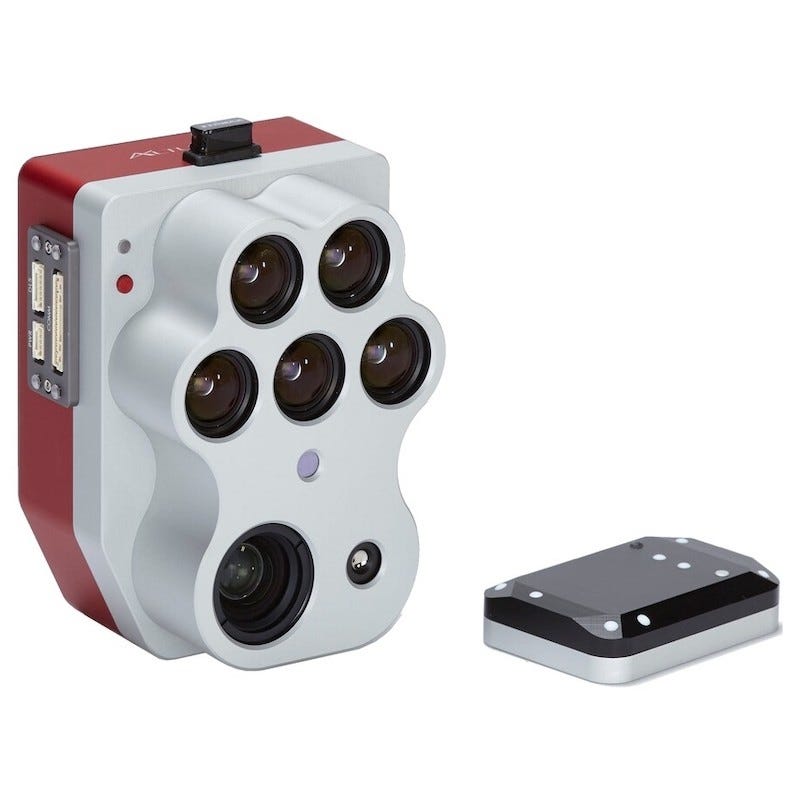
MicaSense Altum-PT multispectral, panchromatic, and thermal sensor

Five multispectral bands plus radiometric thermal imaging

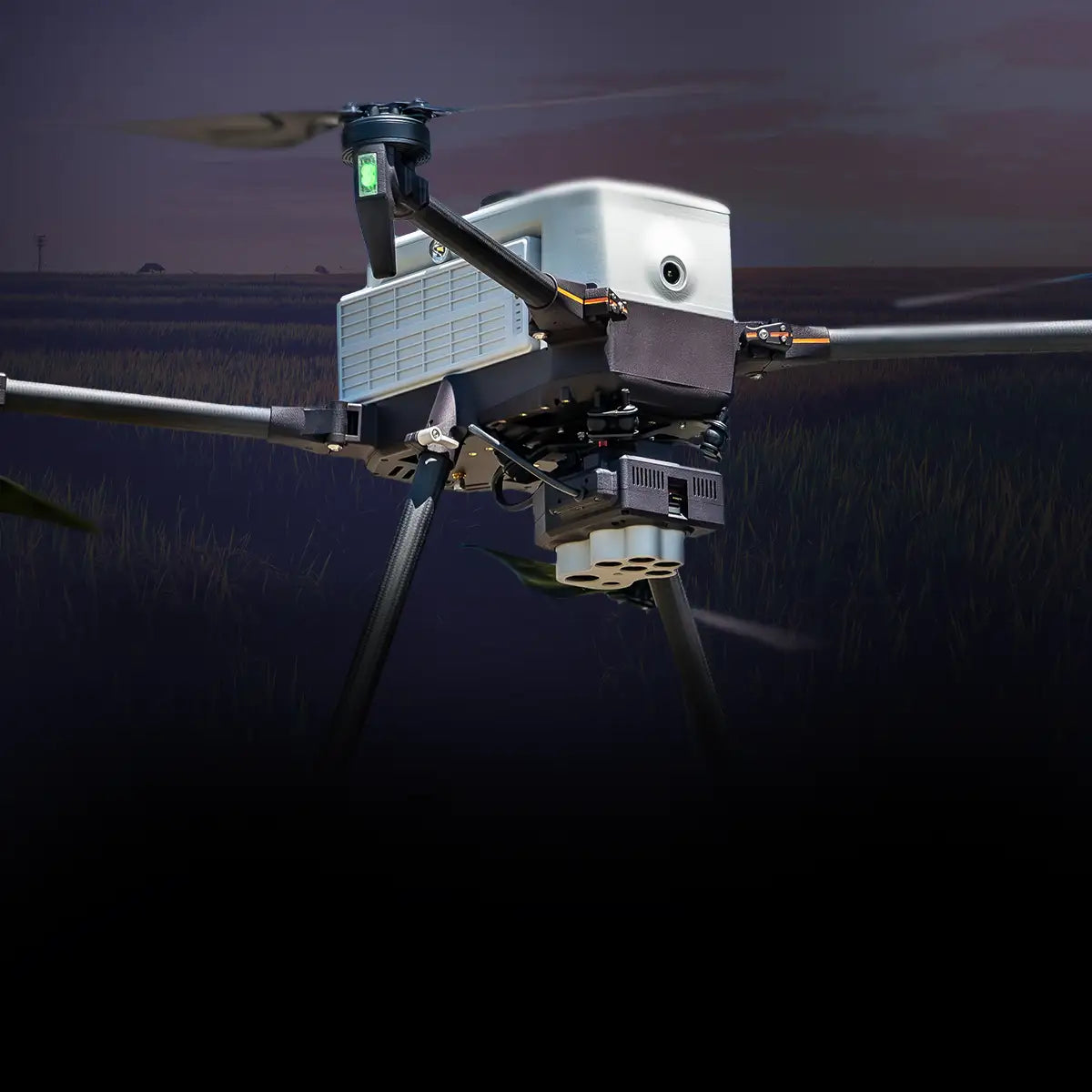
DSLRPros Inspired Flight IF1200 Agriculture Monitoring Package

Inspired Flight IF1200A heavy-lift hexacopter

Up to 43-minute flight time per mission

NDAA & Blue UAS compliant drone platform

SAFE redundancy system for motor-failure landings

Includes GS-ONE Ground Control Station with 2000 NIT 7” 1080P touchscreen

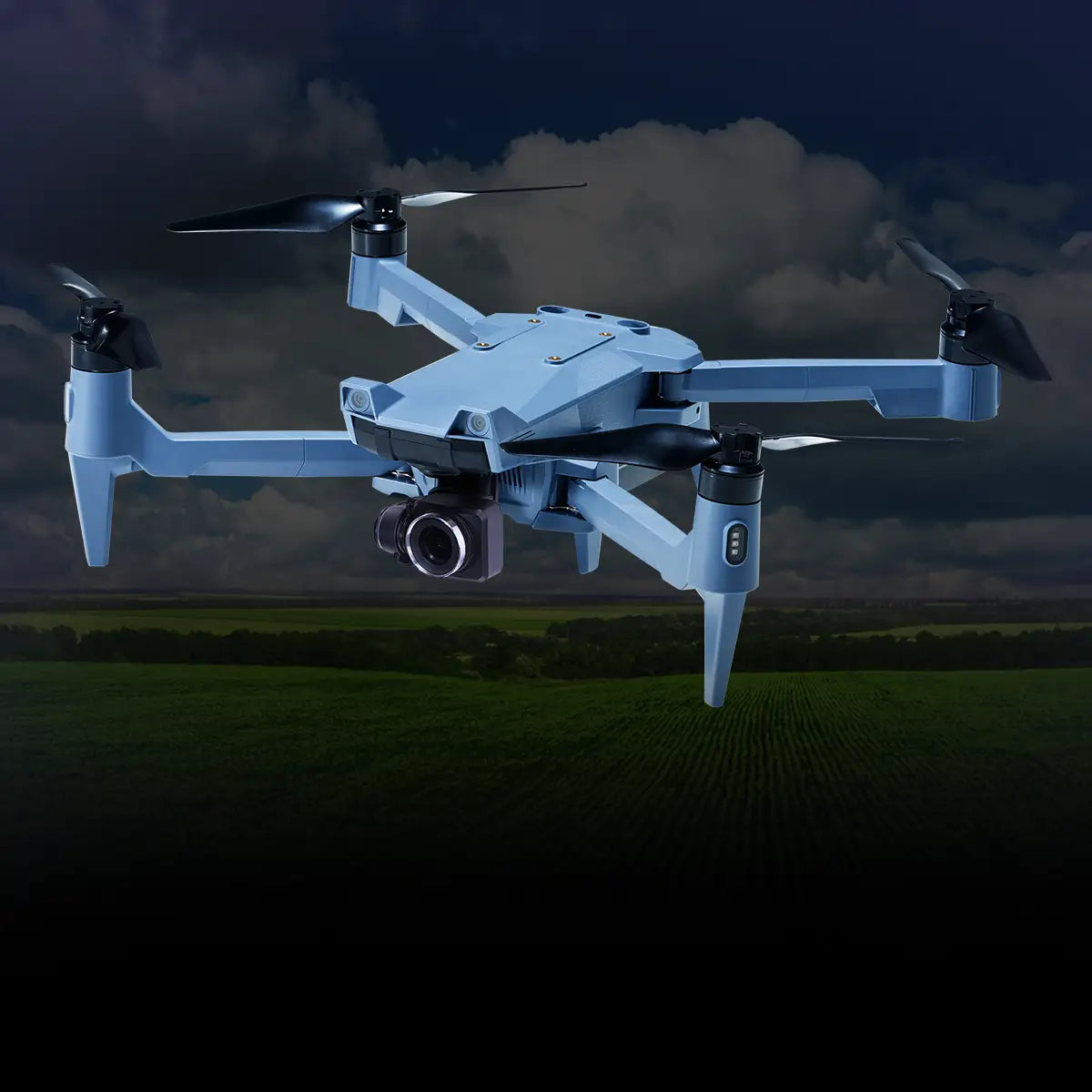
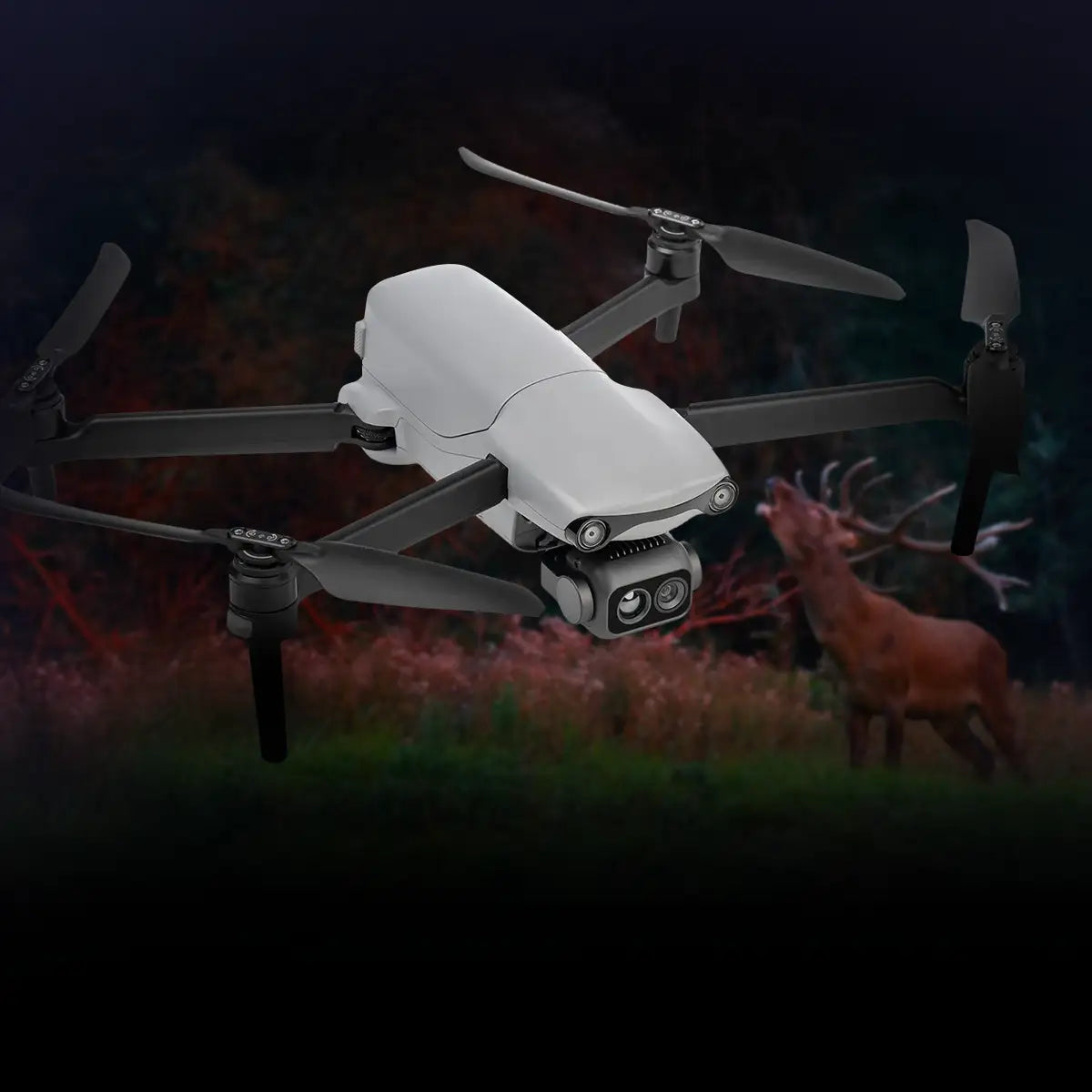
DSLRPros Ready to Hunt Bundle

Drone: Autel Lite Enterprise 640T

Dual-camera system: 640x512 thermal, 48MP visible-light for comprehensive imaging

Thermal precision: Detects -20°C to 550°C with ±3°C accuracy

High-res visuals: ½-inch CMOS sensor, 4K video at 30 fps

16x zoom: Digital zoom in thermal and visible-light modes

SLAM navigation: Stable flight in GPS-compromised areas

Extended flight: 40-minute battery for longer missions

Long-range control: 12km transmission for wide coverage

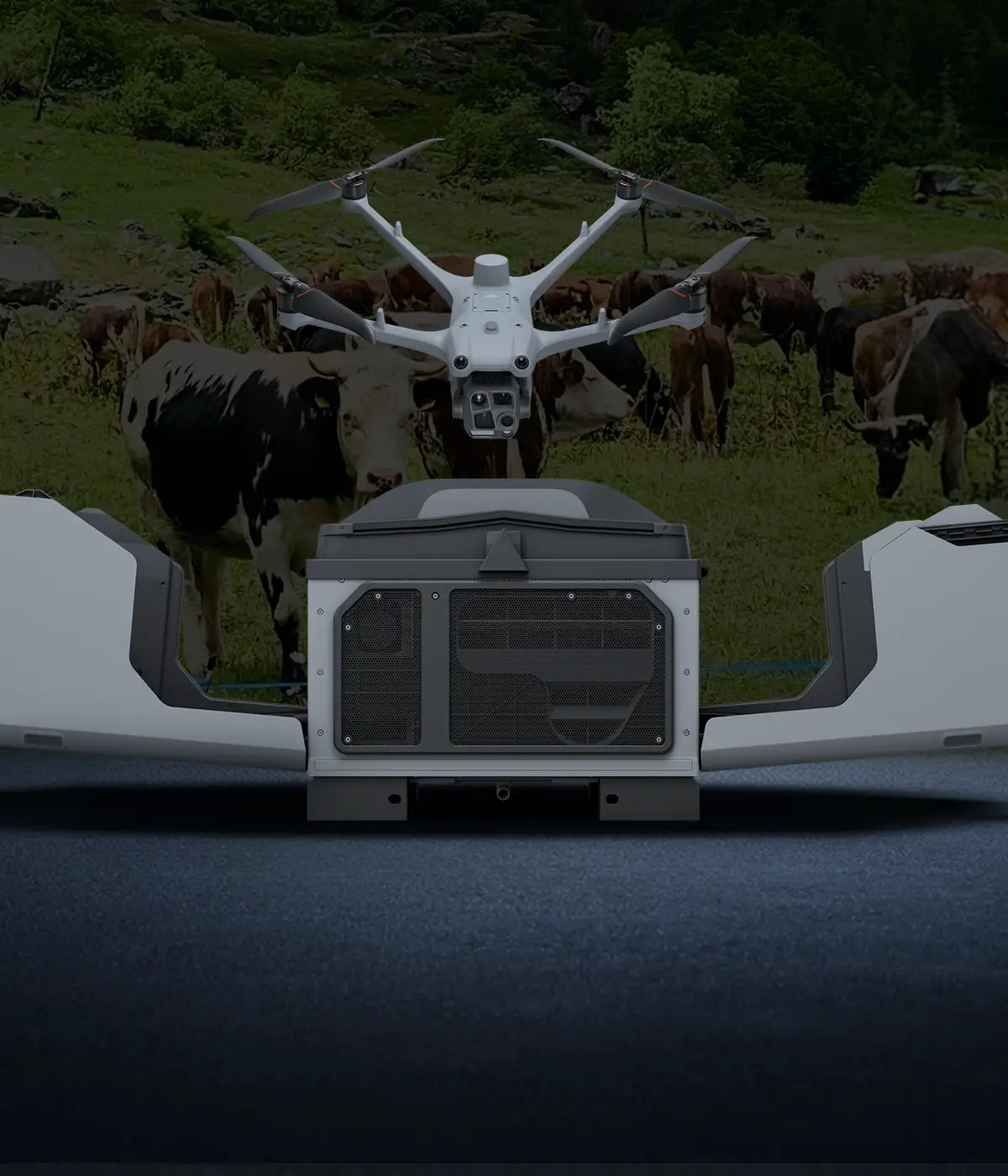
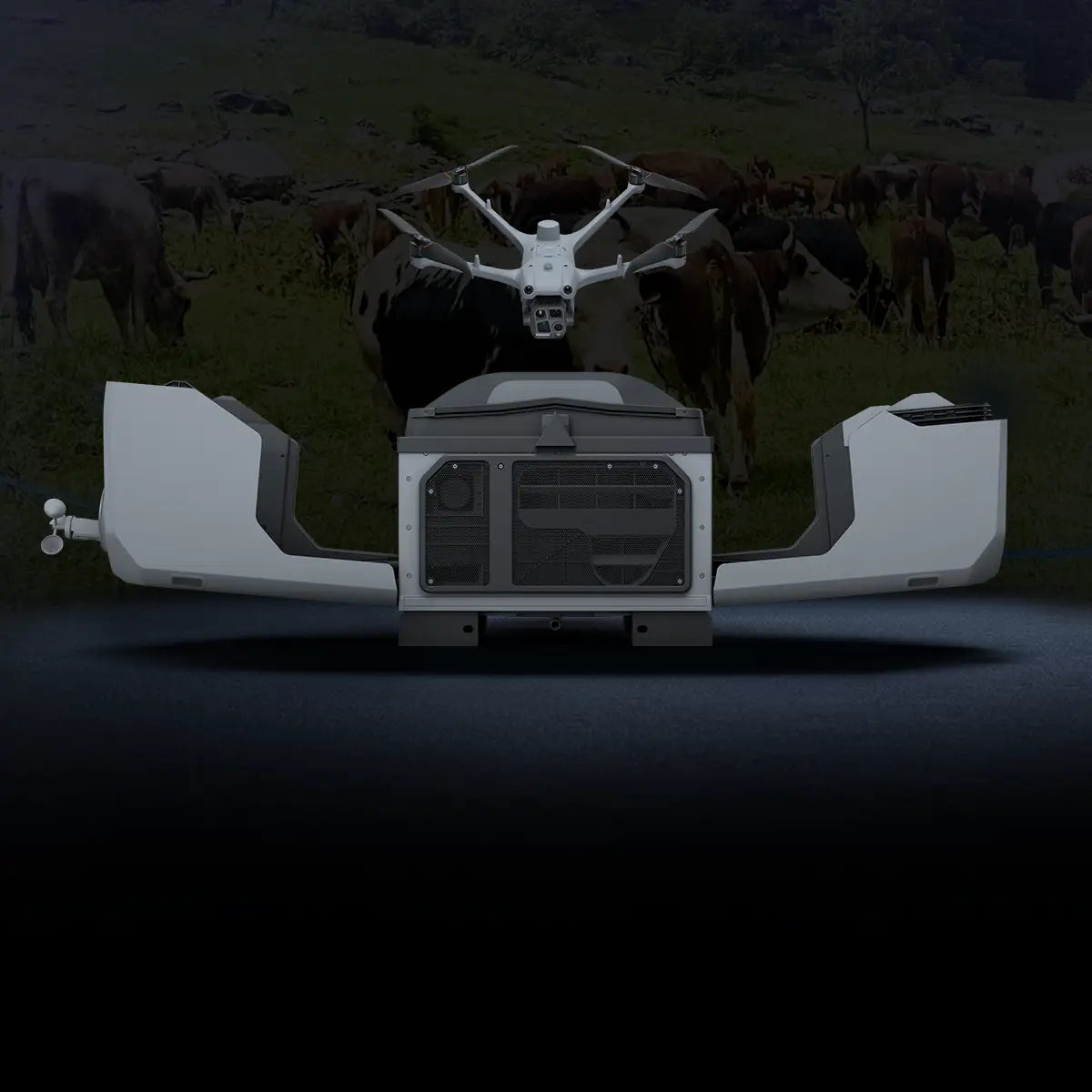
DSLRPros Dock 3 Cattle Rancher Bundle

DJI Dock 3: Compact, weather-resistant, and supports autonomous drone operations.

DJI Matrice 4TD: 48MP camera, thermal imaging, and Night Scene mode.

47-Minute Flight Time: Long-duration flights for extensive monitoring.

Vehicle-Mounted Deployment: Do in-transit drone charging and data transfer, perfect for long-distance tasks.

Dronehand & Flytbase Software: Automate herd tracking, inspections, and data collection.

Agriculture & Farming Payloads

The right drone payload transforms flights into insights—track plant health, map terrain, and detect crop stress with thermal, LiDAR, and multispectral imaging precision.

10 Ways Drones Can Benefit Farmers and Agriculture Research Bodies
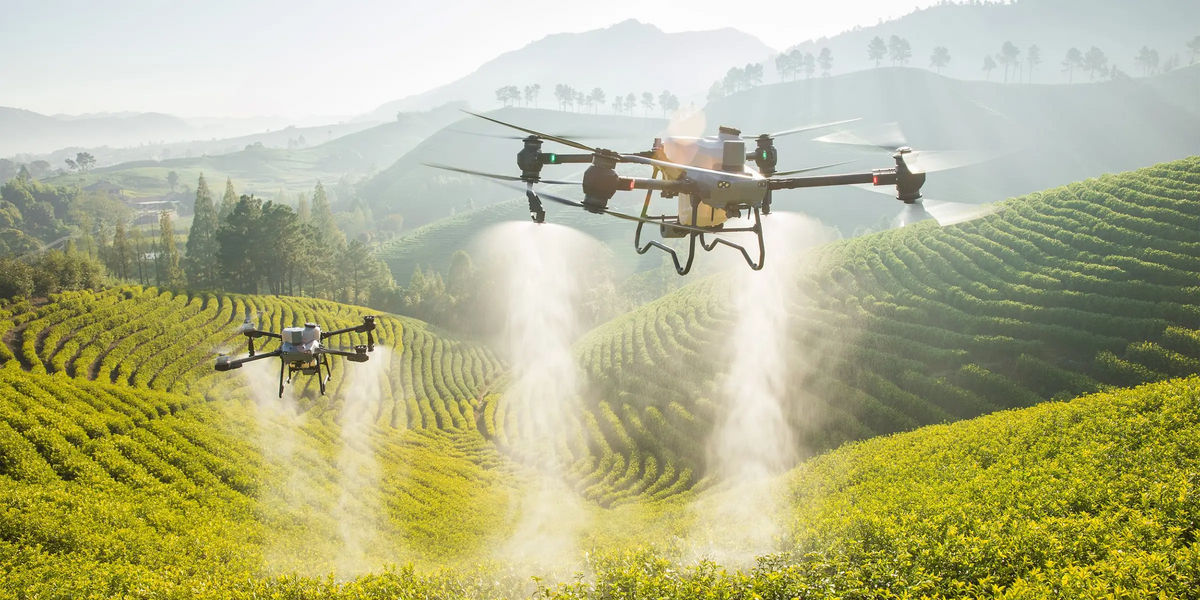
Drones revolutionize agriculture—scouting crops, managing water, planting, tracking herds, and predicting yields—enabling faster decisions, reducing waste, and enhancing research with precision and speed.

Below are the ways drones are being used to support modern agriculture and agricultural science.

Precision Farming

Drones map soil and crop health with sensors, enabling targeted fertilizer and pesticide use—boosting yield while cutting costs and waste.

Crop Health Monitoring

Drones with multispectral sensors detect plant stress, pests, or disease early—letting farmers act fast and reduce crop loss before visible signs appear.

Irrigation Management

Thermal drones detect soil moisture differences, helping farmers spot over- or under-irrigated areas to improve water efficiency and boost crop yield.

Planting

Some drones don’t just hover – they plant! They fire seed pods packed with nutrients into the ground. Even on terrains or conditions too tough for conventional machinery, drones will get the job done.

Livestock Monitoring

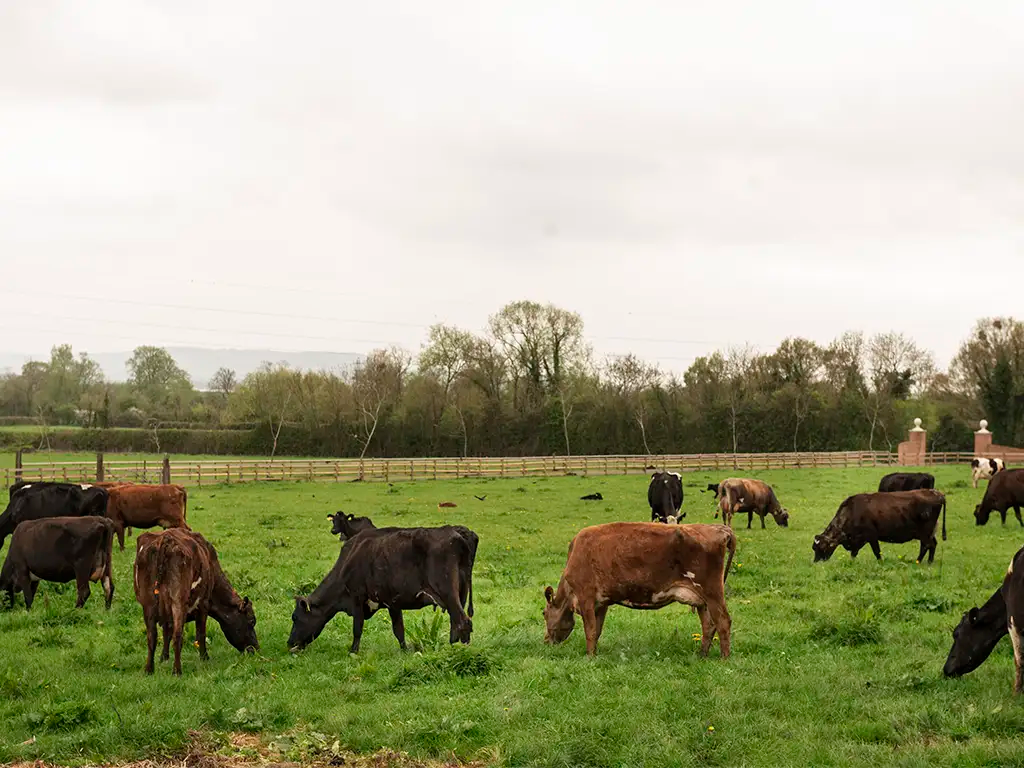
Drones give farmers a bird’s-eye view of livestock, making it easy to monitor health, feeding, and safety—no more time-consuming manual checks.

Estimating Crop Yields and Growth

Drones provide high-res images to monitor crop growth, predict yields, and plan harvests more accurately, improving timing and overall farm efficiency.

Research & Development

Drones and payloads with multispectral capabilities help researchers track plant health and stress with precise, repeatable data.

Soil Analysis and Topography Mapping

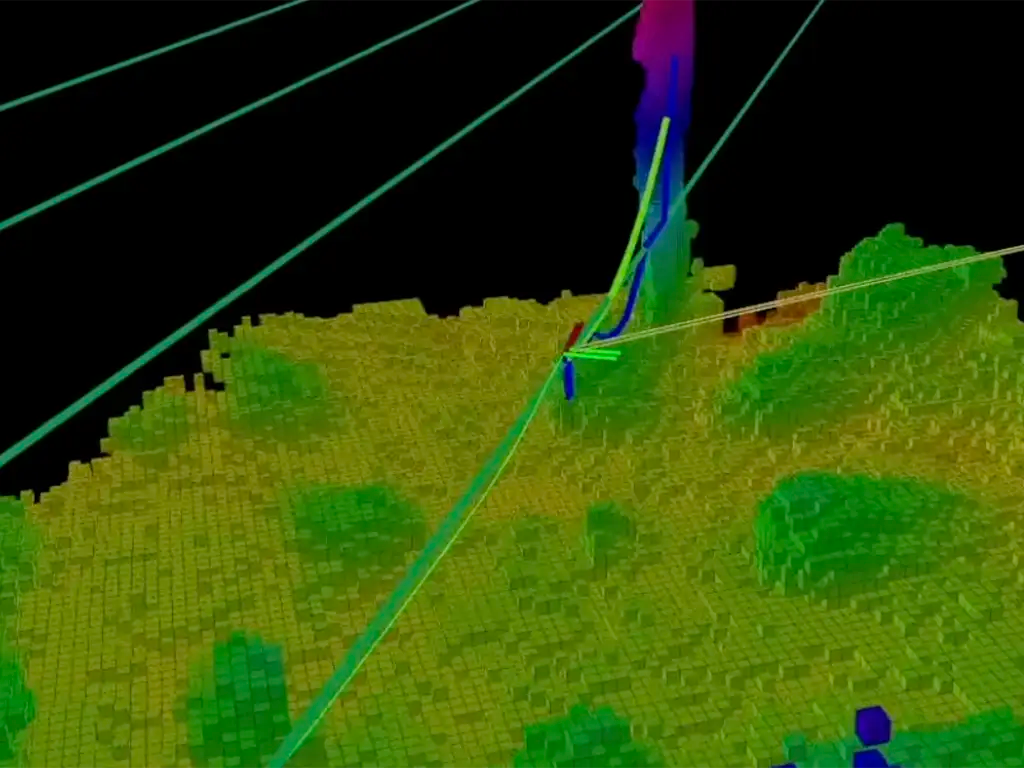
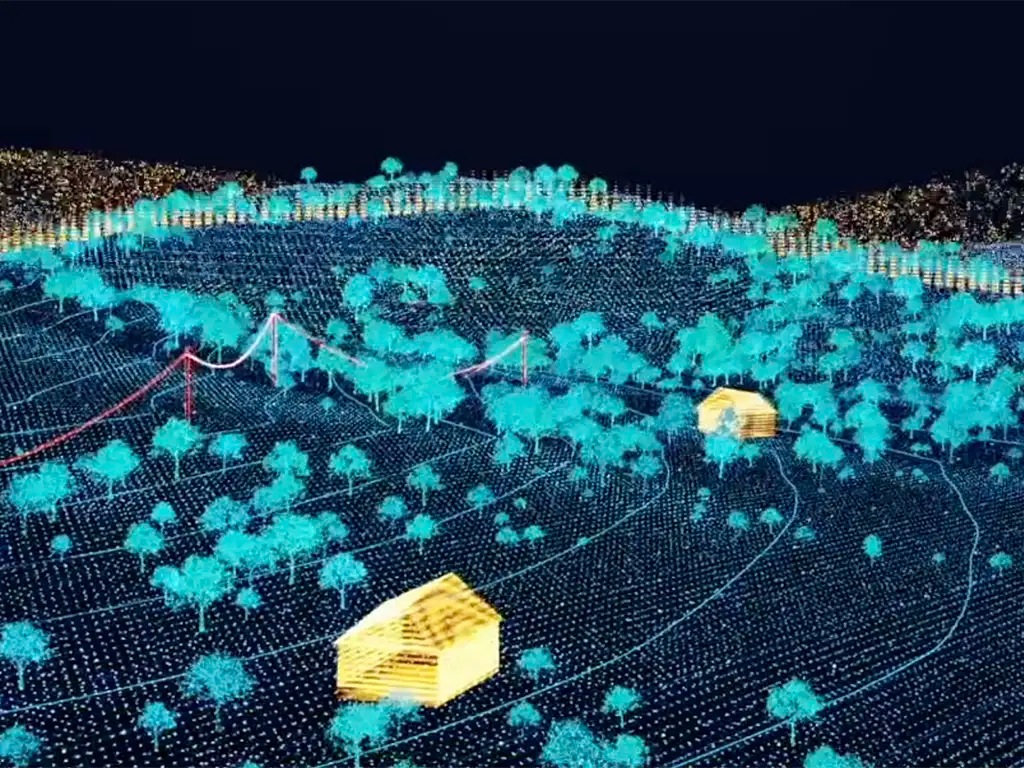
Drones with systems like GreenValley LiDAR H800 and MicaSense Altum-PT reveal soil texture, compaction, and elevation, creating DSMs and contour maps for smarter farming.

Field Boundary and Fence Line Mapping
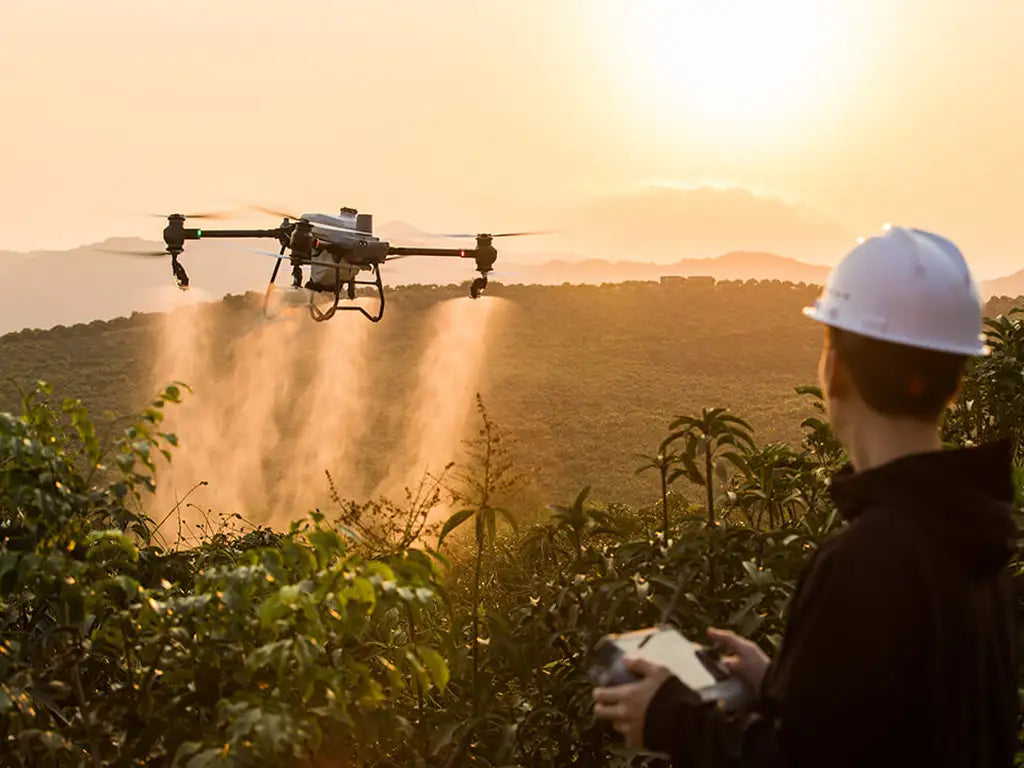
Special mapping drones use RTK GPS and high-res cameras to map property lines, fences, and grazing zones with centimeter-level accuracy.

Disaster Response and Crop Damage Assessment

After storms, floods, or droughts, drones can quickly survey fields to assess damage. This helps with insurance claims, replanting strategies, and understanding long-term impact on yield.